
By Roz Jones
As the new year begins, it’s the perfect time to focus on the health and happiness of our aging loved ones. For those navigating solo aging, a strong support network is the cornerstone of independence, resilience, and joy. Building this network takes intention, but with a few key strategies, caregivers can help their loved ones thrive.
Why a Support Network Matters for Solo Agers
Solo aging offers unique opportunities for independence, but it can also lead to feelings of isolation. Without a reliable support system, tasks like managing health appointments, running errands, or simply finding companionship can become overwhelming. Building a network ensures your loved one has the resources and relationships they need to maintain their quality of life.
How Caregivers Can Help Build a Network of Support
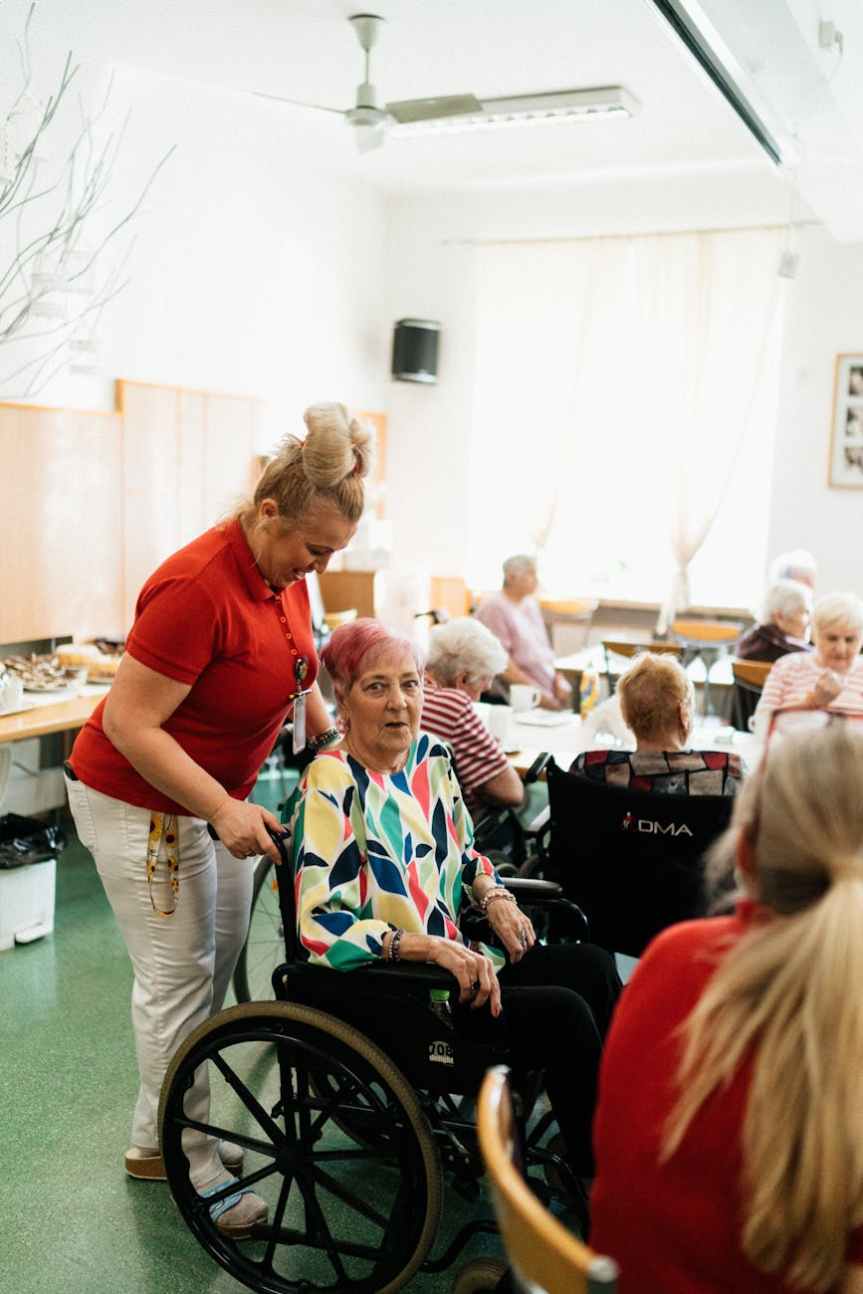
- Encourage Participation in Local Senior Programs
Local senior centers often host events, classes, and support groups designed to foster social interaction. Encourage your loved one to explore options like book clubs, fitness classes, or craft workshops. Many communities also have volunteer opportunities that can help seniors stay engaged while giving back. - Facilitate Connection with Neighbors
Sometimes, the best support comes from just next door. Help your loved one introduce themselves to neighbors or attend neighborhood gatherings. Knowing the people nearby can provide a sense of safety and belonging. - Use Technology to Stay Connected
From video calls to online forums, technology bridges the gap for seniors who may have mobility or transportation limitations. Introduce your loved one to user-friendly platforms like Zoom or FaceTime and explore community-oriented apps where they can engage with others. - Leverage Community Resources
Research organizations like Meals on Wheels, local churches, or community nonprofits that offer resources for seniors. These services can provide meals, transportation, or companionship programs that make life easier for solo agers. - Create a Social Calendar
Encourage your loved one to maintain an active social life by planning weekly or monthly activities. Whether it’s a lunch date with a friend, a trip to the museum, or a yoga class, consistent interaction helps combat loneliness and keeps them engaged.
Tools to Combat Loneliness and Maintain Social Health
- Pet Therapy: Consider adopting a pet or arranging pet therapy visits to bring companionship and joy.
- Virtual Classes: Many organizations offer virtual yoga, art, or language classes tailored to seniors.
- Regular Check-ins: Schedule calls or visits with family and friends to keep the lines of communication open.
By helping your loved one establish a strong support network, you’re empowering them to enjoy the freedom of solo aging while minimizing its challenges. Check out my previous blog Thriving Alone While Aging with Grace and Independence for more tips on Solo Aging.
Subscribe to The Caregiver Cafe Weekly Newsletter!

1. YOU ARE NOT ALONE: The problems you face as a caregiver are experienced by other caregivers. Knowing that you’re not alone can be comforting.
2. Tools and Resources: Find caregiver stress management tools and gain perspective from other caregiver’s experiences.
3. LEARN TO: Ask for help, accept help when it is offered, and acknowledge yourself on this caregiving journey. Hear from experts on how to balance caregiving responsibilities by taking care of your needs and involving others to help manage the natural stress and isolation of being a caregiver.
 The Caregiver Cafe