Building a Support Network While Vacationing: Relying on Others for Assistance

By Roz Jones

Caring for aging parents while on vacation requires a strong support system. In this four-part blog series, we are exploring strategies to help caregivers plan for and ensure peace of mind while caring for their aging parents during their vacation. In this second blog, we will delve into the importance of building a support network and relying on others for assistance. We will explore various options, such as family members, friends, and professional caregivers, and provide tips on how to communicate effectively with them. By enlisting the help of others, caregivers can ensure that their aging parents receive the necessary support and care while they enjoy their well-deserved vacation.

Family Members:

Reach out to other family members, such as siblings, adult children, or extended relatives and discuss your vacation plans. Identify individuals who are willing and able to assist with caregiving responsibilities during your absence. Distribute tasks and create a schedule to ensure that all aspects of your aging loved one’s care are covered. Regular communication and coordination will be key to a successful caregiving arrangement.

Friends and Neighbors:

Engage with trusted friends and neighbors who are familiar with your parents and their routines. Seek their support in checking on your parents, providing companionship, or assisting with daily tasks. Establish open lines of communication and provide them with necessary information about your parents’ care needs and emergency contacts. Express your gratitude for their assistance and maintain regular updates on your parents’ well-being.

Professional Caregivers:

Consider hiring professional caregivers to provide additional support and assistance while you are on vacation. Research reputable home care agencies or individual caregivers who specialize in elder care. Conduct thorough interviews, background checks, and request references to ensure that you find a trustworthy and qualified caregiver. Provide detailed instructions and schedules to ensure continuity of care.

Community Resources:

Explore local community resources that offer support services for seniors. Contact local senior centers, faith-based organizations, or community programs to inquire about respite care options or volunteer companionship programs. These resources can provide a much-needed break for both caregivers and aging parents, ensuring that they have meaningful social interactions and engagement in enjoyable activities.

Effective Communication:

Establish clear lines of communication with all individuals involved in caring for your aging parents. Provide written instructions and guidelines that detail your parents’ routines, medication schedules, emergency contacts, and any specific instructions. Utilize technology, such as video calls or messaging apps, to maintain regular communication and receive updates on your parents’ well-being. Express your appreciation for their support and offer to reciprocate when they are in need.

Building a strong support network and relying on others for assistance is crucial when caring for aging parents while on vacation. By reaching out to family members, friends, and professional caregivers, and utilizing community resources, caregivers can ensure that their loved ones receive the necessary care and support during their absence. Effective communication and coordination are essential for a successful caregiving arrangement. In the next blog of this series, we will explore practical tips for preparing the home environment to ensure safety and comfort for aging parents while caregivers are on vacation. Stay tuned for more valuable insights and strategies to ensure a smooth and worry-free vacation experience for both caregivers and their loved ones.

Planning a Summer Vacation with an Aging Loved One? Download the FREE Checklist!

Are you embarking on a summer vacation adventure with a loved one in need of care? Whether you’re a caregiver or know someone who is, we understand the unique challenges and considerations that come with vacationing while ensuring your loved one is safe..

Make your vacation experience stress-free and enjoyable for both you and your loved one, we’re excited to offer you a free downloadable checklist!

Stay Ahead of the Storm: Download Your Free Expert Storm Guide Now!

Photo by ALTEREDSNAPS on Pexels.com

As we know, June – November is Hurricane Season. As a family caregiver, there are many ways to prepare your loved ones for it. Early preparation helps reduce opportunities for stress and anxiety as storms approach.

One of the best ways to prepare is allowing your loved on to assist in packing their travel bag, checking their contact list and ensuring there are adequate emergency supplies.

Participation… not isolation… go a long way when preparing for major storms. This Seniors Storm Guide gives essential information to refer to again and again!
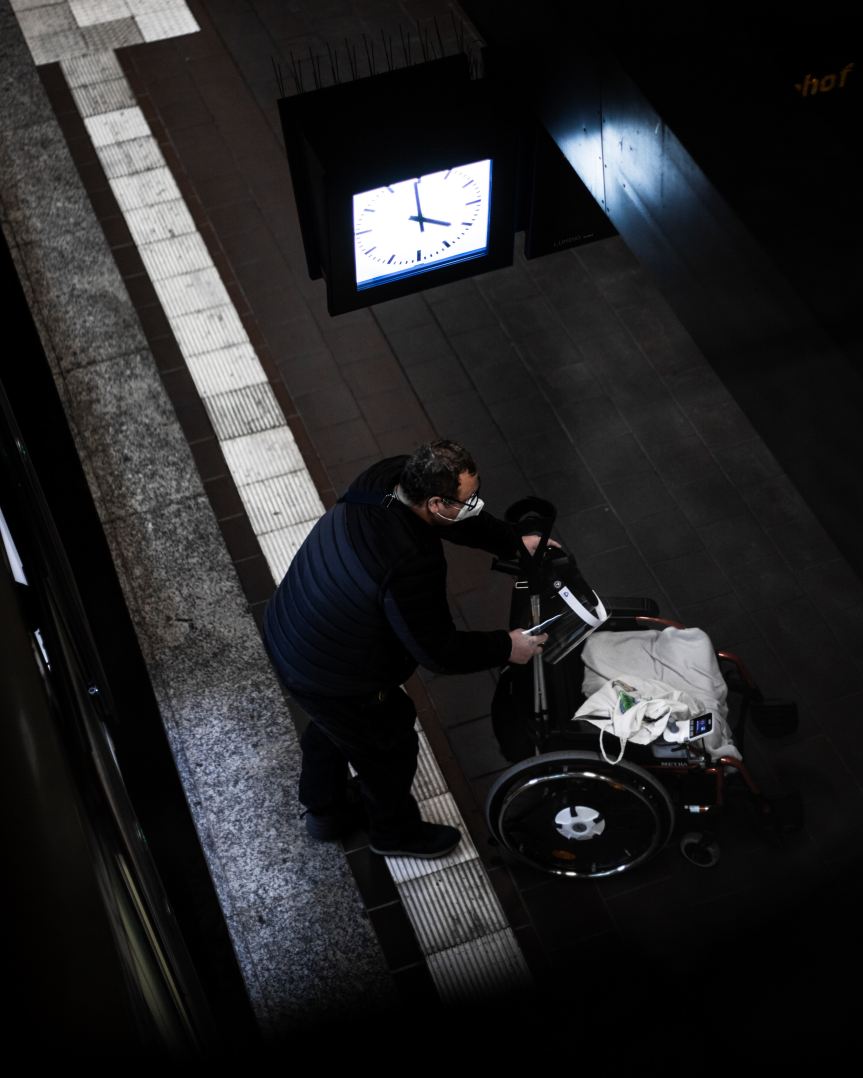

Caring for Aging Loved Ones with Special Needs During a Hurricane

By Roz Jones

As caregivers of aging loved ones with special needs, it’s essential to take extra precautions and make specific preparations to ensure their safety and well-being during a hurricane. Special needs can include mobility issues, cognitive impairments, chronic health conditions, or other unique challenges that require additional attention and care. In this blog, we will discuss the considerations and preparations necessary to meet the specific needs of aging loved ones with special requirements during a hurricane. By addressing these additional factors, caregivers can provide the support and assistance necessary to keep their loved ones safe and comfortable during this challenging time.

Assessing Special Needs:

The first step in caring for aging loved ones with special needs during a hurricane is to assess their specific requirements. Consider the following factors:

  1. Mobility: Determine the level of mobility your loved one has and whether they require assistive devices, such as wheelchairs, walkers, or canes. Identify any barriers that may hinder their movement during an evacuation or while sheltering in place.
  2. Cognitive Abilities: Evaluate your loved one’s cognitive abilities and determine their understanding of emergency situations. This assessment will help you provide the appropriate level of guidance and support.
  3. Chronic Health Conditions: Identify any chronic health conditions your loved one may have, such as diabetes, heart disease, or respiratory issues. These conditions may require special attention and medication management during a hurricane.

Specialized Equipment and Supplies:

Caregivers of aging loved ones with special needs should ensure they have access to the necessary specialized equipment and supplies. Consider the following:

  1. Medical Equipment: Identify any medical equipment your loved one requires, such as oxygen tanks, nebulizers, or feeding tubes. Make sure you have a sufficient supply of backup batteries or alternative power sources.
  2. Prescription Medications: Ensure you have an ample supply of your loved one’s prescription medications, including any specific instructions for administering them during a hurricane. Keep medications properly labeled and organized for easy access.
  3. Communication Tools: Consider the communication needs of your loved one. If they have hearing or speech impairments, ensure they have appropriate tools or devices to facilitate effective communication during an emergency.

Access to Necessary Services:

During a hurricane, access to necessary services may be limited. Caregivers should plan ahead to ensure their loved ones with special needs have access to essential services. Consider the following:

  1. Medical Services: Coordinate with your loved one’s healthcare providers to ensure access to medical services during and after a hurricane. Inquire about alternative locations or emergency clinics that may be available.
  2. Personal Care Assistance: If your loved one requires personal care assistance, such as bathing, dressing, or medication administration, make arrangements for professional caregivers who can provide these services during an emergency.
  3. Community Resources: Research local community resources that offer support and assistance to individuals with special needs during emergencies. These resources may include special needs shelters, transportation services, or organizations that can provide additional assistance.

Caring for aging loved ones with special needs during a hurricane requires careful planning, consideration, and preparation. By assessing their specific requirements, ensuring access to specialized equipment and supplies, and coordinating with necessary services, caregivers can provide the support and assistance necessary to keep their loved ones safe and comfortable during this challenging time. Remember to review and update your emergency plan regularly, taking into account any changes in your loved one’s condition or needs. By being proactive and prepared, caregivers can navigate the hurricane season with confidence, knowing they have taken steps to address the unique needs of their aging loved ones with special requirements.

Stay Ahead of the Storm: Download Your Free Expert Storm Guide Now!

Photo by ALTEREDSNAPS on Pexels.com

As we know, June – November is Hurricane Season. As a family caregiver, there are many ways to prepare your loved ones for it. Early preparation helps reduce opportunities for stress and anxiety as storms approach.

One of the best ways to prepare is allowing your loved on to assist in packing their travel bag, checking their contact list and ensuring there are adequate emergency supplies.

Participation… not isolation… go a long way when preparing for major storms. This Seniors Storm Guide gives essential information to refer to again and again!


Stay Connected!