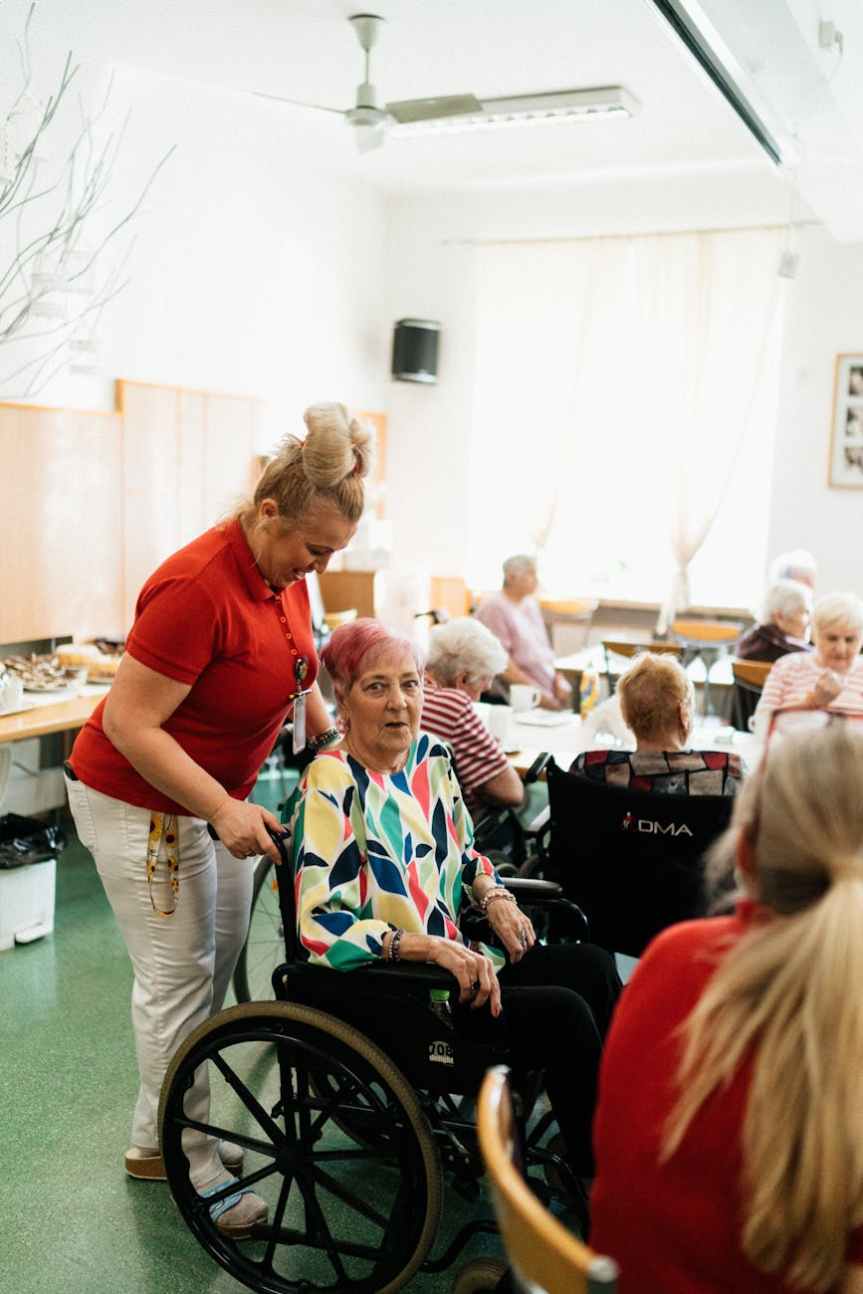
Crafting a Strategic Schedule for Caregivers

By Roz Jones

Let me ask you a question: Do you feel like you’re in control of your mornings, or do they control you? I’ve been in both places, and I can tell you that when you take charge of your morning with a strategic plan, it changes everything.

As caregivers, our mornings often set the tone for how the rest of the day will unfold. Without a clear plan, it’s easy to feel overwhelmed or like we’re constantly playing catch-up. But with a little intention and structure, mornings can become a powerful tool to help us stay calm, organized, and ready for whatever the day may bring.

Today, I want to walk you through how to create a morning blueprint that prioritizes what matters most while leaving room for flexibility.

Step 1: Start with Mental Preparation

One thing I’ve learned is that a clear mind leads to a clear day. Before diving into your tasks, take a few moments to mentally prepare for what lies ahead.

For me, this means sitting down with my planner or notebook and taking a deep breath. I ask myself: What are the most important things I need to focus on today? This helps me frame my priorities and feel grounded before the day’s chaos kicks in.

If you’re not a fan of journaling or planners, even a quick mental checklist can work. The key is to take a moment to center yourself and set an intention for the day.

Step 2: Prioritize Tasks with Intention

We all have long to-do lists, but trying to tackle everything at once is a recipe for stress. Instead, let’s focus on the most critical tasks first.

Here’s a tip I use: Write down your top three priorities for the day. These are the non-negotiables—the tasks that will make the biggest impact on your loved one’s care or your own well-being. Once those are clear, fit in the smaller tasks around them.

For example, if medication management is a priority, block out time in the morning to prepare and review everything. If self-care is on your list (and it should be!), schedule that in too.

Step 3: Create a Flexible Schedule

As caregivers, we know that no two days are the same. Unexpected things will come up, and that’s okay. The goal isn’t to create a rigid schedule—it’s to have a structure that keeps you on track while allowing room for adjustments.

Try breaking your morning into chunks:

  • Early Morning: Personal care (hydration, stretching, breakfast).
  • Mid-Morning: Key caregiving tasks (medications, appointments, or check-ins).
  • Late Morning: Flexible time for secondary tasks or self-care.

This way, even if something derails one part of your morning, you can still get back on track.

Step 4: Set Boundaries for Your Morning

Protecting your morning routine is just as important as creating it. Let your loved ones or other family members know when you need uninterrupted time to focus on critical tasks.

I like to use visual cues—like a “Do Not Disturb” sign on the door or setting my phone to silent during specific times—to create boundaries. This not only helps me stay focused but also teaches others to respect the importance of my routine.

Step 5: Reflect and Adjust

At the end of the week, take a few minutes to reflect on your morning routine. What worked well? What felt rushed or overwhelming? Adjust as needed to keep your schedule aligned with your caregiving priorities and personal needs.

Creating a strategic morning schedule isn’t about perfection—it’s about progress. By mentally preparing, prioritizing tasks, and building a flexible routine, you can reclaim your mornings and set the tone for a calmer, more productive day.

Subscribe to The Caregiver Cafe Weekly Newsletter!

Caregiving can be a roller coaster of ups and downs. The information that you will receive from The Caregiver Cafe Weekly Specials Newsletter will support you as a caregiver. Remember…

1. YOU ARE NOT ALONE: The problems you face as a caregiver are experienced by other caregivers. Knowing that you’re not alone can be comforting. 

2. Tools and Resources:  Find caregiver stress management tools and gain perspective from other caregiver’s experiences.

3. LEARN TO: Ask for help, accept help when it is offered, and acknowledge yourself on this caregiving journey. Hear from experts on how to balance caregiving responsibilities by taking care of your needs and involving others to help manage the natural stress and isolation of being a caregiver. 

7 Fresh Habits Every Caregiver Should Start This Year

By Roz Jones

As we step into a new year, it’s the perfect time to refresh how we approach our mornings. Mornings are more than just the start of the day—they’re an opportunity to set the tone for success, energy, and focus. For caregivers like us, mornings are often busy and demanding, but with a few intentional changes, they can become a source of strength and renewal.

I’ve updated my go-to morning habits for 2025, keeping them practical and tailored to the realities of caregiving. Let’s dive into seven habits that will help you start your day with purpose and positivity.

1. Start with Gratitude

Instead of reaching for your phone first thing in the morning, try starting your day with gratitude. Take 1-2 minutes to reflect on something you’re thankful for—it could be as simple as a good night’s sleep or the cup of coffee waiting for you. Gratitude helps frame your mindset for the day ahead, giving you a mental boost before tackling your caregiving responsibilities.

2. Hydrate with a Boost

This year, go beyond plain water in the morning. Add a splash of lemon or a pinch of sea salt to your water for an extra kick of hydration and electrolytes. This simple addition helps energize your body and support brain function, giving you the stamina to start your day strong.

3. Stretch and Strengthen

A few minutes of movement can make a big difference. This year, try incorporating gentle stretches combined with strength-building exercises like wall push-ups or chair squats. These quick movements not only wake up your muscles but also help build the physical resilience you need for caregiving tasks.

4. Choose a Functional Breakfast

Fuel your body with a balanced breakfast that supports sustained energy. Think about including protein (like eggs or Greek yogurt), healthy fats (like avocado or nuts), and fiber (like oatmeal or fruit). Avoid sugary cereals or pastries that might leave you feeling sluggish by mid-morning.

5. Set One Key Intention for the Day

Take a moment to ask yourself: What’s the most important thing I want to focus on today? Whether it’s prioritizing self-care, completing a specific task, or simply being present with your loved ones, setting a clear intention helps guide your day with purpose.

6. Embrace Tech to Simplify Your Morning

This year, let’s make technology work for us. Use a digital assistant or reminder app to manage your morning routine. You can schedule reminders for tasks like medication management, hydration, or even a quick motivational podcast.

7. Dedicate 10 Minutes to Something You Love

Carve out a small block of time just for you—whether it’s journaling, listening to music, reading, or enjoying a cup of tea. This is your moment to recharge before diving into the caregiving day ahead. Think of it as your daily gift to yourself.

Make This Year Your Best Yet

Starting your day with intention and care isn’t just about surviving—it’s about thriving. These updated habits are designed to fit seamlessly into your busy mornings while giving you the tools to face each day with renewed energy and focus. If you’re ready to take control of your mornings and transform your caregiving journey, start small and add a habit or two at a time. And don’t forget to revisit my previous blog, 7 Morning Musts for Caregivers, for even more inspiration.

Subscribe to The Caregiver Cafe Weekly Newsletter!

Caregiving can be a roller coaster of ups and downs. The information that you will receive from The Caregiver Cafe Weekly Specials Newsletter will support you as a caregiver. Remember…

1. YOU ARE NOT ALONE: The problems you face as a caregiver are experienced by other caregivers. Knowing that you’re not alone can be comforting. 

2. Tools and Resources:  Find caregiver stress management tools and gain perspective from other caregiver’s experiences.

3. LEARN TO: Ask for help, accept help when it is offered, and acknowledge yourself on this caregiving journey. Hear from experts on how to balance caregiving responsibilities by taking care of your needs and involving others to help manage the natural stress and isolation of being a caregiver. 

Nurturing Routine and Managing Overstimulation in Loved Ones with Alzheimer’s

By Roz Jones

As caregivers, we understand the challenges that come with caring for someone living with Alzheimer’s. The unpredictability, the emotional rollercoaster, and the ever-changing nature of the disease can be overwhelming. But fear not, because I’m here to share some valuable insights and strategies to help you navigate through these challenges.

Nurturing Routine

Establishing and maintaining a routine is fundamental when caring for individuals with Alzheimer’s. Predictability can provide a sense of security and comfort, even amidst the confusion and uncertainty caused by the disease. Here’s how you can build and maintain a routine:

  • Consistent Schedule: Establish a daily routine for meals, activities, and bedtime. Consistency helps in reducing anxiety and confusion for your loved one.
  • Visual Aids: Use visual cues like calendars, clocks, or whiteboards to help your loved one understand the daily schedule. Highlight important events or activities to reinforce the routine.
  • Simple and Familiar Tasks: Encourage participation in simple tasks or activities that they’re familiar with. It could be folding laundry, gardening, or listening to favorite music. These tasks can boost their confidence and sense of accomplishment.
  • Flexibility within Structure: While a routine is crucial, allow some flexibility. Be adaptable and understanding of changes that might occur due to their condition.
  • Patience and Encouragement: It’s essential to be patient and offer positive reinforcement. Celebrate small victories and reassure your loved one if they struggle with a task.

Remember, a routine can provide a sense of stability, but it’s equally important to approach it with flexibility and understanding.

Managing Overstimulation

Alzheimer’s can make individuals more sensitive to their surroundings, leading to overstimulation. Here’s how you can manage situations when your loved one feels overwhelmed:

  • Recognize Triggers: Be observant and identify triggers that cause distress. It could be loud noises, crowded places, or certain activities. Minimize exposure to these triggers whenever possible.
  • Create Calm Environments: Keep surroundings calm and organized. Reduce noise levels, avoid clutter, and ensure adequate lighting. Creating a peaceful atmosphere can help in managing overstimulation.
  • Offer Breaks and Distractions: When you notice signs of agitation, encourage breaks in a quieter space. Provide activities like reading, gentle walks, or soothing music to divert their attention.
  • Stay Attuned to Body Language: Pay attention to non-verbal cues. If you notice signs of agitation or discomfort, try to address the situation promptly.
  • Practice Relaxation Techniques: Consider incorporating relaxation techniques such as deep breathing exercises or gentle massages to help them relax when feeling overwhelmed.

Remember, every individual with Alzheimer’s is unique, and what works for one person may not work for another. It’s crucial to observe, adapt, and respond to their specific needs and preferences. As caregivers, your dedication and love make a significant difference in the lives of your loved ones. Take care of yourself too—seek support, take breaks, and don’t hesitate to ask for help when needed.

Stay strong, stay compassionate, and remember, you’re making an incredible difference in their lives every single day.


Shop The Caregiver Cafe E-Commerce Store!

We founded The Caregiver Cafe Shopify Store with one simple goal: to help you experiment with your passion while at the same time providing amazing prices. We were tired of cookie-cutter stores with lackluster selections, and boring gifts. Instead of offering a huge unoriginal collection, we carefully curate just a few unique pieces perfectly suited for people the taste buds like you.

We focus on items that get you excited about shopping again, as we believe buying online should always be fun!


Subscribe to The Caregiver Cafe Weekly Newsletter!

Caregiving can be a roller coaster of ups and downs. The information that you will receive from The Caregiver Cafe Weekly Specials Newsletter will support you as a caregiver. Remember…

1. YOU ARE NOT ALONE: The problems you face as a caregiver are experienced by other caregivers. Knowing that you’re not alone can be comforting. 

2. Tools and Resources:  Find caregiver stress management tools and gain perspective from other caregivers’ experiences.

3. LEARN TO: Ask for help, accept help when it is offered, and acknowledge yourself on this caregiving journey. Hear from experts on how to balance caregiving responsibilities by taking care of your needs and involving others to help manage the natural stress and isolation of being a caregiver. 

Conquering the Flu Season

By Roz Jones

Flu season can be particularly challenging, especially for aging loved ones whose immune systems may not be as robust. It’s a period when the flu virus becomes more prevalent, posing a higher risk of infection, complications, and hospitalizations, especially among older adults. As caregivers, being proactive and well-prepared is crucial to mitigate these risks and ensure the well-being of our seniors.

Going Beyond the Checklist: Comprehensive Preparation

While maintaining flu shot records and health information is pivotal, let’s expand our preparation checklist. Consider factors such as ensuring a sufficient stock of over-the-counter flu medications at home, having emergency contact information readily available, and understanding the nearest medical facilities in case of urgent needs.

Supporting Mental and Emotional Health

Flu season can also impact mental and emotional well-being. Anxiety and fear of illness might be heightened for aging loved ones. It’s crucial to offer emotional support, reassurance, and a sense of safety during this time. Encourage open communication about any concerns they might have and remind them that their health is a priority.

Strengthening the Caregiver Network

Collaborating with fellow caregivers and healthcare professionals amplifies our impact. Hosting educational sessions or participating in support groups dedicated to flu prevention and caregiver support not only disseminates crucial information but also creates a supportive community network.

Importance of Flu Vaccination: Leading by Example

Encouraging flu vaccination isn’t just a suggestion; it’s a powerful preventive measure. Lead by example and ensure both you and your aging loved ones are up-to-date with flu shots. Stress the importance of vaccination not only for their well-being but also for the overall health of the community.

Adapting Strategies for Individual Needs

Every senior under our care is unique. Tailor your strategies and support to suit their specific health conditions and needs. Some might require additional precautions due to underlying health issues, while others may need extra encouragement to adhere to preventive measures.

Continuous Monitoring and Adaptation

Stay vigilant throughout flu season. Keep an eye on any signs or symptoms of illness, and seek medical advice promptly if any concerns arise. Be flexible and adaptive in your approach, adjusting your caregiving strategies as needed based on the evolving situation. Together, Let’s Navigate Flu Season with Resilience and Care! Flu season presents its challenges, but with our collective knowledge, preparation, and unwavering dedication, we can empower each other to safeguard the health and well-being of our aging loved ones. Let’s stand together, support one another, and ensure a healthier, safer flu season for all!

Stay Ahead of the Storm: Download Your Free Expert Storm Guide Now!

Photo by ALTEREDSNAPS on Pexels.com

As we know, June – November is Hurricane Season. As a family caregiver, there are many ways to prepare your loved ones for it. Early preparation helps reduce opportunities for stress and anxiety as storms approach.

One of the best ways to prepare is allowing your loved on to assist in packing their travel bag, checking their contact list and ensuring there are adequate emergency supplies.

Participation… not isolation… go a long way when preparing for major storms. This Seniors Storm Guide gives essential information to refer to again and again!


Strategies for a Flu-Free Winter Season for Your Aging Loved Ones

By Roz Jones

Winter ushers in not only chilly weather but also the flu season, a time when safeguarding the health of our aging relatives becomes paramount. Let’s gear up and delve into robust strategies to shield our loved ones from the flu’s potential impacts during these colder months.

Understanding the Flu Season Essence

As the temperatures drop, so does our loved ones’ immune resilience. Seniors are often more susceptible to flu-related complications. Hence, it’s crucial to fortify their defenses against seasonal illnesses.

Comprehensive Defense Beyond Vaccination

While flu shots are vital, a holistic approach further fortifies our defenses against the flu’s onslaught. Elevate hygiene standards, maintain clean living spaces, and educate within our caregiving circles about the significance of flu prevention.

Proactive Steps for Safeguarding Senior Health

  • Timely Vaccinations: Prioritize scheduling flu shots and ensure your aging loved ones receive timely vaccinations.
  • Hygiene Habits: Cultivate meticulous handwashing, sanitation, and cleanliness practices at home to curb the spread of viruses.
  • Nutritional Support: Emphasize an immune-boosting diet rich in nutrients and ample hydration to bolster their bodies against illnesses.
  • Community Advocacy: Advocate and encourage fellow caregivers to prioritize flu prevention and vaccination for seniors.

Tailoring Care to Their Specific Needs:

Each senior’s health situation varies, demanding tailored strategies. Engage healthcare professionals to craft personalized precautions and recommendations aligned with your loved one’s health profile.

Empowering Care During Flu Season

Winter’s arrival shouldn’t signal impending health risks for our aging loved ones. Let’s proactively shield them from flu-related concerns. Stay tuned for more insights and expert advice as we navigate this flu season with dedication and care!

Stay Ahead of the Storm: Download Your Free Expert Storm Guide Now!

Photo by ALTEREDSNAPS on Pexels.com

As we know, June – November is Hurricane Season. As a family caregiver, there are many ways to prepare your loved ones for it. Early preparation helps reduce opportunities for stress and anxiety as storms approach.

One of the best ways to prepare is allowing your loved on to assist in packing their travel bag, checking their contact list and ensuring there are adequate emergency supplies.

Participation… not isolation… go a long way when preparing for major storms. This Seniors Storm Guide gives essential information to refer to again and again!


Shop The Caregiver Cafe E-Commerce Store!

We founded The Caregiver Cafe Shopify Store with one simple goal: to help you experiment with your passion while at the same time providing amazing prices. We were tired of cookie-cutter stores with lackluster selections, and boring gifts. Instead of offering a huge unoriginal collection, we carefully curate just a few unique pieces perfectly suited for people the taste buds like you.

We focus on items that get you excited about shopping again, as we believe buying online should always be fun!


The Importance of Transparency

Sometimes when taking care of a loved one, especially family there seems to be a lack of transparency on what is really going on. 

In this episode, we are back again with Dr. Herbert as we highlight the importance of being transparent.

We talk about;
Importance of full disclosure between the caregiver and loved one
Healthy boundaries 

Subscribe to The Caregiver Cafe Weekly Newsletter!

Caregiving can be a roller coaster of ups and downs. The information that you will receive from The Caregiver Cafe Weekly Specials Newsletter will support you as a caregiver. Remember…

1. YOU ARE NOT ALONE: The problems you face as a caregiver are experienced by other caregivers. Knowing that you’re not alone can be comforting. 

2. Tools and Resources:  Find caregiver stress management tools and gain perspective from other caregiver’s experiences.

3. LEARN TO: Ask for help, accept help when it is offered, and acknowledge yourself on this caregiving journey. Hear from experts on how to balance caregiving responsibilities by taking care of your needs and involving others to help manage the natural stress and isolation of being a caregiver.