Essential Tips for Caregivers Traveling with Aging Loved Ones: Managing Medications and Health Needs While On Vacation

By Roz Jones

Traveling with an aging loved one can be a rewarding experience, but it also comes with unique challenges for caregivers. Ensuring their health and managing medications while on the go requires careful planning and preparation. In this blog, we provide essential tips and strategies specifically targeted towards caregivers traveling with their aging loved ones. Learn how to effectively manage medications and address health needs, making your trip enjoyable and stress-free for both you and your loved one.

Plan Ahead to Ensure a Smooth Journey:
a. Consult with Healthcare Professionals: Schedule an appointment with your loved one’s healthcare provider to discuss the trip. They can offer specific advice, review medications, and provide necessary prescriptions.
b. Medication Management: Create a detailed list of medications, including dosages and schedules. Pack an ample supply of medications, keeping them in their original containers. Utilize pill organizers or medication management apps to help you stay organized during the trip.
c. Research Destination: Familiarize yourself with local medical facilities, pharmacies, and healthcare resources at your vacation destination. This knowledge will be valuable in case of emergencies or the need for medical assistance.

Pack Thoughtfully for Health and Safety:
a. Medication Accessibility: Pack medications in a carry-on bag to ensure they are easily accessible during travel. Keep them in their original packaging, and carry a copy of prescriptions or a letter from the healthcare provider explaining the need for the medications.
b. Medical Information: Bring a written document containing your loved one’s medical history, allergies, and emergency contact information. Include copies of insurance cards and any necessary medical documents.
c. Comfort and Safety Items: Pack any necessary medical equipment, such as walkers or canes, along with comfort items like extra blankets, pillows, or assistive devices that your loved one may need.

Communication and Documentation:
a. Inform Travel Companions: If traveling with others, ensure they are aware of your loved one’s health needs and any emergency protocols. Share important information about medications, allergies, and necessary precautions.
b. Notify Transportation Providers: Inform the airline, cruise line, or transportation company about any specific health requirements or special assistance needed during travel. They may be able to accommodate your needs and provide additional support.

Prioritize Health and Well-being:
a. Medication Adherence: Maintain your loved one’s regular medication schedule as much as possible during the trip. Set reminders on your phone or utilize medication management apps to avoid missed doses.
b. Hydration and Nutrition: Encourage your loved one to drink plenty of water and consume nutritious meals during the trip. Proper hydration and a balanced diet are vital for maintaining overall health.
c. Rest and Breaks: Plan for rest periods throughout the day to prevent fatigue and provide your loved one with time to relax.

Seek Support and Enjoy the Journey:
a. Enlist Help: Consider enlisting the support of family members, friends, or professional caregivers to share the responsibilities and provide you with occasional respite. Having extra hands can make the trip more manageable.
b. Flexibility and Adaptability: Remember that travel plans may not always go as expected. Stay flexible and adapt to any changes while prioritizing your loved one’s health and well-being.

Traveling with an aging loved one as a caregiver requires careful planning, communication, and prioritization of health needs. By following these essential tips, you can ensure a smooth and enjoyable trip, creating lasting memories while effectively managing medications and addressing health concerns. Embrace the journey, seek support when needed, and cherish the time spent with your loved one during this special travel experience.


Planning a Summer Vacation with an Aging Loved One? Download the FREE Checklist!

Are you embarking on a summer vacation adventure with a loved one in need of care? Whether youโ€™re a caregiver or know someone who is, we understand the unique challenges and considerations that come with vacationing while ensuring your loved one is safe..

Make your vacation experience stress-free and enjoyable for both you and your loved one, weโ€™re excited to offer you a free downloadable checklist!

Stay Ahead of the Storm: Download Your Free Expert Storm Guide Now!

Photo by ALTEREDSNAPS on Pexels.com

As we know, June – November is Hurricane Season. As a family caregiver, there are many ways to prepare your loved ones for it. Early preparation helps reduce opportunities for stress and anxiety as storms approach.

One of the best ways to prepare is allowing your loved on to assist in packing their travel bag, checking their contact list and ensuring there are adequate emergency supplies.

Participation… not isolation… go a long way when preparing for major storms. This Seniors Storm Guide gives essential information to refer to again and again!


Shop The Caregiver Cafe E-Commerce Store!

We founded The Caregiver Cafe Shopify Store with one simple goal: to help you experiment with your passion while at the same time providing amazing prices. We were tired of cookie-cutter stores with lackluster selections, and boring gifts. Instead of offering a huge unoriginal collection, we carefully curate just a few unique pieces perfectly suited for people the taste buds like you.

We focus on items that get you excited about shopping again, as we believe buying online should always be fun!


Managing Moving Your Loved Ones From Their Home

Managing the responsibilities of caregiving can be overwhelming, especially if you have other commitments such as work and family.

Transitioning your parents to a more supportive environment, like an assisted living facility or your home can help alleviate some of the caregiving burden and ensure they receive the care they need.

In this episode, we get down to how to handle such a major shift in both you and your parents’ life.

Press play to listen in.

Subscribe to The Caregiver Cafe Weekly Newsletter!

Caregiving can be a roller coaster of ups and downs. The information that you will receive from The Caregiver Cafe Weekly Specials Newsletter will support you as a caregiver. Remember…

1. YOU ARE NOT ALONE: The problems you face as a caregiver are experienced by other caregivers. Knowing that you’re not alone can be comforting. 

2. Tools and Resources:  Find caregiver stress management tools and gain perspective from other caregiver’s experiences.

3. LEARN TO: Ask for help, accept help when it is offered, and acknowledge yourself on this caregiving journey. Hear from experts on how to balance caregiving responsibilities by taking care of your needs and involving others to help manage the natural stress and isolation of being a caregiver. 

Creating a Detailed Care Plan: Ensuring Continuity of Care

By Roz Jones

When caregivers go on vacation, ensuring the continuity of care for their aging parents is of utmost importance. In this four-part blog series, we have been exploring strategies to help caregivers plan for and ensure peace of mind while caring for their aging parents during their vacation. In this third blog, we will focus on creating a detailed care plan that encompasses all the necessary information to ensure the well-being and comfort of aging parents. By having a comprehensive care plan in place, caregivers can have confidence that their loved ones will continue to receive the care they need even in their absence.

Assessing Care Needs:

Start by assessing the specific care needs of your aging parents. Consider their medical conditions, medications, daily routines, dietary restrictions, and any specialized care they require. This assessment will form the foundation of your care plan and help you address their unique needs effectively.

Daily Routines:

Outline the daily routines and activities that your aging parents are accustomed to. Include information about meal times, medication schedules, personal care routines, exercise or mobility routines, and any other activities that are important for their well-being. Ensure that the care plan reflects their preferences and habits as closely as possible to provide a sense of familiarity and comfort.

Medication Management:

Carefully document the medication schedule, dosage instructions, and any special considerations for each medication. Include information about medication allergies, potential side effects, and emergency procedures in case of medication-related issues. It’s crucial to share this information with designated caregivers or healthcare professionals who will be assisting with medication administration.

Emergency Procedures:

Incorporate detailed emergency procedures into the care plan to ensure preparedness in case of unforeseen situations. Include emergency contact numbers for healthcare providers, family members, neighbors, and any other relevant individuals. Provide clear instructions on what to do in case of medical emergencies, power outages, natural disasters, or any other emergencies that may arise.

Communication and Contact Information:

Include a list of important contact information, such as primary healthcare providers, specialists, pharmacies, and medical insurance details. Additionally, provide contact information for the designated caregivers who will be taking care of your aging parents during your vacation. Ensure that all parties involved have each other’s contact information and are aware of the care plan.

Creating a detailed care plan is crucial for ensuring the continuity of care for aging parents while caregivers are on vacation. By assessing care needs, outlining daily routines, managing medications, preparing for emergencies, and sharing contact information, caregivers can provide comprehensive guidance to designated caregivers and healthcare professionals. A well-prepared care plan will ensure that aging parents receive the support and assistance they need, giving caregivers peace of mind to enjoy their vacation. In the next blog, we will discuss the importance of effective communication and regular check-ins during the vacation period to maintain a strong connection with aging parents.

Planning a Summer Vacation with an Aging Loved One? Download the FREE Checklist!

Are you embarking on a summer vacation adventure with a loved one in need of care? Whether you’re a caregiver or know someone who is, we understand the unique challenges and considerations that come with vacationing while ensuring your loved one is safe..

Make your vacation experience stress-free and enjoyable for both you and your loved one, we’re excited to offer you a free downloadable checklist!

Stay Ahead of the Storm: Download Your Free Expert Storm Guide Now!

Photo by ALTEREDSNAPS on Pexels.com

As we know, June โ€“ November is Hurricane Season. As a family caregiver, there are many ways to prepare your loved ones for it. Early preparation helps reduce opportunities for stress and anxiety as storms approach.

One of the best ways to prepare is allowing your loved on to assist in packing their travel bag, checking their contact list and ensuring there are adequate emergency supplies.

Participationโ€ฆ not isolationโ€ฆ go a long way when preparing for major storms. This Seniors Storm Guide gives essential information to refer to again and again!


Assessing the Needs of Aging Loved Ones: A Pre-Vacation Checklist

By Roz Jones

Taking a well-deserved vacation is crucial for caregivers, but it can also bring about concerns when it comes to leaving aging parents behind. In this four-part blog series, we will explore effective strategies to help caregivers plan for and ensure peace of mind while caring for their aging parents during their vacation. In this first blog, we will discuss the importance of assessing the needs of aging parents and provide a pre-vacation checklist to help caregivers prepare effectively. By taking these essential steps, caregivers can feel confident that their loved ones are well-supported and cared for in their absence.

Evaluate the Care Requirements:

The first step in preparing for a vacation while caring for aging parents is to assess their specific care needs. Consider their physical health, mobility, cognitive abilities, and any medical conditions they may have. Take note of their daily routines, medications, dietary restrictions, and any special instructions or precautions. This evaluation will provide a solid foundation for developing a comprehensive care plan.

Identify Potential Challenges:

Anticipate and identify any potential challenges that may arise during your absence. This may include issues such as mobility limitations, memory loss, medication management, or emergencies. By recognizing these challenges in advance, you can proactively address them and ensure a smoother caregiving experience for both your aging parents and the designated caregivers.

Communicate with Healthcare Professionals:

Reach out to your parents’ healthcare professionals to gain insights into their current health status. Discuss any concerns or adjustments needed during your vacation and ensure that all necessary medical supplies and prescriptions are readily available. Inform the healthcare professionals of the designated caregivers and provide them with consent to share medical information, if necessary.

Engage in Open Communication:

Maintain open and honest communication with your aging parents about your vacation plans. Discuss the arrangements you have made for their care and involve them in decision-making processes as much as possible. Address any worries or anxieties they may have, and reassure them that their needs will be met by trusted individuals in your absence.

Create a Comprehensive Care Plan:

Develop a detailed care plan that outlines all aspects of your parents’ daily routines, including meals, medication schedules, personal care, and recreational activities. Include emergency contact information, medical history, and any specific instructions for the designated caregivers. Make sure the care plan is easily accessible and provide copies to all involved parties.

Assessing the needs of aging parents and creating a pre-vacation checklist is a crucial first step in ensuring their well-being and your peace of mind while on vacation. By evaluating their care requirements, identifying potential challenges, communicating with healthcare professionals, and creating a comprehensive care plan, caregivers can prepare effectively and confidently leave their aging parents in the care of trusted individuals. In the next blog of this series, we will explore the importance of building a support network and relying on others for assistance in caring for aging parents while on vacation. Stay tuned for more valuable insights and strategies to ensure a smooth and worry-free vacation experience for both caregivers and their loved ones.

Planning a Summer Vacation with an Aging Loved One? Download the FREE Checklist!

Are you embarking on a summer vacation adventure with a loved one in need of care? Whether you’re a caregiver or know someone who is, we understand the unique challenges and considerations that come with vacationing while ensuring your loved one is safe..

Make your vacation experience stress-free and enjoyable for both you and your loved one, we’re excited to offer you a free downloadable checklist!

Stay Ahead of the Storm: Download Your Free Expert Storm Guide Now!

Photo by ALTEREDSNAPS on Pexels.com

As we know, June โ€“ November is Hurricane Season. As a family caregiver, there are many ways to prepare your loved ones for it. Early preparation helps reduce opportunities for stress and anxiety as storms approach.

One of the best ways to prepare is allowing your loved on to assist in packing their travel bag, checking their contact list and ensuring there are adequate emergency supplies.

Participationโ€ฆ not isolationโ€ฆ go a long way when preparing for major storms. This Seniors Storm Guide gives essential information to refer to again and again!


Embracing Intimacy: Sex After 60 for the Distinguished Gentleman

By Roz Jones

Age should never be a barrier to enjoying a fulfilling and satisfying sex life. As we enter the later stages of life, it’s essential to embrace our sexuality and explore the possibilities of intimacy. In this blog, we will delve into the topic of sex after 60, specifically tailored for the distinguished gentleman. Let’s break down the stereotypes, address common concerns, and discover how to navigate this new chapter with confidence and vitality.

Redefining Sexuality:

Sexuality evolves throughout our lives, and it’s crucial to redefine our understanding of what it means to be sexually active as we age. Sex after 60 is not about conforming to societal expectations or comparing ourselves to our younger selves. It’s about embracing the changes in our bodies and focusing on the emotional and physical connection with our partner.

Communication and Mutual Understanding:

Open and honest communication with your partner is the foundation for a satisfying sex life at any age. Talk about your desires, concerns, and any physical or emotional changes you may be experiencing. By understanding each other’s needs and limitations, you can explore new ways to enhance intimacy and pleasure.

Physical Health and Wellness:

Taking care of your physical health is paramount for a vibrant and fulfilling sex life. Engage in regular exercise to improve cardiovascular health, flexibility, and stamina. Maintain a balanced diet rich in nutrients that support sexual health, such as fruits, vegetables, whole grains, and lean proteins. Consult with your healthcare provider regarding any specific health conditions or medications that may affect your sexual function.

Embracing Change and Adaptation:

As we age, our bodies naturally undergo changes that can impact sexual function. Erectile dysfunction, decreased libido, or slower arousal may occur. It’s important to approach these changes with understanding and adaptability. Explore alternative forms of intimacy, such as sensual touch, massages, or mutual exploration, to maintain a satisfying sexual connection.

Psychological Well-being:

Mental and emotional well-being plays a significant role in sexual satisfaction. Address any stress, anxiety, or relationship concerns that may be impacting your sexual health. Practice self-care, engage in activities that bring you joy, and seek support if needed. Remember that a positive mindset and emotional connection with your partner can greatly enhance your sexual experiences.

Intimacy Beyond Penetration:

Sexuality encompasses a broad spectrum of experiences, and intimacy extends beyond penetrative sex. Focus on creating emotional closeness, intimacy, and pleasure through non-sexual activities, such as cuddling, kissing, or simply spending quality time together. Explore different forms of sensual touch and experiment with new ways to express your love and desire.

Embracing sexuality and maintaining a satisfying sex life after 60 is entirely possible for the distinguished gentleman. By redefining our understanding of sexuality, communicating openly with our partner, prioritizing physical health and wellness, adapting to changes, nurturing psychological well-being, and exploring various forms of intimacy, we can continue to enjoy a fulfilling and vibrant sexual journey. Remember, age is not a limitation but an opportunity to cultivate a deeper and more profound connection with ourselves and our partners.

Disclaimer: This blog provides general information and suggestions. It is essential to consult with your healthcare provider for personalized advice and guidance regarding your specific health conditions or concerns.

Stay Ahead of the Storm: Download Your Free Expert Storm Guide Now!

Photo by ALTEREDSNAPS on Pexels.com

As we know, June โ€“ November is Hurricane Season. As a family caregiver, there are many ways to prepare your loved ones for it. Early preparation helps reduce opportunities for stress and anxiety as storms approach.

One of the best ways to prepare is allowing your loved on to assist in packing their travel bag, checking their contact list and ensuring there are adequate emergency supplies.

Participationโ€ฆ not isolationโ€ฆ go a long way when preparing for major storms. This Seniors Storm Guide gives essential information to refer to again and again!


Shop The Caregiver Cafe E-Commerce Store!

We founded The Caregiver Cafe Shopify Store with one simple goal: to help you experiment with your passion while at the same time providing amazing prices. We were tired of cookie-cutter stores with lackluster selections, and boring gifts. Instead of offering a huge unoriginal collection, we carefully curate just a few unique pieces perfectly suited for people the taste buds like you.

We focus on items that get you excited about shopping again, as we believe buying online should always be fun!


Subscribe to The Caregiver Cafe Weekly Newsletter!

Caregiving can be a roller coaster of ups and downs. The information that you will receive from The Caregiver Cafe Weekly Specials Newsletter will support you as a caregiver. Remember…

1. YOU ARE NOT ALONE: The problems you face as a caregiver are experienced by other caregivers. Knowing that you’re not alone can be comforting. 

2. Tools and Resources:  Find caregiver stress management tools and gain perspective from other caregivers’ experiences.

3. LEARN TO: Ask for help, accept help when it is offered, and acknowledge yourself on this caregiving journey. Hear from experts on how to balance caregiving responsibilities by taking care of your needs and involving others to help manage the natural stress and isolation of being a caregiver. 

Caregiving & The Impact of Mental Health on Family Dynamics

By Roz Jones

Caregiving can be a challenging and rewarding experience, but it can also take a significant toll on the mental health of caregivers. The responsibilities of caring for a loved one, whether it be a parent, spouse, or child, can create stress, anxiety, and depression. This stress can also impact the family dynamics of the caregiver’s immediate family. In this blog, we will discuss the impact of mental health on family dynamics when caregiving is involved.

One of the most significant impacts of caregiving on family dynamics is the potential for tension and conflict. Family members may have different ideas about how to care for the loved one, leading to disagreements and misunderstandings. This can be especially challenging when the caregiver’s mental health is already compromised, as it can make it harder to handle disagreements in a constructive and healthy manner.

In addition, the caregiver may become overwhelmed and feel as though they are shouldering the burden alone. This can lead to feelings of isolation and loneliness, even when surrounded by loved ones. These feelings can create a sense of distance between the caregiver and their family members, leading to strained relationships and a breakdown in communication.

Furthermore, caregiving can also impact the mental health of family members who are not providing direct care. For example, a spouse may become worried and stressed about their partner’s caregiving responsibilities, leading to their own mental health challenges. Similarly, children may feel anxious or overwhelmed by the changes in their family dynamics and their parents’ stress levels.

It is essential to acknowledge the impact of caregiving on family dynamics and take steps to address it. Communication is key in maintaining healthy relationships and reducing tension and conflict. Caregivers should openly communicate their needs, feelings, and limitations to their family members. It’s also important for family members to express their support and offer to help in any way they can.

Taking care of one’s mental health is also crucial for caregivers and their family members. Seeking professional help, such as therapy or counseling, can provide valuable support and tools for coping with the challenges of caregiving. Additionally, self-care practices, such as exercise, meditation, and hobbies, can help caregivers manage stress and maintain a positive outlook.

The impact of mental health on family dynamics when caregiving is involved is significant. It’s essential to acknowledge the challenges and take steps to address them through open communication, seeking professional help, and prioritizing self-care. By working together, caregivers and their family members can maintain healthy relationships and provide the best care possible for their loved one.


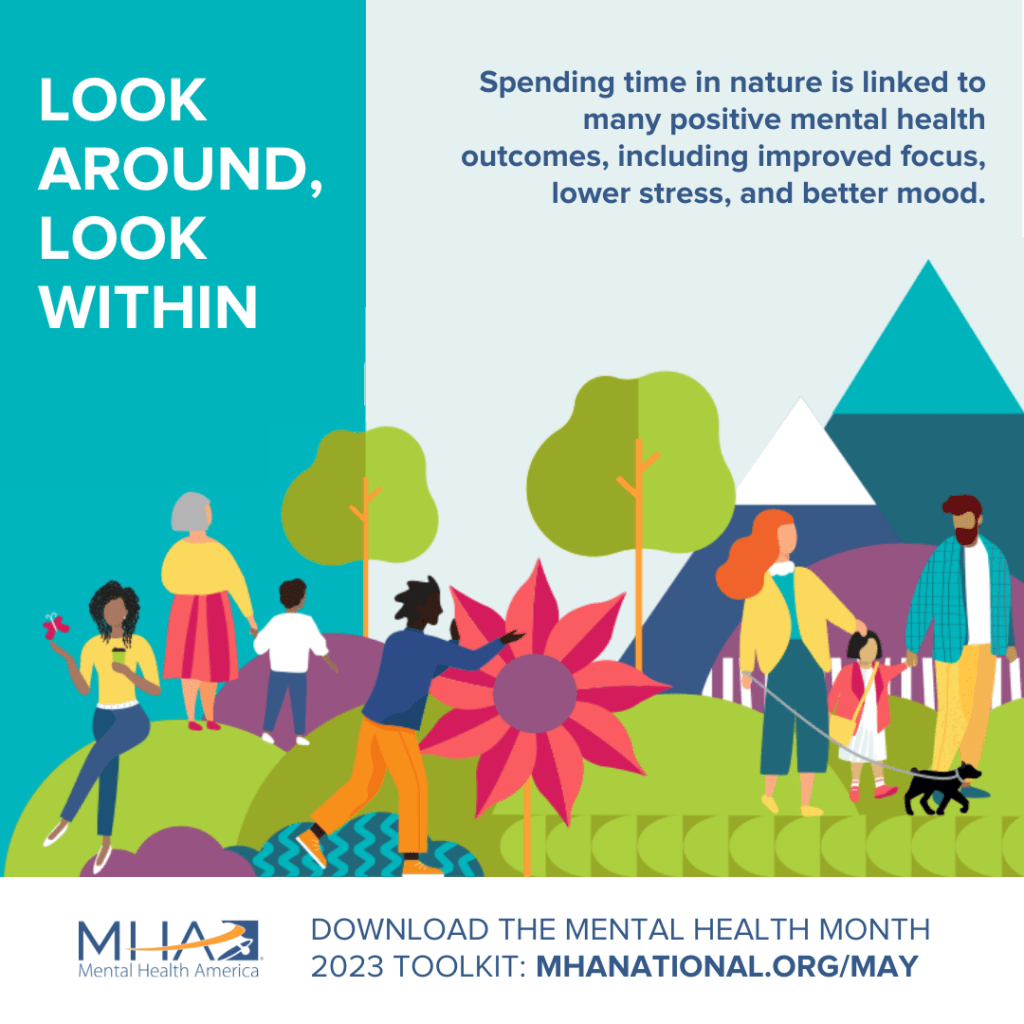
Unlock the Power of Nature: Elevate Your Mental Health with Mental Health America’s Exclusive Worksheet

Discover the transformative benefits of embracing the great outdoors and prioritize your mental health this Mental Health Awareness Month. Mental Health America’s exclusive worksheet, “Opening Your Mind to the Outdoors,” will guide you through powerful techniques to overcome motivational barriers and connect your goals to positive emotions.

Unleash the motivation within and unlock a path toward well-being. Download this worksheet now and embark on a journey of self-discovery and mental rejuvenation. Don’t miss out on this incredible opportunity to enhance your mental health and thrive in harmony with nature.


Stay Connected!