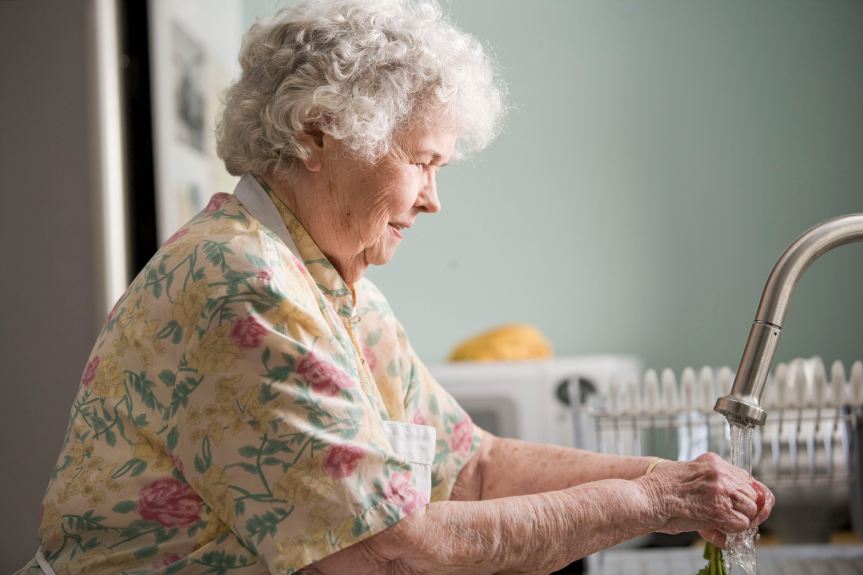
Nurturing Routine and Managing Overstimulation in Loved Ones with Alzheimer’s

By Roz Jones

As caregivers, we understand the challenges that come with caring for someone living with Alzheimer’s. The unpredictability, the emotional rollercoaster, and the ever-changing nature of the disease can be overwhelming. But fear not, because I’m here to share some valuable insights and strategies to help you navigate through these challenges.

Nurturing Routine

Establishing and maintaining a routine is fundamental when caring for individuals with Alzheimer’s. Predictability can provide a sense of security and comfort, even amidst the confusion and uncertainty caused by the disease. Here’s how you can build and maintain a routine:

  • Consistent Schedule: Establish a daily routine for meals, activities, and bedtime. Consistency helps in reducing anxiety and confusion for your loved one.
  • Visual Aids: Use visual cues like calendars, clocks, or whiteboards to help your loved one understand the daily schedule. Highlight important events or activities to reinforce the routine.
  • Simple and Familiar Tasks: Encourage participation in simple tasks or activities that they’re familiar with. It could be folding laundry, gardening, or listening to favorite music. These tasks can boost their confidence and sense of accomplishment.
  • Flexibility within Structure: While a routine is crucial, allow some flexibility. Be adaptable and understanding of changes that might occur due to their condition.
  • Patience and Encouragement: It’s essential to be patient and offer positive reinforcement. Celebrate small victories and reassure your loved one if they struggle with a task.

Remember, a routine can provide a sense of stability, but it’s equally important to approach it with flexibility and understanding.

Managing Overstimulation

Alzheimer’s can make individuals more sensitive to their surroundings, leading to overstimulation. Here’s how you can manage situations when your loved one feels overwhelmed:

  • Recognize Triggers: Be observant and identify triggers that cause distress. It could be loud noises, crowded places, or certain activities. Minimize exposure to these triggers whenever possible.
  • Create Calm Environments: Keep surroundings calm and organized. Reduce noise levels, avoid clutter, and ensure adequate lighting. Creating a peaceful atmosphere can help in managing overstimulation.
  • Offer Breaks and Distractions: When you notice signs of agitation, encourage breaks in a quieter space. Provide activities like reading, gentle walks, or soothing music to divert their attention.
  • Stay Attuned to Body Language: Pay attention to non-verbal cues. If you notice signs of agitation or discomfort, try to address the situation promptly.
  • Practice Relaxation Techniques: Consider incorporating relaxation techniques such as deep breathing exercises or gentle massages to help them relax when feeling overwhelmed.

Remember, every individual with Alzheimer’s is unique, and what works for one person may not work for another. It’s crucial to observe, adapt, and respond to their specific needs and preferences. As caregivers, your dedication and love make a significant difference in the lives of your loved ones. Take care of yourself too—seek support, take breaks, and don’t hesitate to ask for help when needed.

Stay strong, stay compassionate, and remember, you’re making an incredible difference in their lives every single day.


Shop The Caregiver Cafe E-Commerce Store!

We founded The Caregiver Cafe Shopify Store with one simple goal: to help you experiment with your passion while at the same time providing amazing prices. We were tired of cookie-cutter stores with lackluster selections, and boring gifts. Instead of offering a huge unoriginal collection, we carefully curate just a few unique pieces perfectly suited for people the taste buds like you.

We focus on items that get you excited about shopping again, as we believe buying online should always be fun!


Subscribe to The Caregiver Cafe Weekly Newsletter!

Caregiving can be a roller coaster of ups and downs. The information that you will receive from The Caregiver Cafe Weekly Specials Newsletter will support you as a caregiver. Remember…

1. YOU ARE NOT ALONE: The problems you face as a caregiver are experienced by other caregivers. Knowing that you’re not alone can be comforting. 

2. Tools and Resources:  Find caregiver stress management tools and gain perspective from other caregivers’ experiences.

3. LEARN TO: Ask for help, accept help when it is offered, and acknowledge yourself on this caregiving journey. Hear from experts on how to balance caregiving responsibilities by taking care of your needs and involving others to help manage the natural stress and isolation of being a caregiver. 

Traveling with Dementia: Strategies for a Positive Vacation Experience

By Roz Jones

Traveling with a loved one who has dementia requires careful planning and consideration. However, with the right strategies in place, it is possible to create a positive and enjoyable vacation experience for both the caregiver and your aging loved one. In this blog, we will explore practical tips and strategies to help caregivers navigate the challenges of traveling with someone living with dementia, ensuring a safe and memorable trip for everyone involved.

Choose the right destination and mode of transportation:

When planning a vacation with someone with dementia, it’s crucial to choose a destination and mode of transportation that aligns with their abilities and comfort level. Opt for familiar destinations or places that hold significant meaning for them. Consider the length of the journey and select a mode of transportation that is less stressful, such as traveling by car or choosing direct flights. Minimizing travel time and disruptions can help reduce anxiety and confusion.

Plan a familiar and structured itinerary:

Maintaining familiarity and structure can provide a sense of comfort and security for individuals with dementia. Plan activities and outings that are familiar and enjoyable to them. Incorporate familiar routines into the daily itinerary to provide a sense of continuity. Avoid overcrowded or noisy places that may overwhelm or agitate your loved one. By creating a familiar and structured itinerary, you can help reduce anxiety and increase the chances of a positive experience.

Pack essentials and necessary documents:

When traveling with someone with dementia, it’s important to pack essential items and necessary documents. Include their prescribed medications, a list of emergency contact numbers, identification cards, and medical records. Pack comfort items such as favorite blankets, pillows, or personal items that can provide a sense of familiarity and security. Keep these items easily accessible throughout the trip.

Maintain a familiar routine and familiarize with the surroundings:

Even in a new environment, maintaining a familiar routine can be beneficial for someone with dementia. Try to incorporate familiar activities and mealtimes into the daily schedule. Take time to familiarize yourself and your loved one with the surroundings, such as the layout of the accommodation, nearby facilities, and emergency exits. This can help reduce confusion and increase feelings of safety and familiarity.

Seek support and respite:

Traveling can be physically and emotionally demanding for caregivers. It’s important to seek support and respite whenever possible. Consider involving other family members or friends who can assist with caregiving responsibilities during the trip. Take breaks and allow yourself time for self-care. Utilize local support services or respite care options to ensure you have time to recharge and relax.

Traveling with someone with dementia requires careful planning, patience, and flexibility. By choosing the right destination, maintaining a familiar routine, packing essentials, and seeking support, caregivers can create a positive vacation experience for their loved ones. Remember to prioritize their comfort, safety, and enjoyment throughout the journey. With proper preparation and a person-centered approach, traveling with dementia can become a meaningful and cherished experience for both the caregiver and the person with dementia.

Planning a Summer Vacation with an Aging Loved One? Download the FREE Checklist!

Are you embarking on a summer vacation adventure with a loved one in need of care? Whether you’re a caregiver or know someone who is, we understand the unique challenges and considerations that come with vacationing while ensuring your loved one is safe..

Make your vacation experience stress-free and enjoyable for both you and your loved one, we’re excited to offer you a free downloadable checklist!

Stay Ahead of the Storm: Download Your Free Expert Storm Guide Now!

Photo by ALTEREDSNAPS on Pexels.com

As we know, June – November is Hurricane Season. As a family caregiver, there are many ways to prepare your loved ones for it. Early preparation helps reduce opportunities for stress and anxiety as storms approach.

One of the best ways to prepare is allowing your loved on to assist in packing their travel bag, checking their contact list and ensuring there are adequate emergency supplies.

Participation… not isolation… go a long way when preparing for major storms. This Seniors Storm Guide gives essential information to refer to again and again!