The Power of Connection, Community, and Conversation for Alzheimer’s Caregivers

By Roz Jones

Caring for someone with Alzheimer’s disease can be an incredibly challenging and emotionally demanding journey. Effective communication is one of the most powerful tools that caregivers have at their disposal. Establishing a strong connection with their loved ones can significantly enhance their quality of life, reduce anxiety, and foster a sense of trust. In this blog, we will delve into the importance of communication in Alzheimer’s caregiving and provide practical strategies to navigate this role with compassion and support. Additionally, we will discuss the latest news about Rosalynn Carter’s diagnosis of dementia, further emphasizing the need for awareness and support.

Understanding Communication Challenges:

Alzheimer’s disease progressively impairs cognitive abilities, including language, comprehension, and memory. This results in difficulties expressing thoughts and emotions, as well as understanding others. Recognizing these challenges is crucial for effective communication. It’s important to remember that behavior and communication skills may change over time, requiring adaptability and patience from caregivers. Recent news about Rosalynn Carter’s diagnosis of dementia highlights the importance of understanding these challenges and seeking appropriate support.

Non-Verbal Communication:

When verbal communication becomes challenging, non-verbal cues become invaluable in bridging the communication gap. Facial expressions, touch, and body language can convey love, comfort, and reassurance. Maintaining eye contact, using gentle gestures, and employing a calm and soothing tone of voice can help individuals with Alzheimer’s feel understood and valued, even if they struggle to find the right words. These techniques remain crucial in light of the recent news about Rosalynn Carter, as they emphasize the significance of alternative communication methods.

Simplify and Clarify:

As Alzheimer’s progresses, using simple and concise language becomes essential. Speaking slowly and clearly, allowing ample time for processing and response, is crucial. Visual aids, such as pictures or written cues, can enhance comprehension. Breaking down tasks and instructions into manageable steps, focusing on one concept at a time, helps simplify communication and encourages participation while reducing frustration. These strategies remain relevant in light of the recent news about Rosalynn Carter, as they remind us of the importance of adapting communication techniques to meet individuals’ evolving needs.

Active Listening and Validation:

Active listening and validating emotions are powerful ways to connect with individuals with Alzheimer’s. Showing genuine interest through eye contact and nodding in acknowledgment, and responding with empathy and understanding, holds tremendous value, even if their words seem confused or disconnected. Recent news about Rosalynn Carter’s diagnosis underscores the significance of active listening and validation, as they demonstrate the importance of empathetic responses to individuals living with dementia.

Seek Support and Education:

Being a caregiver is not a journey meant to be tackled alone. Seeking support from Alzheimer’s associations, local support groups, or online communities is crucial. These resources provide valuable advice, emotional support, and a safe space to share experiences with others who understand the challenges caregivers face. Educating oneself about the disease, its progression, and available resources empowers caregivers to provide better care. The news about Rosalynn Carter serves as a reminder that seeking support and education is essential for caregivers, regardless of their personal experiences.

Effective communication is a powerful tool for Alzheimer’s caregivers. Understanding the unique communication challenges that arise with the disease, employing non-verbal cues, simplifying language, actively listening, and seeking support are all crucial steps in enhancing the connection with loved ones and providing them with the care, comfort, and understanding they need. The recent news about Rosalynn Carter’s diagnosis further emphasizes the importance of awareness, support, and ongoing research in the field of dementia. By nurturing meaningful connections, caregivers can make a profound difference in the lives of those living with Alzheimer’s.

Stay Ahead of the Storm: Download Your Free Expert Storm Guide Now!

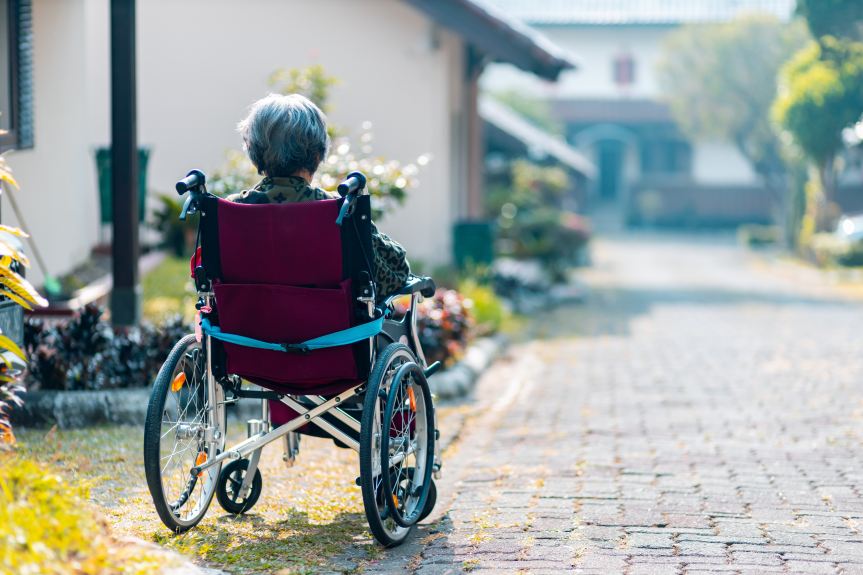
Photo by ALTEREDSNAPS on Pexels.com

As we know, June โ€“ November is Hurricane Season. As a family caregiver, there are many ways to prepare your loved ones for it. Early preparation helps reduce opportunities for stress and anxiety as storms approach.

One of the best ways to prepare is allowing your loved on to assist in packing their travel bag, checking their contact list and ensuring there are adequate emergency supplies.

Participationโ€ฆ not isolationโ€ฆ go a long way when preparing for major storms. This Seniors Storm Guide gives essential information to refer to again and again!


Stay Connected!

Unraveling Alzheimer’s: A Guide to Understanding the Disease and Its Impact on the Brain

By Roz Jones

Alzheimer’s disease is a complex and progressive neurodegenerative disorder that affects millions of individuals worldwide. It is the most common form of dementia, characterized by a decline in cognitive function, memory loss, and behavioral changes. It can be challenging for the patient as well as the caregiver taking care of them. Unraveling the mysteries surrounding Alzheimer’s is crucial not only for those directly affected but also for their families, caregivers, and the scientific community. In this comprehensive guide, we will delve into the nature of Alzheimer’s disease, its impact on the brain, and the ongoing efforts to understand and combat this debilitating condition.

Understanding Alzheimer’s Disease:

Alzheimer’s disease primarily affects the brain, gradually impairing its ability to function properly. The hallmark characteristics of the disease include the accumulation of two abnormal protein structures: beta-amyloid plaques and tau tangles. Beta-amyloid plaques build up between nerve cells, while tau tangles form inside the cells. These abnormal protein deposits disrupt communication between neurons, leading to the progressive deterioration of brain tissue.

Causes and Risk Factors:

Although the exact causes of Alzheimer’s disease remain elusive, researchers have identified several factors that may contribute to its development. Age is the most significant risk factor, with the majority of cases occurring in individuals over 65 years old. Genetics also play a role, as certain gene mutations have been associated with an increased risk of developing the disease. Additionally, lifestyle factors such as cardiovascular health, education, diet, and exercise may influence the risk of developing Alzheimer’s.

Prevalence among the Aging Population:

As the global population continues to age, Alzheimer’s disease has become a growing public health concern. Currently, it is estimated that over 50 million people worldwide are living with dementia, with Alzheimer’s accounting for approximately 60-80% of all cases. In the United States alone, it is the sixth leading cause of death. With the aging population projected to increase in the coming years, the prevalence of Alzheimer’s is expected to rise significantly, posing significant challenges for healthcare systems, families, and society as a whole.

Former First Lady Rosalynn Carter: A Dedicated Alzheimer’s Advocate:

Former First Lady Rosalynn Carter has been a dedicated advocate for Alzheimer’s disease awareness and support. She has made significant contributions to the field, especially through her work with The Rosalynn Carter Institute for Caregiving, a nonprofit organization she co-founded in 1984. The institute focuses on providing education, research, and support to caregivers, equipping them with the necessary tools and resources to navigate the complexities of caring for individuals with Alzheimer’s and other chronic illnesses.

In a deeply personal turn of events, Rosalynn Carter was recently diagnosed with dementia. Despite this diagnosis, she continues to inspire others through her unwavering dedication to the cause. Her own experience with the disease has further fueled her advocacy efforts, emphasizing the importance of early detection, caregiver support, and research for better treatment options.

Rosalynn Carter’s contributions to Alzheimer’s advocacy extend beyond national borders. She has actively participated in international platforms, sharing her expertise and raising awareness about the impact of Alzheimer’s disease on individuals, families, and communities. Her resilience and determination have helped destigmatize dementia and foster a more compassionate understanding of the challenges faced by those living with the condition.

Alzheimer’s disease remains a complex and devastating condition that affects individuals, families, and communities worldwide. By unraveling its mysteries, we can gain a deeper understanding of the disease’s nature, causes, and impact on the brain. Increased knowledge allows for early detection, intervention, and the development of effective treatments. Together, through continued research, support, and the advocacy efforts of individuals like Rosalynn Carter, we can strive towards a future where Alzheimer’s disease is no longer a burden but a conquered challenge.

Stay Ahead of the Storm: Download Your Free Expert Storm Guide Now!

Photo by ALTEREDSNAPS on Pexels.com

As we know, June โ€“ November is Hurricane Season. As a family caregiver, there are many ways to prepare your loved ones for it. Early preparation helps reduce opportunities for stress and anxiety as storms approach.

One of the best ways to prepare is allowing your loved on to assist in packing their travel bag, checking their contact list and ensuring there are adequate emergency supplies.

Participationโ€ฆ not isolationโ€ฆ go a long way when preparing for major storms. This Seniors Storm Guide gives essential information to refer to again and again!


Stay Connected!