
Solo Aging Safely: Home Modifications and Emergency Planning

By Roz Jones

As caregivers, one of our most important roles is ensuring our aging loved ones are safe in their homes. I’ve been there myself, wondering if a loved one’s environment is truly set up for their safety and independence. For solo agers, this takes on an even greater importance because their home is their haven—it’s where they feel most comfortable and secure.

This week, I’m sharing some practical steps we can take to make our loved ones’ homes safer and to prepare for emergencies. These changes aren’t just about safety; they’re about giving both our loved ones and ourselves peace of mind.

Why Safety and Preparedness Matter

When we think about solo aging, safety and emergency planning are at the heart of ensuring our loved ones can maintain their independence. By taking proactive steps, we reduce risks and create a home environment that supports their physical well-being and emotional confidence.

Key Tips for Home Safety and Emergency Preparedness

  1. Install Grab Bars and Railings:
    Simple additions like grab bars in bathrooms and railings on stairs can prevent falls, which are one of the most common accidents for solo agers.
  2. Create a Clutter-Free Environment:
    Encourage your loved ones to keep walkways clear of clutter, cords, or loose rugs to minimize tripping hazards.
  3. Upgrade Lighting:
    Bright, well-placed lighting can make a huge difference, especially in hallways, stairwells, and bathrooms. Motion-sensor lights are a great option.
  4. Build an Emergency Kit:
    Together, let’s assemble a kit with essential items like medications, a flashlight, extra batteries, a first aid kit, and important documents. Store it in an easily accessible place.
  5. Develop a Care Plan:
    Work with your loved one to create a detailed care plan that includes emergency contacts, medical information, and a list of trusted neighbors or friends who can assist in urgent situations.
  6. Consider Home Monitoring Systems:
    Technology like medical alert systems or smart security cameras can provide added peace of mind. These tools ensure your loved ones have help available at the push of a button if they need it.

Let’s Prepare Together

Making these changes doesn’t have to happen all at once, but starting with small steps today can make a big difference in the long run. Together, we can create a safe and secure environment for our aging loved ones, giving them the confidence to live independently while knowing help is always close at hand. Have you checked out my previous blog Financial Wellness for Solo Agers: Planning Ahead with Confidence? Check it out for strategies that can help your loved ones feel secure and confident in their financial future. Even small steps can make a huge difference!

Subscribe to The Caregiver Cafe Weekly Newsletter!

Caregiving can be a roller coaster of ups and downs. The information that you will receive from The Caregiver Cafe Weekly Specials Newsletter will support you as a caregiver. Remember…

1. YOU ARE NOT ALONE: The problems you face as a caregiver are experienced by other caregivers. Knowing that you’re not alone can be comforting. 

2. Tools and Resources:  Find caregiver stress management tools and gain perspective from other caregiver’s experiences.

3. LEARN TO: Ask for help, accept help when it is offered, and acknowledge yourself on this caregiving journey. Hear from experts on how to balance caregiving responsibilities by taking care of your needs and involving others to help manage the natural stress and isolation of being a caregiver. 

Financial Wellness for Solo Agers: Planning Ahead with Confidence

By Roz Jones

As caregivers, one of our biggest responsibilities—and privileges—is helping our aging loved ones feel secure in their independence. Financial stability is at the heart of this security. I know from personal experience how overwhelming it can feel to tackle finances, but I also know that planning ahead makes all the difference.

This week, I want to share some practical steps we can take to guide our aging loved ones toward financial wellness. Together, we can help them live with confidence, knowing their resources will support them throughout their journey of solo aging.

Why Financial Wellness Matters for Solo Agers

For our aging loved ones, financial wellness provides a foundation for independence and peace of mind. Without a spouse or immediate family nearby, solo agers often need to rely on their financial plans to ensure they can handle unexpected situations, medical needs, or long-term care. By planning ahead, we can help them reduce stress and focus on living their best lives.

Key Strategies for Financial Wellness

  1. Budgeting for Everyday Expenses:
    We can sit down with our loved ones to create a simple budget that covers their essentials—housing, utilities, groceries, and health needs—while leaving room for emergencies. A clear picture of their finances can help them feel in control.
  2. Managing Medical Costs:
    I’ve seen how medical expenses can sneak up on families. Let’s explore their health insurance options together, including Medicare or Medicaid, and look into programs that can reduce the cost of prescriptions or medical services.
  3. Long-Term Care Planning:
    Talking about long-term care can feel daunting, but it’s one of the most important conversations we can have. Whether it’s planning for in-home care, assisted living, or nursing facilities, it’s important to know their preferences and explore insurance options that can ease the burden of future costs.
  4. Updating Estate Documents:
    This is something I’ve encouraged every family I work with to prioritize. Wills, powers of attorney, and beneficiary designations should reflect their current wishes. This ensures their plans are carried out exactly as they want.
  5. Accessing Financial Resources:
    There are so many programs out there to support aging loved ones, but finding them can be a challenge. Together, we can research property tax reductions, food assistance, and other resources in their community.

Empowering Aging Loved Ones Through Financial Planning

I’ve learned that financial planning isn’t just about managing money—it’s about empowering our loved ones to live independently and confidently. By working together on these steps, we can give them the tools they need to thrive as they age solo. Have you read my previous blog Digital Tools to Enhance Solo Living? Check it out now for tips on digital tools your aging loved one can use to enhance their time living alone!

Subscribe to The Caregiver Cafe Weekly Newsletter!

Caregiving can be a roller coaster of ups and downs. The information that you will receive from The Caregiver Cafe Weekly Specials Newsletter will support you as a caregiver. Remember…

1. YOU ARE NOT ALONE: The problems you face as a caregiver are experienced by other caregivers. Knowing that you’re not alone can be comforting. 

2. Tools and Resources:  Find caregiver stress management tools and gain perspective from other caregiver’s experiences.

3. LEARN TO: Ask for help, accept help when it is offered, and acknowledge yourself on this caregiving journey. Hear from experts on how to balance caregiving responsibilities by taking care of your needs and involving others to help manage the natural stress and isolation of being a caregiver. 

Digital Tools to Enhance Solo Living

By Roz Jones

As caregivers, one of the greatest gifts we can offer our aging loved ones is the ability to maintain their independence while ensuring they remain safe, connected, and supported. In today’s digital world, technology is a powerful ally in making this possible. From health monitoring devices to virtual companionship tools, the right tech solutions can significantly enhance the lives of solo agers.

However, many older adults may feel hesitant about adopting new technology. The good news is that with patience, encouragement, and the right tools, caregivers can help their loved ones embrace tech-savvy aging with confidence.

Why Technology Matters for Solo Agers

For those navigating solo aging, technology serves as both a safety net and a connection lifeline. It allows individuals to stay in touch with loved ones, access essential services, and manage health needs more effectively. By incorporating digital tools into their lives, solo agers can maintain autonomy while reducing the risks associated with aging alone.

Key Tools for Tech-Savvy Aging

  1. Video Calling Apps
    Platforms like Zoom, FaceTime, and WhatsApp make it easy for solo agers to connect with family and friends. Video calls provide more meaningful interactions than phone calls, helping combat feelings of isolation.
  2. Telemedicine Services
    With telemedicine, solo agers can consult doctors and specialists without leaving their homes. Platforms like Teladoc and MyChart make managing health care appointments and follow-ups more convenient than ever.
  3. Wearable Health Devices
    Smartwatches and fitness trackers, such as Fitbit or Apple Watch, can monitor vital signs like heart rate and physical activity. Some devices even alert caregivers or emergency contacts if unusual health patterns are detected.
  4. Home Safety Technology
    Devices like smart doorbells, motion-sensor lighting, and medical alert systems provide security and peace of mind. For example, products like Life Alert can summon help with the push of a button during emergencies.
  5. Meal Delivery and Grocery Apps
    Apps like Instacart or services like Meals on Wheels ensure solo agers have access to nutritious meals and groceries, even if mobility or transportation is a challenge.

Overcoming Tech Hesitancy

Introducing technology to aging loved ones requires a thoughtful approach. Here are a few tips to ease the transition:

  • Start Small: Begin with simple tools like video calling or digital photo frames that bring immediate joy.
  • Provide Hands-On Support: Set aside time to walk them through using devices or apps. Repetition and patience are key!
  • Highlight the Benefits: Focus on how technology can make their lives easier, safer, and more connected.
  • Choose User-Friendly Options: Opt for devices designed with seniors in mind, like large buttons and intuitive interfaces.

A Caregiver’s Role in Tech-Savvy Aging

As a caregiver, you play a crucial role in helping your loved ones embrace technology. From researching suitable tools to providing ongoing support, your efforts can help them lead more independent and fulfilling lives. Have you read my previous blog Building a Network of Support for Solo Aging? If not, check it out for more tips and information to help your aging loved one.

Subscribe to The Caregiver Cafe Weekly Newsletter!

Caregiving can be a roller coaster of ups and downs. The information that you will receive from The Caregiver Cafe Weekly Specials Newsletter will support you as a caregiver. Remember…

1. YOU ARE NOT ALONE: The problems you face as a caregiver are experienced by other caregivers. Knowing that you’re not alone can be comforting. 

2. Tools and Resources:  Find caregiver stress management tools and gain perspective from other caregiver’s experiences.

3. LEARN TO: Ask for help, accept help when it is offered, and acknowledge yourself on this caregiving journey. Hear from experts on how to balance caregiving responsibilities by taking care of your needs and involving others to help manage the natural stress and isolation of being a caregiver. 
Building a Network of Support while Solo Aging

By Roz Jones

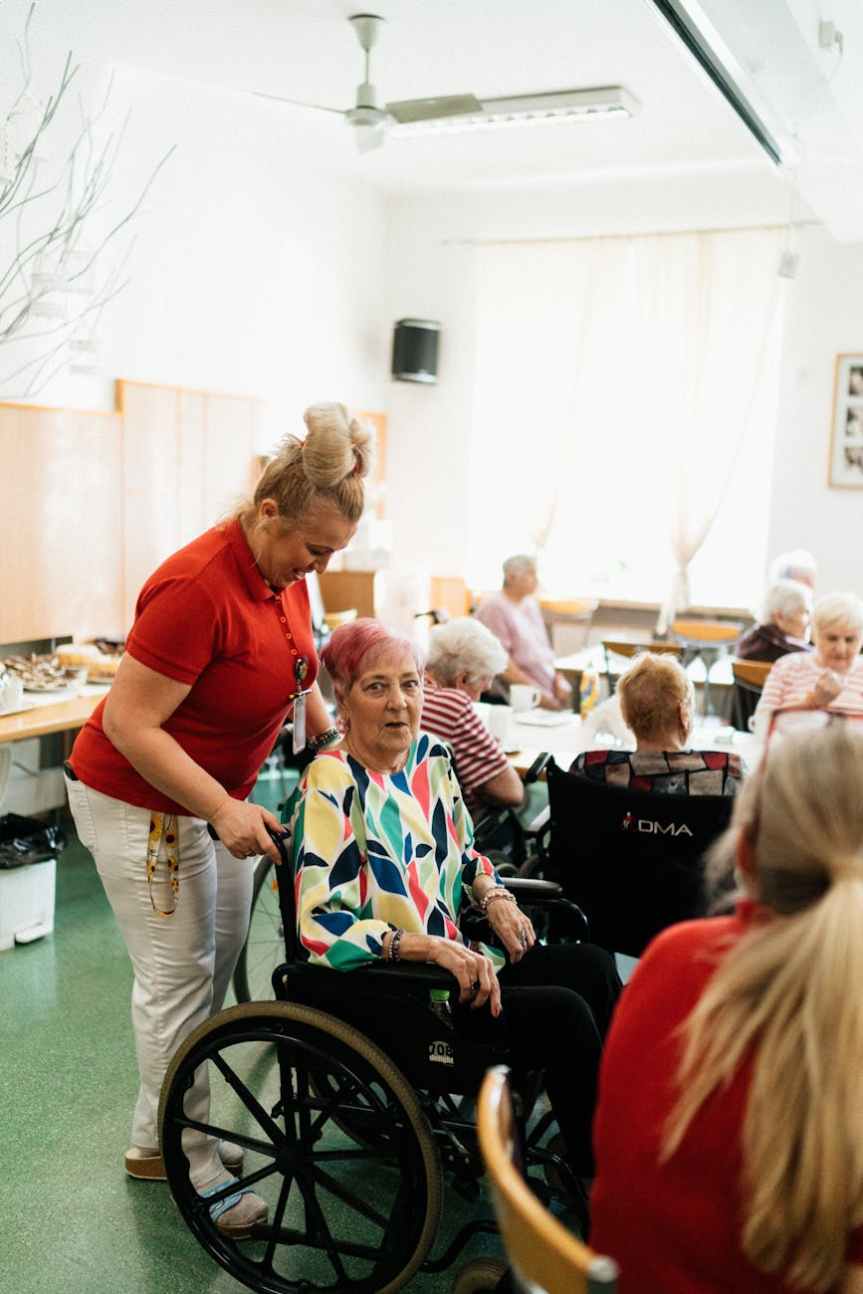
As the new year begins, it’s the perfect time to focus on the health and happiness of our aging loved ones. For those navigating solo aging, a strong support network is the cornerstone of independence, resilience, and joy. Building this network takes intention, but with a few key strategies, caregivers can help their loved ones thrive.

Why a Support Network Matters for Solo Agers

Solo aging offers unique opportunities for independence, but it can also lead to feelings of isolation. Without a reliable support system, tasks like managing health appointments, running errands, or simply finding companionship can become overwhelming. Building a network ensures your loved one has the resources and relationships they need to maintain their quality of life.

How Caregivers Can Help Build a Network of Support

  1. Encourage Participation in Local Senior Programs
    Local senior centers often host events, classes, and support groups designed to foster social interaction. Encourage your loved one to explore options like book clubs, fitness classes, or craft workshops. Many communities also have volunteer opportunities that can help seniors stay engaged while giving back.
  2. Facilitate Connection with Neighbors
    Sometimes, the best support comes from just next door. Help your loved one introduce themselves to neighbors or attend neighborhood gatherings. Knowing the people nearby can provide a sense of safety and belonging.
  3. Use Technology to Stay Connected
    From video calls to online forums, technology bridges the gap for seniors who may have mobility or transportation limitations. Introduce your loved one to user-friendly platforms like Zoom or FaceTime and explore community-oriented apps where they can engage with others.
  4. Leverage Community Resources
    Research organizations like Meals on Wheels, local churches, or community nonprofits that offer resources for seniors. These services can provide meals, transportation, or companionship programs that make life easier for solo agers.
  5. Create a Social Calendar
    Encourage your loved one to maintain an active social life by planning weekly or monthly activities. Whether it’s a lunch date with a friend, a trip to the museum, or a yoga class, consistent interaction helps combat loneliness and keeps them engaged.

Tools to Combat Loneliness and Maintain Social Health

  • Pet Therapy: Consider adopting a pet or arranging pet therapy visits to bring companionship and joy.
  • Virtual Classes: Many organizations offer virtual yoga, art, or language classes tailored to seniors.
  • Regular Check-ins: Schedule calls or visits with family and friends to keep the lines of communication open.

By helping your loved one establish a strong support network, you’re empowering them to enjoy the freedom of solo aging while minimizing its challenges. Check out my previous blog Thriving Alone While Aging with Grace and Independence for more tips on Solo Aging.

Subscribe to The Caregiver Cafe Weekly Newsletter!

Caregiving can be a roller coaster of ups and downs. The information that you will receive from The Caregiver Cafe Weekly Specials Newsletter will support you as a caregiver. Remember…

1. YOU ARE NOT ALONE: The problems you face as a caregiver are experienced by other caregivers. Knowing that you’re not alone can be comforting. 

2. Tools and Resources:  Find caregiver stress management tools and gain perspective from other caregiver’s experiences.

3. LEARN TO: Ask for help, accept help when it is offered, and acknowledge yourself on this caregiving journey. Hear from experts on how to balance caregiving responsibilities by taking care of your needs and involving others to help manage the natural stress and isolation of being a caregiver. 

Thriving Alone While Aging with Grace and Independence

By Roz Jones

Are you or a loved one considering the journey of solo aging? In an era where personal choice is paramount, many seniors are embracing solo aging as a means of maintaining control and independence in their golden years. This path brings with it unique considerations, challenges, and opportunities, inviting individuals to chart a course towards dignified and resilient aging.

Embracing the Freedom of Solo Aging

Solo aging offers a canvas of freedom and self-determination. It liberates individuals from the expectations of communal living, allowing autonomy over daily choices and routines. This independence is a cornerstone, while the ability to seek support when needed fosters a sense of empowerment and self-reliance.

Addressing the Realities of Solo Aging

While solo aging empowers individuals, it does pose certain challenges. The absence of immediate social support can lead to feelings of isolation or loneliness. Managing health needs, appointments, and daily tasks without assistance or accessible transportation may require proactive planning. Additionally, ensuring adequate care, akin to institutional settings, can present hurdles.

Preparing Strategically for Solo Aging

Preparing for solo aging involves careful planning, proactive decision-making, and establishing a supportive network to navigate this phase of life confidently. Each step taken towards preparedness contributes significantly to a fulfilling and empowered journey of aging alone here are a few practical strategies to help your aging loved one feel better prepared for the solo aging journey.

  1. Create a Comprehensive Support Network: Besides family and friends, consider joining local community groups, senior centers, or online forums geared toward solo agers. These networks can provide companionship, valuable advice, and a sense of community.
  2. Explore Technology and Telehealth: Embrace technology to stay connected with loved ones and access telehealth services. Familiarize yourself or your loved one with video calling apps, telemedicine platforms, and wearable health devices for monitoring vital signs.
  3. Advance Care Planning: Prepare advanced directives and a durable power of attorney for healthcare, outlining preferences for medical care and appointing someone trusted to make decisions if needed. Ensure these documents are legally binding and accessible when required.
  4. Home Safety Modifications: Assess and modify the living environment for safety and convenience. Consider installing grab bars, ramps, adequate lighting, and other necessary adaptations to ensure a comfortable and secure home.
  5. Financial Planning and Legal Affairs: Seek advice from financial advisors or elder law attorneys to organize finances, set up trusts, update wills, and address estate planning matters. Plan for long-term care insurance or explore Medicaid eligibility if applicable.
  6. Emergency Preparedness: Create an emergency plan that includes contacts, medical information, and essential supplies in case of unexpected situations. Keep a readily accessible emergency kit with necessary medications, documents, and contact information.

By following these tips and strategies, individuals can navigate solo aging with resilience, independence, and a strong foundation for the future. 

Embracing Solo Aging with Confidence

Solo aging embodies the spirit of independence and choice. While it may entail certain challenges, meticulous planning and foresight can ensure a journey marked by dignity, strength, and self-sufficiency. Approach solo aging with confidence, knowing that with adequate preparation, you can navigate this path gracefully, preserving autonomy while availing yourself of necessary assistance.

Choosing solo aging is a decision that requires careful contemplation and proactive preparation. With the right approach, anyone can embrace this phase of life with grace, dignity, and a steadfast commitment to self-determination.


Click here to revisit the previous blog and further explore the nuances of solo aging.


Shop The Caregiver Cafe E-Commerce Store!

We founded The Caregiver Cafe Shopify Store with one simple goal: to help you experiment with your passion while at the same time providing amazing prices. We were tired of cookie-cutter stores with lackluster selections, and boring gifts. Instead of offering a huge unoriginal collection, we carefully curate just a few unique pieces perfectly suited for people the taste buds like you.

We focus on items that get you excited about shopping again, as we believe buying online should always be fun!


The Impact of Caregiving On Employment

Caregiving can impact employment by reducing work hours, causing career disruptions, and leading to financial strain. 

Caregivers may face discrimination, struggle with work-life balance, and experience health issues. 

Supportive measures are needed to help caregivers manage their responsibilities while maintaining their employment and well-being.

In this episode, I get into how juggling caregiving and employment can have a toll on caregivers. 

Subscribe to The Caregiver Cafe Weekly Newsletter!

Caregiving can be a roller coaster of ups and downs. The information that you will receive from The Caregiver Cafe Weekly Specials Newsletter will support you as a caregiver. Remember…

1. YOU ARE NOT ALONE: The problems you face as a caregiver are experienced by other caregivers. Knowing that you’re not alone can be comforting. 

2. Tools and Resources:  Find caregiver stress management tools and gain perspective from other caregiver’s experiences.

3. LEARN TO: Ask for help, accept help when it is offered, and acknowledge yourself on this caregiving journey. Hear from experts on how to balance caregiving responsibilities by taking care of your needs and involving others to help manage the natural stress and isolation of being a caregiver.