

By Roz Jones
As we age, our physical and mental health can decline, making it difficult to complete daily tasks without assistance. Family members and loved ones may step in as caregivers to provide support and ensure the well-being of older adults. However, caregiving can take a toll on one’s mental health, and it’s important to recognize the signs and seek support to prevent caregiver burnout.
In this blog, we will discuss the relationship between mental health and caregiving for older adults, and provide tips and resources for maintaining good mental health while providing care.
The Impact of Caregiving on Mental Health
Caregiving can be a rewarding experience, but it can also be stressful and emotionally draining. Many caregivers face a significant amount of stress and anxiety, which can take a toll on their mental health over time. According to the Family Caregiver Alliance, caregivers are at higher risk for depression and anxiety than non-caregivers.
Caregivers may also experience feelings of guilt, frustration, and burnout, as they strive to provide the best care possible for their loved one. The demands of caregiving can lead to a lack of sleep, social isolation, and neglecting one’s own physical and emotional needs, which can have a negative impact on mental health.
Tips for Maintaining Good Mental Health while Caregiving
It’s essential to prioritize self-care while caregiving for older adults. This can include seeking support from family and friends, joining a support group, or seeking professional counseling. It’s also important to take breaks and engage in activities that bring joy and relaxation.
Another tip is to stay organized and create a routine. This can help to reduce stress and anxiety by creating a sense of structure and predictability in the caregiving role. It’s also important to communicate with the older adult being cared for about their needs and preferences and to involve them in decision-making whenever possible.
Resources for Caregivers
There are a variety of resources available to support caregivers and their mental health. The National Alliance for Caregiving offers online support groups, caregiver education, and resources for financial and legal assistance. The Family Caregiver Alliance provides information and resources on caregiver health and wellness, as well as advocacy and policy efforts.
Caring for older adults can be a rewarding experience, but it can also take a toll on one’s mental health. It’s important to recognize the signs of caregiver burnout and prioritize self-care while providing care. By seeking support and utilizing resources, caregivers can maintain good mental health and provide effective care for their loved ones.
Unlock Your Mental Well-being: Take the First Step with a Mental Health Screening
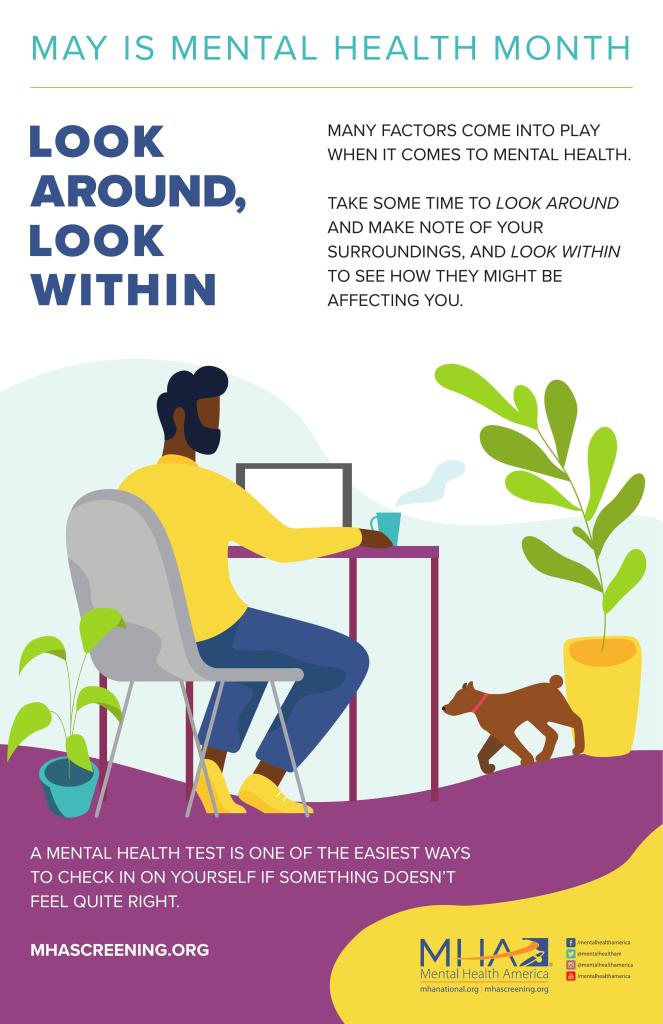
Unlock the potential for a healthier and happier you this Mental Health Awareness Month. Start your journey towards emotional well-being by taking a decisive step with a mental health screening at MHAScreening.org. Much like a regular physical check-up, a mental health screening provides an invaluable opportunity to assess and address any underlying concerns. Don’t ignore that nagging feeling that something isn’t quite right—take action and prioritize your mental health today.
This mental health screening covers a wide range of important topics, including stress management, anxiety, depression, and more. Whether you’ve been experiencing persistent feelings of unease or simply want to gain a deeper understanding of your emotions, this screening is a vital tool to help you regain control of your mental health. Don’t let concerns go unaddressed or escalate into something more challenging to manage. Visit MHAScreening.org now, and unlock the power of self-awareness and proactive well-being. Together, let’s break down the barriers surrounding mental health and embark on a transformative journey toward a brighter future.



 The Caregiver Cafe