
Navigating Boundaries When Caregiving for a Former Spouse

By Roz Jones

When you become a caregiver for a former spouse, it can be difficult to know how to navigate the boundaries of your new relationship. On one hand, you may feel a sense of obligation to provide care for someone you once loved and shared a life with. On the other hand, you may struggle to maintain healthy boundaries and prioritize your own needs while caregiving. In this blog, we’ll discuss some tips for navigating boundaries when caregiving for a former spouse.

Define your caregiving role. Before you begin caregiving, it’s important to have a clear understanding of what your role will entail. Discuss expectations and boundaries with your former spouse, and make sure you both have a clear understanding of what you can and cannot provide.

Set boundaries for communication. It’s important to establish clear boundaries around communication, especially if your former spouse is struggling with an illness that may affect their emotional state. Decide how often you will communicate and what types of communication are appropriate.

Make time for yourself. Caregiving can be emotionally and physically taxing, and it’s important to prioritize your own self-care. Make time for yourself, whether it’s by taking a walk, engaging in a hobby, or spending time with friends.

Seek support. Caregiving can be isolating, especially if you are caring for a former spouse. Seek support from friends, family, or a therapist to help you cope with the challenges of caregiving.

Consider legal and financial boundaries. Depending on your situation, it may be necessary to set legal and financial boundaries to protect yourself and your former spouse. Consult with a lawyer or financial advisor to understand your options.

By setting clear boundaries and prioritizing your own needs, you can navigate the challenges of caregiving for a former spouse with greater ease and confidence. Remember that caregiving is a difficult but noble role and that taking care of yourself is just as important as taking care of your loved one.

Unlock and Shape Your Home’s Environment for Your Mental Health
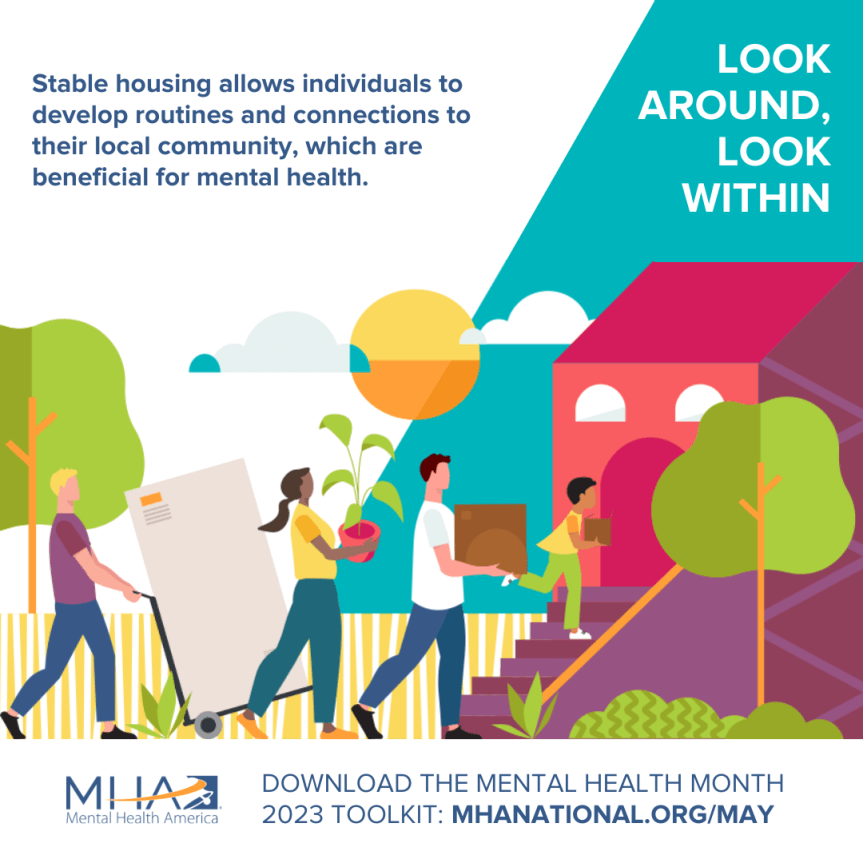
Discover the power of your surroundings with Mental Health America’s worksheet designed to transform your home into a nurturing and uplifting sanctuary. In this interactive guide, you’ll explore the profound impact your living space has on your mental well-being and learn practical steps to optimize your home environment for greater tranquility and happiness. From simple decluttering techniques to incorporating soothing elements, this worksheet will empower you to create a harmonious atmosphere that promotes mental health and rejuvenation. Don’t miss out on this opportunity to shape your surroundings and cultivate a space that supports your emotional well-being. Complete the worksheet today and embark on a journey to transform your home into a haven of serenity and positivity.

Stay Connected!

Help! I Don’t Feel Like Caregiving: 5 Simple Self-Care Practices for Caregivers to Recharge and Refresh

By Roz Jones

Being a caregiver can be an incredibly rewarding experience, but it can also be a challenging and emotionally draining one. There are some days when you may feel overwhelmed, frustrated, or just plain exhausted from the demands of caring for a loved one. On those days, it can be tempting to step back and take a break from your caregiving duties, but what do you do when you can’t?

It’s important to recognize that it’s okay to have days when you don’t want to be bothered with caregiving. Feeling burnt out or emotionally drained is a normal part of the caregiving experience, and it’s essential to prioritize your own mental and physical health. However, it’s also important to remember that caregiving is a responsibility that can’t be ignored or put off indefinitely.

Here are some tips for coping with those days when you don’t want to be bothered with caregiving:

  1. Take a mental health day: Just like any other job, it’s okay to take a day off from caregiving to focus on your own well-being. Use this time to rest, recharge, and engage in activities that bring you joy and relaxation.
  2. Reach out for support: Don’t be afraid to ask for help from friends, family, or community resources. Enlisting the support of others can help alleviate some of the stress and responsibilities of caregiving, and provide you with the opportunity to take a break.
  3. Practice self-care: Prioritizing your own self-care is essential to maintaining your mental and physical health. Engage in activities that make you feel good, such as exercise, meditation, or spending time with loved ones.
  4. Consider professional caregiving assistance: Professional caregivers can offer support and assistance with the daily tasks of caregiving, allowing you to take a step back and focus on your own well-being.
  5. Seek counseling: Talking to a therapist or counselor can provide you with the tools and strategies to cope with the emotional challenges of caregiving, and offer a safe space to express your feelings and concerns.

Remember, there will be days when you don’t want to be bothered with caregiving, and that’s okay. Prioritizing your own mental and physical health is essential to being an effective and compassionate caregiver. By taking care of yourself, you’ll be better equipped to care for your loved one in the long run.


Unlock Your Mental Well-being: Take the First Step with a Mental Health Screening

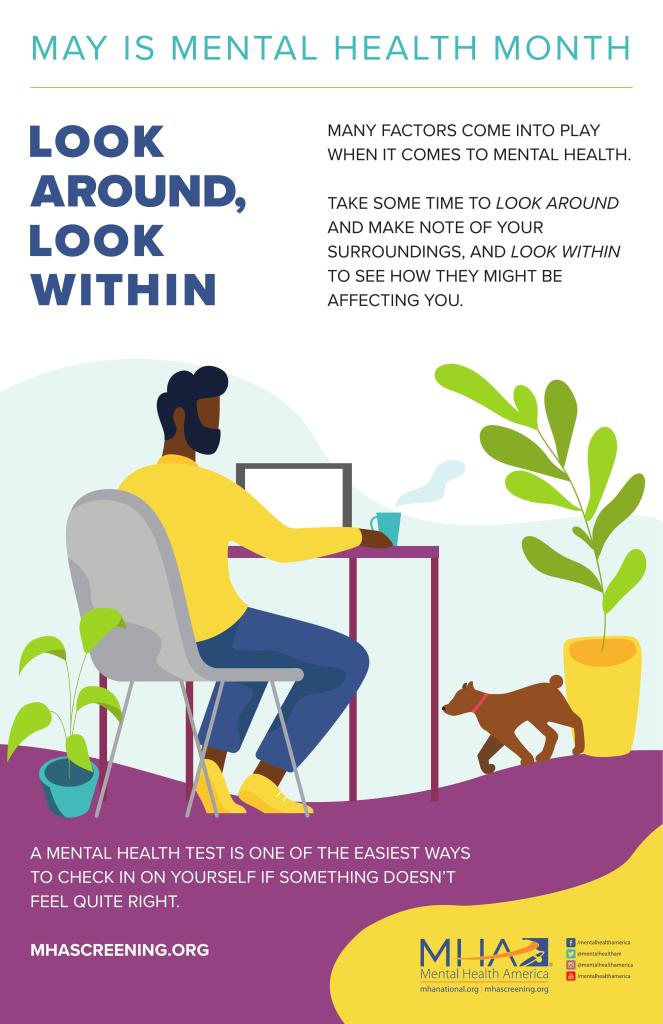
Unlock the potential for a healthier and happier you this Mental Health Awareness Month. Start your journey towards emotional well-being by taking a decisive step with a mental health screening at MHAScreening.org. Much like a regular physical check-up, a mental health screening provides an invaluable opportunity to assess and address any underlying concerns. Don’t ignore that nagging feeling that something isn’t quite rightโ€”take action and prioritize your mental health today.

This mental health screening covers a wide range of important topics, including stress management, anxiety, depression, and more. Whether you’ve been experiencing persistent feelings of unease or simply want to gain a deeper understanding of your emotions, this screening is a vital tool to help you regain control of your mental health. Don’t let concerns go unaddressed or escalate into something more challenging to manage. Visit MHAScreening.org now, and unlock the power of self-awareness and proactive well-being. Together, let’s break down the barriers surrounding mental health and embark on a transformative journey toward a brighter future.


Stay Connected!