
Solo Aging Safely: Home Modifications and Emergency Planning

By Roz Jones

As caregivers, one of our most important roles is ensuring our aging loved ones are safe in their homes. I’ve been there myself, wondering if a loved one’s environment is truly set up for their safety and independence. For solo agers, this takes on an even greater importance because their home is their haven—it’s where they feel most comfortable and secure.

This week, I’m sharing some practical steps we can take to make our loved ones’ homes safer and to prepare for emergencies. These changes aren’t just about safety; they’re about giving both our loved ones and ourselves peace of mind.

Why Safety and Preparedness Matter

When we think about solo aging, safety and emergency planning are at the heart of ensuring our loved ones can maintain their independence. By taking proactive steps, we reduce risks and create a home environment that supports their physical well-being and emotional confidence.

Key Tips for Home Safety and Emergency Preparedness

  1. Install Grab Bars and Railings:
    Simple additions like grab bars in bathrooms and railings on stairs can prevent falls, which are one of the most common accidents for solo agers.
  2. Create a Clutter-Free Environment:
    Encourage your loved ones to keep walkways clear of clutter, cords, or loose rugs to minimize tripping hazards.
  3. Upgrade Lighting:
    Bright, well-placed lighting can make a huge difference, especially in hallways, stairwells, and bathrooms. Motion-sensor lights are a great option.
  4. Build an Emergency Kit:
    Together, let’s assemble a kit with essential items like medications, a flashlight, extra batteries, a first aid kit, and important documents. Store it in an easily accessible place.
  5. Develop a Care Plan:
    Work with your loved one to create a detailed care plan that includes emergency contacts, medical information, and a list of trusted neighbors or friends who can assist in urgent situations.
  6. Consider Home Monitoring Systems:
    Technology like medical alert systems or smart security cameras can provide added peace of mind. These tools ensure your loved ones have help available at the push of a button if they need it.

Let’s Prepare Together

Making these changes doesn’t have to happen all at once, but starting with small steps today can make a big difference in the long run. Together, we can create a safe and secure environment for our aging loved ones, giving them the confidence to live independently while knowing help is always close at hand. Have you checked out my previous blog Financial Wellness for Solo Agers: Planning Ahead with Confidence? Check it out for strategies that can help your loved ones feel secure and confident in their financial future. Even small steps can make a huge difference!

Subscribe to The Caregiver Cafe Weekly Newsletter!

Caregiving can be a roller coaster of ups and downs. The information that you will receive from The Caregiver Cafe Weekly Specials Newsletter will support you as a caregiver. Remember…

1. YOU ARE NOT ALONE: The problems you face as a caregiver are experienced by other caregivers. Knowing that you’re not alone can be comforting. 

2. Tools and Resources:  Find caregiver stress management tools and gain perspective from other caregiver’s experiences.

3. LEARN TO: Ask for help, accept help when it is offered, and acknowledge yourself on this caregiving journey. Hear from experts on how to balance caregiving responsibilities by taking care of your needs and involving others to help manage the natural stress and isolation of being a caregiver. 

Financial Wellness for Solo Agers: Planning Ahead with Confidence

By Roz Jones

As caregivers, one of our biggest responsibilities—and privileges—is helping our aging loved ones feel secure in their independence. Financial stability is at the heart of this security. I know from personal experience how overwhelming it can feel to tackle finances, but I also know that planning ahead makes all the difference.

This week, I want to share some practical steps we can take to guide our aging loved ones toward financial wellness. Together, we can help them live with confidence, knowing their resources will support them throughout their journey of solo aging.

Why Financial Wellness Matters for Solo Agers

For our aging loved ones, financial wellness provides a foundation for independence and peace of mind. Without a spouse or immediate family nearby, solo agers often need to rely on their financial plans to ensure they can handle unexpected situations, medical needs, or long-term care. By planning ahead, we can help them reduce stress and focus on living their best lives.

Key Strategies for Financial Wellness

  1. Budgeting for Everyday Expenses:
    We can sit down with our loved ones to create a simple budget that covers their essentials—housing, utilities, groceries, and health needs—while leaving room for emergencies. A clear picture of their finances can help them feel in control.
  2. Managing Medical Costs:
    I’ve seen how medical expenses can sneak up on families. Let’s explore their health insurance options together, including Medicare or Medicaid, and look into programs that can reduce the cost of prescriptions or medical services.
  3. Long-Term Care Planning:
    Talking about long-term care can feel daunting, but it’s one of the most important conversations we can have. Whether it’s planning for in-home care, assisted living, or nursing facilities, it’s important to know their preferences and explore insurance options that can ease the burden of future costs.
  4. Updating Estate Documents:
    This is something I’ve encouraged every family I work with to prioritize. Wills, powers of attorney, and beneficiary designations should reflect their current wishes. This ensures their plans are carried out exactly as they want.
  5. Accessing Financial Resources:
    There are so many programs out there to support aging loved ones, but finding them can be a challenge. Together, we can research property tax reductions, food assistance, and other resources in their community.

Empowering Aging Loved Ones Through Financial Planning

I’ve learned that financial planning isn’t just about managing money—it’s about empowering our loved ones to live independently and confidently. By working together on these steps, we can give them the tools they need to thrive as they age solo. Have you read my previous blog Digital Tools to Enhance Solo Living? Check it out now for tips on digital tools your aging loved one can use to enhance their time living alone!

Subscribe to The Caregiver Cafe Weekly Newsletter!

Caregiving can be a roller coaster of ups and downs. The information that you will receive from The Caregiver Cafe Weekly Specials Newsletter will support you as a caregiver. Remember…

1. YOU ARE NOT ALONE: The problems you face as a caregiver are experienced by other caregivers. Knowing that you’re not alone can be comforting. 

2. Tools and Resources:  Find caregiver stress management tools and gain perspective from other caregiver’s experiences.

3. LEARN TO: Ask for help, accept help when it is offered, and acknowledge yourself on this caregiving journey. Hear from experts on how to balance caregiving responsibilities by taking care of your needs and involving others to help manage the natural stress and isolation of being a caregiver. 

Digital Tools to Enhance Solo Living

By Roz Jones

As caregivers, one of the greatest gifts we can offer our aging loved ones is the ability to maintain their independence while ensuring they remain safe, connected, and supported. In today’s digital world, technology is a powerful ally in making this possible. From health monitoring devices to virtual companionship tools, the right tech solutions can significantly enhance the lives of solo agers.

However, many older adults may feel hesitant about adopting new technology. The good news is that with patience, encouragement, and the right tools, caregivers can help their loved ones embrace tech-savvy aging with confidence.

Why Technology Matters for Solo Agers

For those navigating solo aging, technology serves as both a safety net and a connection lifeline. It allows individuals to stay in touch with loved ones, access essential services, and manage health needs more effectively. By incorporating digital tools into their lives, solo agers can maintain autonomy while reducing the risks associated with aging alone.

Key Tools for Tech-Savvy Aging

  1. Video Calling Apps
    Platforms like Zoom, FaceTime, and WhatsApp make it easy for solo agers to connect with family and friends. Video calls provide more meaningful interactions than phone calls, helping combat feelings of isolation.
  2. Telemedicine Services
    With telemedicine, solo agers can consult doctors and specialists without leaving their homes. Platforms like Teladoc and MyChart make managing health care appointments and follow-ups more convenient than ever.
  3. Wearable Health Devices
    Smartwatches and fitness trackers, such as Fitbit or Apple Watch, can monitor vital signs like heart rate and physical activity. Some devices even alert caregivers or emergency contacts if unusual health patterns are detected.
  4. Home Safety Technology
    Devices like smart doorbells, motion-sensor lighting, and medical alert systems provide security and peace of mind. For example, products like Life Alert can summon help with the push of a button during emergencies.
  5. Meal Delivery and Grocery Apps
    Apps like Instacart or services like Meals on Wheels ensure solo agers have access to nutritious meals and groceries, even if mobility or transportation is a challenge.

Overcoming Tech Hesitancy

Introducing technology to aging loved ones requires a thoughtful approach. Here are a few tips to ease the transition:

  • Start Small: Begin with simple tools like video calling or digital photo frames that bring immediate joy.
  • Provide Hands-On Support: Set aside time to walk them through using devices or apps. Repetition and patience are key!
  • Highlight the Benefits: Focus on how technology can make their lives easier, safer, and more connected.
  • Choose User-Friendly Options: Opt for devices designed with seniors in mind, like large buttons and intuitive interfaces.

A Caregiver’s Role in Tech-Savvy Aging

As a caregiver, you play a crucial role in helping your loved ones embrace technology. From researching suitable tools to providing ongoing support, your efforts can help them lead more independent and fulfilling lives. Have you read my previous blog Building a Network of Support for Solo Aging? If not, check it out for more tips and information to help your aging loved one.

Subscribe to The Caregiver Cafe Weekly Newsletter!

Caregiving can be a roller coaster of ups and downs. The information that you will receive from The Caregiver Cafe Weekly Specials Newsletter will support you as a caregiver. Remember…

1. YOU ARE NOT ALONE: The problems you face as a caregiver are experienced by other caregivers. Knowing that you’re not alone can be comforting. 

2. Tools and Resources:  Find caregiver stress management tools and gain perspective from other caregiver’s experiences.

3. LEARN TO: Ask for help, accept help when it is offered, and acknowledge yourself on this caregiving journey. Hear from experts on how to balance caregiving responsibilities by taking care of your needs and involving others to help manage the natural stress and isolation of being a caregiver. 
Building a Network of Support while Solo Aging

By Roz Jones

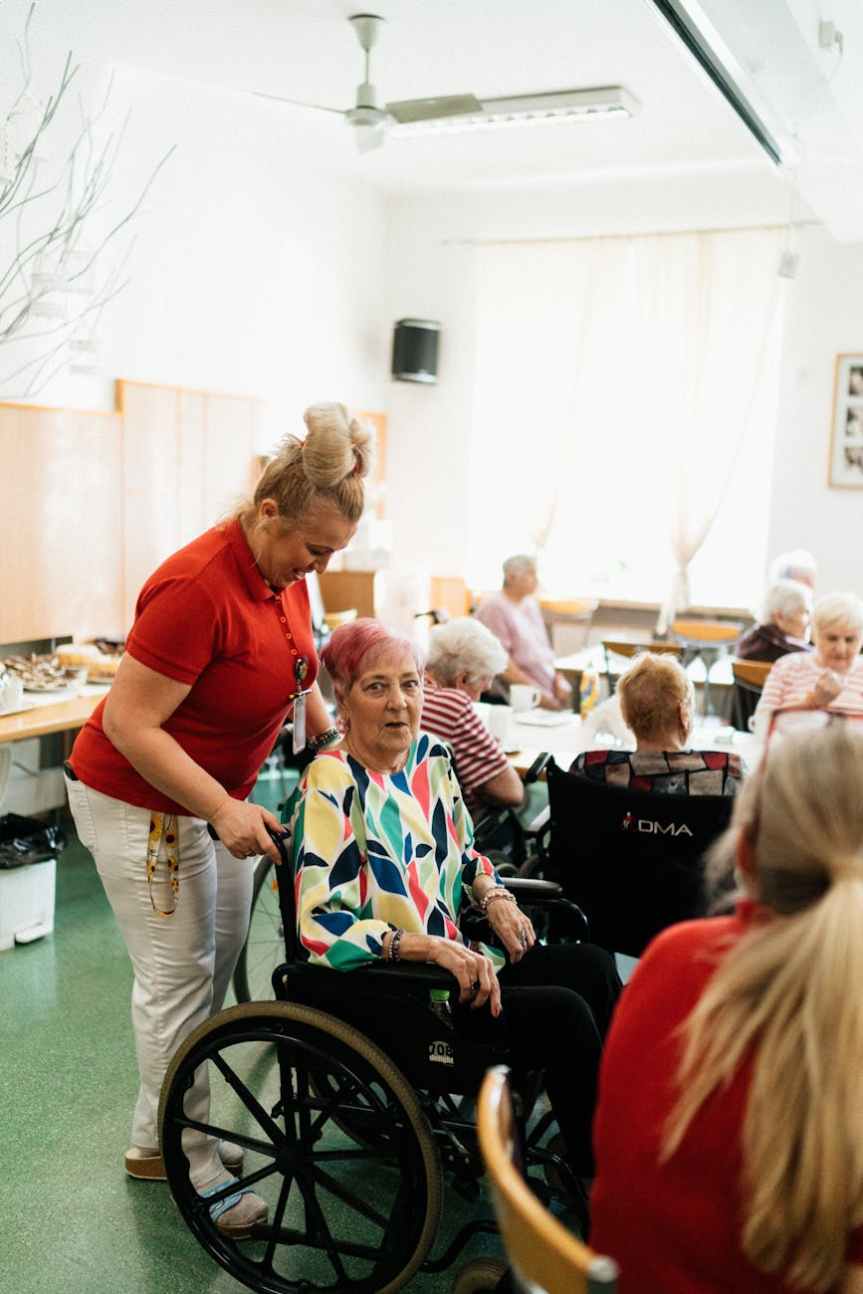
As the new year begins, it’s the perfect time to focus on the health and happiness of our aging loved ones. For those navigating solo aging, a strong support network is the cornerstone of independence, resilience, and joy. Building this network takes intention, but with a few key strategies, caregivers can help their loved ones thrive.

Why a Support Network Matters for Solo Agers

Solo aging offers unique opportunities for independence, but it can also lead to feelings of isolation. Without a reliable support system, tasks like managing health appointments, running errands, or simply finding companionship can become overwhelming. Building a network ensures your loved one has the resources and relationships they need to maintain their quality of life.

How Caregivers Can Help Build a Network of Support

  1. Encourage Participation in Local Senior Programs
    Local senior centers often host events, classes, and support groups designed to foster social interaction. Encourage your loved one to explore options like book clubs, fitness classes, or craft workshops. Many communities also have volunteer opportunities that can help seniors stay engaged while giving back.
  2. Facilitate Connection with Neighbors
    Sometimes, the best support comes from just next door. Help your loved one introduce themselves to neighbors or attend neighborhood gatherings. Knowing the people nearby can provide a sense of safety and belonging.
  3. Use Technology to Stay Connected
    From video calls to online forums, technology bridges the gap for seniors who may have mobility or transportation limitations. Introduce your loved one to user-friendly platforms like Zoom or FaceTime and explore community-oriented apps where they can engage with others.
  4. Leverage Community Resources
    Research organizations like Meals on Wheels, local churches, or community nonprofits that offer resources for seniors. These services can provide meals, transportation, or companionship programs that make life easier for solo agers.
  5. Create a Social Calendar
    Encourage your loved one to maintain an active social life by planning weekly or monthly activities. Whether it’s a lunch date with a friend, a trip to the museum, or a yoga class, consistent interaction helps combat loneliness and keeps them engaged.

Tools to Combat Loneliness and Maintain Social Health

  • Pet Therapy: Consider adopting a pet or arranging pet therapy visits to bring companionship and joy.
  • Virtual Classes: Many organizations offer virtual yoga, art, or language classes tailored to seniors.
  • Regular Check-ins: Schedule calls or visits with family and friends to keep the lines of communication open.

By helping your loved one establish a strong support network, you’re empowering them to enjoy the freedom of solo aging while minimizing its challenges. Check out my previous blog Thriving Alone While Aging with Grace and Independence for more tips on Solo Aging.

Subscribe to The Caregiver Cafe Weekly Newsletter!

Caregiving can be a roller coaster of ups and downs. The information that you will receive from The Caregiver Cafe Weekly Specials Newsletter will support you as a caregiver. Remember…

1. YOU ARE NOT ALONE: The problems you face as a caregiver are experienced by other caregivers. Knowing that you’re not alone can be comforting. 

2. Tools and Resources:  Find caregiver stress management tools and gain perspective from other caregiver’s experiences.

3. LEARN TO: Ask for help, accept help when it is offered, and acknowledge yourself on this caregiving journey. Hear from experts on how to balance caregiving responsibilities by taking care of your needs and involving others to help manage the natural stress and isolation of being a caregiver. 

Transforming Your Commute into a Calm Start

By Roz Jones

Let’s talk about something we often overlook: the commute. Whether your commute is five minutes or fifty, it can set the tone for how your day unfolds. I used to think of my commute as just another stressful part of my morning, but over time, I’ve realized that it doesn’t have to be that way. Our caregiving day doesn’t begin when we arrive—it starts the moment we step out the door.

What if, instead of viewing your commute as a hassle, you saw it as an opportunity? A chance to center yourself, reset your mind, and prepare for the responsibilities ahead. In this blog, I’m sharing some strategies that have helped me transform my commute into a calm, rejuvenating part of my day.

1. Plan Your Route Ahead of Time

The first step to a stress-free commute is choosing the best route. Take a few minutes the night before to check traffic patterns, road closures, or weather conditions. Apps like Google Maps or Waze can give you real-time updates, helping you avoid unexpected delays.

For me, choosing the scenic route—even if it adds a few minutes—has been a game-changer. A quiet road or a drive through nature can make all the difference in starting the day with a calm mindset.

2. Allow Extra Time

I’ve learned that rushing is the fastest way to start my day on the wrong foot. If your commute typically takes 20 minutes, give yourself 30. Those extra 10 minutes aren’t just a buffer—they’re peace of mind. When you arrive with time to spare, you’ll feel more grounded and ready to focus on caregiving.

3. Turn Your Commute Into “You” Time

Let’s face it—our caregiving roles can make it hard to carve out time for ourselves. Your commute is the perfect opportunity to create that space. Here are a few ideas to make your drive or ride more enjoyable:

  • Listen to uplifting podcasts or audiobooks: Choose topics that inspire or relax you.
  • Play calming music: Create a playlist of your favorite feel-good songs or soothing instrumental tracks.
  • Practice mindfulness: If you’re a passenger or using public transit, try a guided meditation app like Calm or Headspace.

For me, listening to a motivational podcast sets the tone for a positive day. It’s my time to recharge and focus on my mindset.

4. Practice Deep Breathing

I know this sounds simple, but it works. If you find yourself stuck in traffic or feeling overwhelmed, take a moment to practice deep breathing. Inhale for a count of four, hold for four, and exhale for four. Repeat a few times, and you’ll feel your stress levels start to drop.

5. Set an Intention for the Day

As caregivers, we often focus on everyone else, but it’s just as important to check in with ourselves. Use your commute to set an intention for the day. Maybe it’s patience, gratitude, or focus. I like to think about how I want to show up for my loved ones and myself—it helps guide my actions and keeps me grounded.

Your commute doesn’t have to be stressful or rushed. By planning ahead, allowing extra time, and using the journey as a moment for yourself, you can transform it into a calm, intentional start to your caregiving day. Check out my previous blog, Transform Your Daily Journey into a Serene Retreat for more tips on how you can transform your commute.

Subscribe to The Caregiver Cafe Weekly Newsletter!

Caregiving can be a roller coaster of ups and downs. The information that you will receive from The Caregiver Cafe Weekly Specials Newsletter will support you as a caregiver. Remember…

1. YOU ARE NOT ALONE: The problems you face as a caregiver are experienced by other caregivers. Knowing that you’re not alone can be comforting. 

2. Tools and Resources:  Find caregiver stress management tools and gain perspective from other caregiver’s experiences.

3. LEARN TO: Ask for help, accept help when it is offered, and acknowledge yourself on this caregiving journey. Hear from experts on how to balance caregiving responsibilities by taking care of your needs and involving others to help manage the natural stress and isolation of being a caregiver.