
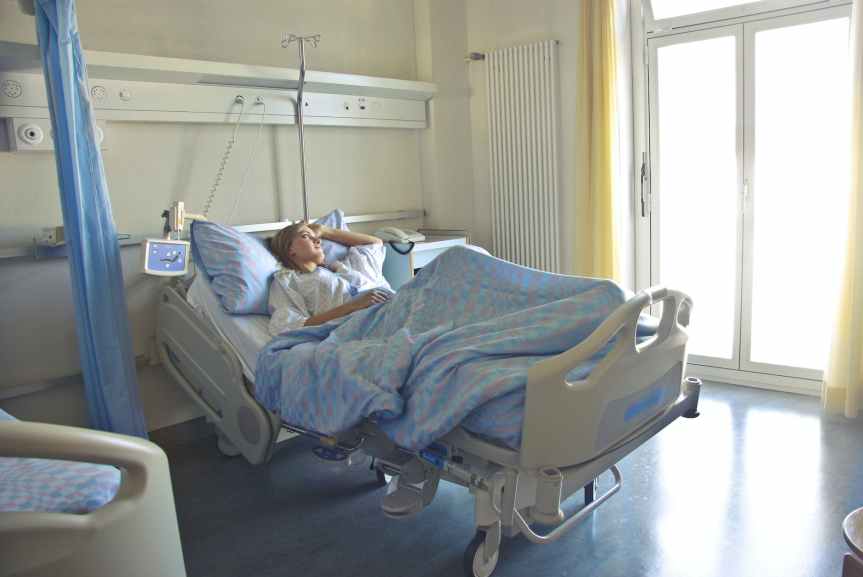
Hospice care is a special type of medical care for individuals who are facing a terminal illness or who are in the end stages of a chronic condition. It is designed to provide comfort and support to those individuals and their families, rather than attempting to cure the illness.
It is different from other forms of medical care in that it focuses on providing quality of life and comfort instead of attempting to cure the illness. In this blog post, we will explore what hospice care is and how it differs from other forms of medical care.
With advance directives, your patient or loved one can have a say on how they want their hospice care to be.
The Purpose and Philosophy of Hospice Care
Hospice care is a specialized form of medical care that focuses on providing comfort and support for those who are terminally ill. Unlike other types of medical care, hospice care does not focus on trying to cure the illness but instead on providing compassionate care and support. The goal of hospice care is to help patients and their families make the most of the time they have left together and to provide comfort and dignity in the face of a terminal illness.
It’s provided by a team of professionals, including doctors, nurses, social workers, and counselors, who work together to address the physical, emotional, and spiritual needs of patients and their families. This includes the kind of funerals they intend to have. Hospice care is provided in the patient’s home or in a hospice facility and is tailored to meet the patient’s individual needs.
How Does Hospice Care Differ from Other Types of Medical Care?
Hospice care is a specialized type of medical care focused on providing comfort and quality of life for those with a terminal illness and a life expectancy of six months or less. Unlike other types of medical care that focus on treating or curing the underlying illness, hospice care focuses on providing comfort and pain relief to the patient and their loved ones.
Patients of any age can undergo hospice care and it is provided in the patient’s home or in a hospice facility by a team of medical professionals and volunteers.
Hospice care includes physical, emotional, social, and spiritual support for the patient and their family, as well as grief and bereavement counseling. The goal of hospice care is not to prolong life, but to make the patient as comfortable as possible in their remaining time. Hospice care provides the patient and their loved ones the opportunity to enjoy their remaining time together, free from pain and suffering.
The Services Offered in Hospice Care
Because hospice care focuses on treating the whole person, not just their illness its services include providing physical, emotional, and spiritual support to the patient and their family. It also includes services such as pain and symptom management, respite care, end-of-life counseling, and bereavement support. Hospice care is available to individuals of all ages, regardless of their ability to pay. It is covered by Medicare, Medicaid, and many private insurance plans.
Hospice care is an important option for those facing a terminal illness and their families. It emphasizes quality of life and provides comfort and support during a difficult time. By understanding what hospice care is and how it differs from other types of medical care, individuals and their families can make informed decisions about their care and treatment.
While hospice care shares some similarities with other types of medical care, there are distinct differences that set it apart:
1. Focus on Comfort and Quality of Life
Unlike curative or rehabilitative care, hospice care prioritizes comfort and quality of life over curative measures. The emphasis is on managing symptoms, controlling pain, and providing emotional support to enhance the patient’s well-being.
2. End-of-Life Planning
Hospice care places significant importance on end-of-life planning. The interdisciplinary team helps patients and their families make informed decisions about advance directives, such as living wills and healthcare proxies, ensuring that their wishes are respected and followed.
3. Emotional and Spiritual Support
While other medical care settings also recognize the importance of emotional support, hospice care places a particular emphasis on addressing the emotional and spiritual needs of patients and their families. It offers dedicated counseling and spiritual guidance to foster peace and acceptance. Hospice care is very taxing and require mental health care for everyone involved.
4. Caregiver Support
Hospice care recognizes the vital role of caregivers and provides extensive support to family members and loved ones. This support includes counseling, respite care, and bereavement services to help them cope with the challenges they face.
5. Home-Based Care
Unlike hospital or nursing home care, hospice care often takes place in the patient’s home. This environment allows individuals to remain in familiar surroundings, surrounded by their loved ones, providing a sense of comfort and security.
The Multidisciplinary Hospice Care Team
For hospice care, a multidisciplinary team of healthcare professionals, including a doctor, nurse, social worker, chaplain, and other professionals, work together to provide comprehensive care. The focus of hospice care is on providing comfort and quality of life, not on curing or prolonging life.
1. Physicians
Hospice physicians specialize in end-of-life care and are responsible for coordinating the patient’s medical treatment plan. They work closely with other healthcare providers to ensure that pain and symptoms are properly managed.
2. Nurses
Hospice nurses are highly skilled professionals who provide round-the-clock care. They administer medication, monitor vital signs, and offer emotional support to patients and their families. Nurses play a crucial role in managing pain and ensuring the patient’s comfort.
3. Certified Nursing Assistants (CNAs)
CNAs assist with activities of daily living (ADLs), such as bathing, dressing, and personal hygiene. They provide essential support to patients, allowing them to maintain their dignity and independence.
4. Social Workers
Social workers offer emotional and practical assistance to patients and their families. They provide counseling, help with end-of-life planning, and connect individuals with community resources and support networks.
5. Chaplains or Spiritual Counselors
Chaplains or spiritual counselors provide spiritual support based on the patient’s beliefs and values. They offer guidance, perform religious rituals if desired, and help patients and families find solace and meaning during their final journey.
6. Bereavement Counselors
Bereavement counselors offer support to families and loved ones after the patient’s passing. They assist with the grieving process and provide resources for coping with loss and adjusting to life without their loved ones.
Frequently Asked Questions
FAQ 1: What conditions qualify for hospice care?
Patients with various life-limiting conditions may qualify for hospice care. Some common conditions include cancer, heart disease, chronic obstructive pulmonary disease (COPD), Alzheimer’s disease, and end-stage renal disease.
FAQ 2: How is hospice care funded?
Hospice care is typically covered by Medicare, Medicaid, and most private insurance plans. In certain cases, charitable organizations and community resources may provide financial assistance to individuals who do not have coverage.
FAQ 3: Can hospice care be provided at home?
Yes, hospice care can be provided in the comfort of the patient’s own home. This allows them to remain in a familiar environment surrounded by their loved ones.
FAQ 4: Is hospice care only for the elderly?
No, hospice care is not limited to the elderly. Individuals of all ages who have a terminal illness and a prognosis of six months or less to live can benefit from hospice care.
FAQ 5: Can patients receive curative treatments while in hospice care?
In general, the focus of hospice care is on comfort and quality of life rather than curative treatments. However, patients can choose to discontinue hospice care and pursue curative treatments if their condition improves or if they decide to change their care plan.
FAQ 6: What happens after a patient’s passing in hospice care?
After a patient’s passing, hospice care extends its support to the patient’s family members. Bereavement services, counseling, and resources are provided to help loved ones cope with their loss.
 The Caregiver Cafe