When Love Means Letting Them Choose: Honoring Your Loved One’s Wishes During Hospice Care

By Roz Jones

When families first hear the word hospice, many assume it means there is nothing left to do.

In reality, hospice care is not about giving up. It is about shifting the focus of care.

Instead of pursuing treatments intended to cure an illness, hospice focuses on helping individuals live each day with as much comfort, dignity, and peace as possible. It is about managing symptoms, supporting emotional and spiritual well-being, and helping families make the most of the time they still have together.

That is why honoring a loved one’s wishes becomes one of the most important parts of hospice care.

Every person has their own definition of what comfort looks like. One person may want to spend their days surrounded by family and friends. Another may prefer quiet moments with only a few loved ones nearby. Some may want to remain at home, while others may feel more comfortable receiving care in another setting. There may be conversations they hope to have, traditions they want to continue, or final wishes they hope their family will honor.

Hospice gives families the opportunity to slow down and listen to those wishes.

While caregivers naturally want to protect the people they love, one of the greatest gifts they can offer during this season is the opportunity for their loved one to have a voice in the decisions that affect their care. Listening with compassion and responding with respect helps create an environment where dignity is preserved, relationships are strengthened, and each day is guided by what matters most to the individual receiving care.

Honoring Wishes Begins with Listening

Every caregiver wants to do what is best for the person they love. During hospice care, however, doing what is best begins by understanding what matters most to the individual receiving care rather than making decisions based solely on what family members believe is right.

These conversations are not always easy.

Many families avoid talking about end-of-life wishes because they are afraid of saying the wrong thing or believe the conversation will take away hope. In reality, these discussions often provide peace of mind. They allow loved ones to express what is important to them while giving family members greater confidence that they are honoring those wishes when difficult decisions arise.

Some individuals may wish to remain at home surrounded by familiar faces. Others may want certain family members present, while some may prefer quiet moments with fewer visitors. There may be spiritual traditions they hope to observe, music they would like to hear, photographs they want nearby, or personal belongings that bring them comfort. These details may seem small, but they often become some of the most meaningful parts of a person’s hospice journey.

Listening also means recognizing that a loved one’s wishes may change over time. As their condition changes, so may their priorities, comfort level, and goals for care. Continuing to ask thoughtful questions, involving the hospice team in those conversations, and creating space for honest dialogue allows caregivers to respond with compassion while respecting the individual’s voice throughout every stage of care.

When families listen first, they are better equipped to make decisions that reflect love, respect, and dignity rather than fear or uncertainty.

Dignity Is Found in the Little Things

When families think about honoring a loved one’s wishes during hospice care, they often think about advance directives, medical decisions, or where care will take place. While those decisions are certainly important, dignity is also preserved through the small choices made each day.

It is taking the time to ask what your loved one would like to wear instead of choosing for them.

It is offering their favorite meal if they are able to eat, even if it is only a few bites.

It is asking whether they would like visitors instead of assuming they are ready to entertain family and friends.

It is playing the music they enjoy, reading from a favorite book, opening the curtains to let in the morning sunlight, or simply sitting quietly beside them when words are no longer needed.

These moments remind a loved one that they are still a person first—not simply a patient receiving care.

Hospice care recognizes that every individual deserves to be treated with respect, compassion, and dignity until the very end of life. As caregivers, we have the opportunity to protect that dignity by involving our loved one in everyday decisions whenever possible and respecting their preferences, even when those choices may look different from our own.

Sometimes honoring a loved one’s wishes means resisting the urge to take over. It means allowing them to make the decisions they are still able to make and supporting them in ways that preserve their independence for as long as possible.

Those small acts of respect often communicate love more powerfully than words ever could.

When Family Members Have Different Opinions

One of the most difficult parts of hospice care is that family members do not always agree on what should happen next.

One person may want to pursue every possible treatment. Another may believe it is time to focus solely on comfort. Someone else may struggle to accept that their loved one is nearing the end of life and may unintentionally make decisions based on their own fears rather than the wishes that have already been expressed.

These situations can create tension within families during a time when everyone is already carrying a great deal emotionally.

When disagreements arise, it is important to return to the person at the center of the care.

What has your loved one shared about their wishes?

What conversations have already taken place?

What goals have they expressed for this stage of their life?

Hospice care encourages families to make decisions that reflect the values and preferences of the individual receiving care rather than the emotions of those surrounding them. While those emotions are valid and deserve compassion, they should not overshadow the voice of the person whose journey is being lived.

The hospice team can be an invaluable resource during these moments. Nurses, social workers, chaplains, physicians, and other members of the interdisciplinary team are there not only to manage symptoms, but also to guide families through difficult conversations, answer questions, and help everyone remain focused on what is most important to the patient.

Honoring a loved one’s wishes does not always remove the heartache of saying goodbye. It does, however, provide families with the reassurance that the decisions being made are rooted in love, respect, and a commitment to preserving the dignity of the person they cherish.

Caring for the Whole Person

Hospice care is about far more than managing physical symptoms. It recognizes that every person has emotional, spiritual, social, and relational needs that deserve the same level of attention as their medical care.

As a loved one’s illness progresses, their priorities often begin to shift. They may spend less time thinking about treatments and more time reflecting on relationships, memories, forgiveness, gratitude, faith, or the legacy they hope to leave behind. Some may want opportunities to reconnect with family members or friends. Others may simply want someone to sit quietly beside them without feeling the need to fill every moment with conversation.

Caregivers can support these needs by creating an environment that reflects what brings their loved one peace and comfort. That may include listening to favorite music, reading scripture or devotional passages together, looking through family photographs, sharing stories, celebrating special occasions, or inviting a trusted faith leader, friend, or spiritual advisor to visit.

Hospice professionals understand that comfort looks different for every individual. Social workers, chaplains, nurses, volunteers, and other members of the hospice team work together to support not only the patient but the family as well. Their role extends beyond medical care by helping families navigate difficult emotions, answer challenging questions, and find resources that bring reassurance during an uncertain time.

Honoring a loved one’s wishes means recognizing them as a whole person with a lifetime of experiences, relationships, beliefs, and dreams. When caregivers embrace that perspective, hospice becomes more than a service. It becomes an opportunity to surround a loved one with compassion, dignity, and the kind of care that reflects who they are—not simply the illness they are facing.

Caring for Yourself While Caring for Someone Else

Hospice care is centered around the patient, but it also recognizes that caregivers need support.

Many family caregivers have spent months or even years coordinating appointments, managing medications, providing transportation, assisting with personal care, and advocating for their loved one. By the time hospice care begins, they are often carrying physical exhaustion alongside emotional, mental, and spiritual fatigue.

It is common for caregivers to feel conflicted during this season. There may be moments of sadness, relief, gratitude, guilt, hope, fear, or uncertainty. These emotions can exist at the same time, and none of them diminish the love a caregiver has for their loved one.

One of the greatest strengths of hospice care is that it extends support beyond the individual receiving care. Hospice teams understand that caregivers need encouragement, education, and opportunities to rest as well. Nurses can answer questions about changes your loved one may be experiencing. Social workers can help families navigate difficult conversations and connect them with community resources. Chaplains can offer spiritual support, regardless of a family’s religious background, while trained volunteers may provide companionship that allows caregivers to step away for a short time to rest or attend to personal needs.

Accepting help is not a sign that you are doing less for your loved one.

It is often what allows you to continue showing up with patience, compassion, and presence.

As caregivers, we sometimes believe that love means carrying every responsibility by ourselves. Hospice reminds us that love also means allowing others to walk alongside us. When caregivers receive the support they need, they are better able to focus on what matters most—being fully present with the person they love during one of life’s most meaningful seasons.

The Lasting Gift of Honoring Their Wishes

One of the greatest acts of love a caregiver can offer is the willingness to honor a loved one’s wishes, even when doing so is difficult. Hospice care reminds us that every person deserves to be seen, heard, and respected throughout every stage of life, including the final chapter.

While families cannot change the diagnosis or stop time, they can influence the experience their loved one has during this season. They can create an environment filled with comfort instead of fear, peace instead of uncertainty, and dignity instead of unnecessary struggle. They can choose to spend less time focusing on what cannot be changed and more time embracing the moments that still remain.

For many families, those moments become the memories they carry forward. A quiet conversation at the bedside. Holding a loved one’s hand. Sharing a favorite meal. Listening to stories that have been told for generations. Praying together. Laughing through old family photographs. Sitting together in comfortable silence.

These moments may appear ordinary, but they often become extraordinary because they remind families that love is present until the very end.

If you are caring for a loved one receiving hospice services, remember that your presence matters just as much as the care you provide. The time you spend listening, comforting, advocating, and honoring their wishes becomes part of the legacy you build together.

If you would like to learn more about the foundation of patient-centered hospice care, we invite you to read our previous blog, The Importance of Honoring a Patient’s Wishes and Goals During Hospice Care.” It explores the principles of hospice care and offers additional insight into why respecting a loved one’s values, preferences, and goals is essential to providing compassionate end-of-life care.

By listening with compassion, communicating openly, and allowing your loved one’s voice to guide the decisions that matter most, families can create an experience that reflects not only quality care, but also lasting love, dignity, and respect.

Download the Vacationing With an Aging Loved One Checklist for FREE!

Before your next trip, download the free Vacationing with an Aging Loved One Checklist. This resource can help you think through what needs to be packed, planned discussed, and prepared before travel begins!

Tune in to The Caregiver Café Podcast

Handling Criticism as a Family Caregiver

In this episode of The Caregiver Café with Roz Jones, Roz is talking about a topic that can touch every caregiver at some point: criticism.

Being criticized while you are caring for a loved one does not feel good. It can make you feel judged, unappreciated, or like nothing you are doing is enough. But Roz reminds listeners that the way we respond to criticism can either create more chaos or open the door to better communication, support, and growth.

Roz shares how caregivers can begin to embrace criticism by using it as an opportunity for personal growth, improved relationships, and greater confidence. Instead of immediately becoming defensive, caregivers can ask questions, invite others to show a better way, and create space for honest conversations.

This episode is a reminder that everyone may have an opinion, but not everyone understands what caregiving looks like day to day. Still, when handled with wisdom, criticism can become a chance to improve care, strengthen family communication, and reduce tension along the caregiving journey.

So pour yourself something warm and join Roz at The Caregiver Café as she talks about how caregivers can respond to criticism with grace, boundaries, and a little bit of strategy.

Give Yourself a Moment of Grace

If you need encouragement for the emotional side of caregiving, purchase Roz Jones’ book, Moments of Grace. This book offers support, reflection, and reminders of grace for the caregiver who is carrying a lot.

This journal was created to help caregivers pause, breathe, reflect, and find strength in the middle of the caregiving journey.

Purchase Moments of Grace today and give yourself permission to breathe in the middle of the caregiving journey.

Prepare Before the Emergency Comes

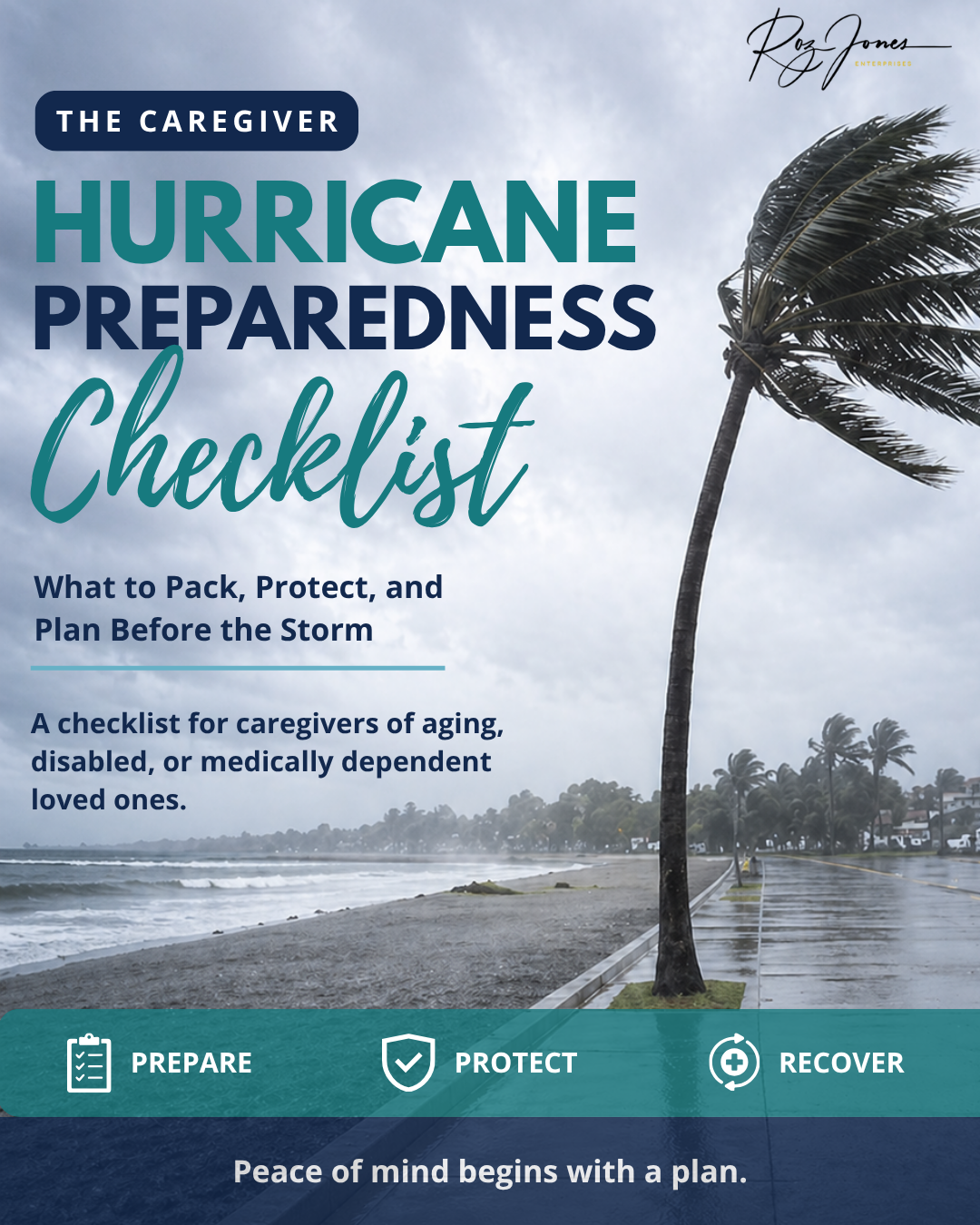
The Caregiver Hurricane Preparedness Checklist.

If you are caring for a loved one during storm season, purchase the Caregiver Hurricane Preparedness Checklist. It can help you prepare important documents, emergency contacts, supplies, medication needs, and safety steps before severe weather becomes a crisis.

For only $1.99, this checklist gives you a simple starting point so you are not trying to gather everything during a storm, power outage, hospitalization, or sudden change in your loved one’s care.

Purchase the Caregiver Hurricane Preparedness Checklist for $1.99 today and take one more step toward peace of mind.

Need Help Sorting Through the Care Plan?

Roz Jones is a dedicated caretaker turned CEO with over a decade of experience in helping families care for and make decisions for loved ones and their legacies.Roz is a compassionate, innovative healthcare industry leader.

If your family needs help thinking through care decisions, caregiving responsibilities, or next steps, book a session with Roz Jones. You do not have to navigate this season alone.

Together, we can talk through what is working, what is becoming too heavy, and what boundaries need to be strengthened so you can continue to care without losing yourself in the process.

Subscribe to The Caregiver Cafe Weekly Newsletter!

Caregiving can be a roller coaster of ups and downs. The information that you will receive from The Caregiver Cafe Weekly Specials Newsletter will support you as a caregiver. Remember…

1. YOU ARE NOT ALONE: The problems you face as a caregiver are experienced by other caregivers. Knowing that you’re not alone can be comforting. 

2. Tools and Resources:  Find caregiver stress management tools and gain perspective from other caregiver’s experiences.

3. LEARN TO: Ask for help, accept help when it is offered, and acknowledge yourself on this caregiving journey. Hear from experts on how to balance caregiving responsibilities by taking care of your needs and involving others to help manage the natural stress and isolation of being a caregiver. 

A Lifeline After Losing A Loved One

By Roz Jones

Losing a loved one is an experience that can leave caregivers feeling lost, overwhelmed, and unsure of where to turn. As caregivers, you’ve dedicated countless hours, love, and energy to caring for your family member, and when they pass away, that absence creates a void that can be hard to fill. The emotional toll of losing someone so dear is something you don’t have to navigate alone, especially when hospice care is there to provide compassionate grief counseling and support.

Hospice Grief Counseling: A Gift of Healing

What many caregivers may not know is that hospice care offers free grief counseling for up to one year after the loss of a loved one. Yes, you can access this support at no cost, and it’s specifically designed to help you process the complicated emotions and struggles that come with grief. This service is available to anyone who has experienced the loss of a loved one, regardless of whether or not your loved one was in hospice care at the time of death.

Hospice grief counseling offers a variety of services to help you cope with the loss:

  • Individual counseling: One-on-one sessions with trained professionals who can help you understand your grief and find ways to manage it.
  • Support groups: Grief support groups provide a space for you to connect with others who are going through similar experiences, fostering community and solidarity.
  • Phone consultations and virtual options: Many hospice services offer remote counseling to ensure you have access to support, no matter where you are.
  • Follow-up care: Hospice organizations often check in periodically to ensure that you continue to receive emotional support as you navigate the stages of grief.

This counseling isn’t just about finding comfort during the immediate aftermath of a loss; it’s designed to support you as you heal over time. Hospice care recognizes that grief is not a short-term journey, and they offer support for up to a year to give you the space and time you need to heal.

Why Hospice Grief Counseling Is Vital for Caregivers

The grieving process is complex and deeply personal. As a caregiver, you’ve been emotionally invested in your loved one’s life and care, which makes the loss even harder to process. Hospice grief counseling is specifically tailored to meet the needs of caregivers, offering tools to help you cope, reflect, and heal.

Here are a few reasons why accessing hospice grief counseling is so important:

  • A safe space for expression: Grief can feel isolating, especially if you’re unable to share your emotions with others. Grief counseling gives you a safe space to express how you feel without judgment.
  • Understanding your grief: Grief manifests in many forms—sadness, anger, guilt, confusion. Counseling helps you make sense of these emotions and teaches you how to deal with them in healthy ways.
  • Guided support: A grief counselor can help guide you through difficult emotions, offering tools to help you manage and eventually move through your grief.
  • Continued care: With hospice grief counseling available for up to a year, you don’t have to face your grief alone. The support extends beyond the immediate period following the loss, offering you a consistent source of care.

How to Access Grief Counseling Services Through Hospice

To access grief counseling, all you have to do is reach out to your local hospice care provider. Even if your loved one did not pass while in hospice care, many hospices still offer free grief support for family members and caregivers.

Here’s what you can do:

  1. Contact your local hospice: Call or visit their website to inquire about grief counseling services available to you.
  2. Ask about their offerings: Some hospices offer individual counseling, group therapy, and virtual support, so ask about the services that are available in your area.
  3. Seek guidance: If you’re unsure about which option is best for you, hospice counselors can help direct you to the right services based on your needs.

As a caregiver, you’ve dedicated your heart and soul to the well-being of your loved one, and the loss you’re experiencing now is one that should not be faced alone. Reaching out for grief counseling is an important step toward healing, and hospice counseling services can offer the support you need to navigate this difficult time. Take advantage of the free grief counseling offered by your local hospice and don’t hesitate to reach out for support.

Subscribe to The Caregiver Cafe Weekly Newsletter!

Caregiving can be a roller coaster of ups and downs. The information that you will receive from The Caregiver Cafe Weekly Specials Newsletter will support you as a caregiver. Remember…

1. YOU ARE NOT ALONE: The problems you face as a caregiver are experienced by other caregivers. Knowing that you’re not alone can be comforting. 

2. Tools and Resources:  Find caregiver stress management tools and gain perspective from other caregiver’s experiences.

3. LEARN TO: Ask for help, accept help when it is offered, and acknowledge yourself on this caregiving journey. Hear from experts on how to balance caregiving responsibilities by taking care of your needs and involving others to help manage the natural stress and isolation of being a caregiver. 

Jimmy Carter’s Long Goodbye – A Lesson on Life

By Roz Jones

Today, I want to talk about an inspiring story that challenges the common perception of hospice care. We’re going to discuss none other than our former President Jimmy Carter and his remarkable journey in hospice. 

When the news broke that the 98-year-old Carter had entered hospice care, many assumed it was a sign of his imminent passing. However, as time has progressed, Carter has defied expectations and celebrated his first anniversary in hospice care just last month. This remarkable feat serves as a powerful reminder that hospice is not necessarily a one-way ticket to the great beyond. 

In the past, hospice was often seen as a place where people went to die. But times have changed, and hospice care has evolved to become a compassionate approach that prioritizes quality of life for those facing terminal illnesses. The goal is to provide comfort, support, and dignity during this challenging time, whether the patient has weeks, months, or even years left. 

And that’s precisely what Jimmy Carter’s experience has demonstrated. Despite his advanced age and health challenges, he has continued to thrive in hospice care, surrounded by his loved ones and receiving the support he needs to make the most of his remaining time. 

Now, I know what you might be thinking: “But Roz, how is that possible? Isn’t hospice care only for people who are actively dying?” Well, let me break it down for you. 

Hospice care is designed to provide holistic support for individuals facing life-limiting illnesses, but it doesn’t necessarily mean that death is imminent. It’s about managing symptoms, alleviating pain, and ensuring that the patient’s physical, emotional, and spiritual needs are met. 

In Carter’s case, his decision to enter hospice care was based on his desire to receive high-quality care while spending quality time with his family. And boy, has he made the most of it! Despite his advanced age and health challenges, he has continued to be active and engaged and even welcomed his first great-grandchild into the world during his time in hospice. 


So, for all you caregivers out there who might be hesitant about hospice care for your aging loved ones, let Jimmy Carter’s story be an inspiration. Hospice care is not a death sentence; it’s a compassionate approach that can enhance the quality of life and provide support during challenging times. 

Remember, every situation is unique, and it’s essential to have open and honest conversations with your loved ones and their healthcare providers to determine the best course of action. But don’t let preconceived notions about hospice care hold you back from exploring this valuable resource. 

Embrace the possibilities, my friends, and know that with the right support, your aging loved ones can continue to live their lives to the fullest, even in the face of terminal illnesses. Jimmy Carter is living proof of that!

Shop The Caregiver Cafe E-Commerce Store!

We founded The Caregiver Cafe Shopify Store with one simple goal: to help you experiment with your passion while at the same time providing amazing prices. We were tired of cookie-cutter stores with lackluster selections, and boring gifts. Instead of offering a huge unoriginal collection, we carefully curate just a few unique pieces perfectly suited for people the taste buds like you.

We focus on items that get you excited about shopping again, as we believe buying online should always be fun!


How to Avoid Hospital Re-admission for Your Loved Ones

As a caregiver, you don’t want your loved one to be re-admitted to the hospital. Re-admission can take a toll on you both.
So how do you avoid a trip to the hospital?
In this episode, we address the necessary tips you need to go through so your loved one can stay out of the hospital and obtain the homecare they need.

Subscribe to The Caregiver Cafe Weekly Newsletter!

Caregiving can be a roller coaster of ups and downs. The information that you will receive from The Caregiver Cafe Weekly Specials Newsletter will support you as a caregiver. Remember…

1. YOU ARE NOT ALONE: The problems you face as a caregiver are experienced by other caregivers. Knowing that you’re not alone can be comforting. 

2. Tools and Resources:  Find caregiver stress management tools and gain perspective from other caregiver’s experiences.

3. LEARN TO: Ask for help, accept help when it is offered, and acknowledge yourself on this caregiving journey. Hear from experts on how to balance caregiving responsibilities by taking care of your needs and involving others to help manage the natural stress and isolation of being a caregiver. 

Understanding the Medicare Horizon: Your Key to Empowered Caregiving

By Roz Jones

It’s time to equip yourself with the knowledge you need to stay ahead of the curve in the ever-evolving healthcare landscape. With changing healthcare policies on the horizon, understanding how to adapt your caregiving strategies is your secret to ensuring that your loved ones receive top-notch care, both now and in the future. Get ready to be empowered, because knowledge truly is your superpower in the world of caregiving.

Why Staying Informed Matters:

Medicare is a lifeline for many aging individuals. It provides access to essential healthcare services, medications, and preventive care. However, the healthcare landscape is anything but static. Policy changes, new regulations, and evolving treatments can all impact how your loved ones receive care. Being informed is the key to ensuring their healthcare needs are met.

Adapting Your Caregiving Strategies:

  • Stay Updated: Make it a habit to stay informed about changes in Medicare policies and procedures. Regularly check for updates from reliable sources, and consider joining online forums or support groups for caregivers, where you can exchange valuable information.
  • Review Coverage: Periodically review your loved one’s Medicare coverage. Ensure it aligns with their current healthcare needs. Are there new treatments, therapies, or medications that should be considered? Be proactive in making adjustments.
  • Advocate for Your Loved One: Don’t be afraid to speak up for your loved one’s healthcare needs. If you believe a particular treatment or service is necessary, advocate for it. Familiarize yourself with the appeal process if a service is denied.
  • Preventive Care: Medicare places a strong emphasis on preventive care. Ensure your loved one is up to date on screenings, vaccinations, and wellness visits. These steps can help avoid more significant health issues down the line.
  • Long-Term Care Planning: As your loved one ages, consider their long-term care needs. Understanding Medicare’s coverage for nursing homes, home healthcare, or assisted living can be crucial for their future.

The Power of Knowledge:

Remember, knowledge is power. The more you understand the intricacies of Medicare, the better equipped you’ll be to navigate the system and advocate for your loved one’s healthcare. When it comes to healthcare policy changes, being proactive is far more effective than being reactive. We’ve emphasized the importance of staying informed and empowered when it comes to the future of Medicare. By adapting your caregiving strategies to evolving healthcare policies, you ensure that your loved ones continue to receive the quality care they deserve. As caregivers, you play a vital role in advocating for the best possible healthcare for your aging loved ones. Your commitment to their well-being is truly admirable, and by staying informed, you are well-prepared for whatever the future of Medicare may hold. Together, we can ensure that the golden years of our loved ones are truly golden.

Stay Ahead of the Storm: Download Your Free Expert Storm Guide Now!

Photo by ALTEREDSNAPS on Pexels.com

As we know, June – November is Hurricane Season. As a family caregiver, there are many ways to prepare your loved ones for it. Early preparation helps reduce opportunities for stress and anxiety as storms approach.

One of the best ways to prepare is allowing your loved on to assist in packing their travel bag, checking their contact list and ensuring there are adequate emergency supplies.

Participation… not isolation… go a long way when preparing for major storms. This Seniors Storm Guide gives essential information to refer to again and again!


Shop The Caregiver Cafe E-Commerce Store!

We founded The Caregiver Cafe Shopify Store with one simple goal: to help you experiment with your passion while at the same time providing amazing prices. We were tired of cookie-cutter stores with lackluster selections, and boring gifts. Instead of offering a huge unoriginal collection, we carefully curate just a few unique pieces perfectly suited for people the taste buds like you.

We focus on items that get you excited about shopping again, as we believe buying online should always be fun!


Subscribe to The Caregiver Cafe Weekly Newsletter!

Caregiving can be a roller coaster of ups and downs. The information that you will receive from The Caregiver Cafe Weekly Specials Newsletter will support you as a caregiver. Remember…

1. YOU ARE NOT ALONE: The problems you face as a caregiver are experienced by other caregivers. Knowing that you’re not alone can be comforting. 

2. Tools and Resources:  Find caregiver stress management tools and gain perspective from other caregivers’ experiences.

3. LEARN TO: Ask for help, accept help when it is offered, and acknowledge yourself on this caregiving journey. Hear from experts on how to balance caregiving responsibilities by taking care of your needs and involving others to help manage the natural stress and isolation of being a caregiver. 

Navigating Your Loved One’s Medicare Appeals Like a Champ

By Roz Jones

Are you ready to embark on a journey that empowers you to champion your loved one’s healthcare rights? In this third installment of our series, we dive deep into the world of Medicare appeals—a process that can help you challenge decisions, rectify misunderstandings, and ensure your loved one receives the healthcare they deserve. Along the way, we’ll also equip you with essential tips for warding off Medicare fraud and provide effective strategies for resolving disputes. Together, let’s unlock the power of Medicare appeals and pave the way for a healthier future.

Understanding the Medicare Appeals Process

Medicare is a vital program that provides healthcare coverage to millions of Americans, but disputes and disagreements can sometimes arise. It’s essential to know that your loved one has the right to appeal certain Medicare decisions if they believe they were unfairly denied coverage or subjected to inappropriate charges. The Medicare appeals process consists of several levels:

  • Redetermination: This is the first step in the appeals process, where your loved one can request a review of the claim by the Medicare contractor that processed it. They typically have 120 days from receiving the Medicare Summary Notice (MSN) to file for a redetermination.
  • Reconsideration: If the redetermination decision is unfavorable, the next step is to request a reconsideration by a different Medicare contractor. This should be done within 180 days of receiving the redetermination decision.
  • Administrative Law Judge Hearing: If the reconsideration decision is not in your loved one’s favor, they can request a hearing before an Administrative Law Judge (ALJ). This is an opportunity to present evidence and witnesses to support their case.
  • Medicare Appeals Council Review: If the ALJ decision is unfavorable, the Medicare Appeals Council will review the case. If they decide not to review it or if the decision is not in your loved one’s favor, they can proceed to the next step.
  • Federal District Court: The final step involves taking the case to a federal district court if the amount in dispute meets certain criteria. This is a more complex and costly process, but it can be pursued if necessary.

Tips for Avoiding Medicare Fraud

Medicare fraud is a significant concern, and it’s crucial to protect your loved one from potential scams or fraudulent activities. Here are some tips to help prevent Medicare fraud:

  • Guard Personal Information: Remind your loved one never to share their Medicare number or personal information with strangers, especially over the phone or online.
  • Verify Providers: Ensure that your loved one only receives medical services from approved Medicare providers. Verify the credentials of healthcare professionals and the legitimacy of healthcare facilities.
  • Review Medicare Statements: Regularly review Medicare statements, known as MSNs, to ensure that the services listed were received. Report any discrepancies or unfamiliar charges immediately.
  • Report Suspected Fraud: Encourage your loved one to report any suspected fraud to Medicare. They can do so by calling 1-800-MEDICARE (1-800-633-4227) or through the official Medicare website.

Effective Strategies for Resolving Disputes

In the event of a Medicare dispute or claim denial, consider the following strategies:

  • Stay Informed: Familiarize yourself with Medicare coverage rules and policies to better understand your loved one’s rights.
  • Keep Detailed Records: Maintain organized records of all healthcare transactions, including bills, receipts, and correspondence with Medicare and healthcare providers.
  • Seek Assistance: Don’t hesitate to seek assistance from organizations like the State Health Insurance Assistance Program (SHIP) or legal aid services. They can provide guidance and support during the appeals process.
  • Stay Persistent: The appeals process can be lengthy, but persistence pays off. Be patient and continue advocating for your loved one’s rights to proper healthcare coverage.

Navigating the Medicare appeals process, preventing fraud, and effectively resolving disputes are essential steps in championing your loved one’s healthcare. By understanding the appeals process, staying vigilant against fraud, and using effective strategies, you can ensure that your loved one receives the healthcare coverage they deserve. Remember that you are not alone in this journey—there are resources and organizations ready to assist you in advocating for your loved one’s healthcare rights and access.

Stay Ahead of the Storm: Download Your Free Expert Storm Guide Now!

Photo by ALTEREDSNAPS on Pexels.com

As we know, June – November is Hurricane Season. As a family caregiver, there are many ways to prepare your loved ones for it. Early preparation helps reduce opportunities for stress and anxiety as storms approach.

One of the best ways to prepare is allowing your loved on to assist in packing their travel bag, checking their contact list and ensuring there are adequate emergency supplies.

Participation… not isolation… go a long way when preparing for major storms. This Seniors Storm Guide gives essential information to refer to again and again!