
By Roz Jones
In our ongoing exploration of conquering procrastination and boosting productivity, let’s delve into a profound connection that often goes unnoticed: the link between procrastination, health, and well-being. We all know that procrastination can hinder our success, but its detrimental effects extend beyond missed deadlines. Procrastination can wreak havoc on your physical and mental health, leading to a cascade of issues that can significantly impact your life. Today, we’ll uncover the intricate relationship between procrastination, stress, and health, shedding light on how these elements intertwine and influence one another. It’s a journey toward not only breaking free from procrastination’s grip but also nurturing your overall health and well-being. So, let’s dive in and explore the transformative power of overcoming procrastination for a healthier, happier you.
The Vicious Cycle: Procrastination and Stress
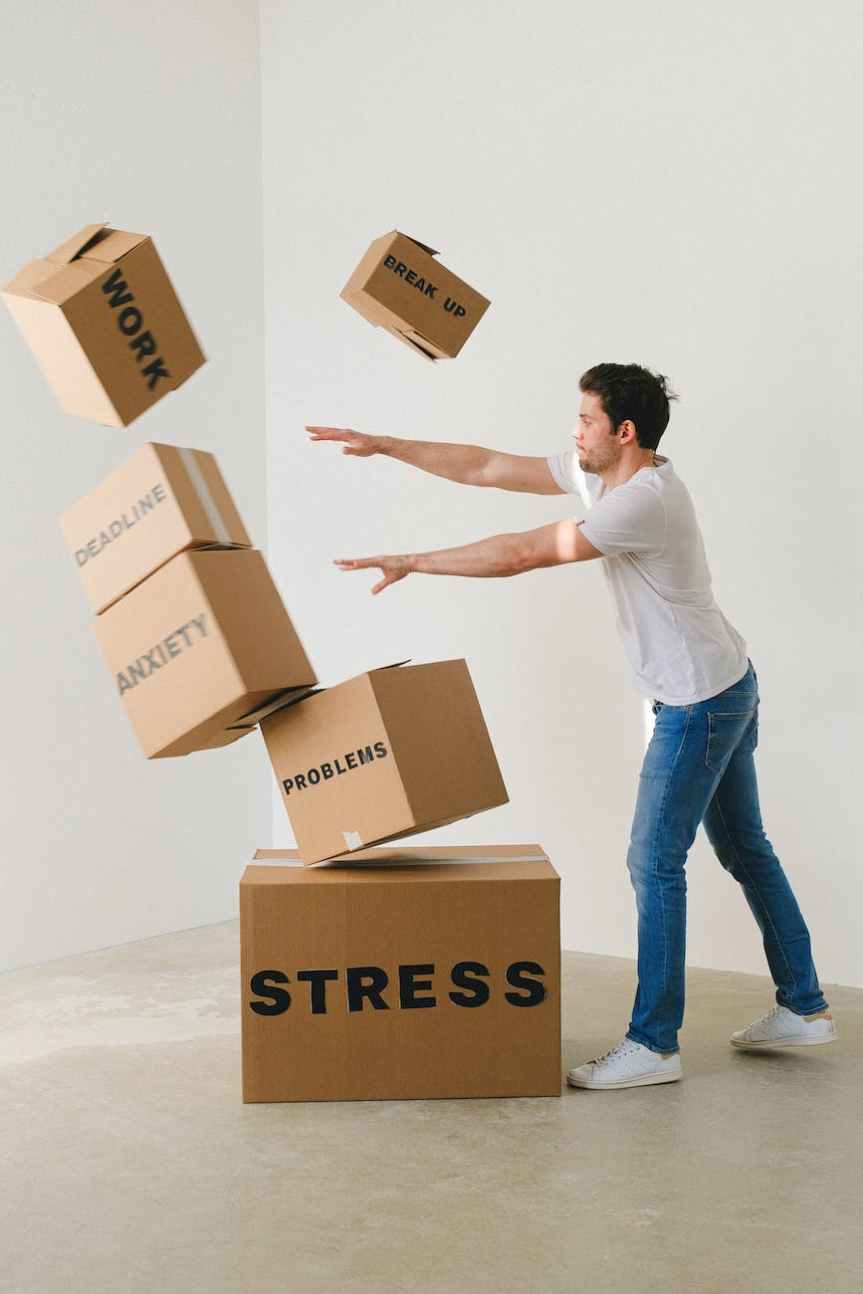
Procrastination is more than just a time-management issue; it’s a powerful stress inducer. When you constantly put off tasks and deadlines, the impending sense of urgency can lead to elevated stress levels. This chronic stress, in turn, can pave the way for a host of physical and mental health problems.
The Impact on Mental Health
Procrastination can take a toll on your mental well-being. As you delay tasks, you may experience anxiety about looming deadlines, fear of failure, and a sense of dread. These emotions can spiral into deeper feelings of depression and helplessness, affecting your overall mood and mindset.
Procrastination can also lead to a lack of focus, causing restlessness and irritability. You may find it challenging to concentrate on caregiving responsibilities or other essential tasks, creating a cycle of frustration and stress.
The Physical Toll
The stress induced by procrastination doesn’t stop at affecting your mental health—it can also manifest physically. Prolonged stress can contribute to a range of health issues, some of which can be life-threatening.
- Cardiovascular Disease: Chronic stress can elevate your blood pressure and contribute to the development of cardiovascular diseases. This includes conditions like hypertension, which significantly increase the risk of heart attacks and strokes.
- Physical Symptoms: Stress can manifest in various physical symptoms, including chronic headaches, muscle stiffness, chest pain, and fatigue. These symptoms can be debilitating, hindering your ability to provide care effectively.
- Sleep Disturbances: Procrastination-induced stress can lead to insomnia, robbing you of the restorative sleep you need to recharge and face the challenges of caregiving.
- Digestive Issues: Stress can upset your stomach and lead to gastrointestinal problems, further impacting your overall health.
- Weight Management: Procrastination-induced stress may lead to overeating or a lack of motivation to exercise, contributing to weight gain and obesity.
The Emotional Rollercoaster
As the cycle of procrastination continues, caregivers often find themselves on an emotional rollercoaster. Feelings of sadness, restlessness, and excitability can become the norm, making it even more challenging to break free from the procrastination trap.
Impact on Caregiving
Procrastination can significantly affect your ability to provide care for your aging loved ones effectively. You might postpone crucial tasks related to their healthcare or fail to maintain a healthy work-life balance. This can lead to increased stress and guilt, as you struggle to meet caregiving responsibilities and cope with the consequences of procrastination.
In the journey to break free from the clutches of procrastination and recognize its profound impact on our health and overall well-being, we’ve unearthed a critical connection between productivity, stress, and our physical and mental health. Procrastination isn’t just a mere delay of tasks; it serves as a potent stress catalyst that can cast a shadow over our lives. As we’ve explored, this cycle of procrastination can trigger a range of adverse emotions, from anxiety and depression to various physical ailments like cardiovascular problems and sleep disturbances. The emotional rollercoaster that procrastination propels us on can further complicate our caregiving responsibilities. However, with awareness comes the power to enact change. In part two of our exploration, we’ll offer practical strategies to help you break free from procrastination’s grip, fostering a healthier and happier life. This journey promises not only improved well-being for yourself but also a more fulfilling caregiving experience, and it all begins with the determination to embrace productivity, manage stress, and prioritize your health. Check out my latest blog ‘The Link Between Health, Stress and Procrastination’ to learn more!.
Stay Ahead of the Storm: Download Your Free Expert Storm Guide Now!

As we know, June – November is Hurricane Season. As a family caregiver, there are many ways to prepare your loved ones for it. Early preparation helps reduce opportunities for stress and anxiety as storms approach.
One of the best ways to prepare is allowing your loved on to assist in packing their travel bag, checking their contact list and ensuring there are adequate emergency supplies.
Participation… not isolation… go a long way when preparing for major storms. This Seniors Storm Guide gives essential information to refer to again and again!
 The Caregiver Cafe