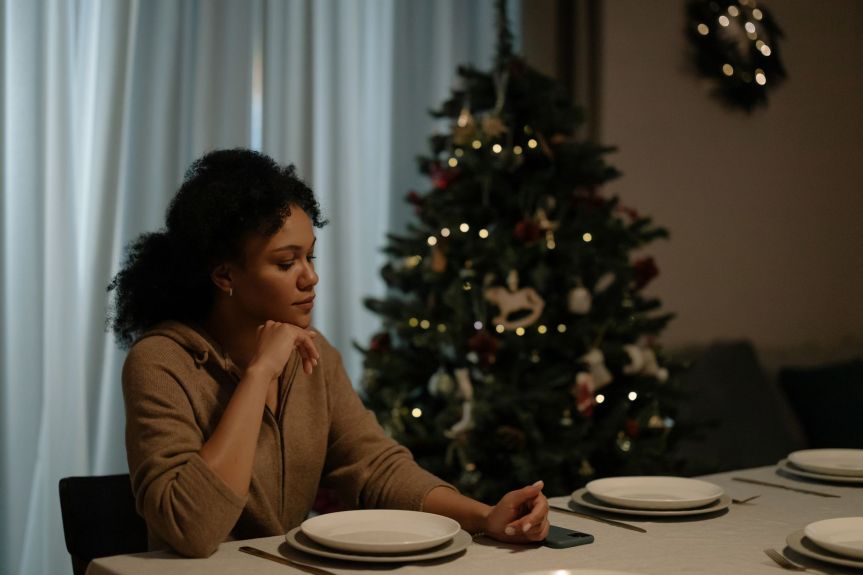
Making Room for Every Emotion This Thanksgiving

By Roz Jones

Thanksgiving is often described as a time of joy, gratitude, and family togetherness. Yet for caregivers and aging loved ones, the holiday season can bring feelings that are much more complicated. Alongside the excitement of gathering with family, there may be sadness, loneliness, grief, frustration, or anxiety about the changes that come with aging and caregiving.

Sometimes, the most meaningful thing we can offer one another during the holidays is the freedom to feel what we feel without being expected to put on a happy face.

Understand That the Holidays Can Bring Mixed Emotions

For an aging loved one, Thanksgiving may bring back memories of holidays spent with a spouse, siblings, friends, or other family members who are no longer here. Changes in health or mobility may also make it difficult to participate in traditions that once brought them joy. Even when surrounded by loved ones, an older adult may feel a sense of loss for the life they once knew.

Caregivers experience their own emotional challenges. Watching a parent or loved one age can bring uncertainty, sadness, and grief, even while that person is still present. Caregivers may also feel overwhelmed by the responsibility of coordinating care while trying to make the holiday special for everyone else.

These emotions do not mean that anyone is ungrateful for the time they have together. Two things can be true at once. You can appreciate the opportunity to celebrate Thanksgiving and still miss someone who is no longer there. You can love your aging loved one and still feel exhausted by the responsibilities of caring for them.

Making room for these feelings allows families to approach the holiday with greater understanding and compassion.

Listen Without Trying to Fix Everything

When an aging loved one expresses sadness, frustration, or worry, it can be tempting to offer reassurance immediately. We may tell them to focus on the positive, remind them of what they still have, or encourage them to enjoy the holiday.

Although these responses often come from a place of love, they can unintentionally make someone feel that their emotions are unwelcome.

Sometimes, listening is more helpful than trying to change how someone feels. Give your loved one an opportunity to share memories, talk about what has been difficult, or express concerns about the future. You do not have to find the perfect words or solve every problem. Being present and allowing them to speak honestly can help them feel heard and valued.

The same understanding should extend to caregivers. If a family member is overwhelmed, resist the urge to assume they are simply stressed about the holiday preparations. They may be carrying months or years of responsibility that are not immediately visible to others.

A sincere conversation, an offer of practical assistance, or a willingness to listen without judgment can make a meaningful difference.

Let Thanksgiving Traditions Evolve With Your Family

Traditions often give holidays their meaning, but they can also become a source of pressure when family circumstances change. An aging loved one may no longer have the energy to attend a full-day gathering, prepare a favorite recipe, or participate in activities they once enjoyed.

Rather than insisting that Thanksgiving look the way it always has, consider what would make the day meaningful now.

Perhaps your family can share a favorite memory, look through old photographs, listen to familiar music, or prepare a smaller version of a traditional meal. If a loved one becomes tired easily, a shorter gathering may be more comfortable. If certain traditions bring up painful memories, it is okay to create new ones.

The purpose of a tradition is to bring connection and meaning to our lives, not to create another obligation that leaves everyone feeling overwhelmed.

As you make plans, invite your aging loved one to share what matters most to them. Their preferences should remain part of the conversation, even when adjustments are necessary.

Remember the Emotional Needs of the Caregiver

During National Family Caregivers Month, we must also acknowledge the emotional weight caregivers carry. Caregiving can involve uncertainty, difficult decisions, changing relationships, and the experience of watching someone you love navigate the realities of aging.

During the holidays, those feelings may become more pronounced. Caregivers may feel pressure to keep everyone happy, maintain family traditions, and manage responsibilities that others do not fully understand. They may put their own emotions aside because they believe there is no room for their needs during an already busy season.

But caregivers deserve emotional support, too.

Give yourself permission to acknowledge what you are experiencing. If you feel tired, disappointed, sad, or overwhelmed, you do not have to pretend otherwise to make other people comfortable. Consider reaching out to someone you trust, connecting with a caregiver support group, or speaking with a mental health professional if you need additional support.

It is also important to ask family members for help with practical responsibilities. Sharing caregiving tasks can create more space for rest and give you an opportunity to participate in the holiday rather than spending the entire day attending to everyone else.

You can be grateful for your loved one and still need a break. You can appreciate your family and still need boundaries. Your emotional well-being deserves attention, not just when the holidays are over, but throughout the year.

Create a Thanksgiving Where Feelings Are Welcome

A meaningful Thanksgiving does not require everyone to feel happy all day. Some family members may be joyful, while others may be remembering a loss or adjusting to a difficult change. Allowing those experiences to coexist can make the gathering more compassionate and genuine.

Instead of requiring everyone to express gratitude in a particular way, invite conversations that allow people to share what they are comfortable sharing. Respect those who prefer to listen rather than speak, and recognize when someone needs a quiet moment away from the gathering.

Small gestures can also communicate love. Sitting beside an aging loved one, asking about a cherished memory, offering a comforting meal, or simply spending uninterrupted time together can help someone feel connected without requiring them to explain every emotion they are experiencing.

If emotional distress persists, interferes with daily life, or becomes difficult to manage, consider seeking guidance from a qualified healthcare or mental health professional.

This National Family Caregivers Month, let us remember that caregiving includes tending to the heart as well as the practical responsibilities of daily life. Our aging loved ones deserve the opportunity to express their feelings without judgment, and caregivers deserve that same compassion.

For more ideas on navigating the Thanksgiving season while caring for an aging loved one, revisit our earlier blog, Embracing Thanksgiving Emotions, for additional ways to nurture emotional well-being, honor difficult feelings, and create a more compassionate holiday experience.

Tune in to The Caregiver Cafรฉ Podcast

Caregiving Is More than a One Child Affair

In this episode of The Caregiver Cafรฉ with Roz Jones, Roz is joined again by Reverend Dr. Herbert A. Brisbon III for a conversation about why caregiving should be treated as a family affair instead of automatically becoming the responsibility of one child. When an aging loved one begins needing more support, families may assume everyone will contribute equally, but the reality is that each person brings different relationships, responsibilities, finances, locations, and emotional capacity to the caregiving table.

Give Yourself a Moment of Grace

For more encouragement through the emotional parts of the caregiving journey, Moments of Grace offers reflections for caregivers navigating responsibility, change, difficult days, and the moments of grace that can still be found along the way.

Subscribe to The Caregiver Cafe Weekly Newsletter!

Caregiving can be a roller coaster of ups and downs. The information that you will receive from The Caregiver Cafe Weekly Specials Newsletter will support you as a caregiver. Remember…

1. YOU ARE NOT ALONE: The problems you face as a caregiver are experienced by other caregivers. Knowing that you’re not alone can be comforting. 

2. Tools and Resources:  Find caregiver stress management tools and gain perspective from other caregiver’s experiences.

3. LEARN TO: Ask for help, accept help when it is offered, and acknowledge yourself on this caregiving journey. Hear from experts on how to balance caregiving responsibilities by taking care of your needs and involving others to help manage the natural stress and isolation of being a caregiver. 
A Safer Thanksgiving for the Ones We Love

By Roz Jones

Thanksgiving is a time for family, familiar traditions, and the comfort of being surrounded by people we love. For families caring for aging loved ones, however, preparing for the holiday involves more than planning the meal and making sure everyone has a place at the table. It also means creating an environment where older family members can feel comfortable, move around safely, and participate in the celebration.

As we recognize National Family Caregivers Month, we must acknowledge the many responsibilities caregivers carry, including looking out for their loved one’s safety. From making sure walkways are clear to keeping track of medications and helping an older adult navigate a busy household, these details require time, attention, and preparation.

While we cannot prevent every unexpected situation, taking a few thoughtful precautions can help reduce risks and make Thanksgiving more enjoyable for everyone.

A Safe Environment Begins With Preparation

When families gather for Thanksgiving, the home may look different from what an aging loved one is accustomed to. Extra chairs, decorations, serving tables, purses, and electrical cords can create obstacles, particularly for someone who uses a walker, wheelchair, or other mobility aid.

Before guests arrive, take a walk through the areas your loved one will use. Make sure pathways are clear, rugs are secured or removed when necessary, and frequently used spaces are well-lit. Pay attention to entrances, hallways, bathrooms, and the route between the living area and the dining table.

If your loved one needs assistance standing or sitting, make sure their chair is stable and easy to access. Allow enough room for mobility aids, and avoid rearranging familiar furniture unnecessarily.

These preparations may seem small, but they can make a meaningful difference. They also help caregivers feel more confident knowing they have taken steps to create a safer environment before the celebration begins.

Remember That Safety Includes Comfort

Safety is not limited to preventing falls or avoiding household accidents. It also involves recognizing when an aging loved one needs rest, assistance, or a quieter environment.

Holiday gatherings can be busy. Multiple conversations, loud music, unfamiliar visitors, and a long day of activity may become overwhelming for someone who tires easily or experiences changes in hearing, memory, or cognition.

Consider creating a quiet place where your loved one can rest if needed. Keep essential items within reach, including glasses, hearing aids, mobility aids, and other items they regularly use. If your loved one needs help getting to the bathroom or moving between rooms, make sure someone is available to assist them.

It is also helpful to communicate with family members about your loved one’s needs before the gathering begins. This allows everyone to understand how they can contribute to a comfortable experience without placing the responsibility entirely on the primary caregiver.

Keep Medication and Emergency Plans in Mind

For many older adults, maintaining a regular medication schedule is an important part of daily life. Holiday activities can interrupt familiar routines, so caregivers should plan ahead to ensure medications are taken according to the prescribed schedule.

Keep medications properly stored and accessible to the person responsible for administering or managing them. Follow existing medication instructions, and avoid changing doses or schedules simply to accommodate holiday plans. If you have questions about timing or possible interactions, consult a pharmacist or healthcare professional.

It is equally important to know what to do if an emergency occurs. Make sure necessary contact information is available, and ensure that family members who are helping with care understand any important instructions relevant to their role.

Kitchen safety deserves attention, too. Hot pans, crowded cooking areas, sharp utensils, and open flames can pose risks during a busy Thanksgiving meal. Keep walkways around the kitchen clear, avoid leaving cooking unattended, and make sure smoke alarms are working properly.

Planning for these possibilities does not mean expecting something to go wrong. It means being prepared so that the family can respond appropriately if something unexpected happens.

Caregivers Need Support to Maintain Safety

One of the most important things families can do during National Family Caregivers Month is recognize that keeping an aging loved one safe should not become the responsibility of one person alone.

When the primary caregiver is preparing food, welcoming guests, managing medications, and monitoring an older adult’s needs at the same time, it can be difficult to give each responsibility the attention it deserves. Fatigue and distraction can make an already demanding day even more challenging.

Family members can help by taking on specific responsibilities. One person might oversee the meal while another helps an aging loved one move safely around the home. Someone else could manage guest arrivals, keep pathways clear, or check in with the caregiver throughout the day.

If your loved one requires close supervision, make sure a designated person understands their needs and is prepared to provide appropriate assistance. Do not assume that someone is keeping watch simply because several people are present. A crowded house does not automatically mean a caregiver has support.

Sharing responsibilities allows the primary caregiver to take breaks, attend to other tasks, and participate in the celebration without feeling solely responsible for every detail.

Make Safety Part of the Celebration, Not a Source of Stress

As Thanksgiving approaches, remember that preparing a safe environment does not mean removing all the joy and spontaneity from the holiday. It means making thoughtful adjustments so your aging loved one can participate as comfortably as possible.

Your loved one may need additional time to move between rooms, a quieter place to rest, or help navigating unfamiliar surroundings. These accommodations are not inconveniences. They are ways of showing consideration and preserving their dignity.

This National Family Caregivers Month, let us recognize the work involved in protecting and supporting an aging loved one. Let us also remember that caregivers need support, rest, and reassurance that they do not have to manage every responsibility alone.

A meaningful Thanksgiving is one where family members look out for one another, older adults feel valued and included, and caregivers have the opportunity to enjoy the moments they have worked so hard to create.

Because keeping our loved ones safe is one way we show them how much they matter.

For additional ideas on preparing for a comfortable Thanksgiving celebration, revisit our earlier blog, Safe and Sound: A Thanksgiving of Security, for practical ways to reduce household hazards and help your aging loved ones enjoy the holiday with greater peace of mind.

Tune in to The Caregiver Cafรฉ Podcast

Caregiving Is More than a One Child Affair

In this episode of The Caregiver Cafรฉ with Roz Jones, Roz is joined again by Reverend Dr. Herbert A. Brisbon III for a conversation about why caregiving should be treated as a family affair instead of automatically becoming the responsibility of one child. When an aging loved one begins needing more support, families may assume everyone will contribute equally, but the reality is that each person brings different relationships, responsibilities, finances, locations, and emotional capacity to the caregiving table.

Give Yourself a Moment of Grace

For more encouragement through the emotional parts of the caregiving journey, Moments of Grace offers reflections for caregivers navigating responsibility, change, difficult days, and the moments of grace that can still be found along the way.

Subscribe to The Caregiver Cafe Weekly Newsletter!

Caregiving can be a roller coaster of ups and downs. The information that you will receive from The Caregiver Cafe Weekly Specials Newsletter will support you as a caregiver. Remember…

1. YOU ARE NOT ALONE: The problems you face as a caregiver are experienced by other caregivers. Knowing that you’re not alone can be comforting. 

2. Tools and Resources:  Find caregiver stress management tools and gain perspective from other caregiver’s experiences.

3. LEARN TO: Ask for help, accept help when it is offered, and acknowledge yourself on this caregiving journey. Hear from experts on how to balance caregiving responsibilities by taking care of your needs and involving others to help manage the natural stress and isolation of being a caregiver. 
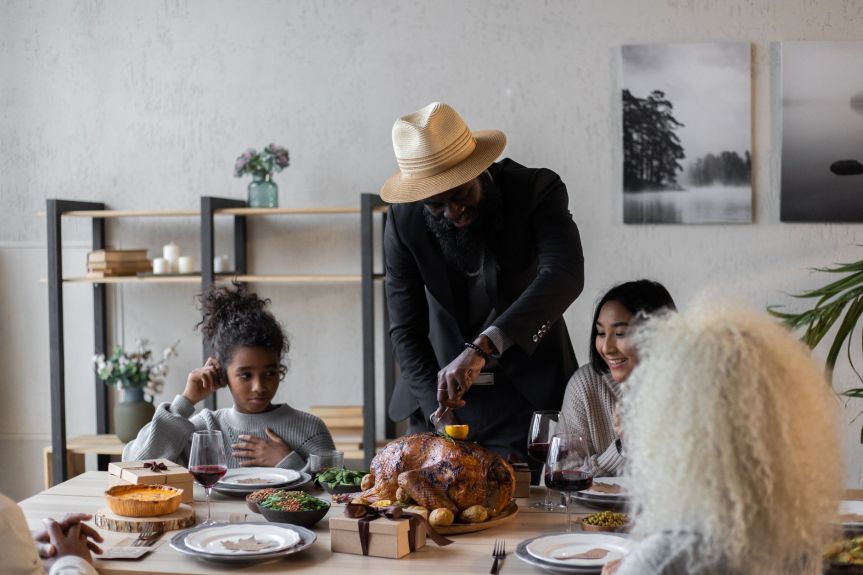
A Healthier Thanksgiving for the Ones We Love

By Roz Jones

Thanksgiving is a time when families gather around the table to share food, laughter, memories, and traditions. For families caring for aging loved ones, however, preparing the holiday meal may require a little more thought. Changes in health, appetite, mobility, and dietary needs can influence what an older adult eats and how they experience the celebration.

As we recognize National Family Caregivers Month, it is important to acknowledge the care that goes into creating a meal that everyone can enjoy. Caregivers often spend hours planning menus, shopping for ingredients, preparing dishes, and making accommodations for the people they love. These efforts are meaningful, but they should not come at the expense of the caregiver’s own well-being.

A nourishing Thanksgiving is about more than what is served on the plate. It is also about making sure our aging loved ones feel included, respected, and connected to the traditions that bring families together.

Honor Traditions While Making Room for Change

Food often carries memories. A particular side dish may remind your loved one of childhood, a family recipe may connect generations, or the smell of a familiar meal may bring back memories of holidays spent with people who are no longer here.

As our loved ones age, their dietary needs may change, but the importance of these traditions does not have to disappear. Families can find ways to preserve the meals that hold special meaning while making thoughtful adjustments when needed.

If a loved one needs to limit sodium, manage blood sugar, or follow another dietary recommendation, consider discussing appropriate ingredient substitutions with their healthcare provider or a registered dietitian. Depending on their needs, herbs and spices may add flavor without relying heavily on salt, while familiar vegetables can be prepared in ways that are easier to enjoy.

The goal is not to take away the foods that make Thanksgiving special. It is to find ways to honor those traditions while supporting your loved one’s health and comfort.

Pay Attention to More Than the Menu

For caregivers of aging loved ones, preparing a healthy meal involves understanding more than nutritional guidelines. Appetite changes, difficulty chewing or swallowing, medication-related concerns, and certain medical conditions can affect how a person eats.

Some older adults may prefer smaller portions throughout the day rather than one large meal. Others may need softer food textures or assistance with eating. These considerations are worth discussing with the appropriate healthcare professional, particularly when there are concerns about weight loss, dehydration, or swallowing difficulties.

It is also important to remember that hydration deserves attention during the holiday gathering. Offering beverages regularly and making them accessible can help, although some loved ones may have fluid restrictions that need to be followed.

Most importantly, involve your loved one in decisions about the meal whenever possible. Ask what they would enjoy, what feels comfortable to eat, and how they would like to participate. Their preferences matter, and the Thanksgiving table should remain a place where they feel included rather than singled out because of their dietary needs.

Let Family Support Extend to the Kitchen

Preparing a holiday meal while managing caregiving responsibilities can be exhausting. Caregivers may feel pressure to prepare every traditional dish, accommodate every guest, and make sure their aging loved one has everything they need.

National Family Caregivers Month reminds us that this work deserves recognition and practical support. Preparing a nourishing Thanksgiving meal does not have to be a one-person job. Family members can contribute by preparing a side dish, washing and cutting vegetables, picking up groceries, or helping clean up after dinner. Someone could also sit with an aging loved one while the caregiver takes a break or finishes preparing the meal.

Sharing these responsibilities gives caregivers more room to enjoy the celebration and allows other family members to participate in the care of their loved one. It also creates an opportunity for families to recognize that caregiving is an ongoing commitment that extends well beyond the holiday season. You do not have to prepare an elaborate feast to show your love. Sometimes, a simple meal shared in a comfortable setting is exactly what the day calls for.

Make Room for Connection, Not Perfection

As you prepare for Thanksgiving, remember that the purpose of the meal is not to create a picture-perfect table. It is to bring people together.

Your aging loved one may not eat as much as they once did. They may need to rest before dinner or leave the gathering earlier than other guests. Family traditions may need to change as their needs evolve. These adjustments do not make the holiday less meaningful. In fact, they can remind us to focus on what matters most: the opportunity to spend time together while honoring each person’s needs and circumstances.

Caregivers should also give themselves permission to enjoy the food, conversations, and memories they have worked so hard to create. You deserve to sit down, savor your meal, and be part of the celebration rather than spending the entire day making sure everyone else is taken care of.

This National Family Caregivers Month, let us recognize the thoughtfulness behind every meal prepared, every accommodation made, and every effort to preserve the traditions that connect generations. Let us also remember that caregivers need nourishment, rest, and support of their own. A healthy Thanksgiving is not simply about choosing nutritious ingredients. It is about creating an experience where aging loved ones feel valued, caregivers feel supported, and families have the opportunity to enjoy one another.

For additional ideas on planning a comfortable Thanksgiving celebration, revisit our earlier blog, Nourishing Traditions: Healthy and Delicious Thanksgiving Dishes, for guidance on accommodating dietary needs while preserving the flavors and traditions your family treasures.

Tune in to The Caregiver Cafรฉ Podcast

Caregiving Is More than a One Child Affair

In this episode of The Caregiver Cafรฉ with Roz Jones, Roz is joined again by Reverend Dr. Herbert A. Brisbon III for a conversation about why caregiving should be treated as a family affair instead of automatically becoming the responsibility of one child. When an aging loved one begins needing more support, families may assume everyone will contribute equally, but the reality is that each person brings different relationships, responsibilities, finances, locations, and emotional capacity to the caregiving table.

Give Yourself a Moment of Grace

For more encouragement through the emotional parts of the caregiving journey, Moments of Grace offers reflections for caregivers navigating responsibility, change, difficult days, and the moments of grace that can still be found along the way.

Subscribe to The Caregiver Cafe Weekly Newsletter!

Caregiving can be a roller coaster of ups and downs. The information that you will receive from The Caregiver Cafe Weekly Specials Newsletter will support you as a caregiver. Remember…

1. YOU ARE NOT ALONE: The problems you face as a caregiver are experienced by other caregivers. Knowing that you’re not alone can be comforting. 

2. Tools and Resources:  Find caregiver stress management tools and gain perspective from other caregiver’s experiences.

3. LEARN TO: Ask for help, accept help when it is offered, and acknowledge yourself on this caregiving journey. Hear from experts on how to balance caregiving responsibilities by taking care of your needs and involving others to help manage the natural stress and isolation of being a caregiver. 
Thanksgiving Is Better When Care Is Shared

By Roz Jones

As we approach Thanksgiving and recognize National Family Caregivers Month, it is important to remember that a meaningful holiday is not measured by how much one person can accomplish. It is measured by the time we spend together, the memories we create, and the care we show one another. For caregivers of aging loved ones, however, preparing for the holidays can quickly become another responsibility added to an already full plate.

In many families, one person becomes the primary caregiver. That same person may also be expected to plan Thanksgiving dinner, prepare the food, accommodate everyone’s preferences, make sure an aging parent or loved one is comfortable, and keep the family traditions alive. While these responsibilities may come from a place of love, carrying them alone can leave a caregiver exhausted before the celebration even begins.

The Thanksgiving Table Should Not Rest on One Person’s Shoulders

Thanksgiving is often associated with family coming together, but coming together should mean more than gathering around a table to eat. It should also mean sharing the responsibilities that make the gathering possible. When one family member is managing an aging loved one’s care, the holiday is an opportunity for others to recognize that person’s efforts and contribute in meaningful ways.

Perhaps one relative can prepare a side dish, another can pick up groceries, and someone else can help with transportation or spend time with an aging loved one while the caregiver finishes preparing the meal. These contributions may seem small, but they can make a significant difference in how the day unfolds.

Caregivers should not have to wait until they are overwhelmed to receive help. Support is most useful when it is offered before exhaustion sets in.

Include Your Aging Loved One in the Celebration

As we make plans for Thanksgiving, we should also remember that aging loved ones deserve to feel included in the traditions that matter to them. Changes in mobility, appetite, memory, energy levels, or health may mean that previous holiday routines need to be adjusted.

That does not mean the holiday has to lose its meaning. It simply means families may need to approach familiar traditions differently.

Ask your loved one what would make Thanksgiving enjoyable for them. They may appreciate a favorite dish, a familiar song, a chance to share stories about past holidays, or a quieter setting where they can participate without becoming overwhelmed. If a full day of festivities is too tiring, consider a shorter gathering or a planned period of rest.

The goal is not to recreate every Thanksgiving exactly as it was years ago. The goal is to create an experience that respects your loved one’s current needs while preserving the connection and joy that make the holiday special.

Make Room for the Caregiver, Too

During National Family Caregivers Month, we must recognize that caregivers are family members with needs of their own. They experience fatigue, worry, grief, and the emotional weight of watching someone they love navigate the changes that come with aging. They may also be balancing careers, personal relationships, financial responsibilities, and their own health.

Yet when the holidays arrive, caregivers can feel pressure to set those concerns aside and make everything special for everyone else.

It is important to remember that your well-being matters, too. You are allowed to simplify the menu, change a tradition, ask for assistance, or decide that certain tasks are not necessary this year. You do not have to prove your love through exhaustion, and you do not have to make every detail perfect for Thanksgiving to be meaningful.

Sometimes, the most thoughtful decision is to do less so that you can be more present.

If you are the primary caregiver, communicate your needs before the holiday arrives. Be specific about the kind of assistance that would help you most. Instead of feeling obligated to manage every detail, identify what truly needs your attention and what someone else can handle.

Family members can also take the initiative by asking what needs to be done and following through without requiring the caregiver to supervise every step. Genuine support means taking responsibility, not simply offering to help and leaving the caregiver to coordinate everything.

Create a Holiday That Reflects What Matters Most

Thanksgiving does not have to be an elaborate production to be memorable. A smaller meal, a relaxed schedule, or a celebration that looks different from previous years can still provide an opportunity for connection. What matters is making room for the people at the table, including the person who has spent so much time caring for everyone else.

As we honor National Family Caregivers Month, let us move beyond simply thanking caregivers for all they do. Let us demonstrate our appreciation by sharing responsibilities, respecting their limits, and making sure they have opportunities to enjoy the moments they work so hard to create.

Caring for an aging loved one is not meant to be a one-person responsibility. As families gather for Thanksgiving, let this be a reminder that caregiving deserves cooperation, compassion, and a willingness to show up for one another.

Because the best Thanksgiving memories are not made when one person does everything. They are made when everyone has the opportunity to participate, connect, and feel cared for.

For more on preparing for a meaningful holiday while caring for an aging loved one, revisit our earlier blog, Planning Your Stress-Free Thanksgiving Feast, for ideas on planning ahead and making the celebration more comfortable for everyone.

Tune in to The Caregiver Cafรฉ Podcast

Caregiving Is More Than a One-Child Affair

In this episode of The Caregiver Cafรฉ with Roz Jones, Roz is joined again by Reverend Dr. Herbert A. Brisbon III for a conversation about why caregiving should be treated as a family affair instead of automatically becoming the responsibility of one child. When an aging loved one begins needing more support, families may assume everyone will contribute equally, but the reality is that each person brings different relationships, responsibilities, finances, locations, and emotional capacity to the caregiving table..

Give Yourself a Moment of Grace

For more encouragement through the emotional parts of the caregiving journey, Moments of Grace offers reflections for caregivers navigating responsibility, change, difficult days, and the moments of grace that can still be found along the way.

Subscribe to The Caregiver Cafe Weekly Newsletter!

Caregiving can be a roller coaster of ups and downs. The information that you will receive from The Caregiver Cafe Weekly Specials Newsletter will support you as a caregiver. Remember…

1. YOU ARE NOT ALONE: The problems you face as a caregiver are experienced by other caregivers. Knowing that you’re not alone can be comforting. 

2. Tools and Resources:  Find caregiver stress management tools and gain perspective from other caregiver’s experiences.

3. LEARN TO: Ask for help, accept help when it is offered, and acknowledge yourself on this caregiving journey. Hear from experts on how to balance caregiving responsibilities by taking care of your needs and involving others to help manage the natural stress and isolation of being a caregiver. 

Navigating the Holidays After Loss: A Caregivers Guide to Finding Joy Again

By Roz Jones

The holidays are meant to be a time of joy, family, and celebrationโ€”but for caregivers who have recently lost a loved one, the season can bring a mix of emotions that make it feel anything but festive. If this is your first holiday season without your family member, you may be feeling overwhelmed, isolated, or simply unsure how to move forward. I understand because, I just recently lost my mom and as caregivers, we give so much of ourselves, and losing someone we care for can leave a space that feels impossible to fill.

But even in the midst of grief, there are ways to reclaim moments of peace, love, and joy. Itโ€™s okay to acknowledge your pain and sadness while also finding ways to nurture yourself this holiday season. In this updated guide, I want to share some practical tips to help you navigate the holiday season with more peace, even if your heart is heavy.

If youโ€™re looking for additional support and tips, I encourage you to revisit my earlier post โ€œTake Back Your Joy This Holiday Season After Losing Your Loved Oneโ€. It provides valuable insights into emotional preparation, creating new traditions, and seeking support, which are the first steps in your journey to healing.

Now, let’s dive into some new strategies for caregivers during the holiday season.

1. Acknowledge Your Emotionsโ€”All of Them

First and foremost, itโ€™s okay not to be okay this holiday season. You may feel sadness, frustration, even guilt, and thatโ€™s all part of the healing process. Caregiving often means putting others first, but now itโ€™s your turn to care for yourself. Donโ€™t push down your emotionsโ€”recognize and honor them. It may help to journal your thoughts, talk to a trusted friend, or simply allow yourself quiet time to reflect.

Taking a moment to pause and reflect on how youโ€™re feeling will help you understand your needs in this vulnerable time. Let go of the pressure to be happy for othersโ€”your grief is valid, and allowing yourself space to grieve will actually help you heal.

2. Set Boundaries with Holiday Expectations

The holiday season often comes with high expectations, from hosting dinners to buying the perfect gift. If youโ€™re not up for it this year, say no. This doesnโ€™t make you any less of a caregiver or a loving family member. Setting boundaries is not about being selfish; itโ€™s about being self-aware and compassionate with yourself. If social events or family gatherings feel overwhelming, let your loved ones know what youโ€™re comfortable with, or give yourself permission to skip them altogether.

Remember: You are in control of what you choose to engage with this season.

3. Create Space for Memory and Connection

If youโ€™re grieving the loss of a loved one, it can feel as if the holiday spirit is gone forever. Instead of resisting the feelings of loss, consider creating a meaningful way to connect with your loved oneโ€™s memory.

  • Light a candle in their honor during meals or gatherings.
  • Write a letter to your loved one, sharing your thoughts and what you miss most about them.
  • Look through photos or create a small memory shrine where you can reflect on the beautiful moments you shared.
  • These acts can create a sense of closeness, even if your loved one is no longer physically with you. The holidays donโ€™t have to be just about whatโ€™s in front of youโ€”they can also be about remembering and cherishing what was.

4. Volunteer and Give Back

Volunteering can be an incredibly healing way to spend your time during the holidays. It shifts your focus from your own grief to offering support and compassion to others. Whether itโ€™s serving meals at a local shelter or organizing a toy drive, giving back in the spirit of your loved oneโ€™s legacy can provide a sense of purpose and fulfillment.

If youโ€™re not up to a big commitment, consider donating in small ways. Maybe you can donate clothing, non-perishable food, or toiletries to a local cause that was close to your loved oneโ€™s heart.

5. Embrace New Holiday Traditions

Though the thought of maintaining old traditions may be comforting, sometimes we need to adapt and find new ways to enjoy the holiday season. Consider starting a new tradition that reflects where you are right now. For example:

  • A Quiet Holiday: Instead of hosting a big dinner, opt for a peaceful day of self-careโ€”think of a cozy movie marathon, taking a long walk, or visiting a park that brings you peace.
  • A Gratitude Jar: Encourage your family to write down things they are grateful for on slips of paper and place them in a jar throughout the season. This can be a reflective and positive way to acknowledge whatโ€™s good, even when everything feels hard.
  • New traditions help remind you that while things have changed, there are still ways to create joy and meaning moving forward.

6. Seek Supportโ€”You Donโ€™t Have to Do This Alone

Donโ€™t forget, you donโ€™t have to carry this burden alone. Seeking support from family, friends, or a professional can ease your emotional load. Consider joining a grief support group where you can share your experiences and learn coping strategies from others who are going through similar challenges. There are also online communities where you can find solace without leaving your home.

If youโ€™re not ready for a group setting, a counselor or therapist can offer personalized support. Donโ€™t hesitate to lean on people who genuinely care about your well-being.

7. Take Care of Yourself Physically

Grief can take a toll on your physical health as much as it does on your emotional state. Make sure youโ€™re eating regularly, staying hydrated, and getting enough rest. Exercise, even in small doses, can do wonders for relieving stress and lifting your mood.

Itโ€™s okay to take breaks and nurture your body during this time. Be mindful of your needsโ€”both mental and physicalโ€”and let those be a priority.

8. Plan for Future Holidaysโ€”One Step at a Time

While youโ€™re focusing on getting through this holiday season, remember itโ€™s also okay to plan for the future. The holidays will likely feel different next year, and creating small steps toward how you want to experience them can help ease anxiety. For example, you may decide that you want to travel, or perhaps you want to invite more people over for a festive meal. Whatever your vision is, take it one step at a time.

The holiday season after losing a loved one is undoubtedly difficult, but with intention and self-compassion, it is possible to find moments of peace and joy, even in the hardest of times. Whether youโ€™re taking it slow or creating new rituals, your journey is your own, and thereโ€™s no right or wrong way to experience it.

Remember, grief is a process that doesnโ€™t have a timetable. If you need to take a step back, give yourself permission to do so. You are not aloneโ€”there is support out there, and there are many ways to heal.

For more tips on navigating this season, check out my previous blog post โ€œTake Back Your Joy This Holiday Season After Losing Your Loved Oneโ€. Iโ€™m here to support you through this journey, and together we can embrace the holidays in a way that honors both your grief and your healing.

Take care of you, because you matter.


Subscribe to The Caregiver Cafe Weekly Newsletter!

Caregiving can be a roller coaster of ups and downs. The information that you will receive from The Caregiver Cafe Weekly Specials Newsletter will support you as a caregiver. Remember…

1. YOU ARE NOT ALONE: The problems you face as a caregiver are experienced by other caregivers. Knowing that you’re not alone can be comforting. 

2. Tools and Resources:  Find caregiver stress management tools and gain perspective from other caregiver’s experiences.

3. LEARN TO: Ask for help, accept help when it is offered, and acknowledge yourself on this caregiving journey. Hear from experts on how to balance caregiving responsibilities by taking care of your needs and involving others to help manage the natural stress and isolation of being a caregiver.