
Push Back on the Power of Procrastination for Better Health and Well-Being

By Roz Jones

In our ongoing exploration of conquering procrastination and boosting productivity, let’s delve into a profound connection that often goes unnoticed: the link between procrastination, health, and well-being. We all know that procrastination can hinder our success, but its detrimental effects extend beyond missed deadlines. Procrastination can wreak havoc on your physical and mental health, leading to a cascade of issues that can significantly impact your life. Today, we’ll uncover the intricate relationship between procrastination, stress, and health, shedding light on how these elements intertwine and influence one another. It’s a journey toward not only breaking free from procrastination’s grip but also nurturing your overall health and well-being. So, let’s dive in and explore the transformative power of overcoming procrastination for a healthier, happier you.

The Vicious Cycle: Procrastination and Stress

Procrastination is more than just a time-management issue; it’s a powerful stress inducer. When you constantly put off tasks and deadlines, the impending sense of urgency can lead to elevated stress levels. This chronic stress, in turn, can pave the way for a host of physical and mental health problems.

The Impact on Mental Health

Procrastination can take a toll on your mental well-being. As you delay tasks, you may experience anxiety about looming deadlines, fear of failure, and a sense of dread. These emotions can spiral into deeper feelings of depression and helplessness, affecting your overall mood and mindset.

Procrastination can also lead to a lack of focus, causing restlessness and irritability. You may find it challenging to concentrate on caregiving responsibilities or other essential tasks, creating a cycle of frustration and stress.

The Physical Toll

The stress induced by procrastination doesn’t stop at affecting your mental healthโ€”it can also manifest physically. Prolonged stress can contribute to a range of health issues, some of which can be life-threatening.

  • Cardiovascular Disease: Chronic stress can elevate your blood pressure and contribute to the development of cardiovascular diseases. This includes conditions like hypertension, which significantly increase the risk of heart attacks and strokes.
  • Physical Symptoms: Stress can manifest in various physical symptoms, including chronic headaches, muscle stiffness, chest pain, and fatigue. These symptoms can be debilitating, hindering your ability to provide care effectively.
  • Sleep Disturbances: Procrastination-induced stress can lead to insomnia, robbing you of the restorative sleep you need to recharge and face the challenges of caregiving.
  • Digestive Issues: Stress can upset your stomach and lead to gastrointestinal problems, further impacting your overall health.
  • Weight Management: Procrastination-induced stress may lead to overeating or a lack of motivation to exercise, contributing to weight gain and obesity.

The Emotional Rollercoaster

As the cycle of procrastination continues, caregivers often find themselves on an emotional rollercoaster. Feelings of sadness, restlessness, and excitability can become the norm, making it even more challenging to break free from the procrastination trap.

Impact on Caregiving

Procrastination can significantly affect your ability to provide care for your aging loved ones effectively. You might postpone crucial tasks related to their healthcare or fail to maintain a healthy work-life balance. This can lead to increased stress and guilt, as you struggle to meet caregiving responsibilities and cope with the consequences of procrastination.

In the journey to break free from the clutches of procrastination and recognize its profound impact on our health and overall well-being, we’ve unearthed a critical connection between productivity, stress, and our physical and mental health. Procrastination isn’t just a mere delay of tasks; it serves as a potent stress catalyst that can cast a shadow over our lives. As we’ve explored, this cycle of procrastination can trigger a range of adverse emotions, from anxiety and depression to various physical ailments like cardiovascular problems and sleep disturbances. The emotional rollercoaster that procrastination propels us on can further complicate our caregiving responsibilities. However, with awareness comes the power to enact change. In part two of our exploration, we’ll offer practical strategies to help you break free from procrastination’s grip, fostering a healthier and happier life. This journey promises not only improved well-being for yourself but also a more fulfilling caregiving experience, and it all begins with the determination to embrace productivity, manage stress, and prioritize your health. Check out my latest blog โ€˜The Link Between Health, Stress and Procrastinationโ€™ to learn more!.

Stay Ahead of the Storm: Download Your Free Expert Storm Guide Now!

Photo by ALTEREDSNAPS on Pexels.com

As we know, June โ€“ November is Hurricane Season. As a family caregiver, there are many ways to prepare your loved ones for it. Early preparation helps reduce opportunities for stress and anxiety as storms approach.

One of the best ways to prepare is allowing your loved on to assist in packing their travel bag, checking their contact list and ensuring there are adequate emergency supplies.

Participationโ€ฆ not isolationโ€ฆ go a long way when preparing for major storms. This Seniors Storm Guide gives essential information to refer to again and again!



Stay Connected!

5 Tips to Break Procrastination Habits and Empower Your Productivity

By Roz Jones

As caregivers, you navigate a world of constant demands, juggling the care of your aging loved ones with the complexities of daily life. Yet, procrastination can be an all-too-familiar hurdle, sapping your time and energy. But fret not, for in this guide, we delve into ten powerful strategies to help you overcome procrastination’s grasp and reclaim control of your productivity. Join me as we embark on a path towards greater efficiency, fulfillment, and empowerment. It’s time to rise above procrastination and embrace your caregiving role with renewed vigor.

  1.  Accountability Partners: Sometimes, it takes a little external push to break free from procrastination’s grip. Consider enlisting an accountability partner, someone you trust and respect, who can help keep you on track. Share your goals and deadlines with them, and ask for their support in holding you accountable. The knowledge that someone else is aware of your commitments can be a powerful motivator to stay on course.
  2. Prioritize and Plan: One of the roots of procrastination is feeling overwhelmed by the sheer volume of tasks at hand. Combat this by prioritizing your to-do list. Identify the most critical tasks and tackle them first. Use techniques like time-blocking or the Eisenhower Matrix to categorize tasks by urgency and importance. Planning your day or week ahead of time can provide a clear roadmap, making it easier to stay focused and productive.
  3. Mindfulness and Self-Reflection: Developing self-awareness is a powerful tool against procrastination. Take moments to pause and reflect on your procrastination triggers. What thoughts or emotions are driving your avoidance? Mindfulness practices can help you become more attuned to these patterns. By understanding the underlying causes, you can address them head-on and implement strategies to counteract them.
  4. Celebrate Small Wins: Breaking free from procrastination is a journey filled with both small victories and occasional setbacks. Celebrate each accomplishment, no matter how minor it may seem. Recognizing and rewarding yourself for completing tasks can reinforce positive behavior and motivate you to continue making progress. It’s essential to acknowledge that every step forward counts.
  5. Seek Support and Resources: Remember, you’re not alone in your battle against procrastination. Seek out support groups, forums, or online communities where you can connect with others facing similar challenges. Sharing your experiences and learning from others can provide valuable insights and encouragement. Additionally, explore resources like books, courses, or productivity tools tailored to overcoming procrastination.

As caregivers, you wear many hats and face countless demands on your time and energy. Breaking free from procrastination is a vital step toward ensuring you can efficiently manage your caregiving responsibilities while also nurturing your well-being. Embrace these tips, experiment with different strategies, and be patient with yourself as you work to conquer procrastination. By doing so, you’ll empower yourself to be more effective in caring for your aging loved ones and maintaining your own health and happiness. If you missed my previous blog โ€˜5 Tips for Breaking Procrastination Habitโ€™, check it out now! Here’s to a productive and fulfilling journey ahead!

Stay Ahead of the Storm: Download Your Free Expert Storm Guide Now!

Photo by ALTEREDSNAPS on Pexels.com

As we know, June – November is Hurricane Season. As a family caregiver, there are many ways to prepare your loved ones for it. Early preparation helps reduce opportunities for stress and anxiety as storms approach.

One of the best ways to prepare is allowing your loved on to assist in packing their travel bag, checking their contact list and ensuring there are adequate emergency supplies.

Participation… not isolation… go a long way when preparing for major storms. This Seniors Storm Guide gives essential information to refer to again and again!


Shop The Caregiver Cafe E-Commerce Store!

We founded The Caregiver Cafe Shopify Store with one simple goal: to help you experiment with your passion while at the same time providing amazing prices. We were tired of cookie-cutter stores with lackluster selections, and boring gifts. Instead of offering a huge unoriginal collection, we carefully curate just a few unique pieces perfectly suited for people the taste buds like you.

We focus on items that get you excited about shopping again, as we believe buying online should always be fun!


The Impact of Caregiving On Employment

Caregiving can impact employment by reducing work hours, causing career disruptions, and leading to financial strain.ย 

Caregivers may face discrimination, struggle with work-life balance, and experience health issues.ย 

Supportive measures are needed to help caregivers manage their responsibilities while maintaining their employment and well-being.

In this episode, I get into how juggling caregiving and employment can have a toll on caregivers.ย 

Subscribe to The Caregiver Cafe Weekly Newsletter!

Caregiving can be a roller coaster of ups and downs. The information that you will receive from The Caregiver Cafe Weekly Specials Newsletter will support you as a caregiver. Remember…

1. YOU ARE NOT ALONE: The problems you face as a caregiver are experienced by other caregivers. Knowing that you’re not alone can be comforting. 

2. Tools and Resources:  Find caregiver stress management tools and gain perspective from other caregiver’s experiences.

3. LEARN TO: Ask for help, accept help when it is offered, and acknowledge yourself on this caregiving journey. Hear from experts on how to balance caregiving responsibilities by taking care of your needs and involving others to help manage the natural stress and isolation of being a caregiver. 

Unlocking Peace and Joy with 5 Tips for Caregivers to Triumph Over Holiday Stress

By Roz Jones

Welcome to the concluding chapter of our series on managing holiday stress for caregivers of aging loved ones. Throughout this journey, we’ve equipped you with 20 invaluable tips to make this holiday season more manageable. Today, we’re unveiling the last five tips, the ultimate keys to ensuring you have a peaceful and joyful holiday season:

1. Practice Gratitude:

Take a moment each day to reflect on the things you’re grateful for. Amidst the challenges of caregiving and the holiday season, focusing on the positive aspects of your life can help shift your perspective and reduce stress. Expressing gratitude, whether through journaling or simply acknowledging it mentally, can bring moments of serenity and contentment.

2. Connect with Others:

While caregiving can often feel isolating, reaching out to friends and fellow caregivers for support can provide much-needed relief. Connecting with others who understand your unique challenges can foster a sense of camaraderie and emotional healing. Whether through in-person or virtual support groups, sharing your experiences and receiving empathy can be remarkably comforting.

3. Create a Relaxation Ritual:

Design a relaxation ritual that’s uniquely tailored to your needs. It could be as simple as reading a book, indulging in a warm bath, or savoring a cup of herbal tea. Dedicate time each day to unwind and recharge, making it a non-negotiable part of your routine. Cultivating moments of tranquility allows you to navigate the holiday season with greater ease and a clearer mind.

4. Be Present:

Amidst the holiday festivities and caregiving duties, make a conscious effort to be fully present in the moment. Cherish the time spent with your loved ones and relish the moments you have together. By immersing yourself in the here and now, you can create deeper connections, relish the holiday spirit, and minimize the distractions that contribute to stress.

5. Seek Professional Guidance:

Sometimes, the weight of caregiving and holiday stress can feel overwhelming, and seeking professional guidance is a proactive step toward self-care. Consider scheduling a session with a therapist or counselor who specializes in caregiver support. They can offer valuable insights, coping strategies, and a safe space to discuss your emotions and challenges.

As we conclude this series, remember that caregiving is an extraordinary journey filled with unique challenges and triumphs. You are not alone, and your dedication and love are the greatest gifts you can give to your aging loved one during the holidays. For a comprehensive overview of managing holiday stress as a caregiver, revisit the previous articles in this series.

Stay Ahead of the Storm: Download Your Free Expert Storm Guide Now!

Photo by ALTEREDSNAPS on Pexels.com

As we know, June โ€“ November is Hurricane Season. As a family caregiver, there are many ways to prepare your loved ones for it. Early preparation helps reduce opportunities for stress and anxiety as storms approach.

One of the best ways to prepare is allowing your loved on to assist in packing their travel bag, checking their contact list and ensuring there are adequate emergency supplies.

Participationโ€ฆ not isolationโ€ฆ go a long way when preparing for major storms. This Seniors Storm Guide gives essential information to refer to again and again!


Gone But Not Forgotten: Navigating the First Holidays Without Your Aging Loved One

By Roz Jones

As the holiday season approaches, it’s a time when warmth and joy fill the air, but it can also bring poignant moments for those who have recently lost an aging loved one. Facing the first holiday without them can be a mix of emotions, yet it’s essential to honor their memory and keep their spirit alive during this time.

Here are some heartfelt tips on navigating these holidays and preserving the memory of your beloved aging family member:

1. Set a Place at the Table:

Create a sense of presence by setting a spot at the table as if they were still here. Use their favorite chair or place their cherished items to honor their memory. This simple act can speak volumes and keep their spirit alive during your family gatherings.

2. Cook Their Signature Dish:

Prepare their favorite meal as a way to reminisce about the joyous times spent together. The aroma and taste will evoke fond memories and honor their place in your hearts. Beyond these gestures, consider these additional ways to remember and celebrate your loved one during the holiday season:

3. Create a Memory Corner:

Designate a special space adorned with photos, keepsakes, or a candle in their honor. Encourage family members to share stories or leave notes expressing their thoughts and cherished memories.

4. Volunteer or Donate in Their Honor:

Give back to the community in memory of your loved one. Volunteer at a charity they support or donate to causes close to their heart. It’s a meaningful way to carry forward their spirit of kindness and generosity.

5. Enjoy Their Favorites:

Watch their favorite movie together as a family or play the music they loved. Embracing their interests can create a sense of closeness and comfort, keeping their memory alive.

Remember, grief is a personal journey, and it’s okay to experience a range of emotions during this time. Seek comfort in sharing stories with family and friends, seek support from a community or professional, and be kind to yourself.

As someone once said, “Those we love and lose are always connected by heartstrings into infinity.” Let’s cherish the legacy they’ve left behind and honor their presence in our lives during this holiday season.

Wishing you warmth, solace, and treasured memories this Thanksgiving as you navigate this time of remembrance.

Stay Ahead of the Storm: Download Your Free Expert Storm Guide Now!

Photo by ALTEREDSNAPS on Pexels.com

As we know, June โ€“ November is Hurricane Season. As a family caregiver, there are many ways to prepare your loved ones for it. Early preparation helps reduce opportunities for stress and anxiety as storms approach.

One of the best ways to prepare is allowing your loved on to assist in packing their travel bag, checking their contact list and ensuring there are adequate emergency supplies.

Participationโ€ฆ not isolationโ€ฆ go a long way when preparing for major storms. This Seniors Storm Guide gives essential information to refer to again and again!
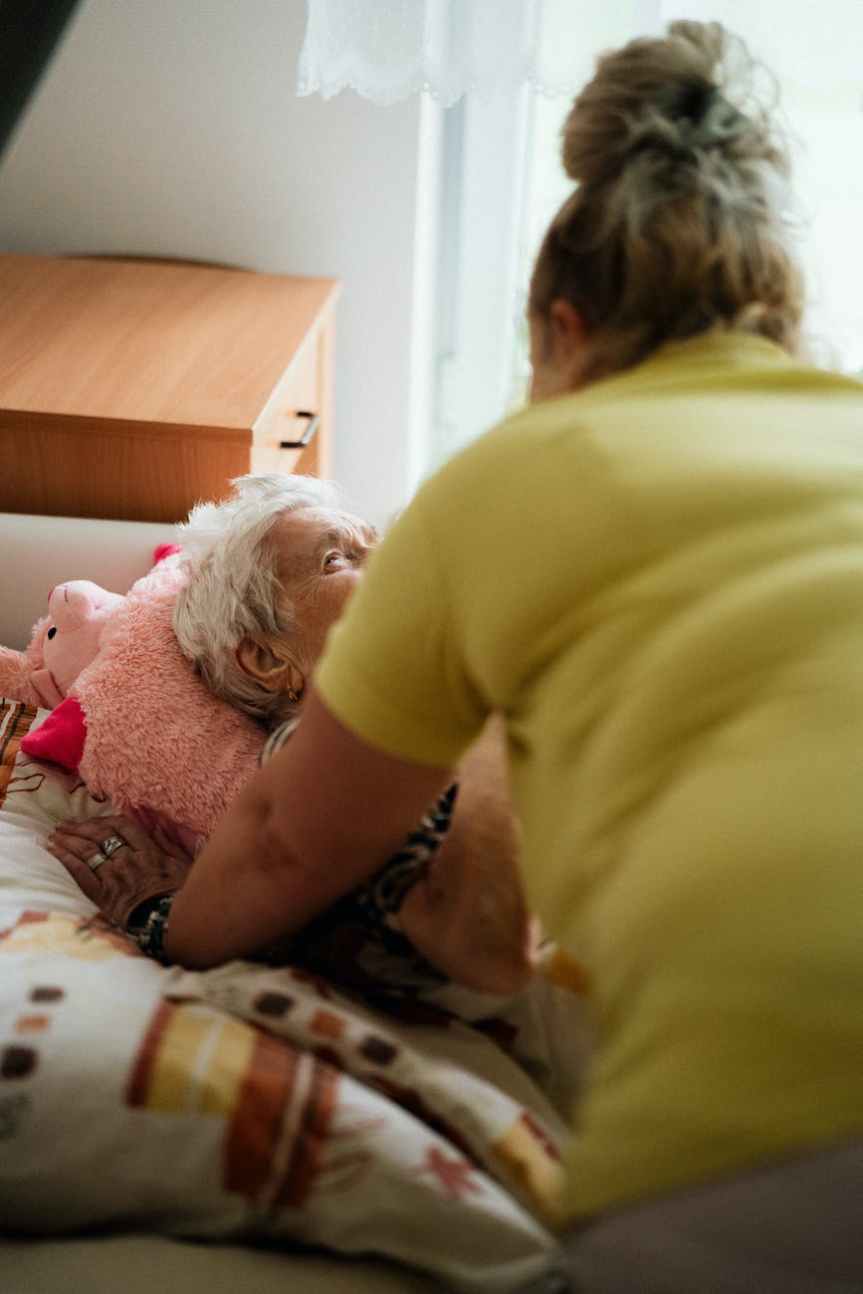

Unwrapping Serenity: 5 Tips for Caregivers to Conquer Holiday Stress

By Roz Jones

Welcome back to our series on managing holiday stress for caregivers of aging loved ones. If you’ve been following along, you know that we’ve already covered 10 valuable tips in the previous two articles. Today, we’re diving into the next set of five tips to help you navigate the holiday season with less stress and more joy.

1. Embrace Technology:

Use technology to your advantage. Video calls and social media platforms can help you stay connected with family and friends who may be far away. You can also research apps and devices that offer assistance with caregiving tasks, making your responsibilities more manageable.

2. Plan for Respite:

Respite care is essential during the holidays. Make a plan to take a break and recharge. Whether it’s a few hours to yourself or a day off, respite care services can provide temporary relief, allowing you to rest and regroup.

3. Mindful Breathing:

Practice mindful breathing techniques to reduce stress. Take a moment each day to focus on your breath, inhaling deeply and exhaling slowly. This simple practice can help calm your mind and restore your energy.

4. Create New Traditions:

Don’t be afraid to create new holiday traditions that suit your caregiving situation. It’s okay to adapt and change traditions to fit your current circumstances. Involve your loved one in the decision-making process to make it meaningful for both of you.

5. Stay Informed:

Stay informed about available resources and support groups in your community. Local organizations often host events or offer services to help caregivers during the holidays. Being aware of these resources can be a valuable lifeline. Remember, the holidays should be a time of joy and togetherness, not overwhelming stress. By implementing these tips and the ones from the previous articles, you’ll be better equipped to manage holiday stress while providing the best care for your aging loved one.

Stay Ahead of the Storm: Download Your Free Expert Storm Guide Now!

Photo by ALTEREDSNAPS on Pexels.com

As we know, June โ€“ November is Hurricane Season. As a family caregiver, there are many ways to prepare your loved ones for it. Early preparation helps reduce opportunities for stress and anxiety as storms approach.

One of the best ways to prepare is allowing your loved on to assist in packing their travel bag, checking their contact list and ensuring there are adequate emergency supplies.

Participationโ€ฆ not isolationโ€ฆ go a long way when preparing for major storms. This Seniors Storm Guide gives essential information to refer to again and again!


Shop The Caregiver Cafe E-Commerce Store!

We founded The Caregiver Cafe Shopify Store with one simple goal: to help you experiment with your passion while at the same time providing amazing prices. We were tired of cookie-cutter stores with lackluster selections, and boring gifts. Instead of offering a huge unoriginal collection, we carefully curate just a few unique pieces perfectly suited for people the taste buds like you.

We focus on items that get you excited about shopping again, as we believe buying online should always be fun!


Subscribe to The Caregiver Cafe Weekly Newsletter!

Caregiving can be a roller coaster of ups and downs. The information that you will receive from The Caregiver Cafe Weekly Specials Newsletter will support you as a caregiver. Remember…

1. YOU ARE NOT ALONE: The problems you face as a caregiver are experienced by other caregivers. Knowing that you’re not alone can be comforting. 

2. Tools and Resources:  Find caregiver stress management tools and gain perspective from other caregivers’ experiences.

3. LEARN TO: Ask for help, accept help when it is offered, and acknowledge yourself on this caregiving journey. Hear from experts on how to balance caregiving responsibilities by taking care of your needs and involving others to help manage the natural stress and isolation of being a caregiver.