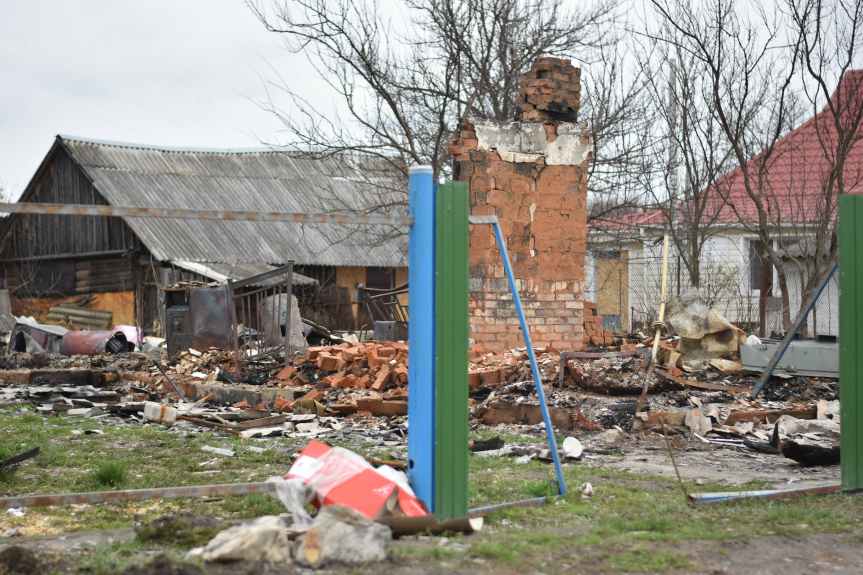
Post-Hurricane Recovery: Rebuilding and Restoring Normalcy for Aging Loved Ones

By Roz Jones

After enduring the challenges of a hurricane, caregivers of aging loved ones must shift their focus to the recovery phase. This period involves assessing and addressing any damages to the home, accessing resources for repairs or assistance, and supporting the emotional and physical recovery of your loved ones. In this blog, we will provide guidance on navigating the post-hurricane recovery process, helping caregivers restore a sense of normalcy and stability for their aging loved ones. By taking proactive steps and providing the necessary support, caregivers can help their loved ones recover and thrive in the aftermath of a hurricane.

Assessing Damages and Ensuring Safety:

The first step in post-hurricane recovery is to assess any damages to the home and ensure the safety of your loved ones. Consider the following:

  1. Structural Integrity: Inspect the home for any structural damages, such as roof leaks, foundation cracks, or compromised walls. Take necessary measures to address these issues and ensure the safety of your loved ones.
  2. Utilities: Check the functionality of essential utilities, such as electricity, water, and gas. If any of these services are disrupted or damaged, contact the appropriate service providers for repairs or restoration.
  3. Safety Hazards: Look for any potential safety hazards caused by the hurricane, such as fallen trees, debris, or broken glass. Remove or secure these hazards to prevent accidents or injuries.

Accessing Resources for Repairs and Assistance:

Recovering from a hurricane may require accessing resources for repairs and assistance. Consider the following:

  1. Insurance Claims: If you have insurance coverage, contact your insurance provider to initiate the claims process for property damages. Document the damages thoroughly with photographs and keep all related paperwork organized.
  2. Government Assistance: Research and explore any government assistance programs or grants available for hurricane recovery in your area. Check with local authorities or agencies to determine eligibility and the application process.
  3. Community Support: Seek support from local community organizations or charities that offer assistance to individuals affected by hurricanes. These resources may provide support for home repairs, temporary housing, or essential supplies.

Supporting Emotional and Physical Recovery:

In addition to addressing the practical aspects of recovery, caregivers must also support the emotional and physical well-being of their aging loved ones. Consider the following:

  1. Emotional Support: Recognize and validate any emotions your loved ones may be experiencing, such as anxiety, sadness, or frustration. Provide a listening ear and offer reassurance during this challenging time.
  2. Physical Health: Prioritize your loved one’s physical health by ensuring they have access to necessary medications, medical care, and a healthy diet. Encourage them to engage in activities that promote well-being, such as light exercise or hobbies they enjoy.
  3. Routine and Normalcy: Establish a sense of routine and normalcy as quickly as possible. Stick to regular schedules for meals, medication administration, and daily activities. Familiarity and consistency can help restore a sense of stability.

By the way, you may see behavioral changes in your aging loved one after a hurricane because your loved one is not in their home or on a regular routine.

Post-hurricane recovery is a critical phase for caregivers of aging loved ones. By assessing damages, accessing resources for repairs or assistance, and supporting the emotional and physical recovery of your loved ones, you can help them rebuild and restore a sense of normalcy after a hurricane. Remember to stay organized, seek available resources, and provide the necessary support to ensure the well-being of your aging loved ones. Through resilience and compassion, caregivers can guide their loved ones through the recovery process and create a safe and comfortable environment for them to thrive once again.

Stay Ahead of the Storm: Download Your Free Expert Storm Guide Now!

Photo by ALTEREDSNAPS on Pexels.com

As we know, June โ€“ November is Hurricane Season. As a family caregiver, there are many ways to prepare your loved ones for it. Early preparation helps reduce opportunities for stress and anxiety as storms approach.

One of the best ways to prepare is allowing your loved on to assist in packing their travel bag, checking their contact list and ensuring there are adequate emergency supplies.

Participationโ€ฆ not isolationโ€ฆ go a long way when preparing for major storms. This Seniors Storm Guide gives essential information to refer to again and again!

Stay Connected!

Caring for Aging Loved Ones with Special Needs During a Hurricane

By Roz Jones

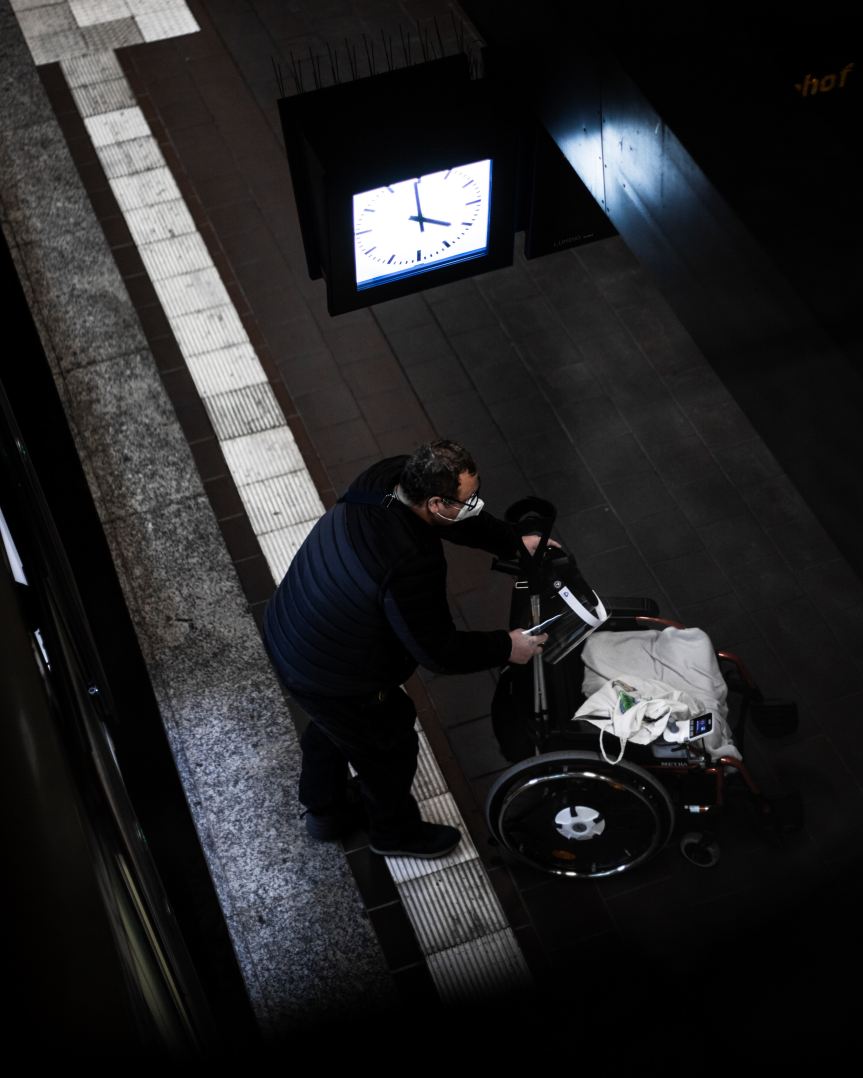
As caregivers of aging loved ones with special needs, it’s essential to take extra precautions and make specific preparations to ensure their safety and well-being during a hurricane. Special needs can include mobility issues, cognitive impairments, chronic health conditions, or other unique challenges that require additional attention and care. In this blog, we will discuss the considerations and preparations necessary to meet the specific needs of aging loved ones with special requirements during a hurricane. By addressing these additional factors, caregivers can provide the support and assistance necessary to keep their loved ones safe and comfortable during this challenging time.

Assessing Special Needs:

The first step in caring for aging loved ones with special needs during a hurricane is to assess their specific requirements. Consider the following factors:

  1. Mobility: Determine the level of mobility your loved one has and whether they require assistive devices, such as wheelchairs, walkers, or canes. Identify any barriers that may hinder their movement during an evacuation or while sheltering in place.
  2. Cognitive Abilities: Evaluate your loved one’s cognitive abilities and determine their understanding of emergency situations. This assessment will help you provide the appropriate level of guidance and support.
  3. Chronic Health Conditions: Identify any chronic health conditions your loved one may have, such as diabetes, heart disease, or respiratory issues. These conditions may require special attention and medication management during a hurricane.

Specialized Equipment and Supplies:

Caregivers of aging loved ones with special needs should ensure they have access to the necessary specialized equipment and supplies. Consider the following:

  1. Medical Equipment: Identify any medical equipment your loved one requires, such as oxygen tanks, nebulizers, or feeding tubes. Make sure you have a sufficient supply of backup batteries or alternative power sources.
  2. Prescription Medications: Ensure you have an ample supply of your loved one’s prescription medications, including any specific instructions for administering them during a hurricane. Keep medications properly labeled and organized for easy access.
  3. Communication Tools: Consider the communication needs of your loved one. If they have hearing or speech impairments, ensure they have appropriate tools or devices to facilitate effective communication during an emergency.

Access to Necessary Services:

During a hurricane, access to necessary services may be limited. Caregivers should plan ahead to ensure their loved ones with special needs have access to essential services. Consider the following:

  1. Medical Services: Coordinate with your loved one’s healthcare providers to ensure access to medical services during and after a hurricane. Inquire about alternative locations or emergency clinics that may be available.
  2. Personal Care Assistance: If your loved one requires personal care assistance, such as bathing, dressing, or medication administration, make arrangements for professional caregivers who can provide these services during an emergency.
  3. Community Resources: Research local community resources that offer support and assistance to individuals with special needs during emergencies. These resources may include special needs shelters, transportation services, or organizations that can provide additional assistance.

Caring for aging loved ones with special needs during a hurricane requires careful planning, consideration, and preparation. By assessing their specific requirements, ensuring access to specialized equipment and supplies, and coordinating with necessary services, caregivers can provide the support and assistance necessary to keep their loved ones safe and comfortable during this challenging time. Remember to review and update your emergency plan regularly, taking into account any changes in your loved one’s condition or needs. By being proactive and prepared, caregivers can navigate the hurricane season with confidence, knowing they have taken steps to address the unique needs of their aging loved ones with special requirements.

Stay Ahead of the Storm: Download Your Free Expert Storm Guide Now!

Photo by ALTEREDSNAPS on Pexels.com

As we know, June โ€“ November is Hurricane Season. As a family caregiver, there are many ways to prepare your loved ones for it. Early preparation helps reduce opportunities for stress and anxiety as storms approach.

One of the best ways to prepare is allowing your loved on to assist in packing their travel bag, checking their contact list and ensuring there are adequate emergency supplies.

Participationโ€ฆ not isolationโ€ฆ go a long way when preparing for major storms. This Seniors Storm Guide gives essential information to refer to again and again!


Stay Connected!

Emergency Preparedness for Medications: Ensuring a Continuous Supply

By Roz Jones

During a hurricane or severe weather event, it’s crucial for caregivers of aging loved ones to ensure a continuous supply of medications. Disruptions in access to healthcare facilities, pharmacies, and transportation can make it challenging to obtain essential medications during emergencies. However, with proper planning and preparation, caregivers can proactively manage medication needs and ensure their loved ones receive the necessary treatments even in the midst of challenging circumstances. In this blog, we will discuss the importance of emergency preparedness for medications and provide strategies for stocking up, organizing, and managing medication schedules during emergency situations.

Stocking Up on Medications:

When preparing for a hurricane, it’s essential to stock up on a 90-day supply of medications and supplies for your aging loved ones. Consider the following strategies:

1. Refill Prescriptions in Advance: Contact your loved ones’ healthcare providers and pharmacies to refill prescriptions ahead of time. Aim to have at least a two-week supply on hand.

2. Create a Medication Inventory: Take inventory of all medications your loved ones are currently taking. Make note of prescription medications, over-the-counter drugs, and any supplements they may be using.

3. Store Medications Safely: Ensure medications are stored in a cool, dry place away from direct sunlight and out of reach of children. Check expiration dates regularly and discard any expired medications.

Organizing and Labeling Medication Containers:

Proper organization and labeling of medication containers are crucial for easy access and administration during emergency situations. Consider the following tips:

1. Use Clear and Labeled Containers: Transfer medications from their original packaging to clear, labeled containers. Clearly mark each container with the medication name, dosage instructions, and any other relevant information.

2. Create a Medication Schedule: Develop a medication schedule or chart that outlines the specific times and dosages for each medication. This will help caregivers and other family members administer medications correctly and ensure no doses are missed.

3. Include Special Instructions: If there are any special instructions for taking certain medications, such as taking with food or avoiding certain activities, make sure to note them clearly on the medication containers or the medication schedule.

Managing Medication Schedules:

During a hurricane or emergency situation, maintaining medication schedules can be challenging. However, with careful planning and organization, caregivers can ensure their loved ones stay on track with their medication regimen. Consider the following strategies:

1. Create a Backup Plan: Develop a contingency plan for medication administration in case power outages or other disruptions occur. This may involve having a backup power source for medical devices or coordinating with healthcare professionals for alternative medication administration methods.

2. Notify Healthcare Providers: Inform your loved ones’ healthcare providers about the emergency situation and seek their guidance on managing medications during this time. They may provide valuable advice or alternative solutions.

3. Seek Support from Local Resources: Research local resources, such as emergency response agencies or community organizations, that may provide assistance with medication management during emergencies. Some areas have programs in place specifically designed to support medication needs during disasters.

Oh by the way, here are some supplies you may want to consider when you are planning for hurricane season. 

  • Adult Wipes
  • Pull-ups
  • Bed Pads
  • Butt Paste
  • Lotion
  • Toothpaste & Toothbrush
  • Insect Spray

Ensuring a continuous supply of medications for aging loved ones during a hurricane is crucial for their health and well-being. By stocking up on medications, organizing and labeling medication containers, and establishing a system for managing medication schedules, caregivers can proactively address medication needs even in challenging circumstances. Remember to regularly review and update your emergency medication plan to reflect any changes in your loved ones’ prescriptions or health conditions. By being prepared, caregivers can help ensure their aging loved ones receive the necessary treatments and maintain their health during emergency situations.

Stay Ahead of the Storm: Download Your Free Expert Storm Guide Now!

Photo by ALTEREDSNAPS on Pexels.com

As we know, June โ€“ November is Hurricane Season. As a family caregiver, there are many ways to prepare your loved ones for it. Early preparation helps reduce opportunities for stress and anxiety as storms approach.

One of the best ways to prepare is allowing your loved on to assist in packing their travel bag, checking their contact list and ensuring there are adequate emergency supplies.

Participationโ€ฆ not isolationโ€ฆ go a long way when preparing for major storms. This Seniors Storm Guide gives essential information to refer to again and again!


Stay Connected!

Hurricane Evacuation and Shelter Options for Aging Loved Ones

By Roz Jones

During a hurricane, it’s crucial for caregivers of aging loved ones to be well-prepared for potential evacuation or sheltering. Ensuring the safety and comfort of your aging loved ones is paramount in these situations. Evacuation is your best option when dealing with hurricanes. Only secure your home when that option is not on the table. In this blog, we will discuss the importance of staying informed about evacuation orders, identifying local shelters that can accommodate the needs of seniors, making necessary arrangements in advance, and packing essential items for your loved ones’ safety and comfort. By being prepared, you can ensure the well-being of your aging loved ones during a hurricane.

1. Stay Informed about Evacuation Orders:

Keep a close eye on local news and weather updates to stay informed about evacuation orders in your area. Familiarize yourself with the different levels of evacuation and understand the guidelines provided by local authorities. Make a plan in advance for when and how you will evacuate if necessary.

2. Identify Local Shelters for Seniors:

Research and identify local shelters that can accommodate the needs of seniors. Some shelters may have specific provisions for older adults, such as medical services, mobility assistance, and specialized care. Contact your local emergency management agency or senior services agency to obtain information about designated shelters for seniors in your area.

3. Make Necessary Arrangements in Advance:

If evacuation becomes necessary, make necessary arrangements in advance to ensure a smooth transition for your aging loved ones. Prepare an evacuation kit with essential documents, medications, medical equipment, important contact information, and personal items. Consider transportation options and plan for any specific needs your loved ones may have, such as mobility aids or dietary restrictions. Reach out to family members, friends, or caregivers in advance to discuss potential evacuation plans and support.

4. Pack Essential Items for Safety and Comfort:

When packing for evacuation, ensure you include essential items for the safety and comfort of your aging loved ones. This may include medications, medical supplies, extra clothing, personal hygiene items, comfort items, and any necessary mobility aids. It’s also important to pack non-perishable food, bottled water, and any special dietary items they may require. Don’t forget to bring important documents such as identification, insurance information, and medical records.

5. Maintain Open Communication:

During the evacuation process, maintain open communication with your aging loved ones. Keep them informed about the situation and provide reassurance. Make sure they have a way to contact you or the designated points of contact established in your emergency communication plan. Regularly check in with them to address any concerns or needs they may have.

Being prepared for potential evacuation or sheltering is vital for caregivers of aging loved ones during a hurricane. Stay informed about evacuation orders, identify local shelters for seniors, make necessary arrangements in advance, and pack essential items for their safety and comfort. By taking these measures, you can ensure the well-being of your aging loved ones and navigate the challenges of a hurricane with confidence. Remember to maintain open communication and provide reassurance throughout the process.

Stay Ahead of the Storm: Download Your Free Expert Storm Guide Now!

Photo by ALTEREDSNAPS on Pexels.com

As we know, June โ€“ November is Hurricane Season. As a family caregiver, there are many ways to prepare your loved ones for it. Early preparation helps reduce opportunities for stress and anxiety as storms approach.

One of the best ways to prepare is allowing your loved on to assist in packing their travel bag, checking their contact list and ensuring there are adequate emergency supplies.

Participationโ€ฆ not isolationโ€ฆ go a long way when preparing for major storms. This Seniors Storm Guide gives essential information to refer to again and again!


Stay Connected!

Securing the Home: Protecting Your Aging Loved Ones and Belongings During a Hurricane

By Roz Jones

When a hurricane approaches, ensuring the safety of your aging loved ones becomes a top priority. Securing your home is an essential step in safeguarding both your loved ones and their belongings. Of course, hurricane evacuation is the best option, and only when that isn’t possible should you remain in your home as one approach. You can also consider properly secured shelters for seniors. In this blog, we will provide practical tips and guidance on how to protect your aging loved ones during a hurricane. We will discuss reinforcing windows and doors, trimming trees and shrubs, securing outdoor furniture, and making necessary adaptations to accommodate their needs. By taking these measures, you can create a safer environment for your aging loved ones during a hurricane.

1. Reinforce Windows and Doors:

Windows and doors are vulnerable points during a hurricane. Ensure they are adequately reinforced to withstand strong winds and debris. Consider installing storm shutters or boarding up windows with plywood. Reinforce doors with sturdy bolts or braces. Check for any cracks or gaps and seal them to prevent water infiltration.

2. Trim Trees and Shrubs:

Trimming trees and shrubs around your property is crucial to prevent branches from becoming potential hazards during high winds. Remove any dead or weak branches that could pose a threat to your home or your aging loved ones. Hire a professional if needed to ensure proper trimming and disposal of the cuttings.

3. Secure Outdoor Furniture and Objects:

Outdoor furniture, gardening tools, and other objects in your yard can become dangerous projectiles during a hurricane. Secure or bring them indoors to prevent them from causing damage. Consider storing them in a shed, garage, or other secure areas. If you have limited storage space, use heavy-duty straps or chains to anchor larger items.

4. Adapt the Living Space for Safety:

As a caregiver, take the time to assess the living space of your aging loved ones and make necessary adaptations to enhance their safety during a hurricane. Remove any potential tripping hazards and ensure clear pathways within the home. Install handrails in key areas, such as staircases and bathrooms, to provide stability. Consider placing non-slip mats in high-risk areas prone to water accumulation.

5. Create a Safe Room:

Designate a safe room within the home where your aging loved ones can seek shelter during the hurricane. Choose an interior room on the ground floor, preferably without windows. Stock it with essential supplies such as water, non-perishable food, medications, flashlights, batteries, and a first aid kit. Ensure your loved ones are familiar with this designated safe space and know how to access it quickly.

Securing the home is a crucial step in protecting your aging loved ones and their belongings during a hurricane. By reinforcing windows and doors, trimming trees and shrubs, securing outdoor furniture, and making necessary adaptations to accommodate their needs, you can create a safer environment for your aging loved ones. Remember to assess the living space and create a designated safe room within the home. By taking these measures, you will be better prepared to weather the storm and keep your loved ones safe.

Stay Ahead of the Storm: Download Your Free Expert Storm Guide Now!

Photo by ALTEREDSNAPS on Pexels.com

As we know, June โ€“ November is Hurricane Season. As a family caregiver, there are many ways to prepare your loved ones for it. Early preparation helps reduce opportunities for stress and anxiety as storms approach.

One of the best ways to prepare is by allowing your loved one to assist in packing their travel bag, checking their contact list, and ensuring there are adequate emergency supplies.

Participationโ€ฆ not isolationโ€ฆ goes a long way when preparing for major storms. This Seniors Storm Guide gives essential information to refer to again and again!


Stay Connected!