
Rediscovering the Joy of Reading and Gardening: Activities for Caregivers and Aging Loved Ones

By Roz Jones

As a caregiver for an aging loved one, finding activities that promote their mental stimulation and enjoyment is essential. In today’s blog post, we will explore two engaging activities that can bring a sense of fulfillment and joy to your caregiving routine: reading and gardening. These activities provide opportunities for intellectual growth, creativity, and connection with nature. So, let’s delve into the world of books and gardens and discover how they can enrich the lives of your aging loved ones.

Activity 1: Reading

Reading is a wonderful activity that can transport us to different worlds, expand our knowledge, and ignite our imagination. For aging loved ones who may face physical limitations, reading offers a gateway to new experiences and intellectual stimulation. It also provides a platform for shared moments of connection and conversation between you and your loved one.

Select books that align with your loved one’s interests and preferences, whether it’s fiction, non-fiction, biographies, or even poetry. Consider reading aloud to your loved one, taking turns reading chapters, or discussing the books together. If possible, create a cozy reading nook with comfortable seating, good lighting, and a collection of their favorite books. Encourage discussions, share insights, and allow the magic of storytelling to unfold.

Activity 2: Gardening

Gardening is a therapeutic and rewarding activity that can benefit both physical and mental well-being. Engaging in gardening with your aging loved one provides an opportunity to connect with nature, enjoy fresh air, and witness the beauty of growth and nurturing.

Start small by creating a container garden or tending to a few potted plants. Even if you have limited space, a windowsill or balcony can serve as a green oasis. Involve your loved one in selecting plants, planting seeds, or tending to existing plants. Gardening promotes physical movement, sensory stimulation, and a sense of accomplishment as they witness the fruits of their labor.

Encourage conversations about favorite plants, childhood memories related to gardening, and the joy of being surrounded by nature. This shared experience can deepen your bond and provide moments of tranquility and reflection.

Incorporating activities like reading and gardening into your caregiving routine can have a profound impact on the well-being and quality of life for your aging loved one. These activities offer mental stimulation, creativity, and opportunities for connection and shared experiences. Remember to tailor the activities to their interests and abilities, creating a comfortable and inviting space for reading and gardening sessions.

By embracing the joy of reading and the wonders of gardening, you are creating moments of fulfillment and happiness for your loved one. Stay tuned for our final blog post in this series, where we will explore more activities to enhance the lives of aging parents and caregivers.
Remember to check out our previous blog post on activities for elderly parents for additional inspiration and ideas. Together, let’s continue to create meaningful and enriching experiences for our aging loved ones.

Planning a Summer Vacation with an Aging Loved One? Download the FREE Checklist!

Are you embarking on a summer vacation adventure with a loved one in need of care? Whether you’re a caregiver or know someone who is, we understand the unique challenges and considerations that come with vacationing while ensuring your loved one is safe..

Make your vacation experience stress-free and enjoyable for both you and your loved one, we’re excited to offer you a free downloadable checklist!

Stay Ahead of the Storm: Download Your Free Expert Storm Guide Now!

Photo by ALTEREDSNAPS on Pexels.com

As we know, June โ€“ November is Hurricane Season. As a family caregiver, there are many ways to prepare your loved ones for it. Early preparation helps reduce opportunities for stress and anxiety as storms approach.

One of the best ways to prepare is allowing your loved on to assist in packing their travel bag, checking their contact list and ensuring there are adequate emergency supplies.

Participationโ€ฆ not isolationโ€ฆ go a long way when preparing for major storms. This Seniors Storm Guide gives essential information to refer to again and again!

Promoting Well-being Through Outdoor Walks and Board Games: A Guide for Caregivers

By Roz Jones

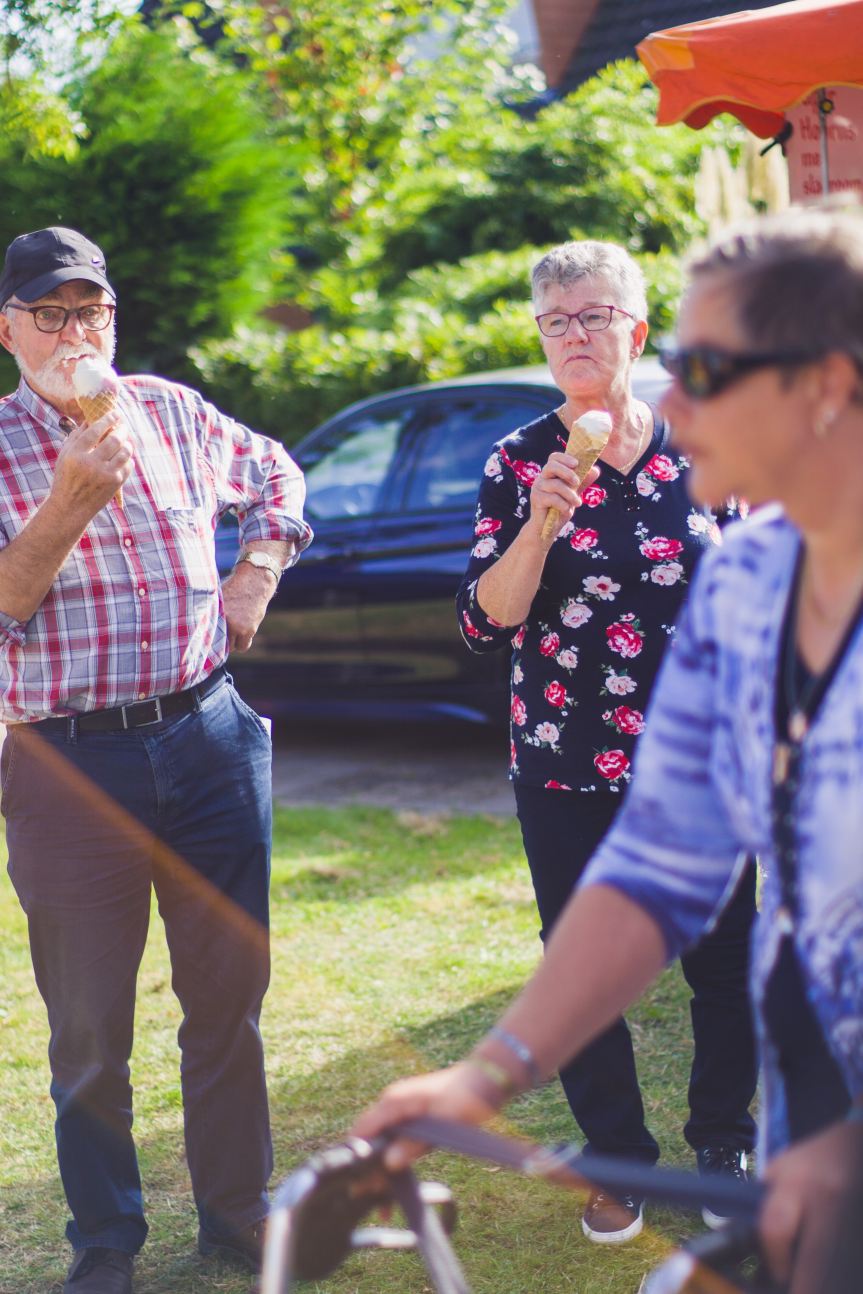
As a caregiver of an aging loved one, you understand the importance of providing engaging activities that promote their well-being and overall quality of life. In this blog post, we will explore two activities that can bring joy and stimulation to your elderly parent’s routine: outdoor walks and board games. These activities not only provide physical and mental benefits but also create opportunities for connection and shared experiences. So, let’s dive in and discover how you can incorporate these activities into your caregiving journey.

Activity 1: Outdoor Walks

Outdoor walks offer numerous health benefits for elderly individuals and can be a delightful activity to enjoy with your aging loved one. Walking provides a gentle form of exercise, improves cardiovascular health, and promotes joint flexibility. Additionally, being in nature and breathing fresh air can have a positive impact on mental well-being.

To get started, choose a safe and accessible walking route that suits your loved one’s mobility level. Remember to consider their pace and comfort, and encourage breaks when needed. During your walks, engage in conversations, point out interesting sights, or simply enjoy the peaceful surroundings together.

Activity 2: Board Games

Board games are an excellent way to stimulate the mind and provide hours of entertainment for both you and your loved one. They encourage cognitive abilities, enhance memory, and promote social interaction. Whether you’re revisiting classic games or exploring new ones, board games offer a chance to engage in friendly competition and create lasting memories.

Choose games that are easy to understand and adapt the rules if necessary. Create a comfortable and inviting space for game sessions, ensuring proper lighting and seating. As you play together, cherish the moments of laughter, strategizing, and bonding that board games can provide.

Incorporating outdoor walks and board games into your caregiving routine can have a positive impact on the well-being of your aging loved one. These activities not only offer physical and mental benefits but also create opportunities for meaningful connections and shared experiences. Remember to adapt the activities to your loved one’s abilities and preferences, ensuring their comfort and enjoyment.


For further inspiration and a comprehensive guide to activities for elderly parents, be sure to check out our previous blog post on “What Activities Can an Elderly Parent Participate In?” By incorporating a variety of engaging activities into your caregiving journey, you can enhance the well-being and quality of life for both you and your loved one.

Planning a Summer Vacation with an Aging Loved One? Download the FREE Checklist!

Are you embarking on a summer vacation adventure with a loved one in need of care? Whether you’re a caregiver or know someone who is, we understand the unique challenges and considerations that come with vacationing while ensuring your loved one is safe..

Make your vacation experience stress-free and enjoyable for both you and your loved one, we’re excited to offer you a free downloadable checklist!

Stay Ahead of the Storm: Download Your Free Expert Storm Guide Now!

Photo by ALTEREDSNAPS on Pexels.com

As we know, June โ€“ November is Hurricane Season. As a family caregiver, there are many ways to prepare your loved ones for it. Early preparation helps reduce opportunities for stress and anxiety as storms approach.

One of the best ways to prepare is allowing your loved on to assist in packing their travel bag, checking their contact list and ensuring there are adequate emergency supplies.

Participationโ€ฆ not isolationโ€ฆ go a long way when preparing for major storms. This Seniors Storm Guide gives essential information to refer to again and again!


How to Ensure a Stress-Free Vacation with Elderly Parents

By Roz Jones

Taking a vacation is an opportunity to unwind, recharge, and create lasting memories. However, for caregivers who are responsible for aging loved ones, planning a vacation can often feel overwhelming and stressful. Balancing the needs and well-being of elderly parents with the desire for a worry-free getaway can be challenging. In this blog, we will provide practical tips and strategies to help caregivers ensure a stress-free vacation while caring for their elderly parents. By implementing these suggestions, caregivers can enjoy their time away while ensuring the comfort, safety, and happiness of their aging loved ones.

Plan Ahead and Communicate:
The key to a stress-free vacation with elderly parents is careful planning and open communication. Start by discussing the vacation plans with your loved ones well in advance. Engage them in the decision-making process and take into consideration their preferences, health conditions, and limitations. Consult with their healthcare provider if necessary to ensure that they are fit for travel and that any required medical arrangements are in place. Additionally, inform other family members or close friends about your vacation plans, so they can provide assistance or support if needed during your absence.

Research and Choose Suitable Accommodations:
When selecting accommodations for your vacation, consider the specific needs of your elderly parents. Look for hotels, resorts, or vacation rentals that are senior-friendly, accessible, and equipped with necessary amenities such as handrails, wheelchair accessibility, and medical support if required. Consider the proximity of medical facilities and pharmacies in case of emergencies. If traveling by air, notify the airline in advance about any special assistance or accommodations needed for your parents. By choosing accommodations that cater to their needs, you can ensure their comfort and minimize any potential challenges.

Arrange for Caregiver Support:
Depending on the needs of your elderly parents, it may be necessary to arrange for caregiver support while you are on vacation. This could involve hiring a professional caregiver, reaching out to other family members, or enlisting the help of trusted friends or neighbors. Ensure that the caregiver is familiar with your parents’ routines, medications, and any specific care instructions. Provide them with emergency contact information and detailed instructions for handling various situations that may arise. Regularly communicate with the caregiver during your vacation to stay informed and address any concerns promptly.

Stay Connected and Provide Reassurance:
Maintaining open lines of communication with your elderly parents during your vacation is essential for their peace of mind and your own. Schedule regular check-ins via phone calls, video chats, or messaging apps to provide reassurance and support. Discuss their well-being, address any concerns they may have, and remind them of the caregiver’s presence or any emergency contacts. This regular connection will help alleviate any anxiety they may feel during your absence and allow you to stay updated on their condition.

Take Care of Yourself:
Lastly, remember that your own self-care is equally important. Prioritize moments of relaxation and enjoyment during your vacation. Allow yourself to recharge and unwind, knowing that you have taken the necessary steps to ensure your elderly parents are well cared for. Engage in activities that bring you joy and help you destress, whether it’s reading a book, practicing meditation, or simply taking a walk in nature. By taking care of yourself, you will return from your vacation rejuvenated and better able to continue providing care for your aging loved ones.

Taking a stress-free vacation with elderly parents requires thoughtful planning, effective communication, and support from caregivers. By planning ahead, choosing suitable accommodations, arranging caregiver support, staying connected, and prioritizing self-care, caregivers can enjoy a worry-free getaway while ensuring the well-being and comfort of their aging loved ones. Remember that vacations are a time to recharge and rejuvenate, so embrace the opportunity to create cherished memories with your loved ones while also nurturing your own well-being.

Planning a Summer Vacation with an Aging Loved One? Download the FREE Checklist!

Are you embarking on a summer vacation adventure with a loved one in need of care? Whether you’re a caregiver or know someone who is, we understand the unique challenges and considerations that come with vacationing while ensuring your loved one is safe..

Make your vacation experience stress-free and enjoyable for both you and your loved one, we’re excited to offer you a free downloadable checklist!

Stay Ahead of the Storm: Download Your Free Expert Storm Guide Now!

Photo by ALTEREDSNAPS on Pexels.com

As we know, June โ€“ November is Hurricane Season. As a family caregiver, there are many ways to prepare your loved ones for it. Early preparation helps reduce opportunities for stress and anxiety as storms approach.

One of the best ways to prepare is allowing your loved on to assist in packing their travel bag, checking their contact list and ensuring there are adequate emergency supplies.

Participationโ€ฆ not isolationโ€ฆ go a long way when preparing for major storms. This Seniors Storm Guide gives essential information to refer to again and again!


Shop The Caregiver Cafe E-Commerce Store!

We founded The Caregiver Cafe Shopify Store with one simple goal: to help you experiment with your passion while at the same time providing amazing prices. We were tired of cookie-cutter stores with lackluster selections, and boring gifts. Instead of offering a huge unoriginal collection, we carefully curate just a few unique pieces perfectly suited for people the taste buds like you.

We focus on items that get you excited about shopping again, as we believe buying online should always be fun!


Subscribe to The Caregiver Cafe Weekly Newsletter!

Caregiving can be a roller coaster of ups and downs. The information that you will receive from The Caregiver Cafe Weekly Specials Newsletter will support you as a caregiver. Remember…

1. YOU ARE NOT ALONE: The problems you face as a caregiver are experienced by other caregivers. Knowing that you’re not alone can be comforting. 

2. Tools and Resources:  Find caregiver stress management tools and gain perspective from other caregivers’ experiences.

3. LEARN TO: Ask for help, accept help when it is offered, and acknowledge yourself on this caregiving journey. Hear from experts on how to balance caregiving responsibilities by taking care of your needs and involving others to help manage the natural stress and isolation of being a caregiver. 

Post-Hurricane Recovery: Rebuilding and Restoring Normalcy for Aging Loved Ones

By Roz Jones

After enduring the challenges of a hurricane, caregivers of aging loved ones must shift their focus to the recovery phase. This period involves assessing and addressing any damages to the home, accessing resources for repairs or assistance, and supporting the emotional and physical recovery of your loved ones. In this blog, we will provide guidance on navigating the post-hurricane recovery process, helping caregivers restore a sense of normalcy and stability for their aging loved ones. By taking proactive steps and providing the necessary support, caregivers can help their loved ones recover and thrive in the aftermath of a hurricane.

Assessing Damages and Ensuring Safety:

The first step in post-hurricane recovery is to assess any damages to the home and ensure the safety of your loved ones. Consider the following:

  1. Structural Integrity: Inspect the home for any structural damages, such as roof leaks, foundation cracks, or compromised walls. Take necessary measures to address these issues and ensure the safety of your loved ones.
  2. Utilities: Check the functionality of essential utilities, such as electricity, water, and gas. If any of these services are disrupted or damaged, contact the appropriate service providers for repairs or restoration.
  3. Safety Hazards: Look for any potential safety hazards caused by the hurricane, such as fallen trees, debris, or broken glass. Remove or secure these hazards to prevent accidents or injuries.

Accessing Resources for Repairs and Assistance:

Recovering from a hurricane may require accessing resources for repairs and assistance. Consider the following:

  1. Insurance Claims: If you have insurance coverage, contact your insurance provider to initiate the claims process for property damages. Document the damages thoroughly with photographs and keep all related paperwork organized.
  2. Government Assistance: Research and explore any government assistance programs or grants available for hurricane recovery in your area. Check with local authorities or agencies to determine eligibility and the application process.
  3. Community Support: Seek support from local community organizations or charities that offer assistance to individuals affected by hurricanes. These resources may provide support for home repairs, temporary housing, or essential supplies.

Supporting Emotional and Physical Recovery:

In addition to addressing the practical aspects of recovery, caregivers must also support the emotional and physical well-being of their aging loved ones. Consider the following:

  1. Emotional Support: Recognize and validate any emotions your loved ones may be experiencing, such as anxiety, sadness, or frustration. Provide a listening ear and offer reassurance during this challenging time.
  2. Physical Health: Prioritize your loved one’s physical health by ensuring they have access to necessary medications, medical care, and a healthy diet. Encourage them to engage in activities that promote well-being, such as light exercise or hobbies they enjoy.
  3. Routine and Normalcy: Establish a sense of routine and normalcy as quickly as possible. Stick to regular schedules for meals, medication administration, and daily activities. Familiarity and consistency can help restore a sense of stability.

By the way, you may see behavioral changes in your aging loved one after a hurricane because your loved one is not in their home or on a regular routine.

Post-hurricane recovery is a critical phase for caregivers of aging loved ones. By assessing damages, accessing resources for repairs or assistance, and supporting the emotional and physical recovery of your loved ones, you can help them rebuild and restore a sense of normalcy after a hurricane. Remember to stay organized, seek available resources, and provide the necessary support to ensure the well-being of your aging loved ones. Through resilience and compassion, caregivers can guide their loved ones through the recovery process and create a safe and comfortable environment for them to thrive once again.

Stay Ahead of the Storm: Download Your Free Expert Storm Guide Now!

Photo by ALTEREDSNAPS on Pexels.com

As we know, June โ€“ November is Hurricane Season. As a family caregiver, there are many ways to prepare your loved ones for it. Early preparation helps reduce opportunities for stress and anxiety as storms approach.

One of the best ways to prepare is allowing your loved on to assist in packing their travel bag, checking their contact list and ensuring there are adequate emergency supplies.

Participationโ€ฆ not isolationโ€ฆ go a long way when preparing for major storms. This Seniors Storm Guide gives essential information to refer to again and again!


Stay Connected!

Caring for Aging Loved Ones with Special Needs During a Hurricane

By Roz Jones

As caregivers of aging loved ones with special needs, it’s essential to take extra precautions and make specific preparations to ensure their safety and well-being during a hurricane. Special needs can include mobility issues, cognitive impairments, chronic health conditions, or other unique challenges that require additional attention and care. In this blog, we will discuss the considerations and preparations necessary to meet the specific needs of aging loved ones with special requirements during a hurricane. By addressing these additional factors, caregivers can provide the support and assistance necessary to keep their loved ones safe and comfortable during this challenging time.

Assessing Special Needs:

The first step in caring for aging loved ones with special needs during a hurricane is to assess their specific requirements. Consider the following factors:

  1. Mobility: Determine the level of mobility your loved one has and whether they require assistive devices, such as wheelchairs, walkers, or canes. Identify any barriers that may hinder their movement during an evacuation or while sheltering in place.
  2. Cognitive Abilities: Evaluate your loved one’s cognitive abilities and determine their understanding of emergency situations. This assessment will help you provide the appropriate level of guidance and support.
  3. Chronic Health Conditions: Identify any chronic health conditions your loved one may have, such as diabetes, heart disease, or respiratory issues. These conditions may require special attention and medication management during a hurricane.

Specialized Equipment and Supplies:

Caregivers of aging loved ones with special needs should ensure they have access to the necessary specialized equipment and supplies. Consider the following:

  1. Medical Equipment: Identify any medical equipment your loved one requires, such as oxygen tanks, nebulizers, or feeding tubes. Make sure you have a sufficient supply of backup batteries or alternative power sources.
  2. Prescription Medications: Ensure you have an ample supply of your loved one’s prescription medications, including any specific instructions for administering them during a hurricane. Keep medications properly labeled and organized for easy access.
  3. Communication Tools: Consider the communication needs of your loved one. If they have hearing or speech impairments, ensure they have appropriate tools or devices to facilitate effective communication during an emergency.

Access to Necessary Services:

During a hurricane, access to necessary services may be limited. Caregivers should plan ahead to ensure their loved ones with special needs have access to essential services. Consider the following:

  1. Medical Services: Coordinate with your loved one’s healthcare providers to ensure access to medical services during and after a hurricane. Inquire about alternative locations or emergency clinics that may be available.
  2. Personal Care Assistance: If your loved one requires personal care assistance, such as bathing, dressing, or medication administration, make arrangements for professional caregivers who can provide these services during an emergency.
  3. Community Resources: Research local community resources that offer support and assistance to individuals with special needs during emergencies. These resources may include special needs shelters, transportation services, or organizations that can provide additional assistance.

Caring for aging loved ones with special needs during a hurricane requires careful planning, consideration, and preparation. By assessing their specific requirements, ensuring access to specialized equipment and supplies, and coordinating with necessary services, caregivers can provide the support and assistance necessary to keep their loved ones safe and comfortable during this challenging time. Remember to review and update your emergency plan regularly, taking into account any changes in your loved one’s condition or needs. By being proactive and prepared, caregivers can navigate the hurricane season with confidence, knowing they have taken steps to address the unique needs of their aging loved ones with special requirements.

Stay Ahead of the Storm: Download Your Free Expert Storm Guide Now!

Photo by ALTEREDSNAPS on Pexels.com

As we know, June โ€“ November is Hurricane Season. As a family caregiver, there are many ways to prepare your loved ones for it. Early preparation helps reduce opportunities for stress and anxiety as storms approach.

One of the best ways to prepare is allowing your loved on to assist in packing their travel bag, checking their contact list and ensuring there are adequate emergency supplies.

Participationโ€ฆ not isolationโ€ฆ go a long way when preparing for major storms. This Seniors Storm Guide gives essential information to refer to again and again!


Stay Connected!