Unraveling Alzheimer’s: A Guide to Understanding the Disease and Its Impact on the Brain

By Roz Jones

Alzheimer’s disease is a complex and progressive neurodegenerative disorder that affects millions of individuals worldwide. It is the most common form of dementia, characterized by a decline in cognitive function, memory loss, and behavioral changes. It can be challenging for the patient as well as the caregiver taking care of them. Unraveling the mysteries surrounding Alzheimer’s is crucial not only for those directly affected but also for their families, caregivers, and the scientific community. In this comprehensive guide, we will delve into the nature of Alzheimer’s disease, its impact on the brain, and the ongoing efforts to understand and combat this debilitating condition.

Understanding Alzheimer’s Disease:

Alzheimer’s disease primarily affects the brain, gradually impairing its ability to function properly. The hallmark characteristics of the disease include the accumulation of two abnormal protein structures: beta-amyloid plaques and tau tangles. Beta-amyloid plaques build up between nerve cells, while tau tangles form inside the cells. These abnormal protein deposits disrupt communication between neurons, leading to the progressive deterioration of brain tissue.

Causes and Risk Factors:

Although the exact causes of Alzheimer’s disease remain elusive, researchers have identified several factors that may contribute to its development. Age is the most significant risk factor, with the majority of cases occurring in individuals over 65 years old. Genetics also play a role, as certain gene mutations have been associated with an increased risk of developing the disease. Additionally, lifestyle factors such as cardiovascular health, education, diet, and exercise may influence the risk of developing Alzheimer’s.

Prevalence among the Aging Population:

As the global population continues to age, Alzheimer’s disease has become a growing public health concern. Currently, it is estimated that over 50 million people worldwide are living with dementia, with Alzheimer’s accounting for approximately 60-80% of all cases. In the United States alone, it is the sixth leading cause of death. With the aging population projected to increase in the coming years, the prevalence of Alzheimer’s is expected to rise significantly, posing significant challenges for healthcare systems, families, and society as a whole.

Former First Lady Rosalynn Carter: A Dedicated Alzheimer’s Advocate:

Former First Lady Rosalynn Carter has been a dedicated advocate for Alzheimer’s disease awareness and support. She has made significant contributions to the field, especially through her work with The Rosalynn Carter Institute for Caregiving, a nonprofit organization she co-founded in 1984. The institute focuses on providing education, research, and support to caregivers, equipping them with the necessary tools and resources to navigate the complexities of caring for individuals with Alzheimer’s and other chronic illnesses.

In a deeply personal turn of events, Rosalynn Carter was recently diagnosed with dementia. Despite this diagnosis, she continues to inspire others through her unwavering dedication to the cause. Her own experience with the disease has further fueled her advocacy efforts, emphasizing the importance of early detection, caregiver support, and research for better treatment options.

Rosalynn Carter’s contributions to Alzheimer’s advocacy extend beyond national borders. She has actively participated in international platforms, sharing her expertise and raising awareness about the impact of Alzheimer’s disease on individuals, families, and communities. Her resilience and determination have helped destigmatize dementia and foster a more compassionate understanding of the challenges faced by those living with the condition.

Alzheimer’s disease remains a complex and devastating condition that affects individuals, families, and communities worldwide. By unraveling its mysteries, we can gain a deeper understanding of the disease’s nature, causes, and impact on the brain. Increased knowledge allows for early detection, intervention, and the development of effective treatments. Together, through continued research, support, and the advocacy efforts of individuals like Rosalynn Carter, we can strive towards a future where Alzheimer’s disease is no longer a burden but a conquered challenge.

Stay Ahead of the Storm: Download Your Free Expert Storm Guide Now!

Photo by ALTEREDSNAPS on Pexels.com

As we know, June โ€“ November is Hurricane Season. As a family caregiver, there are many ways to prepare your loved ones for it. Early preparation helps reduce opportunities for stress and anxiety as storms approach.

One of the best ways to prepare is allowing your loved on to assist in packing their travel bag, checking their contact list and ensuring there are adequate emergency supplies.

Participationโ€ฆ not isolationโ€ฆ go a long way when preparing for major storms. This Seniors Storm Guide gives essential information to refer to again and again!



Stay Connected!

Help! I Don’t Feel Like Caregiving: 5 Simple Self-Care Practices for Caregivers to Recharge and Refresh

By Roz Jones

Being a caregiver can be an incredibly rewarding experience, but it can also be a challenging and emotionally draining one. There are some days when you may feel overwhelmed, frustrated, or just plain exhausted from the demands of caring for a loved one. On those days, it can be tempting to step back and take a break from your caregiving duties, but what do you do when you can’t?

It’s important to recognize that it’s okay to have days when you don’t want to be bothered with caregiving. Feeling burnt out or emotionally drained is a normal part of the caregiving experience, and it’s essential to prioritize your own mental and physical health. However, it’s also important to remember that caregiving is a responsibility that can’t be ignored or put off indefinitely.

Here are some tips for coping with those days when you don’t want to be bothered with caregiving:

  1. Take a mental health day: Just like any other job, it’s okay to take a day off from caregiving to focus on your own well-being. Use this time to rest, recharge, and engage in activities that bring you joy and relaxation.
  2. Reach out for support: Don’t be afraid to ask for help from friends, family, or community resources. Enlisting the support of others can help alleviate some of the stress and responsibilities of caregiving, and provide you with the opportunity to take a break.
  3. Practice self-care: Prioritizing your own self-care is essential to maintaining your mental and physical health. Engage in activities that make you feel good, such as exercise, meditation, or spending time with loved ones.
  4. Consider professional caregiving assistance: Professional caregivers can offer support and assistance with the daily tasks of caregiving, allowing you to take a step back and focus on your own well-being.
  5. Seek counseling: Talking to a therapist or counselor can provide you with the tools and strategies to cope with the emotional challenges of caregiving, and offer a safe space to express your feelings and concerns.

Remember, there will be days when you don’t want to be bothered with caregiving, and that’s okay. Prioritizing your own mental and physical health is essential to being an effective and compassionate caregiver. By taking care of yourself, you’ll be better equipped to care for your loved one in the long run.


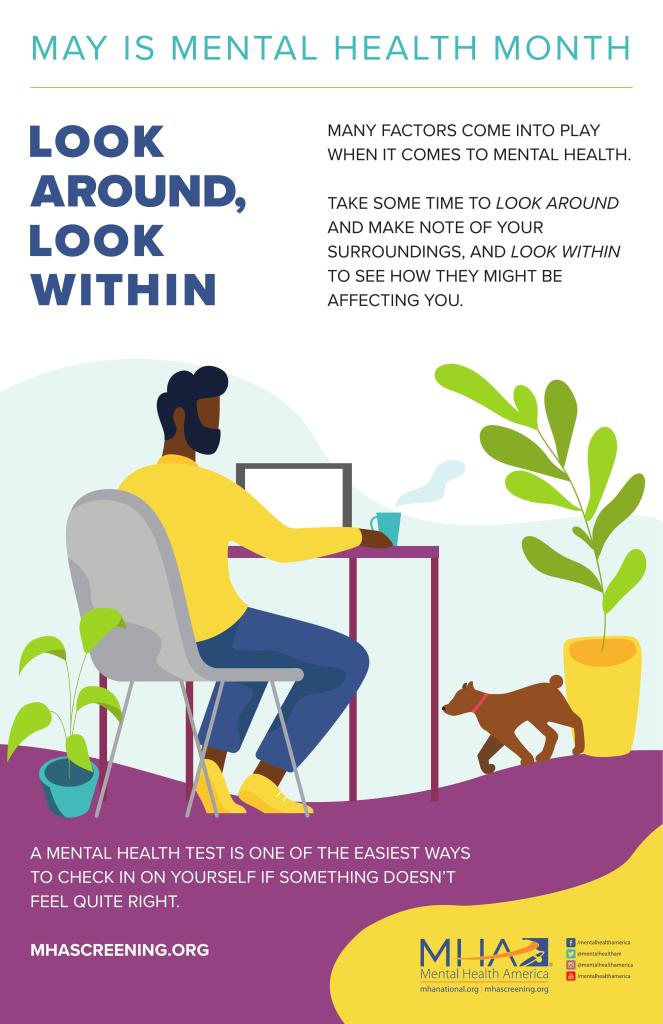
Unlock Your Mental Well-being: Take the First Step with a Mental Health Screening

Unlock the potential for a healthier and happier you this Mental Health Awareness Month. Start your journey towards emotional well-being by taking a decisive step with a mental health screening at MHAScreening.org. Much like a regular physical check-up, a mental health screening provides an invaluable opportunity to assess and address any underlying concerns. Don’t ignore that nagging feeling that something isn’t quite rightโ€”take action and prioritize your mental health today.

This mental health screening covers a wide range of important topics, including stress management, anxiety, depression, and more. Whether you’ve been experiencing persistent feelings of unease or simply want to gain a deeper understanding of your emotions, this screening is a vital tool to help you regain control of your mental health. Don’t let concerns go unaddressed or escalate into something more challenging to manage. Visit MHAScreening.org now, and unlock the power of self-awareness and proactive well-being. Together, let’s break down the barriers surrounding mental health and embark on a transformative journey toward a brighter future.


Stay Connected!

Breaking the Stigma: Addressing Mental Health in Caregiving

By Roz Jones

Caring for a loved one with a chronic illness or disability can be both rewarding and challenging. While caregiving can bring a sense of purpose and fulfillment, it can also have negative impacts on mental health. Unfortunately, there is often a stigma attached to discussing mental health in caregiving, which can prevent caregivers from seeking the help they need. In this blog, we will discuss the importance of addressing mental health in caregiving and breaking the stigma.

The Impact of Caregiving on Mental Health

The demands of caregiving can take a toll on mental health, particularly when the caregiver is providing care for an extended period. Caregivers often experience high levels of stress, anxiety, and depression. They may also feel isolated and overwhelmed, especially if they lack support from friends, family, or healthcare providers.

Furthermore, caregiving can disrupt daily routines and social activities, leading to a loss of identity and purpose. It can also affect the caregiver’s physical health, as they may neglect their own health needs while caring for their loved one.

Breaking the Stigma

Despite the significant impact that caregiving can have on mental health, there is still a stigma attached to discussing mental health in this context. Caregivers may feel ashamed or embarrassed to admit that they are struggling or need help. They may fear being judged or seen as weak or selfish for prioritizing their own needs.

Breaking the stigma around mental health in caregiving is essential to ensure that caregivers get the support they need. This can involve raising awareness about the impact of caregiving on mental health, educating caregivers about the importance of self-care, and providing access to mental health resources and support.

Addressing Mental Health in Caregiving

Caregivers can take several steps to address their mental health needs while caring for their loved ones. These include:

  1. Seeking support: Caregivers should reach out to friends, family, and healthcare providers for support. This can include asking for help with caregiving tasks, seeking emotional support, and attending support groups.
  1. Practicing self-care: Caregivers should prioritize their own physical and emotional health by getting enough sleep, eating a healthy diet, and engaging in activities they enjoy.
  1. Taking breaks: Caregivers should take regular breaks from caregiving to recharge and relax. This can involve engaging in a hobby, spending time with friends, or simply taking a nap.
  1. Seeking professional help: Caregivers should not hesitate to seek professional help if they are experiencing symptoms of depression, anxiety, or other mental health issues. This can involve talking to a therapist, psychiatrist, or other mental health professional.

Caregiving can have a significant impact on mental health, but it’s essential to break the stigma and address this issue. Caregivers should prioritize their own mental health needs by seeking support, practicing self-care, taking breaks, and seeking professional help when necessary. By breaking the stigma around mental health in caregiving, we can ensure that caregivers get the support they need to provide the best care for their loved ones.


Unlock the Power of Nature: Elevate Your Mental Health with Mental Health America’s Exclusive Worksheet

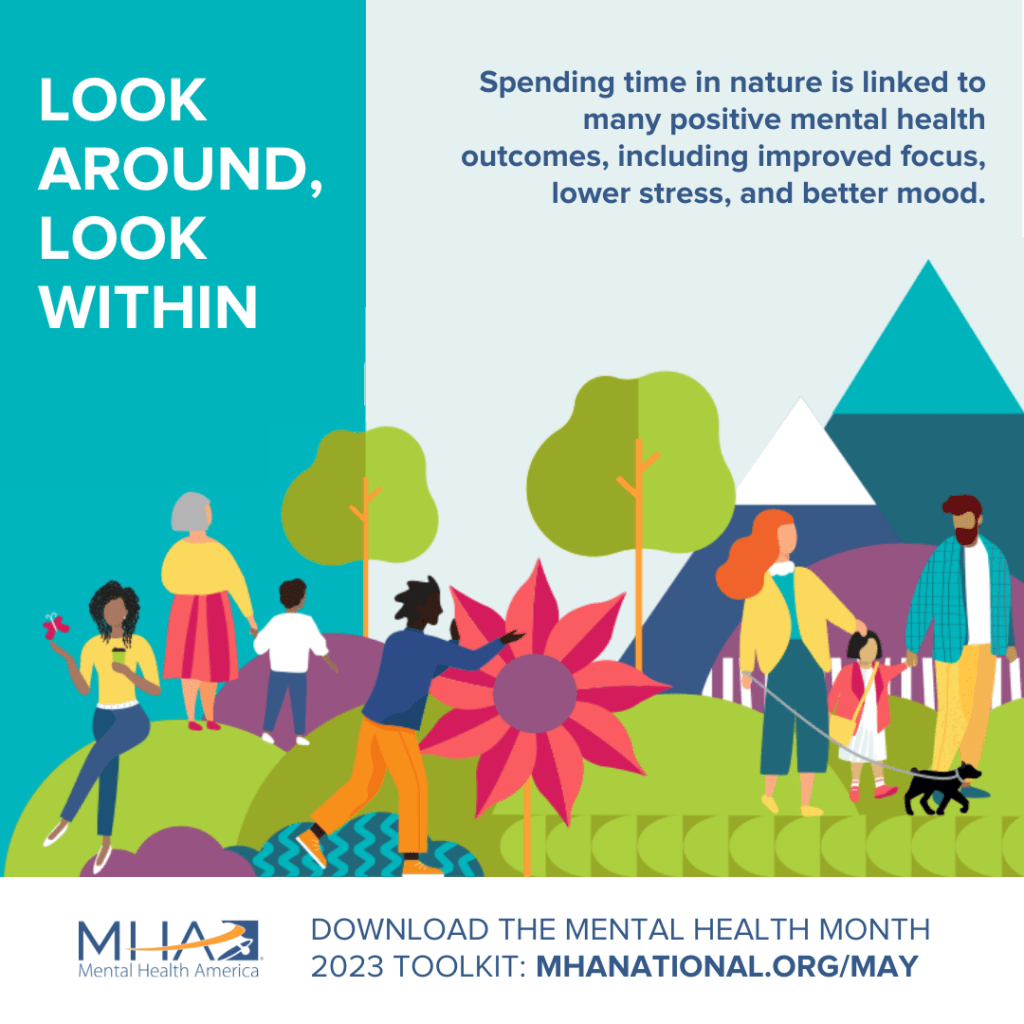
Discover the transformative benefits of embracing the great outdoors and prioritize your mental health this Mental Health Awareness Month. Mental Health America’s exclusive worksheet, “Opening Your Mind to the Outdoors,” will guide you through powerful techniques to overcome motivational barriers and connect your goals to positive emotions.

Unleash the motivation within and unlock a path toward well-being. Download this worksheet now and embark on a journey of self-discovery and mental rejuvenation. Don’t miss out on this incredible opportunity to enhance your mental health and thrive in harmony with nature.


Stay Connected!

The Intersection of Mental Health and Caregiving for an Aging Loved One

By Roz Jones

Caring for an aging loved one can be a rewarding experience, but it can also be emotionally and mentally challenging. As a caregiver, it’s important to prioritize your own mental health in order to provide effective care. In this blog, we will explore the intersection of mental health and caregiving for an aging loved one, and provide tips and resources for maintaining good mental health.

The Emotional Challenges of Caregiving

Caring for an aging loved one can bring up a range of emotions, including stress, anxiety, guilt, and grief. As the loved one’s health declines, caregivers may feel a sense of loss and sadness. Additionally, caregivers may feel overwhelmed by the demands of caregiving, which can lead to burnout and depression.

Tips for Maintaining Good Mental Health

To maintain good mental health while caregiving, it’s important to prioritize self-care. This can include seeking support from family and friends, taking breaks and engaging in activities that bring joy, and seeking professional counseling or therapy. It’s also important to set boundaries and communicate clearly with your loved one about what you are and are not able to provide in terms of care.

Another tip is to seek out resources and support for caregivers. This can include caregiver support groups, respite care services, and home health aides. It’s important to remember that you don’t have to do everything alone, and that it’s okay to ask for help.

The Importance of Communication

Effective communication is key to maintaining good mental health while caregiving. It’s important to have open and honest conversations with your loved one about their care needs and your own limitations. It’s also important to communicate with other family members and healthcare professionals involved in your loved one’s care.

It’s important to remember that communication is a two-way street, and that it’s important to actively listen to your loved one’s needs and concerns. By working together, you can create a care plan that meets your loved one’s needs while also prioritizing your own mental health.

Caring for an aging loved one can be emotionally and mentally challenging, but by prioritizing self-care, seeking out resources and support, and maintaining open and honest communication, caregivers can maintain good mental health and provide effective care for their loved ones. It’s important to remember that caregiving is a journey, and that it’s okay to ask for help and seek out support when needed.


Unlock the Power of Nature: Elevate Your Mental Health with Mental Health America’s Exclusive Worksheet

Discover the transformative benefits of embracing the great outdoors and prioritize your mental health this Mental Health Awareness Month. Mental Health America’s exclusive worksheet, “Opening Your Mind to the Outdoors,” will guide you through powerful techniques to overcome motivational barriers and connect your goals to positive emotions.

Unleash the motivation within and unlock a path toward well-being. Download this worksheet now and embark on a journey of self-discovery and mental rejuvenation. Don’t miss out on this incredible opportunity to enhance your mental health and thrive in harmony with nature.


Stay Connected!

The Impact of Caregiving on Mental Health and Personal Well-Being

By Roz Jones

Caregiving is a challenging and demanding role that can take a toll on a caregiver’s mental health and personal well-being. As a caregiver, it’s important to be aware of the potential impact on your mental health and take steps to maintain your personal well-being. In this blog, we will explore the impact of caregiving on mental health and personal well-being and provide tips for coping with the challenges.

The Emotional Toll of Caregiving

Caregiving can be emotionally taxing and bring up a range of emotions, including stress, anxiety, and depression. The demands of caregiving can lead to burnout and exhaustion, which can negatively impact a caregiver’s mental health. Additionally, caregivers may experience feelings of guilt or frustration, which can also impact their well-being.

The Physical Impact of Caregiving

Caregiving can also have a physical impact on a caregiver’s health. The stress and demands of caregiving can lead to physical symptoms, such as headaches, back pain, and exhaustion. Additionally, caregivers may neglect their own physical health due to the demands of caregiving, which can lead to further health problems.

Tips for Maintaining Personal Well-Being

To maintain personal well-being while caregiving, it’s important to prioritize self-care. This can include taking breaks and engaging in activities that bring joy, seeking support from family and friends, and seeking professional counseling or therapy. It’s also important to set boundaries and communicate clearly with the person being cared for about what you are and are not able to provide in terms of care.

Another tip is to seek out resources and support for caregivers. This can include caregiver support groups, respite care services, and home health aides. It’s important to remember that you don’t have to do everything alone, and that it’s okay to ask for help.

The Importance of Self-Care

Self-care is essential for maintaining personal well-being while caregiving. This can include taking time for yourself, engaging in activities you enjoy, and getting enough rest and exercise. Self-care can help you feel more resilient and better able to handle the challenges of caregiving.

Caregiving can have a significant impact on a caregiver’s mental health and personal well-being. By prioritizing self-care, seeking out resources and support, and communicating clearly with the person being cared for, caregivers can maintain their own well-being while providing effective care. Remember, it’s important to take care of yourself in order to be the best caregiver you can be.


Unlock the Power of Nature: Elevate Your Mental Health with Mental Health America’s Exclusive Worksheet

Discover the transformative benefits of embracing the great outdoors and prioritize your mental health this Mental Health Awareness Month. Mental Health America’s exclusive worksheet, “Opening Your Mind to the Outdoors,” will guide you through powerful techniques to overcome motivational barriers and connect your goals to positive emotions.

Unleash the motivation within and unlock a path toward well-being. Download this worksheet now and embark on a journey of self-discovery and mental rejuvenation. Don’t miss out on this incredible opportunity to enhance your mental health and thrive in harmony with nature.


Stay Connected!