Age-Defying Fitness: Exercising for Joyful Aging

By Roz Jones

As the years go by, the body undergoes natural changes that can affect our physical abilities and overall well-being. However, the aging process doesn’t have to be synonymous with a decline in fitness and vitality. In fact, staying active and engaging in regular exercise can be the key to age-defying wellness and a joyful aging experience. In this blog, we will explore the transformative power of exercise for seniors, delving into the many benefits it brings and providing practical tips for incorporating joyful workouts into daily routines.

1. Unlocking the Benefits of Exercise for Seniors:

Regular physical activity is a cornerstone of healthy aging. Exercise offers a multitude of benefits for seniors, such as improved cardiovascular health, enhanced muscle strength, better balance and coordination, and increased flexibility. Beyond the physical advantages, exercise has been shown to boost mood, reduce stress and anxiety, and promote better sleep, all of which contribute to a higher quality of life in our golden years.

2. Choosing Age-Appropriate Activities:

The key to age-defying fitness is to select activities that suit individual capabilities and preferences. Low-impact exercises like walking, swimming, and cycling are gentle on the joints while providing effective cardiovascular workouts. Strength training with light weights or resistance bands helps maintain muscle mass, which tends to naturally decline with age. Balance exercises and yoga enhance stability and flexibility, reducing the risk of falls and injury.

3. Making Fitness Fun and Engaging:

Staying committed to an exercise routine is easier when it’s enjoyable. Encourage seniors to find activities they love and look forward to. Joining group classes, such as dance, aerobics, or tai chi, can add a social element to workouts, making them more engaging. Exploring outdoor activities like gardening, hiking, or golfing allows seniors to connect with nature while staying active.

4. Incorporating Exercise into Daily Life:

Finding time for exercise doesn’t have to be a daunting task. Simple adjustments to daily routines can make a significant difference. Suggest taking short walks after meals, using the stairs instead of elevators, or doing gentle stretches in the morning. Even household chores like vacuuming or gardening can contribute to staying active. By integrating exercise seamlessly into daily life, seniors can experience the benefits without feeling overwhelmed.

5. Seeking Professional Guidance:

Before beginning any exercise program, it’s essential for seniors to consult their healthcare provider, especially if they have any underlying health conditions. Seeking guidance from fitness professionals who specialize in senior fitness can ensure that exercise routines are safe, effective, and tailored to individual needs and abilities.

Age-defying fitness is not about trying to turn back the clock but rather embracing the power of exercise to enhance our physical and mental well-being as we age. Engaging in regular physical activity can be the key to joyful aging, allowing seniors to maintain their independence, vitality, and zest for life. By choosing age-appropriate activities, making fitness enjoyable, incorporating exercise into daily routines, and seeking professional guidance when needed, seniors can experience the numerous benefits of exercise and continue to thrive as they gracefully embrace the gift of aging. So, let’s lace up our sneakers, grab our resistance bands, and embark on a journey of age-defying fitness that celebrates the joy of living life to the fullest at any age.

Planning a Summer Vacation with an Aging Loved One? Download the FREE Checklist!

Are you embarking on a summer vacation adventure with a loved one in need of care? Whether you’re a caregiver or know someone who is, we understand the unique challenges and considerations that come with vacationing while ensuring your loved one is safe..

Make your vacation experience stress-free and enjoyable for both you and your loved one, we’re excited to offer you a free downloadable checklist!

Stay Ahead of the Storm: Download Your Free Expert Storm Guide Now!

Photo by ALTEREDSNAPS on Pexels.com

As we know, June โ€“ November is Hurricane Season. As a family caregiver, there are many ways to prepare your loved ones for it. Early preparation helps reduce opportunities for stress and anxiety as storms approach.

One of the best ways to prepare is allowing your loved on to assist in packing their travel bag, checking their contact list and ensuring there are adequate emergency supplies.

Participationโ€ฆ not isolationโ€ฆ go a long way when preparing for major storms. This Seniors Storm Guide gives essential information to refer to again and again!


Traveling with a Loved One with Mobility Challenges: Essential Tips and Resources

By Roz Jones

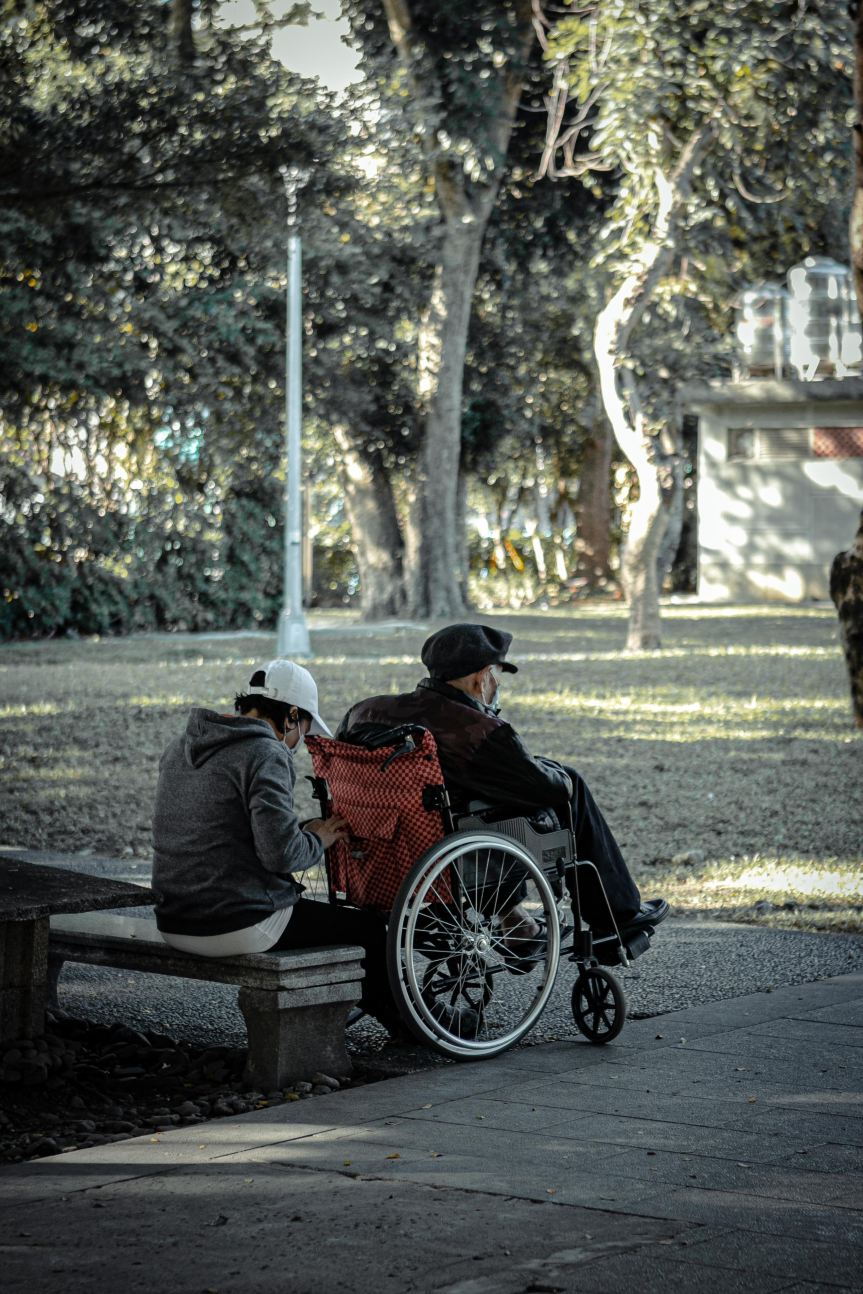
Traveling can be an enriching experience for your aging loved one with mobility challenges, as well as their caregivers. However, it requires careful planning and consideration to ensure a smooth and enjoyable trip. In this blog, we will provide essential tips and highlight valuable resources to help caregivers navigate the unique challenges of traveling with a loved one who has mobility limitations. By following these guidelines and utilizing available resources, you can create memorable and accessible travel experiences for everyone involved.

Plan and research accessible destinations:

When planning a trip, it is essential to choose destinations that are accessible and accommodating for individuals with mobility challenges. Research accessible attractions, hotels, restaurants, and transportation options in advance. Look for destinations that offer wheelchair accessibility, accessible restrooms, and smooth pathways. Accessible travel websites, forums, and guidebooks can be valuable resources for finding suitable destinations.

Communicate with transportation providers:

Whether you’re traveling by plane, train, or bus, it’s crucial to communicate your loved one’s specific mobility needs to transportation providers. Notify the airline, train company, or bus company about any assistance or accommodations required, such as wheelchair access, boarding assistance, or extra legroom. Requesting these services ahead of time will ensure a more comfortable journey for your loved one.

Arrange accessible accommodations:

When booking accommodations, ensure that they offer accessible rooms or facilities that cater to your loved one’s specific mobility needs. Inquire about accessible bathrooms, roll-in showers, grab bars, and wheelchair accessibility throughout the premises. Reading reviews from other travelers with mobility challenges can provide valuable insights into the accessibility and suitability of different accommodations.

Pack essential mobility aids and accessories:

Pack all necessary mobility aids and accessories to ensure a smooth and comfortable travel experience. This may include wheelchairs, walkers, canes, or any other assistive devices that your loved one requires. Carry extra batteries, chargers, and any repair tools for these devices. Additionally, consider bringing portable ramps, travel-sized shower chairs, or other aids that can enhance accessibility during your trip.

Utilize local accessibility resources:

Research and utilize local accessibility resources available at your travel destination. Many cities offer accessible transportation options, accessible tours, and attractions that cater specifically to individuals with mobility challenges. Local tourism boards or visitor centers can provide valuable information about these resources. Additionally, mobile apps and websites dedicated to accessibility can help you find accessible restaurants, attractions, and amenities in the area.

Take care of your own well-being:

Remember to prioritize your own well-being as a caregiver during the trip. Traveling with a loved one who has mobility challenges can be physically and emotionally demanding. Take breaks, seek support from family or friends, and practice self-care to avoid caregiver burnout. Take advantage of respite care services or local support groups at your destination, if available.

Traveling with a loved one who has mobility challenges requires careful planning, research, and utilization of available resources. By choosing accessible destinations, communicating with transportation providers, arranging accessible accommodations, packing essential mobility aids, utilizing local accessibility resources, and prioritizing your own well-being, you can ensure a smooth and enjoyable travel experience for both you and your loved one. Remember that with proper preparation, accessible travel is not only possible but can also create lasting memories and enriching experiences.

Planning a Summer Vacation with an Aging Loved One? Download the FREE Checklist!

Are you embarking on a summer vacation adventure with a loved one in need of care? Whether you’re a caregiver or know someone who is, we understand the unique challenges and considerations that come with vacationing while ensuring your loved one is safe..

Make your vacation experience stress-free and enjoyable for both you and your loved one, we’re excited to offer you a free downloadable checklist!

Stay Ahead of the Storm: Download Your Free Expert Storm Guide Now!

Photo by ALTEREDSNAPS on Pexels.com

As we know, June โ€“ November is Hurricane Season. As a family caregiver, there are many ways to prepare your loved ones for it. Early preparation helps reduce opportunities for stress and anxiety as storms approach.

One of the best ways to prepare is allowing your loved on to assist in packing their travel bag, checking their contact list and ensuring there are adequate emergency supplies.

Participationโ€ฆ not isolationโ€ฆ go a long way when preparing for major storms. This Seniors Storm Guide gives essential information to refer to again and again!


Traveling with Dementia: Strategies for a Positive Vacation Experience

By Roz Jones

Traveling with a loved one who has dementia requires careful planning and consideration. However, with the right strategies in place, it is possible to create a positive and enjoyable vacation experience for both the caregiver and your aging loved one. In this blog, we will explore practical tips and strategies to help caregivers navigate the challenges of traveling with someone living with dementia, ensuring a safe and memorable trip for everyone involved.

Choose the right destination and mode of transportation:

When planning a vacation with someone with dementia, it’s crucial to choose a destination and mode of transportation that aligns with their abilities and comfort level. Opt for familiar destinations or places that hold significant meaning for them. Consider the length of the journey and select a mode of transportation that is less stressful, such as traveling by car or choosing direct flights. Minimizing travel time and disruptions can help reduce anxiety and confusion.

Plan a familiar and structured itinerary:

Maintaining familiarity and structure can provide a sense of comfort and security for individuals with dementia. Plan activities and outings that are familiar and enjoyable to them. Incorporate familiar routines into the daily itinerary to provide a sense of continuity. Avoid overcrowded or noisy places that may overwhelm or agitate your loved one. By creating a familiar and structured itinerary, you can help reduce anxiety and increase the chances of a positive experience.

Pack essentials and necessary documents:

When traveling with someone with dementia, it’s important to pack essential items and necessary documents. Include their prescribed medications, a list of emergency contact numbers, identification cards, and medical records. Pack comfort items such as favorite blankets, pillows, or personal items that can provide a sense of familiarity and security. Keep these items easily accessible throughout the trip.

Maintain a familiar routine and familiarize with the surroundings:

Even in a new environment, maintaining a familiar routine can be beneficial for someone with dementia. Try to incorporate familiar activities and mealtimes into the daily schedule. Take time to familiarize yourself and your loved one with the surroundings, such as the layout of the accommodation, nearby facilities, and emergency exits. This can help reduce confusion and increase feelings of safety and familiarity.

Seek support and respite:

Traveling can be physically and emotionally demanding for caregivers. It’s important to seek support and respite whenever possible. Consider involving other family members or friends who can assist with caregiving responsibilities during the trip. Take breaks and allow yourself time for self-care. Utilize local support services or respite care options to ensure you have time to recharge and relax.

Traveling with someone with dementia requires careful planning, patience, and flexibility. By choosing the right destination, maintaining a familiar routine, packing essentials, and seeking support, caregivers can create a positive vacation experience for their loved ones. Remember to prioritize their comfort, safety, and enjoyment throughout the journey. With proper preparation and a person-centered approach, traveling with dementia can become a meaningful and cherished experience for both the caregiver and the person with dementia.

Planning a Summer Vacation with an Aging Loved One? Download the FREE Checklist!

Are you embarking on a summer vacation adventure with a loved one in need of care? Whether you’re a caregiver or know someone who is, we understand the unique challenges and considerations that come with vacationing while ensuring your loved one is safe..

Make your vacation experience stress-free and enjoyable for both you and your loved one, we’re excited to offer you a free downloadable checklist!

Stay Ahead of the Storm: Download Your Free Expert Storm Guide Now!

Photo by ALTEREDSNAPS on Pexels.com

As we know, June โ€“ November is Hurricane Season. As a family caregiver, there are many ways to prepare your loved ones for it. Early preparation helps reduce opportunities for stress and anxiety as storms approach.

One of the best ways to prepare is allowing your loved on to assist in packing their travel bag, checking their contact list and ensuring there are adequate emergency supplies.

Participationโ€ฆ not isolationโ€ฆ go a long way when preparing for major storms. This Seniors Storm Guide gives essential information to refer to again and again!

Are You Blocking or Building Strong Relationships as a Caregiver?

By Roz Jones

Happy Father’s Day to all of the male caregivers! Being a male caregiver comes with its unique challenges and responsibilities. However, you don’t have to navigate the caregiving journey alone. Building a support network is crucial for male caregivers to find emotional support, share insights, and alleviate feelings of isolation. In this blog, we will highlight the significance of building a support network for male caregivers. We will discuss the benefits of connecting with other caregivers, joining support groups, and seeking professional help when needed. By fostering connections with others who understand their experiences, male caregivers can enhance their well-being, gain valuable insights, and find the support they need.

1. Connecting with Other Caregivers:

Connecting with other caregivers who share similar experiences can be tremendously beneficial. Caregiver support groups, either in-person or online, are available where male caregivers can connect with others facing similar challenges. These groups provide a safe space to share experiences, exchange advice, and offer emotional support. Connecting with others who understand the unique aspects of caregiving can alleviate feelings of isolation and provide a sense of belonging.

2. Joining Support Groups:

Support groups specifically designed for male caregivers can offer a unique perspective and support system. Male caregivers may find comfort in connecting with other men who can relate to their experiences and challenges. Encourage caregivers to research local support groups or online communities geared towards male caregivers. These groups provide an opportunity to discuss concerns, learn from one another, and develop friendships with others facing similar situations.

3. Seeking Professional Help:

Sometimes, caregiving can become overwhelming, and it’s important for male caregivers to know that seeking professional help is a sign of strength, not weakness. Encourage caregivers to consider therapy or counseling to address any emotional or mental health challenges they may be facing. Professional therapists can provide a safe and confidential space for caregivers to express their feelings, develop coping strategies, and gain valuable insights into managing their roles as caregivers.

4. Engaging in Respite Care:

Respite care offers caregivers a much-needed break from their caregiving responsibilities. Encourage male caregivers to explore respite care options, such as hiring a professional caregiver or seeking assistance from family and friends. Taking regular breaks allows caregivers to recharge, focus on their own needs, and prevent burnout.

5. Connecting with Community Resources:

Many communities offer resources and services specifically for caregivers. Encourage male caregivers to explore these resources, such as caregiver support organizations, local community centers, or senior centers that offer programs and workshops for caregivers. These resources can provide valuable information, educational opportunities, and additional support.

Building a support network is essential for male caregivers. By connecting with other caregivers, joining support groups, seeking professional help when needed, and engaging in respite care, male caregivers can find the emotional support and practical advice they need to navigate the challenges of caregiving. Remember, reaching out for support is not a sign of weakness but a strength that enables caregivers to continue providing the best care for their loved ones while also prioritizing their own well-being. Together, through connections and support, male caregivers can find comfort, understanding, and strength in their caregiving journey.

Stay Ahead of the Storm: Download Your Free Expert Storm Guide Now!

Photo by ALTEREDSNAPS on Pexels.com

As we know, June โ€“ November is Hurricane Season. As a family caregiver, there are many ways to prepare your loved ones for it. Early preparation helps reduce opportunities for stress and anxiety as storms approach.

One of the best ways to prepare is by allowing your loved one to assist in packing their travel bag, checking their contact list, and ensuring there are adequate emergency supplies.

Participationโ€ฆ not isolationโ€ฆ goes a long way when preparing for major storms. This Seniors Storm Guide gives essential information to refer to again and again!


Stay Connected!

Help! I Don’t Feel Like Caregiving: 5 Simple Self-Care Practices for Caregivers to Recharge and Refresh

By Roz Jones

Being a caregiver can be an incredibly rewarding experience, but it can also be a challenging and emotionally draining one. There are some days when you may feel overwhelmed, frustrated, or just plain exhausted from the demands of caring for a loved one. On those days, it can be tempting to step back and take a break from your caregiving duties, but what do you do when you can’t?

It’s important to recognize that it’s okay to have days when you don’t want to be bothered with caregiving. Feeling burnt out or emotionally drained is a normal part of the caregiving experience, and it’s essential to prioritize your own mental and physical health. However, it’s also important to remember that caregiving is a responsibility that can’t be ignored or put off indefinitely.

Here are some tips for coping with those days when you don’t want to be bothered with caregiving:

  1. Take a mental health day: Just like any other job, it’s okay to take a day off from caregiving to focus on your own well-being. Use this time to rest, recharge, and engage in activities that bring you joy and relaxation.
  2. Reach out for support: Don’t be afraid to ask for help from friends, family, or community resources. Enlisting the support of others can help alleviate some of the stress and responsibilities of caregiving, and provide you with the opportunity to take a break.
  3. Practice self-care: Prioritizing your own self-care is essential to maintaining your mental and physical health. Engage in activities that make you feel good, such as exercise, meditation, or spending time with loved ones.
  4. Consider professional caregiving assistance: Professional caregivers can offer support and assistance with the daily tasks of caregiving, allowing you to take a step back and focus on your own well-being.
  5. Seek counseling: Talking to a therapist or counselor can provide you with the tools and strategies to cope with the emotional challenges of caregiving, and offer a safe space to express your feelings and concerns.

Remember, there will be days when you don’t want to be bothered with caregiving, and that’s okay. Prioritizing your own mental and physical health is essential to being an effective and compassionate caregiver. By taking care of yourself, you’ll be better equipped to care for your loved one in the long run.


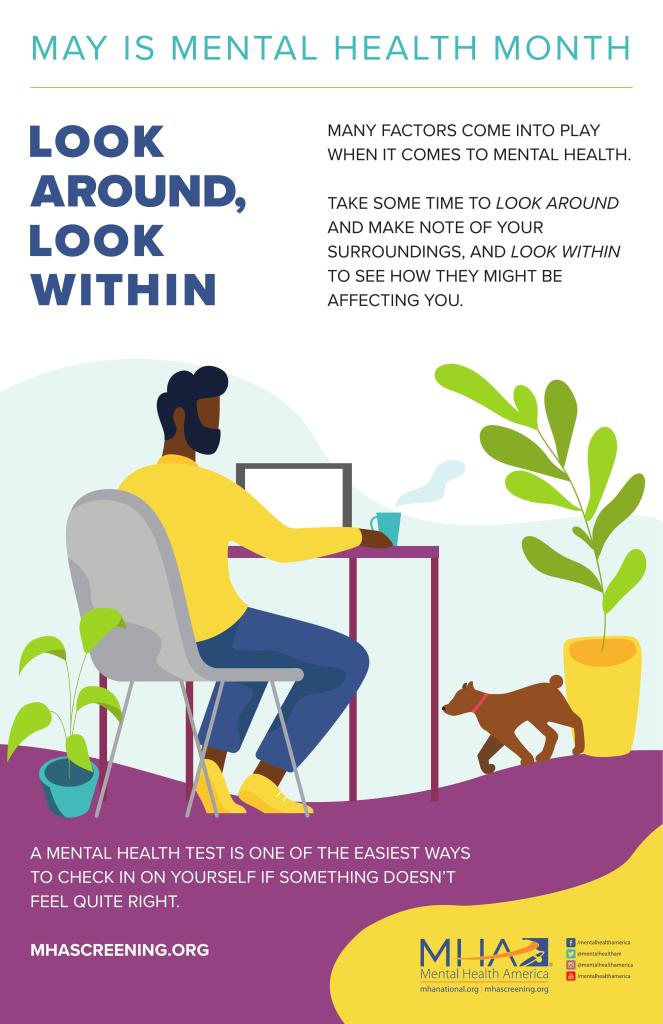
Unlock Your Mental Well-being: Take the First Step with a Mental Health Screening

Unlock the potential for a healthier and happier you this Mental Health Awareness Month. Start your journey towards emotional well-being by taking a decisive step with a mental health screening at MHAScreening.org. Much like a regular physical check-up, a mental health screening provides an invaluable opportunity to assess and address any underlying concerns. Don’t ignore that nagging feeling that something isn’t quite rightโ€”take action and prioritize your mental health today.

This mental health screening covers a wide range of important topics, including stress management, anxiety, depression, and more. Whether you’ve been experiencing persistent feelings of unease or simply want to gain a deeper understanding of your emotions, this screening is a vital tool to help you regain control of your mental health. Don’t let concerns go unaddressed or escalate into something more challenging to manage. Visit MHAScreening.org now, and unlock the power of self-awareness and proactive well-being. Together, let’s break down the barriers surrounding mental health and embark on a transformative journey toward a brighter future.


Stay Connected!