Small Wellness Shifts That Help Aging Loved Ones Thrive

By Roz Jones

Wellness for an aging loved one is not always found in a big activity or a major lifestyle change.

Sometimes wellness begins with small shifts.

A glass of water placed within reach.
A calmer morning routine.
A chair moved closer to the window.
A softer blanket.
A familiar voice.
A meal that supports strength.
A quiet moment before the day gets busy.

These things may seem simple, but in caregiving, simple does not mean small.

As loved ones age, their needs may change in ways the family does not always notice right away. Energy changes. Sleep changes. Appetite changes. Mobility changes. Memory changes. Mood changes. The body may need more support, and the mind may need more calm.

Caregivers are often focused on the obvious responsibilities: medications, appointments, meals, hygiene, transportation, and safety. Those responsibilities matter. But daily wellness also includes comfort, emotional steadiness, rest, nourishment, hydration, routine, and connection.

Aging loved ones need care that supports the whole person.

And sometimes, the smallest adjustments can make the day feel more manageable, more peaceful, and more dignified.

Create a Rhythm the Day Can Rest On

A predictable daily rhythm can bring comfort to an aging loved one.

As health needs, memory, mobility, or energy levels change, too much uncertainty can become stressful. A loved one may feel anxious when they do not know what is happening next. They may become frustrated when the day feels rushed. They may resist care when transitions happen too quickly.

A gentle rhythm can help.

This does not mean every minute has to be scheduled. It means the day has a familiar flow.

Morning care. Breakfast. Medication. A quiet activity. Rest. Lunch. Light movement. Connection. Dinner. Evening wind-down.

A routine gives the day a sense of shape.

Caregivers can pay attention to when their loved one has the most energy and when they need more support. Some aging loved ones do better in the morning. Others may need a slower start. Some may become more tired, restless, or confused later in the day.

The routine should be built around the loved oneโ€™s needs, not around pressure to get everything done quickly.

A steady rhythm can help the body feel safer and the mind feel calmer.

Support Hydration Before There Is a Problem

Hydration is one of those basic needs that can easily be missed.

Many aging loved ones do not drink enough water. Some may not feel thirsty. Some may avoid drinking because they worry about needing the bathroom. Others may forget, become distracted, or struggle to prepare drinks on their own.

When hydration is low, it can affect more than thirst.

It may contribute to fatigue, dizziness, confusion, constipation, headaches, weakness, mood changes, and increased fall risk.

Caregivers can help by making fluids easier to access throughout the day. A cup with a lid and straw may help. A water bottle nearby may serve as a reminder. Herbal teas, soups, fruits with high water content, or water with a little fruit added may encourage intake.

The goal is not to pressure the loved one.

The goal is to gently build hydration into the rhythm of the day.

Caregivers should also pay attention to sudden changes in confusion, weakness, or dizziness, especially during warm weather or illness. These changes may need medical attention.

Sometimes wellness begins with something as simple as offering water before the body is already depleted.

Make Meals Easier to Enjoy

Food is part of wellness, but for aging loved ones, eating may become more complicated.

Appetite may decrease. Taste may change. Chewing or swallowing may become harder. Medications may affect hunger. Fatigue may make eating feel like work. Some loved ones may need smaller meals, softer foods, or reminders to eat.

Caregivers can support nourishment by making meals easier, calmer, and more comfortable.

This may mean offering smaller portions more often, serving familiar foods, reducing distractions during meals, checking that dentures fit properly, making sure the loved one is seated safely, or asking the healthcare provider about swallowing concerns if coughing or choking occurs during meals.

Nutrition does not have to be perfect to be supportive.

A warm bowl of soup, a soft protein option, a favorite vegetable, a smoothie, or a simple meal eaten in peace can all support wellness.

Food can also bring comfort and memory. A familiar taste may lift the spirit. A favorite dish may encourage appetite. A shared meal may create connection.

Caregivers are not only feeding the body.

They are helping nourish the person.

Make the Home Easier on the Body

The home environment can either support wellness or make daily life harder.

As loved ones age, things that once felt simple may become difficult. A dim hallway. A slippery rug. A chair that is too low. A cluttered path. A bathroom without support. A shelf that is too high. Poor lighting near the bed.

These small obstacles can increase frustration, fatigue, and fall risk.

Caregivers can support wellness by looking at the home through the loved oneโ€™s current needs.

Clear walkways. Better lighting. Supportive seating. Frequently used items within reach. Non-slip mats. Safe footwear. A place to sit while dressing. A nightlight near the bathroom.

These changes may not seem major, but they can make the day easier on the body.

Aging loved ones should not have to fight their environment just to move through the day.

When the home is easier to navigate, the loved one may feel more confident, and the caregiver may feel more at ease.

Support the Mind Without Pressure

Mental stimulation matters, but it should not feel like a test.

Aging loved ones may benefit from gentle engagement woven into the day. This might include conversation, music, looking at photos, sorting familiar items, listening to a favorite program, discussing the weather, helping with small choices, or participating in simple household decisions.

The goal is to keep the mind connected without creating stress.

For loved ones living with dementia or memory changes, caregivers should be careful not to turn every interaction into a quiz. Asking โ€œDo you remember?โ€ over and over can create frustration or embarrassment.

Instead, caregivers can offer gentle invitations.

โ€œThis photo was from your birthday.โ€
โ€œThis song always reminds me of you.โ€
โ€œThis was one of your favorite colors.โ€
โ€œI thought you might like to help me choose between these two.โ€

These small moments can support dignity, memory, and emotional connection.

Cognitive wellness is not only about keeping the brain active.

It is also about helping the loved one feel safe, respected, and included.

Create Sensory Comfort

Comfort is part of wellness.

Some aging loved ones become more sensitive to noise, light, temperature, smells, textures, or crowded spaces. A room that feels normal to one person may feel overwhelming to someone else.

Caregivers can support sensory comfort by paying attention to what helps the loved one feel calm.

Soft lighting may help.
A quieter room may help.
Comfortable clothing may help.
A favorite blanket may help.
Gentle music may help.
A familiar scent may help.
A chair near a window may help.

The body often responds to the environment before words can explain what is wrong.

If a loved one becomes restless, irritated, withdrawn, or uncomfortable, the caregiver may want to consider the surroundings. Is it too loud? Too bright? Too hot? Too cold? Too busy?

A peaceful environment can help reduce stress.

And reducing stress is wellness.

Protect Rest and Sleep

Rest is not laziness.

Rest is part of health.

Aging loved ones may experience changes in sleep for many reasons. Pain, medication, anxiety, bathroom needs, illness, daytime inactivity, or confusion can affect their ability to sleep well at night.

Caregivers can help by creating a calming evening rhythm.

This may include reducing noise, lowering bright lights, offering a warm drink if appropriate, keeping the room comfortable, limiting late-day stimulation, and making sure the loved one has what they need before bed.

Daytime routines can also support nighttime rest. Natural light, regular meals, gentle movement, and meaningful engagement during the day may help the body settle better in the evening.

If sleep changes are sudden, severe, or unsafe, caregivers should speak with a healthcare provider. Sometimes sleep disruption can point to pain, infection, medication side effects, or another health concern.

A rested loved one may have more patience, better mood, steadier energy, and improved safety.

Rest deserves a place in the care plan.

Notice the Changes Others May Miss

Caregivers often notice what others overlook.

A change in appetite.
A different walk.
More confusion than usual.
A new sadness.
Less interest in conversation.
More fatigue.
A change in sleep.
A new complaint of pain.

These changes matter.

Daily wellness includes paying attention to patterns. When caregivers notice changes early, they may be able to help prevent a small concern from becoming a larger crisis.

Keeping simple notes can be helpful. Caregivers may track meals, hydration, sleep, mood, pain, bathroom changes, falls, confusion, or medication concerns. These notes can also help during doctor visits or family conversations.

Caregivers do not have to diagnose every change.

But they can observe.
They can document.
They can ask questions.
They can speak up when something does not feel right.

That is advocacy.

And advocacy is a powerful part of caregiving.

Care for the Spirit, Not Just the Schedule

Aging loved ones are more than their care tasks.

They are people with feelings, fears, memories, preferences, faith, humor, grief, personality, and life experience.

Wellness must include the spirit.

That may mean giving them time to talk. It may mean sitting quietly together. It may mean playing music they love. It may mean allowing them to make small choices. It may mean praying with them, listening to them, or simply being present without rushing.

Caregiving can become task-heavy, especially when the days are full.

But the loved one still needs tenderness.

They still need to be spoken to with respect. They still need to be asked what they want. They still need to be reminded that their life matters beyond what they can or cannot do.

Small moments of emotional care can help an aging loved one feel less managed and more loved.

Wellness for aging loved ones is not always about adding more to the day.

Sometimes it is about making the day gentler, safer, calmer, and more supportive.

A predictable rhythm.
A glass of water.
A comfortable chair.
A nourishing meal.
A quiet room.
A better nightโ€™s rest.
A small choice.
A familiar song.
A caregiver who notices.

These small wellness shifts can help aging loved ones feel more steady, more comfortable, and more connected.

Caregivers do not have to do everything perfectly.

They only need to keep paying attention to the person in front of them and adjust care with patience, wisdom, and love.

For more on this topic, read the previous blog, โ€œNurturing the Mind and Body: Wellness Activities for Aging Loved Ones,โ€ where I share additional wellness activities such as mindful meditation, gentle exercise, stretching, and creative expression.

Tune in to The Caregiver Cafรฉ Podcast

In this episode of The Caregiver Cafรฉ with Roz Jones, Roz sits down with her dear friend Susan Palmer for a heartfelt Caregiver Chronicles conversation about caring for her mother at home.

Susan shares how caregiving became part of her life, first through planning and preparing a space for her mom, and then through unexpected changes after the pandemic, a fall, hospital stays, and increased care needs. Together, Roz and Susan talk honestly about what it means when caregiving happens because you are the closest, the one available, or the one everyone assumes will step in.

This conversation walks through the real-life details many families face: creating a safe home environment, preventing falls, using tools like walkers, risers, belts, shower chairs, and hospital-style beds, managing medications and hydration, and learning how to support a loved one with dignity during private care moments.

Roz also reminds listeners that caregiving is not meant to be carried alone. Support matters. Respite matters. Family conversations matter. And taking care of yourself is part of taking care of the person you love.

Susanโ€™s story is filled with honesty, humor, tenderness, and practical wisdom for anyone caring for an aging loved one at home.

So pour yourself something warm and join Roz and Susan at The Caregiver Cafรฉ as they talk about whatโ€™s roasting, whatโ€™s in the cup, and what it really means to care with kindness, preparation, and grace.

Give Yourself a Moment of Grace

If you need encouragement for the emotional side of caregiving, purchase Roz Jonesโ€™ book, Moments of Grace. This book offers support, reflection, and reminders of grace for the caregiver who is carrying a lot.

This journal was created to help caregivers pause, breathe, reflect, and find strength in the middle of the caregiving journey.

Purchase Moments of Grace today and give yourself permission to breathe in the middle of the caregiving journey.

Prepare Before the Emergency Comes

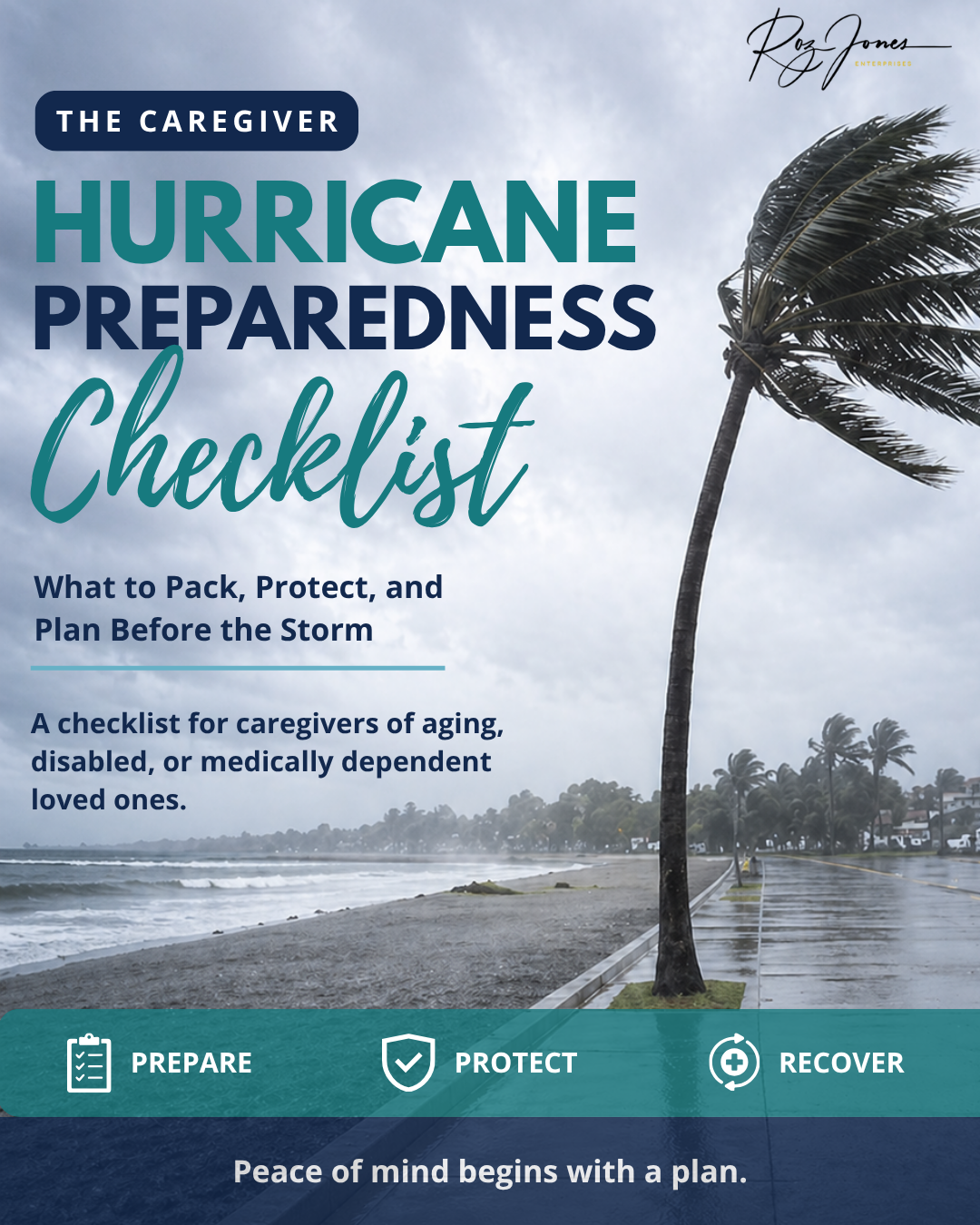
The Caregiver Hurricane Preparedness Checklist.

If you are caring for a loved one and want to be better prepared for storms, power outages, and unexpected caregiving emergencies, purchase the Caregiver Hurricane Preparedness Checklist. This resource can help you think through important details before a crisis is already at the door.

For only $1.99, this checklist gives you a simple starting point so you are not trying to gather everything during a storm, power outage, hospitalization, or sudden change in your loved oneโ€™s care.

Purchase the Caregiver Hurricane Preparedness Checklist for $1.99 today and take one more step toward peace of mind.

Need Help Sorting Through the Care Plan?

Roz Jones is a dedicated caretaker turned CEO with over a decade of experience in helping families care for and make decisions for loved ones and their legacies.Roz is a compassionate, innovative healthcare industry leader.

If your family needs help thinking through care decisions, caregiving responsibilities, or next steps, book a session with Roz Jones. You do not have to navigate this season alone.

Together, we can talk through what is working, what is becoming too heavy, and what boundaries need to be strengthened so you can continue to care without losing yourself in the process.

Subscribe to The Caregiver Cafe Weekly Newsletter!

Caregiving can be a roller coaster of ups and downs. The information that you will receive from The Caregiver Cafe Weekly Specials Newsletter will support you as a caregiver. Remember…

1. YOU ARE NOT ALONE: The problems you face as a caregiver are experienced by other caregivers. Knowing that you’re not alone can be comforting. 

2. Tools and Resources:  Find caregiver stress management tools and gain perspective from other caregiver’s experiences.

3. LEARN TO: Ask for help, accept help when it is offered, and acknowledge yourself on this caregiving journey. Hear from experts on how to balance caregiving responsibilities by taking care of your needs and involving others to help manage the natural stress and isolation of being a caregiver. 

Creating Meaningful Moments at Home and Away: Activities for Aging Loved Ones

By Roz Jones

Another part of caregiving that deserves attention is connection.

Aging loved ones still need moments that bring joy. They still need opportunities to use their mind, move their body, feel included, and experience life beyond the care routine. Whether a loved one is living at home, recovering from an illness, managing memory changes, or adjusting to a slower pace, meaningful activities can help bring comfort, stimulation, and dignity into the day.

The goal is not to keep them busy just for the sake of being busy.

The goal is to create moments that remind them they are still seen, valued, and part of the family.

In caregiving, even simple activities can become meaningful when they are done with intention.

Start with What Your Loved One Can Enjoy Now

One of the most helpful things a caregiver can do is pay attention to what their loved one can enjoy in this current season.

Activities may need to change over time. A loved one who once enjoyed long walks may now prefer sitting outside on the porch. A parent who used to play competitive card games may now do better with matching games, puzzles, or simple conversation cards. A spouse who once loved cooking may now enjoy helping wash vegetables, folding napkins, or choosing the music during mealtime.

The activity does not have to look exactly like it used to in order to still have value.

Caregivers can begin by asking a few simple questions.

What brings comfort?
What feels familiar?
What causes frustration?
What helps them feel calm?
What activities can be adjusted instead of removed completely?

When caregivers focus on ability instead of limitation, they can create moments that feel respectful and encouraging.

Bring Movement into the Day Gently

Movement is important for aging loved ones, but it does not always have to mean a structured workout or a long outdoor walk.

Some loved ones may enjoy a short walk around the block. Others may only be able to walk to the mailbox, move from room to room, or complete gentle seated movements. What matters most is safety, consistency, and comfort.

Movement can look like stretching while seated, standing at the counter with support, walking through the garden, dancing slowly to a favorite song, or taking a few steps outside for fresh air.

For many aging loved ones, movement also supports mood. A change of scenery can bring relief. Fresh air can lift the spirit. Natural light can help with routine. A few minutes outside can turn an ordinary day into a better one.

Caregivers should always consider mobility, balance, weather, hydration, footwear, and fatigue before encouraging movement. The goal is not to push too hard. The goal is to support the body in a way that feels safe and manageable.

Use Familiar Activities to Spark Memory and Conversation

Familiar activities can be powerful.

A favorite song, an old recipe, a family photo album, a familiar board game, or a childhood story can open the door to connection. Even when memory changes are present, familiar sounds, smells, and routines may still bring comfort.

Caregivers can use simple activities to encourage conversation without putting pressure on the loved one to remember everything correctly.

Looking through photo albums can lead to stories.
Listening to old music can bring smiles.
Sorting recipe cards can bring up family traditions.
Watching a favorite movie can create calm.
Playing a simple game can offer laughter and connection.

The purpose is not to test memory.

The purpose is to create space for the loved one to participate in a way that feels good to them.

Aging loved ones do not always need complicated activities. Sometimes they need familiar moments that remind them of who they are and what they have loved.

Make Games Easier, Not Childish

Board games, card games, word games, and puzzles can be wonderful for older adults, but caregivers may need to adjust the experience.

Some games may take too long. Some instructions may be too complicated. Some pieces may be too small. Some boards may be difficult to see. Some loved ones may feel embarrassed if they cannot play the way they used to.

Caregivers can make games more enjoyable by choosing larger print cards, fewer rules, shorter rounds, or team-style play. The game can be adapted so the loved one feels included instead of corrected.

This matters.

There is a difference between simplifying an activity and making a loved one feel like a child.

Dignity should remain at the center.

Choose games that match their interest and ability. Allow room for laughter. Let the rules bend when needed. Celebrate participation more than winning. The value is in the connection, not the score.

Create Activities Around Daily Life

Caregivers do not always have to create a separate activity schedule.

Sometimes meaningful engagement can be built into the daily routine.

An aging loved one may enjoy helping fold towels, watering plants, matching socks, stirring ingredients, setting the table, choosing a meal, feeding a pet, or organizing greeting cards. These small tasks can support independence and give the loved one a sense of purpose.

Purpose matters at every age.

Many aging loved ones spent years taking care of homes, families, jobs, communities, and responsibilities. When everything is suddenly done for them, it can feel like part of their identity has been taken away.

Including them in small, safe tasks can help preserve dignity.

The task may take longer. It may not be done perfectly. It may require patience. But the emotional benefit can be worth it.

Caregiving is not always about doing everything for someone. Sometimes it is about finding safe ways to let them still be part of the doing.

Think About Activities When Traveling

Activities do not only matter at home. They matter when families travel too.

If a caregiver is vacationing with an aging loved one, planning meaningful activities ahead of time can make the trip feel calmer and more enjoyable. A loved one may not be able to participate in every outing, but they can still enjoy parts of the experience.

A beach trip may include sitting in the shade and listening to the waves.
A family reunion may include a quiet space to rest between visits.
A road trip may include favorite music and familiar snacks.
A hotel stay may include a simple card game in the room.
A visit with grandchildren may include storytelling, coloring, or looking through family photos.

When caregivers plan activities around the loved oneโ€™s energy and comfort, travel can feel less overwhelming.

The trip does not have to be packed with events to be meaningful. A slower pace can create more room for connection.

Families preparing to travel with an aging loved one should also think through mobility needs, medication schedules, rest breaks, weather, emergency plans, and familiar comfort items before leaving home.

Watch for Signs of Overstimulation

Even enjoyable activities can become too much.

Caregivers should watch for signs that a loved one is tired, frustrated, confused, overwhelmed, or uncomfortable. This may show up as irritability, silence, restlessness, repeated questions, withdrawal, agitation, or physical complaints.

When this happens, it may be time to pause.

A quiet room, a snack, water, a bathroom break, a nap, or a familiar object may help the loved one reset. Caregivers should not take it personally if an activity does not go as planned.

Some days will be better than others.

The same activity that worked yesterday may not work today. That is part of caregiving.

Flexibility is important. Grace is important. Paying attention is important.

Let Joy Be Simple

Caregivers can sometimes feel pressure to make every moment meaningful.

But joy does not have to be complicated.

Joy may be a warm cup of tea.
A slow walk outside.
A familiar hymn.
A favorite dessert.
A puzzle on the table.
A phone call with family.
A porch chair in the sunshine.
A board game with adjusted rules.
A quiet moment where no one is rushing.

These simple moments matter.

They remind aging loved ones that life is still happening with them, not just around them.

They also remind caregivers that connection can still be found inside the routine.

Meaningful activities can support the emotional, physical, and mental well-being of aging loved ones. They can bring movement, comfort, memory, purpose, and connection into the caregiving journey.

The best activities are not always the most elaborate ones. They are the ones that meet the loved one where they are, honor their dignity, and create space for shared moments.

Caregivers do not have to fill every hour.

They only need to look for small opportunities to bring joy, comfort, and connection into the day.

For more on this topic, read the previous blog, โ€œPromoting Well-being Through Outdoor Walks and Board Games: A Guide for Caregivers,โ€ where I share additional ways outdoor walks and board games can support the well-being of aging loved ones.

Tune in to The Caregiver Cafรฉ Podcast

In this episode of The Caregiver Cafรฉ with Roz Jones, Roz sits down with her dear friend Susan Palmer for a heartfelt Caregiver Chronicles conversation about caring for her mother at home.

Susan shares how caregiving became part of her life, first through planning and preparing a space for her mom, and then through unexpected changes after the pandemic, a fall, hospital stays, and increased care needs. Together, Roz and Susan talk honestly about what it means when caregiving happens because you are the closest, the one available, or the one everyone assumes will step in.

This conversation walks through the real-life details many families face: creating a safe home environment, preventing falls, using tools like walkers, risers, belts, shower chairs, and hospital-style beds, managing medications and hydration, and learning how to support a loved one with dignity during private care moments.

Roz also reminds listeners that caregiving is not meant to be carried alone. Support matters. Respite matters. Family conversations matter. And taking care of yourself is part of taking care of the person you love.

Susanโ€™s story is filled with honesty, humor, tenderness, and practical wisdom for anyone caring for an aging loved one at home.

So pour yourself something warm and join Roz and Susan at The Caregiver Cafรฉ as they talk about whatโ€™s roasting, whatโ€™s in the cup, and what it really means to care with kindness, preparation, and grace.

Give Yourself a Moment of Grace

If you need encouragement for the emotional side of caregiving, purchase Roz Jonesโ€™ book, Moments of Grace. This book offers support, reflection, and reminders of grace for the caregiver who is carrying a lot.

This journal was created to help caregivers pause, breathe, reflect, and find strength in the middle of the caregiving journey.

Purchase Moments of Grace today and give yourself permission to breathe in the middle of the caregiving journey.

Prepare Before the Emergency Comes

The Caregiver Hurricane Preparedness Checklist.

If you are caring for a loved one and want to be better prepared for storms, power outages, and unexpected caregiving emergencies, purchase the Caregiver Hurricane Preparedness Checklist. This resource can help you think through important details before a crisis is already at the door.

For only $1.99, this checklist gives you a simple starting point so you are not trying to gather everything during a storm, power outage, hospitalization, or sudden change in your loved oneโ€™s care.

Purchase the Caregiver Hurricane Preparedness Checklist for $1.99 today and take one more step toward peace of mind.

Need Help Sorting Through the Care Plan?

Roz Jones is a dedicated caretaker turned CEO with over a decade of experience in helping families care for and make decisions for loved ones and their legacies.Roz is a compassionate, innovative healthcare industry leader.

If your family needs help thinking through care decisions, caregiving responsibilities, or next steps, book a session with Roz Jones. You do not have to navigate this season alone.

Together, we can talk through what is working, what is becoming too heavy, and what boundaries need to be strengthened so you can continue to care without losing yourself in the process.

Subscribe to The Caregiver Cafe Weekly Newsletter!

Caregiving can be a roller coaster of ups and downs. The information that you will receive from The Caregiver Cafe Weekly Specials Newsletter will support you as a caregiver. Remember…

1. YOU ARE NOT ALONE: The problems you face as a caregiver are experienced by other caregivers. Knowing that you’re not alone can be comforting. 

2. Tools and Resources:  Find caregiver stress management tools and gain perspective from other caregiver’s experiences.

3. LEARN TO: Ask for help, accept help when it is offered, and acknowledge yourself on this caregiving journey. Hear from experts on how to balance caregiving responsibilities by taking care of your needs and involving others to help manage the natural stress and isolation of being a caregiver. 

Ageless Harmony: Nurturing Holistic Wellness in Aging Loved Ones

By Roz Jones

In the tapestry of life, our aging loved ones hold a special place, rich with experiences and wisdom. As they journey through the later stages of life, their well-being deserves utmost attention and care. Embracing holistic wellness provides a transformative approach that addresses the physical, emotional, and spiritual aspects of their lives. In this blog, we will delve into the concept of ageless harmony, exploring the significance of holistic wellness for aging loved ones. By nurturing their overall well-being, we can create a harmonious and meaningful path for them to traverse gracefully through the tapestry of life.

1. A Holistic Perspective:

Holistic wellness recognizes that the mind, body, and spirit are interconnected and influence each other’s well-being. For our aging loved ones, embracing a holistic perspective means addressing their physical health, nurturing their emotional needs, and supporting their spiritual growth. By considering their well-being from a comprehensive viewpoint, we can create a harmonious foundation for their overall wellness.

2. Nourishing Nutritional Balance:

Proper nutrition is the cornerstone of a healthy life, and it becomes even more critical as we age. Encourage aging loved ones to adopt a balanced diet rich in nutrients that support their specific health needs. Consulting with a nutritionist can help tailor dietary plans that enhance their vitality and reduce the risk of age-related ailments.

3. Cultivating Emotional Fulfillment:

The emotional landscape of our aging loved ones can sometimes be complex, requiring compassion and understanding. Engage in activities that foster emotional well-being, such as reminiscing cherished memories, engaging in creative expression, or spending quality time with loved ones. Providing a nurturing space for them to express their feelings and experiences can lead to emotional fulfillment and contentment.

4. Engaging in Mindful Practices:

Mindfulness practices have the power to anchor us in the present moment and promote a sense of inner peace. Encourage aging loved ones to explore mindfulness through meditation, deep breathing exercises, or gentle yoga. These practices can enhance their overall sense of well-being and help manage stress and anxiety.

5. Embracing Connection and Community:

Social connections are vital for people of all ages, but they hold a special significance for seniors. Encourage aging loved ones to participate in community events, join clubs or classes, or volunteer for causes close to their hearts. Building meaningful connections and engaging with others fosters a sense of belonging and purpose, enriching their lives and enhancing their well-being.

6. Connecting with Nature:

Nature has a profound healing effect on the mind, body, and spirit. Encourage your aging loved ones to spend time outdoors, whether it’s gardening, taking leisurely walks, or simply enjoying the beauty of the natural world. Immersing themselves in nature can uplift their spirits and provide a sense of serenity and tranquility.

In the realm of ageless harmony, holistic wellness weaves together the threads of physical health, emotional fulfillment, and spiritual growth, creating a tapestry of well-being for our aging loved ones. By nourishing their nutritional balance, cultivating emotional contentment, engaging in mindful practices, embracing connections, and connecting with nature, we can empower them to embrace the fullness of life’s journey. As caregivers, let us be the architects of this ageless harmony, nurturing their well-being with love, compassion, and a commitment to their enduring joy and fulfillment. In the symphony of life, may our aging loved ones find their harmonious place, celebrating each moment with grace and embracing the beauty of ageless wellness.

Planning a Summer Vacation with an Aging Loved One? Download the FREE Checklist!

Are you embarking on a summer vacation adventure with a loved one in need of care? Whether you’re a caregiver or know someone who is, we understand the unique challenges and considerations that come with vacationing while ensuring your loved one is safe..

Make your vacation experience stress-free and enjoyable for both you and your loved one, we’re excited to offer you a free downloadable checklist!

Stay Ahead of the Storm: Download Your Free Expert Storm Guide Now!

Photo by ALTEREDSNAPS on Pexels.com

As we know, June โ€“ November is Hurricane Season. As a family caregiver, there are many ways to prepare your loved ones for it. Early preparation helps reduce opportunities for stress and anxiety as storms approach.

One of the best ways to prepare is allowing your loved on to assist in packing their travel bag, checking their contact list and ensuring there are adequate emergency supplies.

Participationโ€ฆ not isolationโ€ฆ go a long way when preparing for major storms. This Seniors Storm Guide gives essential information to refer to again and again!


Mental Majesty: Cultivating Mindful Wellness for Aging Loved Ones and Caregivers

By Roz Jones

In the fast-paced world we live in, it’s easy to get caught up in the busyness of daily life. However, when caring for aging loved ones, it becomes essential to slow down, be present, and prioritize mindful wellness. The mind is a powerful tool that influences our emotional and physical well-being, and cultivating mental majesty can greatly impact the lives of both seniors and caregivers. In this blog, we will explore the significance of mindfulness in promoting well-being, managing stress, and fostering a deeper connection between aging loved ones and their devoted caregivers. As caregivers, itโ€™s essential to prioritize our mental wellness as well, ensuring we have the resilience and clarity to provide the best care possible.

1. The Power of Mindfulness for Aging Loved Ones:

As our loved ones age, they may encounter various challenges, such as memory loss, feelings of isolation, or health-related concerns. Mindfulness, which involves being fully present in the moment without judgment, can be a transformative practice for seniors. Encourage aging loved ones to embrace mindfulness through activities like meditation, deep breathing exercises, or gentle yoga. These practices can enhance cognitive function, reduce anxiety, and provide a sense of peace and acceptance.

2. Mindful Communication: A Bridge of Understanding:

Effective communication is key to any healthy relationship, and it’s particularly crucial when caring for aging loved ones. As caregivers, practice mindful listeningโ€”giving your full attention to what your loved ones are saying without interrupting or judging. Engage in meaningful conversations that allow them to express their feelings and desires, fostering a deeper sense of connection and understanding between both parties.

3. Managing Caregiver Stress through Mindfulness:

Caregiving can be both rewarding and demanding, often leading to stress and burnout. Mindfulness offers caregivers a powerful tool to manage stress and maintain their own well-being. Incorporate mindfulness practices into daily routines, such as taking short breaks for meditation or engaging in mindful walks outdoors. By caring for your own mental health, you’ll be better equipped to provide compassionate care to your aging loved ones.

4. Creating Mindful Moments Together:

Foster a nurturing environment by creating mindful moments with your aging loved ones. Engage in activities that promote presence and connection, such as sharing meals together without distractions, engaging in creative arts, or simply sitting together in quiet reflection. These moments not only strengthen the bond between caregivers and seniors but also create cherished memories for both parties.

5. Embracing the Present, Celebrating Life:

Mindfulness reminds us to embrace the present moment and find joy in the little things. Encourage aging loved ones to savor each experience, whether it’s the taste of a favorite meal, the warmth of the sun on their skin, or the laughter shared with family and friends. By celebrating life’s simple pleasures, seniors can experience a renewed sense of gratitude and fulfillment.

Cultivating mental majesty through mindfulness can be a profound journey of self-discovery and growth for both aging loved ones and caregivers. By embracing mindfulness practices, we can create a nurturing space that fosters well-being, enhances communication, and strengthens the bond between generations. Mindful wellness empowers seniors to navigate the complexities of aging with grace and acceptance, while caregivers find solace and resilience in the midst of their responsibilities. Let us embark on this mindful path together, celebrating the beauty of the present moment and cherishing the precious connection we share with our aging loved ones. In the realm of mental majesty, we discover the power of presence and the art of living fully in each passing moment.

Planning a Summer Vacation with an Aging Loved One? Download the FREE Checklist!

Are you embarking on a summer vacation adventure with a loved one in need of care? Whether you’re a caregiver or know someone who is, we understand the unique challenges and considerations that come with vacationing while ensuring your loved one is safe..

Make your vacation experience stress-free and enjoyable for both you and your loved one, we’re excited to offer you a free downloadable checklist!

Stay Ahead of the Storm: Download Your Free Expert Storm Guide Now!

Photo by ALTEREDSNAPS on Pexels.com

As we know, June โ€“ November is Hurricane Season. As a family caregiver, there are many ways to prepare your loved ones for it. Early preparation helps reduce opportunities for stress and anxiety as storms approach.

One of the best ways to prepare is allowing your loved on to assist in packing their travel bag, checking their contact list and ensuring there are adequate emergency supplies.

Participationโ€ฆ not isolationโ€ฆ go a long way when preparing for major storms. This Seniors Storm Guide gives essential information to refer to again and again!


Age-Defying Fitness: Exercising for Joyful Aging

By Roz Jones

As the years go by, the body undergoes natural changes that can affect our physical abilities and overall well-being. However, the aging process doesn’t have to be synonymous with a decline in fitness and vitality. In fact, staying active and engaging in regular exercise can be the key to age-defying wellness and a joyful aging experience. In this blog, we will explore the transformative power of exercise for seniors, delving into the many benefits it brings and providing practical tips for incorporating joyful workouts into daily routines.

1. Unlocking the Benefits of Exercise for Seniors:

Regular physical activity is a cornerstone of healthy aging. Exercise offers a multitude of benefits for seniors, such as improved cardiovascular health, enhanced muscle strength, better balance and coordination, and increased flexibility. Beyond the physical advantages, exercise has been shown to boost mood, reduce stress and anxiety, and promote better sleep, all of which contribute to a higher quality of life in our golden years.

2. Choosing Age-Appropriate Activities:

The key to age-defying fitness is to select activities that suit individual capabilities and preferences. Low-impact exercises like walking, swimming, and cycling are gentle on the joints while providing effective cardiovascular workouts. Strength training with light weights or resistance bands helps maintain muscle mass, which tends to naturally decline with age. Balance exercises and yoga enhance stability and flexibility, reducing the risk of falls and injury.

3. Making Fitness Fun and Engaging:

Staying committed to an exercise routine is easier when it’s enjoyable. Encourage seniors to find activities they love and look forward to. Joining group classes, such as dance, aerobics, or tai chi, can add a social element to workouts, making them more engaging. Exploring outdoor activities like gardening, hiking, or golfing allows seniors to connect with nature while staying active.

4. Incorporating Exercise into Daily Life:

Finding time for exercise doesn’t have to be a daunting task. Simple adjustments to daily routines can make a significant difference. Suggest taking short walks after meals, using the stairs instead of elevators, or doing gentle stretches in the morning. Even household chores like vacuuming or gardening can contribute to staying active. By integrating exercise seamlessly into daily life, seniors can experience the benefits without feeling overwhelmed.

5. Seeking Professional Guidance:

Before beginning any exercise program, it’s essential for seniors to consult their healthcare provider, especially if they have any underlying health conditions. Seeking guidance from fitness professionals who specialize in senior fitness can ensure that exercise routines are safe, effective, and tailored to individual needs and abilities.

Age-defying fitness is not about trying to turn back the clock but rather embracing the power of exercise to enhance our physical and mental well-being as we age. Engaging in regular physical activity can be the key to joyful aging, allowing seniors to maintain their independence, vitality, and zest for life. By choosing age-appropriate activities, making fitness enjoyable, incorporating exercise into daily routines, and seeking professional guidance when needed, seniors can experience the numerous benefits of exercise and continue to thrive as they gracefully embrace the gift of aging. So, let’s lace up our sneakers, grab our resistance bands, and embark on a journey of age-defying fitness that celebrates the joy of living life to the fullest at any age.

Planning a Summer Vacation with an Aging Loved One? Download the FREE Checklist!

Are you embarking on a summer vacation adventure with a loved one in need of care? Whether you’re a caregiver or know someone who is, we understand the unique challenges and considerations that come with vacationing while ensuring your loved one is safe..

Make your vacation experience stress-free and enjoyable for both you and your loved one, we’re excited to offer you a free downloadable checklist!

Stay Ahead of the Storm: Download Your Free Expert Storm Guide Now!

Photo by ALTEREDSNAPS on Pexels.com

As we know, June โ€“ November is Hurricane Season. As a family caregiver, there are many ways to prepare your loved ones for it. Early preparation helps reduce opportunities for stress and anxiety as storms approach.

One of the best ways to prepare is allowing your loved on to assist in packing their travel bag, checking their contact list and ensuring there are adequate emergency supplies.

Participationโ€ฆ not isolationโ€ฆ go a long way when preparing for major storms. This Seniors Storm Guide gives essential information to refer to again and again!