

By Roz Jones
In the fast-paced world we live in, it’s easy to get caught up in the busyness of daily life. However, when caring for aging loved ones, it becomes essential to slow down, be present, and prioritize mindful wellness. The mind is a powerful tool that influences our emotional and physical well-being, and cultivating mental majesty can greatly impact the lives of both seniors and caregivers. In this blog, we will explore the significance of mindfulness in promoting well-being, managing stress, and fostering a deeper connection between aging loved ones and their devoted caregivers. As caregivers, it’s essential to prioritize our mental wellness as well, ensuring we have the resilience and clarity to provide the best care possible.
1. The Power of Mindfulness for Aging Loved Ones:
As our loved ones age, they may encounter various challenges, such as memory loss, feelings of isolation, or health-related concerns. Mindfulness, which involves being fully present in the moment without judgment, can be a transformative practice for seniors. Encourage aging loved ones to embrace mindfulness through activities like meditation, deep breathing exercises, or gentle yoga. These practices can enhance cognitive function, reduce anxiety, and provide a sense of peace and acceptance.
2. Mindful Communication: A Bridge of Understanding:
Effective communication is key to any healthy relationship, and it’s particularly crucial when caring for aging loved ones. As caregivers, practice mindful listening—giving your full attention to what your loved ones are saying without interrupting or judging. Engage in meaningful conversations that allow them to express their feelings and desires, fostering a deeper sense of connection and understanding between both parties.
3. Managing Caregiver Stress through Mindfulness:
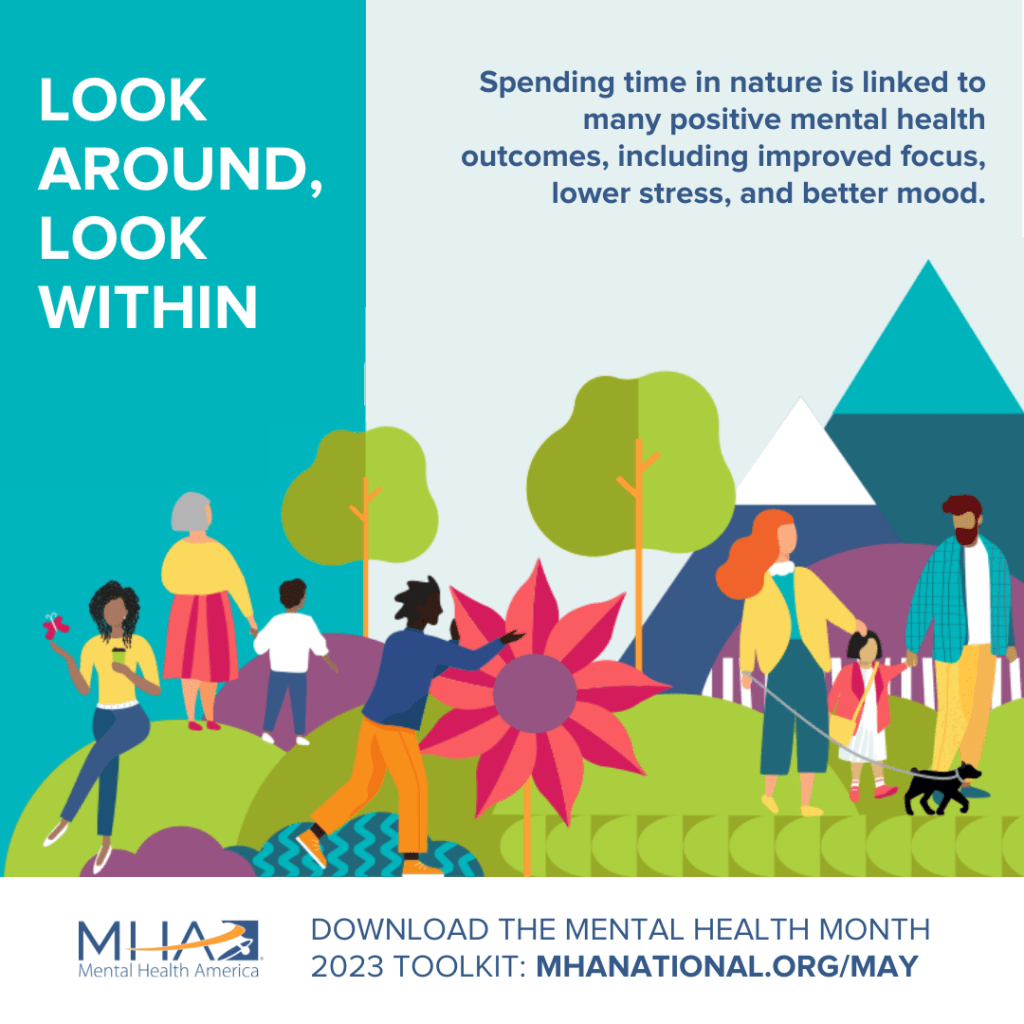
Caregiving can be both rewarding and demanding, often leading to stress and burnout. Mindfulness offers caregivers a powerful tool to manage stress and maintain their own well-being. Incorporate mindfulness practices into daily routines, such as taking short breaks for meditation or engaging in mindful walks outdoors. By caring for your own mental health, you’ll be better equipped to provide compassionate care to your aging loved ones.
4. Creating Mindful Moments Together:
Foster a nurturing environment by creating mindful moments with your aging loved ones. Engage in activities that promote presence and connection, such as sharing meals together without distractions, engaging in creative arts, or simply sitting together in quiet reflection. These moments not only strengthen the bond between caregivers and seniors but also create cherished memories for both parties.
5. Embracing the Present, Celebrating Life:
Mindfulness reminds us to embrace the present moment and find joy in the little things. Encourage aging loved ones to savor each experience, whether it’s the taste of a favorite meal, the warmth of the sun on their skin, or the laughter shared with family and friends. By celebrating life’s simple pleasures, seniors can experience a renewed sense of gratitude and fulfillment.
Cultivating mental majesty through mindfulness can be a profound journey of self-discovery and growth for both aging loved ones and caregivers. By embracing mindfulness practices, we can create a nurturing space that fosters well-being, enhances communication, and strengthens the bond between generations. Mindful wellness empowers seniors to navigate the complexities of aging with grace and acceptance, while caregivers find solace and resilience in the midst of their responsibilities. Let us embark on this mindful path together, celebrating the beauty of the present moment and cherishing the precious connection we share with our aging loved ones. In the realm of mental majesty, we discover the power of presence and the art of living fully in each passing moment.
Planning a Summer Vacation with an Aging Loved One? Download the FREE Checklist!

Are you embarking on a summer vacation adventure with a loved one in need of care? Whether you’re a caregiver or know someone who is, we understand the unique challenges and considerations that come with vacationing while ensuring your loved one is safe..
Make your vacation experience stress-free and enjoyable for both you and your loved one, we’re excited to offer you a free downloadable checklist!
Stay Ahead of the Storm: Download Your Free Expert Storm Guide Now!

As we know, June – November is Hurricane Season. As a family caregiver, there are many ways to prepare your loved ones for it. Early preparation helps reduce opportunities for stress and anxiety as storms approach.
One of the best ways to prepare is allowing your loved on to assist in packing their travel bag, checking their contact list and ensuring there are adequate emergency supplies.
Participation… not isolation… go a long way when preparing for major storms. This Seniors Storm Guide gives essential information to refer to again and again!

 The Caregiver Cafe