
Creating a Safe Digital Haven at Home

By Roz Jones

In an increasingly digital world, caregivers of aging loved ones are not only responsible for their physical well-being but also their online safety. As our loved ones embrace technology for various aspects of their lives, it becomes essential to ensure they have a secure digital environment. In this blog, we will explore practical steps and best practices for securing your loved one’s digital home environment. From password management to software updates, we’ll guide you through the essential measures to protect their online presence.

The Growing Importance of Cybersecurity

Cybersecurity is not just a concern for businesses and governments; it’s also crucial at the individual level, especially for aging adults who may be less familiar with online threats. Here’s why it’s essential:

  • Protecting Personal Information: The digital world stores vast amounts of personal information. Ensuring its security is vital to prevent identity theft and fraud.
  • Preventing Scams: Seniors are often targeted by online scams and phishing attempts. Implementing cybersecurity measures can help safeguard them from falling victim to these scams.
  • Securing Digital Assets: Many aging adults have digital assets like photos, documents, and financial records stored online. Protecting these assets is essential for peace of mind.

Practical Steps for Digital Security

  • Strong Passwords: Encourage your loved one to use strong, unique passwords for each online account. Consider using a password manager to generate and store these passwords securely.
  • Two-Factor Authentication (2FA): Enable 2FA wherever possible. This adds an extra layer of security by requiring a second form of verification, like a text message or authentication app.
  • Regular Updates: Ensure that all devices and software are regularly updated. Updates often contain important security patches that protect against known vulnerabilities.
  • Antivirus Software: Install reputable antivirus software to scan for and remove malware. Schedule regular scans to keep the system clean.
  • Secure Wi-Fi: Use strong, unique passwords for Wi-Fi networks and change them periodically. Additionally, consider setting up a guest network to separate guest devices from sensitive data.
  • Educate About Phishing: Teach your loved one to recognize phishing emails and suspicious links. Emphasize the importance of not sharing personal information online.
  • Back Up Data: Regularly back up important data to an external hard drive or a secure cloud storage service. This ensures data can be recovered in case of loss or ransomware attacks.

Securing your loved one’s digital home environment is a vital aspect of caregiving in the digital age. By implementing practical cybersecurity measures like strong passwords, 2FA, regular updates, and antivirus software, you can help protect their online presence and personal information. Educating them about online threats and safe online practices is equally crucial. Remember that your role as a caregiver extends beyond physical care; it also encompasses ensuring their safety and security in the digital realm. By creating a safe digital haven, you can provide your loved one with the peace of mind and confidence to navigate the online world securely.

Stay Ahead of the Storm: Download Your Free Expert Storm Guide Now!

Photo by ALTEREDSNAPS on Pexels.com

As we know, June – November is Hurricane Season. As a family caregiver, there are many ways to prepare your loved ones for it. Early preparation helps reduce opportunities for stress and anxiety as storms approach.

One of the best ways to prepare is allowing your loved on to assist in packing their travel bag, checking their contact list and ensuring there are adequate emergency supplies.

Participation… not isolation… go a long way when preparing for major storms. This Seniors Storm Guide gives essential information to refer to again and again!


Data Backup and Storage Solutions for Caregivers

By Roz Jones

As a caregiver, you are responsible not only for the health and well-being of your aging loved one but also for their financial and personal information. In today’s digital age, it’s important to have a plan in place for backing up and storing this information securely.

Here are five data backup and storage solutions that caregivers can use to protect their aging loved ones’ information:

  1. Cloud storage options: Cloud storage services such as Google Drive, Dropbox, and iCloud provide secure, remote storage for important files and documents. These services allow you to access files from anywhere with an internet connection and can be set up to automatically back up files from your devices. It’s important to choose a reputable provider and use strong, unique passwords to protect the account.
  1. External hard drives: External hard drives are a physical backup option that can be used to store important files and documents. They can be easily transported and can be set up to automatically back up files from your devices. It’s important to keep the hard drive in a safe place and to make sure that it’s password-protected to prevent unauthorized access.
  1. Password-protected USB drives: USB drives are a convenient and portable backup option. They can be password-protected to prevent unauthorized access and can be easily transported. However, USB drives can be lost or stolen, so it’s important to keep them in a safe place and make sure that they’re backed up elsewhere.
  1. Online backup services: Online backup services such as Carbonite and Backblaze provide secure, remote backup options for important files and documents. These services can be set up to automatically back up files from your devices and provide easy access to your data from anywhere with an internet connection. It’s important to choose a reputable provider and to use strong, unique passwords to protect the account.
  1. Backup and recovery software: Backup and recovery software such as Acronis and EaseUS provide comprehensive backup and recovery options for your devices. These tools allow you to create full system backups, clone hard drives, and recover lost or deleted files. It’s important to use strong, unique passwords to protect the software and to regularly test your backups to ensure that they’re working correctly.

It’s important for caregivers to have a plan in place for backing up and storing their aging loved ones’ information securely. By using a combination of these data backup and storage solutions, you can ensure that important files and documents are protected from loss, theft, and unauthorized access. You can also protect yourself financially by utilizing these solutions. Secure communication systems and data storage are very important to every good caregiver.


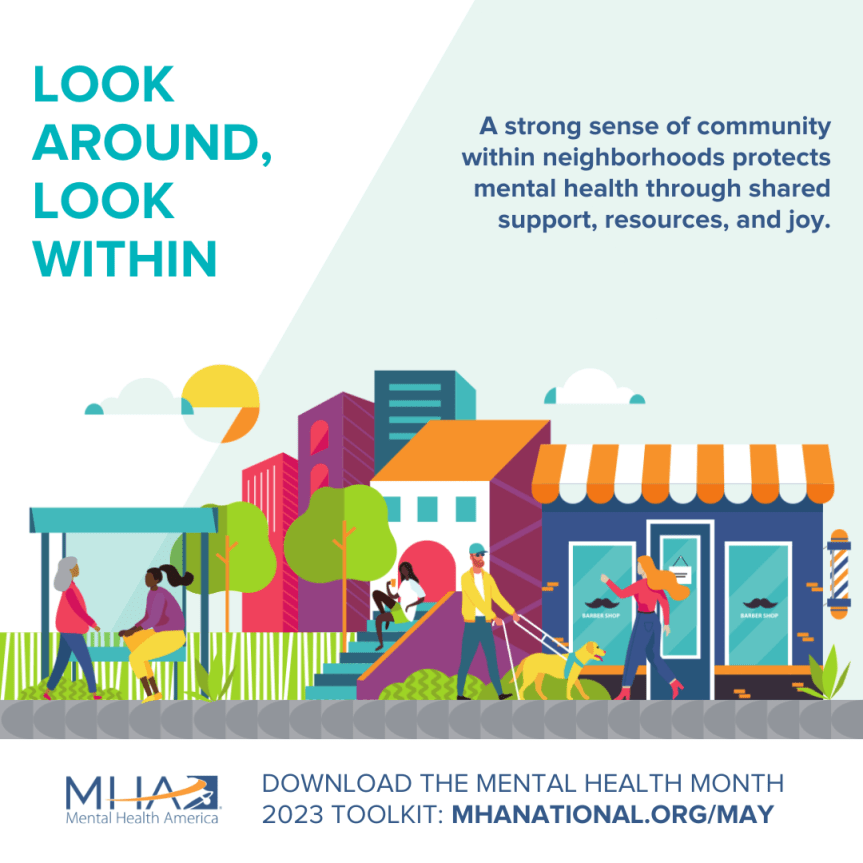
Unlock Your Community’s Mental Health: Download Mental Health America’s Healthy Neighborhoods & Communities Document

Are you aware that where you live can impact your mental health? In fact, up to 60% of your overall health is determined by your ZIP code. If you’re looking for ways to support your mental health and well-being, then the Mental Health of America Toolkit is the perfect resource for you.

This toolkit provides valuable information and resources to help you access the services and support you need in your neighborhood and town. With the Mental Health of America Toolkit, you can take control of your mental health and prioritize your well-being. Don’t wait any longer – download the Mental Health of America Toolkit today!


Shop The Caregiver Cafe E-Commerce Store!

We founded The Caregiver Cafe Shopify Store with one simple goal: to help you experiment with your passion while at the same time providing amazing prices. We were tired of cookie-cutter stores with lackluster selections, and boring gifts. Instead of offering a huge unoriginal collection, we carefully curate just a few unique pieces perfectly suited for people the taste buds like you.

We focus on items that get you excited about shopping again, as we believe buying online should always be fun!


Are you struggling to take care of an ex-partner? It can be emotionally challenging and hinder personal growth. But there are ways to show care without losing yourself in the process. In this episode, we discuss the complexities of taking care of an ex-partner, from setting boundaries and managing expectations to communication challenges and potential harm to personal well-being. Listen in to learn how to assess your emotional capacity and boundaries while still considering the well-being of your former spouse. Don’t miss out on these valuable insights!

Taking care of an ex-partner is complex due to emotional baggage, difficulty in establishing boundaries and managing expectations, hindering personal growth and moving on, communication challenges, interference with new boundaries and relationships, and potential harm to personal well-being. 

It’s crucial to assess one’s emotional capacity and boundaries while considering the well-being of both individuals involved.

In this episode, we continue our discussion on how you can show care for an ex-partner without losing yourself in the process.

Listen in for all the gems!

Subscribe to The Caregiver Cafe Weekly Newsletter!

Caregiving can be a roller coaster of ups and downs. The information that you will receive from The Caregiver Cafe Weekly Specials Newsletter will support you as a caregiver. Remember…

1. YOU ARE NOT ALONE: The problems you face as a caregiver are experienced by other caregivers. Knowing that you’re not alone can be comforting. 

2. Tools and Resources:  Find caregiver stress management tools and gain perspective from other caregiver’s experiences.

3. LEARN TO: Ask for help, accept help when it is offered, and acknowledge yourself on this caregiving journey. Hear from experts on how to balance caregiving responsibilities by taking care of your needs and involving others to help manage the natural stress and isolation of being a caregiver.