Rediscovering the Joy of Reading and Gardening: Activities for Caregivers and Aging Loved Ones

By Roz Jones

As a caregiver for an aging loved one, finding activities that promote their mental stimulation and enjoyment is essential. In today’s blog post, we will explore two engaging activities that can bring a sense of fulfillment and joy to your caregiving routine: reading and gardening. These activities provide opportunities for intellectual growth, creativity, and connection with nature. So, let’s delve into the world of books and gardens and discover how they can enrich the lives of your aging loved ones.

Activity 1: Reading

Reading is a wonderful activity that can transport us to different worlds, expand our knowledge, and ignite our imagination. For aging loved ones who may face physical limitations, reading offers a gateway to new experiences and intellectual stimulation. It also provides a platform for shared moments of connection and conversation between you and your loved one.

Select books that align with your loved one’s interests and preferences, whether it’s fiction, non-fiction, biographies, or even poetry. Consider reading aloud to your loved one, taking turns reading chapters, or discussing the books together. If possible, create a cozy reading nook with comfortable seating, good lighting, and a collection of their favorite books. Encourage discussions, share insights, and allow the magic of storytelling to unfold.

Activity 2: Gardening

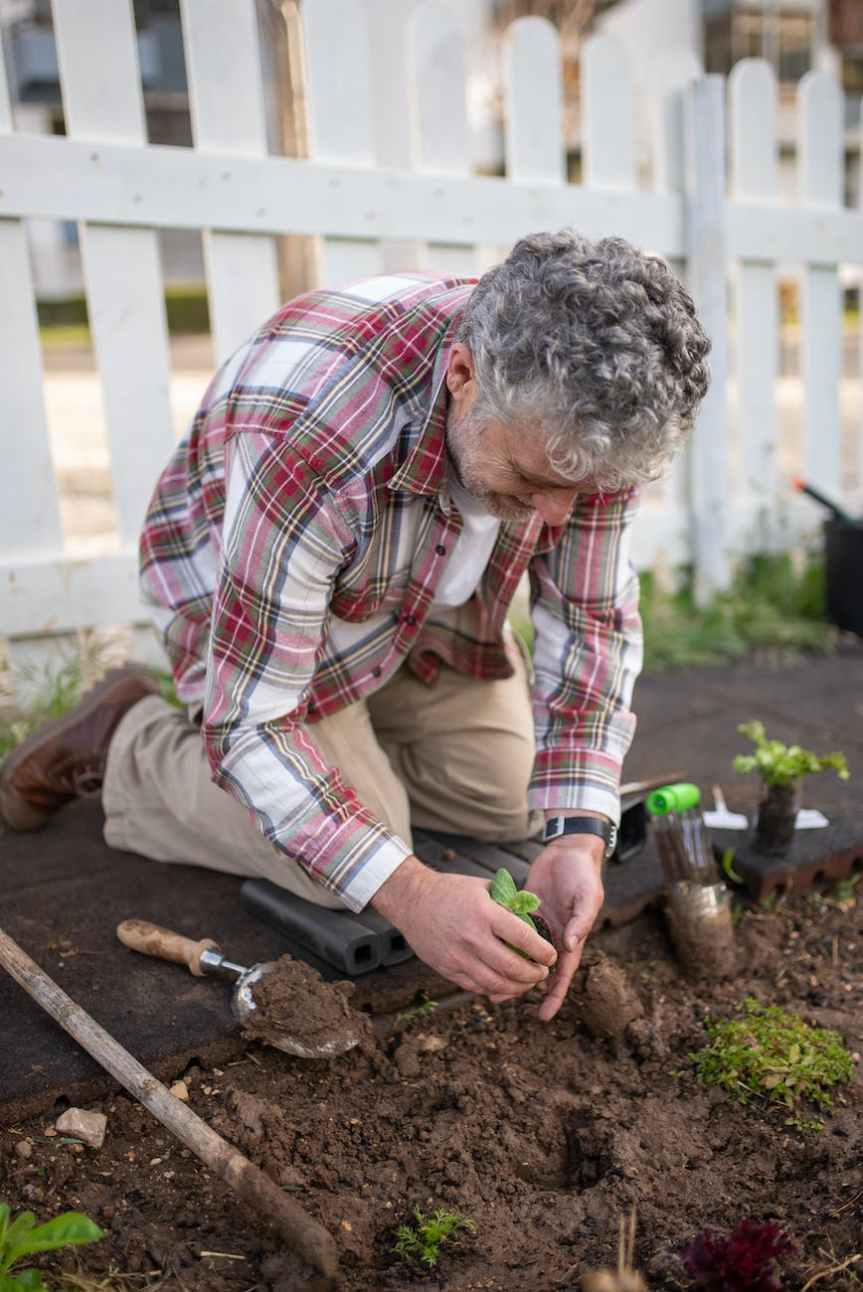
Gardening is a therapeutic and rewarding activity that can benefit both physical and mental well-being. Engaging in gardening with your aging loved one provides an opportunity to connect with nature, enjoy fresh air, and witness the beauty of growth and nurturing.

Start small by creating a container garden or tending to a few potted plants. Even if you have limited space, a windowsill or balcony can serve as a green oasis. Involve your loved one in selecting plants, planting seeds, or tending to existing plants. Gardening promotes physical movement, sensory stimulation, and a sense of accomplishment as they witness the fruits of their labor.

Encourage conversations about favorite plants, childhood memories related to gardening, and the joy of being surrounded by nature. This shared experience can deepen your bond and provide moments of tranquility and reflection.

Incorporating activities like reading and gardening into your caregiving routine can have a profound impact on the well-being and quality of life for your aging loved one. These activities offer mental stimulation, creativity, and opportunities for connection and shared experiences. Remember to tailor the activities to their interests and abilities, creating a comfortable and inviting space for reading and gardening sessions.

By embracing the joy of reading and the wonders of gardening, you are creating moments of fulfillment and happiness for your loved one. Stay tuned for our final blog post in this series, where we will explore more activities to enhance the lives of aging parents and caregivers.
Remember to check out our previous blog post on activities for elderly parents for additional inspiration and ideas. Together, let’s continue to create meaningful and enriching experiences for our aging loved ones.

Planning a Summer Vacation with an Aging Loved One? Download the FREE Checklist!

Are you embarking on a summer vacation adventure with a loved one in need of care? Whether you’re a caregiver or know someone who is, we understand the unique challenges and considerations that come with vacationing while ensuring your loved one is safe..

Make your vacation experience stress-free and enjoyable for both you and your loved one, we’re excited to offer you a free downloadable checklist!

Stay Ahead of the Storm: Download Your Free Expert Storm Guide Now!

Photo by ALTEREDSNAPS on Pexels.com

As we know, June โ€“ November is Hurricane Season. As a family caregiver, there are many ways to prepare your loved ones for it. Early preparation helps reduce opportunities for stress and anxiety as storms approach.

One of the best ways to prepare is allowing your loved on to assist in packing their travel bag, checking their contact list and ensuring there are adequate emergency supplies.

Participationโ€ฆ not isolationโ€ฆ go a long way when preparing for major storms. This Seniors Storm Guide gives essential information to refer to again and again!


Creating an Environment of Stimulation Not Isolation for Aging Loved Ones with Alzheimer’s

By Roz Jones

Creating a safe and stimulating environment is paramount when caring for individuals with Alzheimer’s disease. The physical surroundings significantly impact their well-being, reducing anxiety and fostering familiarity. In this blog, we will explore practical strategies for designing a care environment that supports the unique needs of Alzheimer’s patients. Additionally, we will discuss the latest news about Rosalynn Carter’s diagnosis of dementia, highlighting the importance of awareness, compassion, and support in Alzheimer’s care.

Simplify the Space:

Simplicity is key when designing an environment for Alzheimer’s patients. Minimizing clutter and removing unnecessary items reduces confusion and sensory overload. A clean and organized space promotes easy navigation and visual clarity, ensuring a comfortable and familiar environment. Recent news about Rosalynn Carter’s diagnosis serves as a reminder of the need for simplicity and clarity in Alzheimer’s care.

Safety First:

Ensuring the safety of loved ones with Alzheimer’s is paramount. Implement appropriate safety measures throughout the living space, including handrails and grab bars in bathrooms and hallways to assist with mobility. Use non-slip mats or rugs to prevent falls. Secure cabinets containing hazardous items or medications. By addressing potential safety hazards, caregivers can create an environment that promotes independence and minimizes the risk of accidents. Recent news about Rosalynn Carter underscores the importance of prioritizing safety in Alzheimer’s care.

Promote Familiarity:

Familiarity brings comfort to Alzheimer’s patients. Surround them with familiar objects, photographs, and mementos that evoke positive memories. Display items reflecting their personal history and interests. Incorporate scents, such as lavender or vanilla, known for their calming effects. By creating an environment rich in familiarity, caregivers can provide a sense of security and reduce feelings of disorientation. The latest news about Rosalynn Carter’s diagnosis emphasizes the significance of familiar surroundings in Alzheimer’s care.

Sensory Stimulation:

Engaging the senses can enhance cognitive function and emotional well-being for individuals with Alzheimer’s. Introduce elements that stimulate the senses, such as soft textures, soothing music, and pleasant aromas. Provide access to nature by creating a small garden or setting up bird feeders outside windows. Incorporate activities that engage the senses, such as art, music, or sensory games, to promote cognitive stimulation and emotional connection. Recent news about Rosalynn Carter reminds us of the importance of sensory stimulation in Alzheimer’s care.

Establish Routine and Structure:

Consistent routines provide stability and predictability for Alzheimer’s patients. Establish a daily schedule with regular mealtimes, activities, and periods of rest. Create visual reminders, such as a daily calendar or whiteboard, to help individuals understand and anticipate their routines. Consistency and structure reduce anxiety, confusion, and agitation. The news about Rosalynn Carter’s diagnosis emphasizes the significance of routine and structure in Alzheimer’s care.

Social Connection:

Social interaction is crucial for the emotional well-being of individuals with Alzheimer’s. Design spaces within the environment that encourage socialization, such as a comfortable seating area for family members and friends to gather. Encourage visits and organize social activities that facilitate connection and engagement. Involving loved ones in community programs or support groups specifically designed for individuals with Alzheimer’s can also be beneficial. The latest news about Rosalynn Carter underscores the importance of social connection in Alzheimer’s care.

Creating a safe and stimulating environment for Alzheimer’s patients requires thoughtful planning and attention to their unique needs. By simplifying the space, prioritizing safety, promoting familiarity, engaging the senses, establishing routine, and fostering social connection, caregivers can provide an environment that nurtures well-being and enhances quality of life.

 Remember, the environment you create plays a crucial role in supporting the journey of individuals with Alzheimer’s, offering them comfort, stimulation, and a sense of belonging in their changing world.

Stay Ahead of the Storm: Download Your Free Expert Storm Guide Now!

Photo by ALTEREDSNAPS on Pexels.com

As we know, June โ€“ November is Hurricane Season. As a family caregiver, there are many ways to prepare your loved ones for it. Early preparation helps reduce opportunities for stress and anxiety as storms approach.

One of the best ways to prepare is allowing your loved on to assist in packing their travel bag, checking their contact list and ensuring there are adequate emergency supplies.

Participationโ€ฆ not isolationโ€ฆ go a long way when preparing for major storms. This Seniors Storm Guide gives essential information to refer to again and again!


Stay Connected!