
Gone But Not Forgotten: Creating a Memory Table as a Special Tribute to Your Loved One

By Roz Jones

As we continue the Gone But Not Forgotten Blog Series, let’s explore a meaningful way to bring your loved one’s presence into your holiday celebrations: creating a memory table. This simple, heartfelt tribute offers a tangible reminder of their impact on your life while giving family and friends a special space to reflect and share memories.

A memory table can serve as a gentle yet powerful way to honor your loved one’s legacy. Whether it’s set near the dining table, in the living room, or another cherished space in your home, this dedicated area creates a beautiful bridge between their memory and your holiday traditions.

Tips and Tricks for a Heartfelt Memory Table

  1. Choose a Special Location
    Find a spot where the memory table will be easily seen and appreciated. This could be near the dinner table, beside the Christmas tree, or on a prominent mantelpiece. The location sets the tone for the tribute and ensures it’s a central part of the holiday atmosphere.
  2. Personalize It
    Make the memory table a reflection of your loved one. Decorate it with items that represent their personality, hobbies, or passions. It could include their favorite holiday ornaments, a treasured book, or something that reminds you of a special moment you shared together.
  3. Incorporate Photos
    Use framed photos of your loved one, especially from past holiday celebrations. These visuals can spark fond memories and stories, keeping their spirit alive during the festivities.
  4. Include a Special Note
    Take a moment to write a letter to your loved one or jot down a cherished memory. Place these notes on the table or read them aloud during a special moment, like a holiday dinner. Encourage family members to contribute their own notes for a collective expression of love and remembrance.
  5. Light a Candle
    A lit candle is a timeless symbol of remembrance and can add warmth to the memory table. Light it during dinner, gift exchanges, or any time when you want to honor their presence.
  6. Make It Interactive
    Invite your family and friends to contribute to the memory table. They could add photos, small mementos, or written notes. This collaborative act creates a shared space of love, connection, and healing.

Why a Memory Table Matters

For me, a memory table is more than just a tribute—it’s a way to include my loved one in the moments that matter most. It creates an opportunity for everyone to pause, reflect, and share stories, bringing a sense of closeness even in their physical absence.

This simple tradition has helped me navigate the holidays with a little more grace and joy, reminding me that while they may be gone, their love and influence are always present.

A Lasting Tradition

As you gather with loved ones this holiday season, consider setting up a memory table as part of your Gone But Not Forgotten traditions. It’s a tangible way to keep your loved one close, honor their legacy, and create a space where their memory can continue to bring warmth and connection to your family.

Let’s remember them with love, share their stories, and celebrate the impact they’ve had on our lives.

Subscribe to The Caregiver Cafe Weekly Newsletter!

Caregiving can be a roller coaster of ups and downs. The information that you will receive from The Caregiver Cafe Weekly Specials Newsletter will support you as a caregiver. Remember…

1. YOU ARE NOT ALONE: The problems you face as a caregiver are experienced by other caregivers. Knowing that you’re not alone can be comforting. 

2. Tools and Resources:  Find caregiver stress management tools and gain perspective from other caregiver’s experiences.

3. LEARN TO: Ask for help, accept help when it is offered, and acknowledge yourself on this caregiving journey. Hear from experts on how to balance caregiving responsibilities by taking care of your needs and involving others to help manage the natural stress and isolation of being a caregiver. 

Gone But Not Forgotten: Raising A Glass in Honor of Your Loved One

By Roz Jones

The holidays have always been a time for family, love, and togetherness, but after losing a loved one, they can also be bittersweet. For me, it’s a time to reflect on the people who are no longer with us and find small ways to keep their presence alive. One of the most meaningful traditions I’ve embraced is raising a glass in their honor.

This simple act—a toast—is such a powerful way to pause and celebrate their life. It’s an opportunity to remember their joy, their love, and the moments that made them unforgettable.

I want to share how you can make this tradition your own, just as I have, to keep your loved one’s memory close during this season.

Tips and Tricks for a Memorable Toast

  1. Choose the Right Moment
    Timing is everything. Whether it’s before dinner, during dessert, or at the start of a family gathering, find a moment when everyone can pause together. A toast doesn’t need to be long or elaborate—it’s the intention that matters most.
  2. Incorporate Their Favorite Drink
    Add a personal touch by including your loved one’s favorite beverage in the toast. Whether it’s a classic cocktail, a glass of wine, or a comforting cup of tea, this small detail can make the moment feel even more connected to their memory.
  3. Write a Heartfelt Message
    If you’re unsure what to say, take a few moments beforehand to write down a thought or memory that encapsulates your loved one’s essence. Whether it’s a funny story, a cherished moment, or a simple thank-you for the joy they brought to your life, your words will carry meaning and love.
  4. Invite Others to Share
    Create a sense of togetherness by inviting family members to join in the toast. Encourage them to share their own thoughts, memories, or wishes in honor of your loved one. This collective act of remembrance can be a powerful way to bond and heal as a family.
  5. Keep the Atmosphere Comfortable
    Remember, not everyone processes grief the same way. Keep the toast light, loving, and inclusive, allowing those who may not wish to speak to participate simply by raising their glass.

Why This Tradition Matters

Raising a glass in honor of your loved one is more than just a gesture—it’s an intentional act of remembrance that brings family and friends closer together. This tradition allows you to:

  • Celebrate the joy your loved one brought to your life.
  • Reflect on their legacy and the memories that continue to bring you comfort.
  • Foster a sense of unity and healing among those who shared in their life.

A Lasting Legacy

As you gather this holiday season, let the simple act of a toast remind you that while grief may feel heavy, love and connection endure. Each shared story, each raised glass, and each heartfelt word adds to the legacy of your loved one, keeping their memory alive in the hearts of those who loved them most.

So, let’s sip and save those special moments—because even in their absence, our loved ones remain an irreplaceable part of our story.

Subscribe to The Caregiver Cafe Weekly Newsletter!

Caregiving can be a roller coaster of ups and downs. The information that you will receive from The Caregiver Cafe Weekly Specials Newsletter will support you as a caregiver. Remember…

1. YOU ARE NOT ALONE: The problems you face as a caregiver are experienced by other caregivers. Knowing that you’re not alone can be comforting. 

2. Tools and Resources:  Find caregiver stress management tools and gain perspective from other caregiver’s experiences.

3. LEARN TO: Ask for help, accept help when it is offered, and acknowledge yourself on this caregiving journey. Hear from experts on how to balance caregiving responsibilities by taking care of your needs and involving others to help manage the natural stress and isolation of being a caregiver. 

Gone But Not Forgotten: Creating a Memory Journal to Preserve Their Legacy

By Roz Jones

As we continue our Gone But Not Forgotten Blog Series, let’s explore a heartfelt way to keep your loved one’s memory alive: creating a memory journal. Writing down your thoughts, emotions, and cherished memories not only honors your loved one’s legacy but also provides a meaningful outlet for your grief.

A memory journal becomes a treasure trove of stories, keepsakes, and reflections that can be shared with family members, passed down through generations, or simply revisited when you need to feel close to your loved one.

Tips and Tricks for Creating a Memory Journal

  1. Choose a Special Journal
    Select a journal that feels significant to you—whether it’s a simple notebook or an intricately designed one. Personalize it by adding your loved one’s name, favorite colors, or a photo that reminds you of them.
  2. Invite Family Contributions
    Make the memory journal a family project. Ask relatives to contribute their favorite stories, special moments, or reflections about your loved one. This collective effort not only creates a richer memory book but also brings family members closer together.
  3. Add Meaningful Keepsakes
    Enhance your journal with mementos like photos, event tickets, or handwritten notes. These items add a tactile element to your memories, making them even more vivid and heartfelt.
  4. Make It a Holiday Tradition
    Dedicate time during the holidays to revisit the journal. Gather family members to read entries, share memories, or even add new reflections. This tradition can be a comforting way to feel connected and honor your loved one during special times.
  5. Write Freely and Authentically
    Let your thoughts flow without judgment. Include everything from happy memories to moments of sadness—every emotion is valid and part of your healing journey.

Why a Memory Journal Matters

Grief can feel overwhelming and isolating, but a memory journal offers a tangible way to process those emotions. It’s a space to:

  • Reflect on your loved one’s impact on your life.
  • Celebrate the joy they brought to you and others.
  • Capture the small details that might otherwise fade with time.

By documenting these memories, you create a living tribute that preserves their legacy and helps you—and your family—navigate the journey of healing.

A Lasting Legacy

A memory journal isn’t just for you; it’s a gift for future generations. Imagine your children or grandchildren reading about the loved one who shaped your life. Through your words, they’ll come to know the person you’ve lost and the love you’ve shared.

Start small, take it day by day, and remember—this journal is your space to honor, grieve, and heal. Let it be a source of comfort and connection as you move through the seasons of life.

Stay tuned for more tips in the Gone But Not Forgotten Blog Series as we continue exploring ways to cherish and celebrate our loved ones’ legacies.

Subscribe to The Caregiver Cafe Weekly Newsletter!

Caregiving can be a roller coaster of ups and downs. The information that you will receive from The Caregiver Cafe Weekly Specials Newsletter will support you as a caregiver. Remember…

1. YOU ARE NOT ALONE: The problems you face as a caregiver are experienced by other caregivers. Knowing that you’re not alone can be comforting. 

2. Tools and Resources:  Find caregiver stress management tools and gain perspective from other caregiver’s experiences.

3. LEARN TO: Ask for help, accept help when it is offered, and acknowledge yourself on this caregiving journey. Hear from experts on how to balance caregiving responsibilities by taking care of your needs and involving others to help manage the natural stress and isolation of being a caregiver. 
Gone But Not Forgotten: Cooking Your Loved Ones Favorite Dish

By Roz Jones

The holiday season can be a beautiful time of joy, love, and family—but it can also be a bittersweet reminder of the loved ones we’ve lost. If you’re grieving and navigating the holidays without someone you held dear, it’s important to find ways to honor their memory while still embracing the warmth of the season. This Gone but Not Forgotten blog series is designed specifically for caregivers who are experiencing the loss of a loved one and need guidance on how to honor their memory during this time.

Throughout this series, I’ll share tips, tricks, and practical ideas that will help you incorporate your loved one into family traditions, creating meaningful ways to honor them and bring healing to your heart. Let’s dive deeper into the activities I’ve shared in the first post, with actionable steps and creative ideas you can use to make them your own.

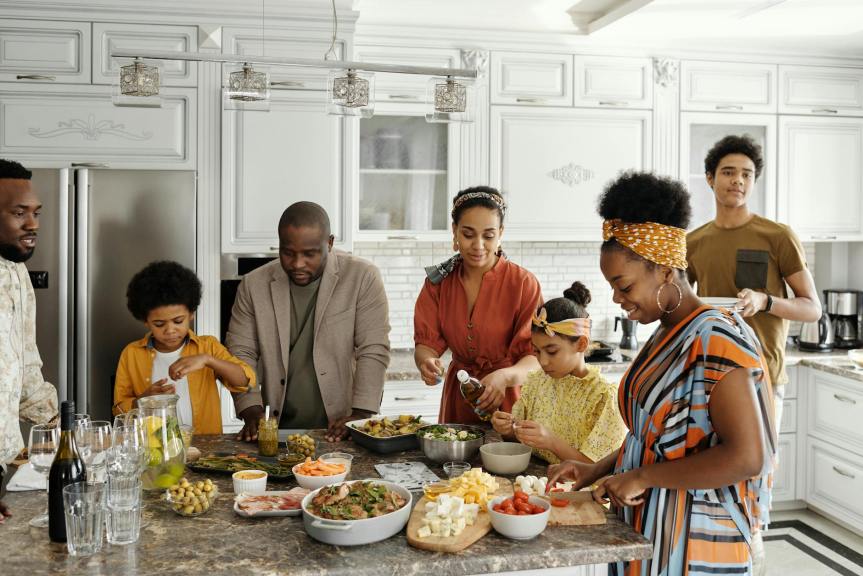
Food has a unique way of connecting us to the people we love, especially when it’s tied to special memories. Cooking a beloved dish from your loved one’s recipe box or preparing their favorite holiday meal is a way to keep their presence alive while celebrating family togetherness.

Tips and Tricks:

  • Make it a family event: Invite other family members to join in and help cook. You can take turns sharing stories about why that dish was special to your loved one. Cooking together creates a bonding experience while allowing everyone to feel connected to the memory.
  • Preserve their recipes: If your loved one had a signature dish or a recipe they often made during the holidays, keep that tradition alive by writing it down or preserving it in a family recipe book.
  • Recreate their style: If your loved one had a unique way of preparing a dish, try to recreate it as best as you can. You don’t have to get it perfect—what matters is the gesture and the act of remembering.
  • Try a “memory twist”: Add your own twist to their dish by incorporating a small change that makes it your own while still honoring the essence of what your loved one loved.

Cooking their favorite dish not only fills your home with the comforting smells of a cherished meal but also gives you and your family a chance to share in the warmth of their memory.

Subscribe to The Caregiver Cafe Weekly Newsletter!

Caregiving can be a roller coaster of ups and downs. The information that you will receive from The Caregiver Cafe Weekly Specials Newsletter will support you as a caregiver. Remember…

1. YOU ARE NOT ALONE: The problems you face as a caregiver are experienced by other caregivers. Knowing that you’re not alone can be comforting. 

2. Tools and Resources:  Find caregiver stress management tools and gain perspective from other caregiver’s experiences.

3. LEARN TO: Ask for help, accept help when it is offered, and acknowledge yourself on this caregiving journey. Hear from experts on how to balance caregiving responsibilities by taking care of your needs and involving others to help manage the natural stress and isolation of being a caregiver.