
When Vacation Plans Change: How Caregivers Can Stay Ready Without Fear

By Roz Jones

Caregiving teaches you that plans are important.

But caregiving also teaches you that plans can change.

You can book the trip, pack the bags, confirm the hotel, arrange transportation, and still have something unexpected happen before you even make it out the door. That is just real life. And when you are caring for an aging loved one, real life often requires a little more preparation.

That does not mean caregivers should never travel. It does not mean you should feel guilty for wanting a break, attending a family event, taking a vacation, or spending time away from the daily routine. It simply means that when you are responsible for someone else’s care, you need to think through a few things before you go.

When the Unexpected Is Not an Emergency

What happens when the issue is not a full emergency, but it is still enough to disrupt the care routine?

Maybe your loved one becomes anxious because someone new is helping them. Maybe they refuse to eat the meal that was prepared. Maybe the person checking in does not know where the medication is kept. Maybe the weather changes. Maybe the power goes out. Maybe your flight is delayed and you cannot get back when you expected.

These are the moments that can create stress if there is no plan in place.

A good caregiver vacation plan is not only about what to do if something goes terribly wrong. It is also about helping the people around your loved one know what to do when something small starts to feel big.

The Details You Carry Matter

As caregivers, we often carry information in our heads that nobody else knows.

We know which cup our loved one prefers. We know how they like their coffee. We know which chair helps them sit more comfortably. We know when they are just tired and when something seems off. We know which tone of voice helps calm them down. We know which foods they will eat without a fuss and which ones will sit untouched on the plate.

Those details may not seem important until somebody else has to step in.

Before you leave, take time to write down the things that help your loved one’s day go smoothly. Not just the medical information, but the personal information too.

What brings them comfort? What makes them anxious? What time do they usually wake up? Do they need reminders to drink water? Do they need help getting to the bathroom at night? Do they become more confused in the evening? Do they need encouragement to use their walker?

This is the kind of information that helps care feel familiar, even when you are not the one providing it.

Prepare Your Loved One Emotionally

Caregivers also need to prepare their loved one emotionally, when possible.

If your aging loved one is able to understand that you will be away, talk with them ahead of time. Keep it simple. Let them know who will be helping, when you will check in, and when you plan to return.

You do not have to explain every detail. Sometimes too much information creates more worry. What your loved one may need most is reassurance.

They need to know they will not be forgotten.

They need to know someone will be there.

They need to know there is a plan.

For loved ones living with memory changes, this conversation may need to happen more than once. A note on the refrigerator, a simple calendar, or a written schedule can help remind them what is happening and who is coming by.

Make the Family Plan Clear

Now, let’s talk about family.

Before a caregiver leaves for vacation, the family needs to understand the plan too. This is where many caregivers get frustrated because people may say, “Just call me if you need anything,” but they do not always understand what “anything” includes.

That is why the conversation has to be clear.

Who is the first person to call if there is a concern? Who can make a decision if something urgent happens? Who has a key to the house? Who knows where the medications are? Who can take your loved one to an appointment if needed? Who can stay longer if the original helper has to leave?

These are not dramatic questions. These are responsible questions.

And they matter because when something happens, confusion can waste time.

It is also important to talk through what should happen if you are delayed. Travel does not always go as planned. Flights get canceled. Cars break down. Weather changes. Family emergencies happen. If you are expected back on a certain day and cannot return, someone needs to know what the next step is.

Caregivers should not have to solve everything from an airport, a hotel room, or the side of the road.

There should already be a plan in place.

Do Not Forget Weather Readiness

If your loved one lives in an area where storms or hurricanes are a concern, this planning becomes even more important.

A vacation backup plan should include weather readiness. Make sure someone knows where the flashlights are. Make sure there is water in the home. Make sure medications, important documents, and emergency contacts are easy to find.

If your loved one uses medical equipment that requires electricity, the family needs to know what to do if the power goes out.

Caregiving during hurricane season requires preparation before the storm is ever on the way.

The goal is not to wait until everyone is nervous and rushing. The goal is to have the basics in place so the person stepping in knows what to do, where to look, and who to call.

When Your Loved One Is Traveling With You

The same is true when you are vacationing with your aging loved one instead of leaving them at home.

That kind of trip requires its own kind of preparation.

You may need to plan for more rest breaks. You may need to bring extra medication. You may need to call ahead about accessibility. You may need to think about how much walking is involved, whether the bathroom is close by, and whether your loved one will have quiet time to recharge.

Sometimes caregivers plan a vacation based on how the family used to travel. But aging changes things.

That does not mean the trip cannot still be meaningful. It just means the plan may need to be adjusted.

Maybe you do fewer activities. Maybe you build in more downtime. Maybe you choose comfort over convenience. Maybe you stop trying to make the trip perfect and focus instead on making it peaceful.

That is still a beautiful vacation.

That is still connection.

That is still care.

Give Yourself Permission to Rest

Caregivers, I want you to hear this.

You are allowed to rest.

You are allowed to step away.

You are allowed to enjoy yourself.

You are allowed to take a vacation without feeling like you have failed your loved one.

Guilt has a way of showing up when caregivers try to do something for themselves. But rest is not selfish. Preparation is not selfish. Asking for help is not selfish.

It is part of keeping the care going.

If you are doing everything alone, never resting, never leaving, and never allowing anyone else to help, that is not sustainable. Love can be strong and still need support. Commitment can be real and still need rest.

Caregiving is a journey, and every season brings something different. Some seasons are about daily routines. Some are about hard decisions. Some are about planning for emergencies. Some are about learning how to rest without guilt.

Vacation planning sits right in the middle of all of that.

Because it asks caregivers to do something many are not used to doing.

It asks you to trust the plan.

It asks you to let others help.

It asks you to prepare, release, and breathe.

Keep Building Your Backup Plan

If you missed the first blog, you can read Preparing for the Unexpected: Importance of Having a Vacation Backup Plan here. It is a helpful starting point for building your vacation backup plan.

This blog builds on that reminder with one more truth:

The goal is not to control everything.

The goal is to prepare well enough that you and your loved one are supported if things change.

Because they might.

And if they do, you do not have to panic.

You can respond.

You can adjust.

You can lean on the plan you created.

Caregiver, peace of mind does not happen by accident. Sometimes it comes from taking the time to prepare before you need to.

So before you take that trip, attend that event, or step away for a few days, give yourself and your loved one the gift of a clear plan.

Not because you expect the worst.

But because care is easier when support is already in place.

Download the Vacationing With Aging Loved Ones Checklist for FREE!

Before your next trip, download the free Vacationing with an Aging Loved One Checklist. This resource can help you think through what needs to be packed, planned discussed, and prepared before travel begins!

Tune in to The Caregiver Café Podcast

In this episode of The Caregiver Café with Roz Jones, Roz is talking about something that many families face but do not always know how to handle: caregiving as a family affair.

When an aging parent, loved one, or family member needs care, one person often becomes the main caregiver while everyone else steps back, scatters, or assumes that person has it all under control. But caregiving should not fall on one person without a plan, support, or honest family conversations.

Roz breaks down how families can reduce the chaos in caregiving by understanding where tension comes from, setting realistic expectations, creating a care plan, assigning roles, and being honest about what each person can and cannot do. She also reminds listeners that every family member may not be able or willing to provide hands-on care, and that is why outside resources, respite care, and hired support may need to become part of the plan.

This episode is a practical reminder that caregiving requires communication, boundaries, preparation, and teamwork. Whether you live close by or long distance, there is usually some way to support the person providing daily care.

Caregiving may be a family affair, but it works best when the family has a plan.

Give Yourself a Moment of Grace

If you need encouragement for the emotional side of caregiving, purchase Roz Jones’ book, Moments of Grace. This book offers support, reflection, and reminders of grace for the caregiver who is carrying a lot.

This journal was created to help caregivers pause, breathe, reflect, and find strength in the middle of the caregiving journey.

Purchase Moments of Grace today and give yourself permission to breathe in the middle of the caregiving journey.

Prepare Before the Emergency Comes
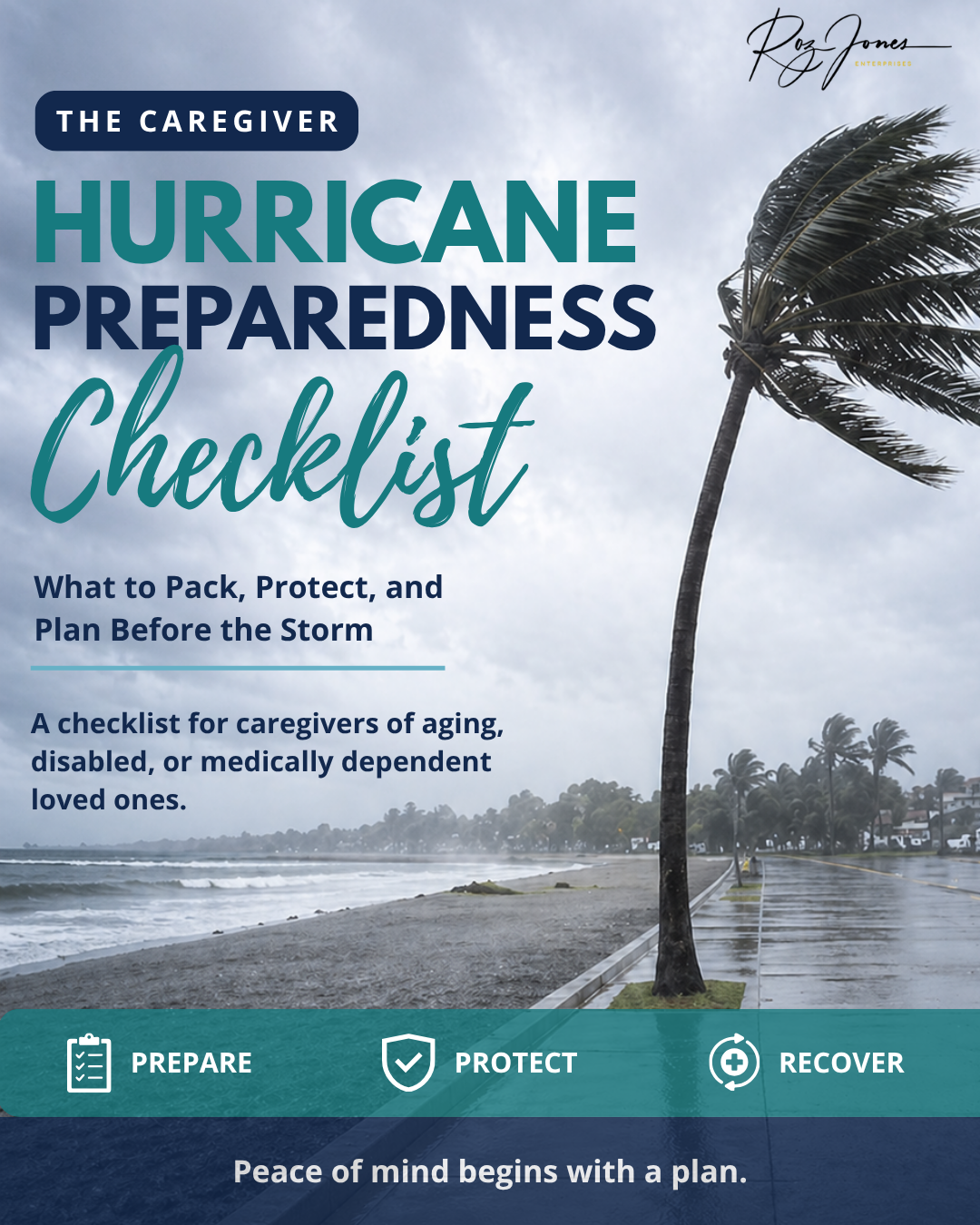
The Caregiver Hurricane Preparedness Checklist.

If you are caring for a loved one during storm season, purchase the Caregiver Hurricane Preparedness Checklist. It can help you prepare important documents, emergency contacts, supplies, medication needs, and safety steps before severe weather becomes a crisis.

For only $1.99, this checklist gives you a simple starting point so you are not trying to gather everything during a storm, power outage, hospitalization, or sudden change in your loved one’s care.

Purchase the Caregiver Hurricane Preparedness Checklist for $1.99 today and take one more step toward peace of mind.

Need Help Sorting Through the Care Plan?

Roz Jones is a dedicated caretaker turned CEO with over a decade of experience in helping families care for and make decisions for loved ones and their legacies.Roz is a compassionate, innovative healthcare industry leader.

If your family needs help thinking through care decisions, caregiving responsibilities, or next steps, book a session with Roz Jones. You do not have to navigate this season alone.

Together, we can talk through what is working, what is becoming too heavy, and what boundaries need to be strengthened so you can continue to care without losing yourself in the process.

Subscribe to The Caregiver Cafe Weekly Newsletter!

Caregiving can be a roller coaster of ups and downs. The information that you will receive from The Caregiver Cafe Weekly Specials Newsletter will support you as a caregiver. Remember…

1. YOU ARE NOT ALONE: The problems you face as a caregiver are experienced by other caregivers. Knowing that you’re not alone can be comforting. 

2. Tools and Resources:  Find caregiver stress management tools and gain perspective from other caregiver’s experiences.

3. LEARN TO: Ask for help, accept help when it is offered, and acknowledge yourself on this caregiving journey. Hear from experts on how to balance caregiving responsibilities by taking care of your needs and involving others to help manage the natural stress and isolation of being a caregiver. 

Small Wellness Shifts That Help Aging Loved Ones Thrive

By Roz Jones

Wellness for an aging loved one is not always found in a big activity or a major lifestyle change.

Sometimes wellness begins with small shifts.

A glass of water placed within reach.
A calmer morning routine.
A chair moved closer to the window.
A softer blanket.
A familiar voice.
A meal that supports strength.
A quiet moment before the day gets busy.

These things may seem simple, but in caregiving, simple does not mean small.

As loved ones age, their needs may change in ways the family does not always notice right away. Energy changes. Sleep changes. Appetite changes. Mobility changes. Memory changes. Mood changes. The body may need more support, and the mind may need more calm.

Caregivers are often focused on the obvious responsibilities: medications, appointments, meals, hygiene, transportation, and safety. Those responsibilities matter. But daily wellness also includes comfort, emotional steadiness, rest, nourishment, hydration, routine, and connection.

Aging loved ones need care that supports the whole person.

And sometimes, the smallest adjustments can make the day feel more manageable, more peaceful, and more dignified.

Create a Rhythm the Day Can Rest On

A predictable daily rhythm can bring comfort to an aging loved one.

As health needs, memory, mobility, or energy levels change, too much uncertainty can become stressful. A loved one may feel anxious when they do not know what is happening next. They may become frustrated when the day feels rushed. They may resist care when transitions happen too quickly.

A gentle rhythm can help.

This does not mean every minute has to be scheduled. It means the day has a familiar flow.

Morning care. Breakfast. Medication. A quiet activity. Rest. Lunch. Light movement. Connection. Dinner. Evening wind-down.

A routine gives the day a sense of shape.

Caregivers can pay attention to when their loved one has the most energy and when they need more support. Some aging loved ones do better in the morning. Others may need a slower start. Some may become more tired, restless, or confused later in the day.

The routine should be built around the loved one’s needs, not around pressure to get everything done quickly.

A steady rhythm can help the body feel safer and the mind feel calmer.

Support Hydration Before There Is a Problem

Hydration is one of those basic needs that can easily be missed.

Many aging loved ones do not drink enough water. Some may not feel thirsty. Some may avoid drinking because they worry about needing the bathroom. Others may forget, become distracted, or struggle to prepare drinks on their own.

When hydration is low, it can affect more than thirst.

It may contribute to fatigue, dizziness, confusion, constipation, headaches, weakness, mood changes, and increased fall risk.

Caregivers can help by making fluids easier to access throughout the day. A cup with a lid and straw may help. A water bottle nearby may serve as a reminder. Herbal teas, soups, fruits with high water content, or water with a little fruit added may encourage intake.

The goal is not to pressure the loved one.

The goal is to gently build hydration into the rhythm of the day.

Caregivers should also pay attention to sudden changes in confusion, weakness, or dizziness, especially during warm weather or illness. These changes may need medical attention.

Sometimes wellness begins with something as simple as offering water before the body is already depleted.

Make Meals Easier to Enjoy

Food is part of wellness, but for aging loved ones, eating may become more complicated.

Appetite may decrease. Taste may change. Chewing or swallowing may become harder. Medications may affect hunger. Fatigue may make eating feel like work. Some loved ones may need smaller meals, softer foods, or reminders to eat.

Caregivers can support nourishment by making meals easier, calmer, and more comfortable.

This may mean offering smaller portions more often, serving familiar foods, reducing distractions during meals, checking that dentures fit properly, making sure the loved one is seated safely, or asking the healthcare provider about swallowing concerns if coughing or choking occurs during meals.

Nutrition does not have to be perfect to be supportive.

A warm bowl of soup, a soft protein option, a favorite vegetable, a smoothie, or a simple meal eaten in peace can all support wellness.

Food can also bring comfort and memory. A familiar taste may lift the spirit. A favorite dish may encourage appetite. A shared meal may create connection.

Caregivers are not only feeding the body.

They are helping nourish the person.

Make the Home Easier on the Body

The home environment can either support wellness or make daily life harder.

As loved ones age, things that once felt simple may become difficult. A dim hallway. A slippery rug. A chair that is too low. A cluttered path. A bathroom without support. A shelf that is too high. Poor lighting near the bed.

These small obstacles can increase frustration, fatigue, and fall risk.

Caregivers can support wellness by looking at the home through the loved one’s current needs.

Clear walkways. Better lighting. Supportive seating. Frequently used items within reach. Non-slip mats. Safe footwear. A place to sit while dressing. A nightlight near the bathroom.

These changes may not seem major, but they can make the day easier on the body.

Aging loved ones should not have to fight their environment just to move through the day.

When the home is easier to navigate, the loved one may feel more confident, and the caregiver may feel more at ease.

Support the Mind Without Pressure

Mental stimulation matters, but it should not feel like a test.

Aging loved ones may benefit from gentle engagement woven into the day. This might include conversation, music, looking at photos, sorting familiar items, listening to a favorite program, discussing the weather, helping with small choices, or participating in simple household decisions.

The goal is to keep the mind connected without creating stress.

For loved ones living with dementia or memory changes, caregivers should be careful not to turn every interaction into a quiz. Asking “Do you remember?” over and over can create frustration or embarrassment.

Instead, caregivers can offer gentle invitations.

“This photo was from your birthday.”
“This song always reminds me of you.”
“This was one of your favorite colors.”
“I thought you might like to help me choose between these two.”

These small moments can support dignity, memory, and emotional connection.

Cognitive wellness is not only about keeping the brain active.

It is also about helping the loved one feel safe, respected, and included.

Create Sensory Comfort

Comfort is part of wellness.

Some aging loved ones become more sensitive to noise, light, temperature, smells, textures, or crowded spaces. A room that feels normal to one person may feel overwhelming to someone else.

Caregivers can support sensory comfort by paying attention to what helps the loved one feel calm.

Soft lighting may help.
A quieter room may help.
Comfortable clothing may help.
A favorite blanket may help.
Gentle music may help.
A familiar scent may help.
A chair near a window may help.

The body often responds to the environment before words can explain what is wrong.

If a loved one becomes restless, irritated, withdrawn, or uncomfortable, the caregiver may want to consider the surroundings. Is it too loud? Too bright? Too hot? Too cold? Too busy?

A peaceful environment can help reduce stress.

And reducing stress is wellness.

Protect Rest and Sleep

Rest is not laziness.

Rest is part of health.

Aging loved ones may experience changes in sleep for many reasons. Pain, medication, anxiety, bathroom needs, illness, daytime inactivity, or confusion can affect their ability to sleep well at night.

Caregivers can help by creating a calming evening rhythm.

This may include reducing noise, lowering bright lights, offering a warm drink if appropriate, keeping the room comfortable, limiting late-day stimulation, and making sure the loved one has what they need before bed.

Daytime routines can also support nighttime rest. Natural light, regular meals, gentle movement, and meaningful engagement during the day may help the body settle better in the evening.

If sleep changes are sudden, severe, or unsafe, caregivers should speak with a healthcare provider. Sometimes sleep disruption can point to pain, infection, medication side effects, or another health concern.

A rested loved one may have more patience, better mood, steadier energy, and improved safety.

Rest deserves a place in the care plan.

Notice the Changes Others May Miss

Caregivers often notice what others overlook.

A change in appetite.
A different walk.
More confusion than usual.
A new sadness.
Less interest in conversation.
More fatigue.
A change in sleep.
A new complaint of pain.

These changes matter.

Daily wellness includes paying attention to patterns. When caregivers notice changes early, they may be able to help prevent a small concern from becoming a larger crisis.

Keeping simple notes can be helpful. Caregivers may track meals, hydration, sleep, mood, pain, bathroom changes, falls, confusion, or medication concerns. These notes can also help during doctor visits or family conversations.

Caregivers do not have to diagnose every change.

But they can observe.
They can document.
They can ask questions.
They can speak up when something does not feel right.

That is advocacy.

And advocacy is a powerful part of caregiving.

Care for the Spirit, Not Just the Schedule

Aging loved ones are more than their care tasks.

They are people with feelings, fears, memories, preferences, faith, humor, grief, personality, and life experience.

Wellness must include the spirit.

That may mean giving them time to talk. It may mean sitting quietly together. It may mean playing music they love. It may mean allowing them to make small choices. It may mean praying with them, listening to them, or simply being present without rushing.

Caregiving can become task-heavy, especially when the days are full.

But the loved one still needs tenderness.

They still need to be spoken to with respect. They still need to be asked what they want. They still need to be reminded that their life matters beyond what they can or cannot do.

Small moments of emotional care can help an aging loved one feel less managed and more loved.

Wellness for aging loved ones is not always about adding more to the day.

Sometimes it is about making the day gentler, safer, calmer, and more supportive.

A predictable rhythm.
A glass of water.
A comfortable chair.
A nourishing meal.
A quiet room.
A better night’s rest.
A small choice.
A familiar song.
A caregiver who notices.

These small wellness shifts can help aging loved ones feel more steady, more comfortable, and more connected.

Caregivers do not have to do everything perfectly.

They only need to keep paying attention to the person in front of them and adjust care with patience, wisdom, and love.

For more on this topic, read the previous blog, Nurturing the Mind and Body: Wellness Activities for Aging Loved Ones,” where I share additional wellness activities such as mindful meditation, gentle exercise, stretching, and creative expression.

Tune in to The Caregiver Café Podcast

In this episode of The Caregiver Café with Roz Jones, Roz sits down with her dear friend Susan Palmer for a heartfelt Caregiver Chronicles conversation about caring for her mother at home.

Susan shares how caregiving became part of her life, first through planning and preparing a space for her mom, and then through unexpected changes after the pandemic, a fall, hospital stays, and increased care needs. Together, Roz and Susan talk honestly about what it means when caregiving happens because you are the closest, the one available, or the one everyone assumes will step in.

This conversation walks through the real-life details many families face: creating a safe home environment, preventing falls, using tools like walkers, risers, belts, shower chairs, and hospital-style beds, managing medications and hydration, and learning how to support a loved one with dignity during private care moments.

Roz also reminds listeners that caregiving is not meant to be carried alone. Support matters. Respite matters. Family conversations matter. And taking care of yourself is part of taking care of the person you love.

Susan’s story is filled with honesty, humor, tenderness, and practical wisdom for anyone caring for an aging loved one at home.

So pour yourself something warm and join Roz and Susan at The Caregiver Café as they talk about what’s roasting, what’s in the cup, and what it really means to care with kindness, preparation, and grace.

Give Yourself a Moment of Grace

If you need encouragement for the emotional side of caregiving, purchase Roz Jones’ book, Moments of Grace. This book offers support, reflection, and reminders of grace for the caregiver who is carrying a lot.

This journal was created to help caregivers pause, breathe, reflect, and find strength in the middle of the caregiving journey.

Purchase Moments of Grace today and give yourself permission to breathe in the middle of the caregiving journey.

Prepare Before the Emergency Comes

The Caregiver Hurricane Preparedness Checklist.

If you are caring for a loved one and want to be better prepared for storms, power outages, and unexpected caregiving emergencies, purchase the Caregiver Hurricane Preparedness Checklist. This resource can help you think through important details before a crisis is already at the door.

For only $1.99, this checklist gives you a simple starting point so you are not trying to gather everything during a storm, power outage, hospitalization, or sudden change in your loved one’s care.

Purchase the Caregiver Hurricane Preparedness Checklist for $1.99 today and take one more step toward peace of mind.

Need Help Sorting Through the Care Plan?

Roz Jones is a dedicated caretaker turned CEO with over a decade of experience in helping families care for and make decisions for loved ones and their legacies.Roz is a compassionate, innovative healthcare industry leader.

If your family needs help thinking through care decisions, caregiving responsibilities, or next steps, book a session with Roz Jones. You do not have to navigate this season alone.

Together, we can talk through what is working, what is becoming too heavy, and what boundaries need to be strengthened so you can continue to care without losing yourself in the process.

Subscribe to The Caregiver Cafe Weekly Newsletter!

Caregiving can be a roller coaster of ups and downs. The information that you will receive from The Caregiver Cafe Weekly Specials Newsletter will support you as a caregiver. Remember…

1. YOU ARE NOT ALONE: The problems you face as a caregiver are experienced by other caregivers. Knowing that you’re not alone can be comforting. 

2. Tools and Resources:  Find caregiver stress management tools and gain perspective from other caregiver’s experiences.

3. LEARN TO: Ask for help, accept help when it is offered, and acknowledge yourself on this caregiving journey. Hear from experts on how to balance caregiving responsibilities by taking care of your needs and involving others to help manage the natural stress and isolation of being a caregiver. 
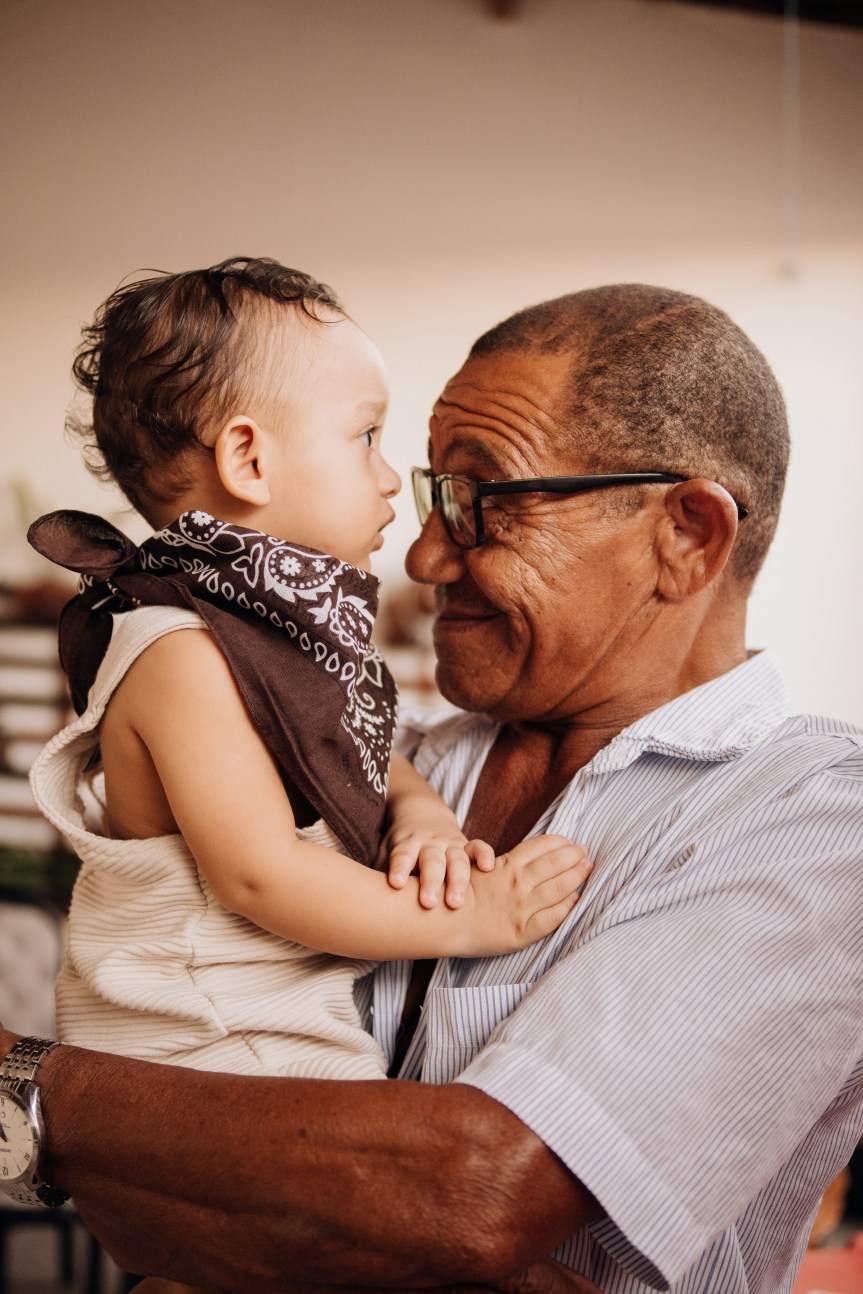
Beyond Activities: Helping Aging Loved Ones Feel Seen, Heard and Connected

By Roz Jones

Family bonding is not only about what families do together.

It is also about how aging loved ones feel when the family is gathered around them.

Do they feel included?
Do they feel heard?
Do they feel remembered?
Do they feel like their life still matters?
Do they feel like they are still part of the family story?

As loved ones age, families often focus on care needs. The appointments. The medications. The meals. The mobility concerns. The daily routines. Those responsibilities are important, and caregivers know how much attention they require.

But caregiving also includes emotional connection.

Aging loved ones need more than assistance. They need belonging. They need meaningful interaction. They need opportunities to share who they are, what they have lived through, and what still matters to them.

Family bonding does not always have to be planned around a major outing or a large gathering. Sometimes the most meaningful moments happen in simple, quiet ways. A song. A story. A photograph. A favorite saying. A familiar prayer. A hand held a little longer than usual.

These moments may seem small, but they can help aging loved ones feel grounded, valued, and loved.

Preserve Their Stories While You Can

Every aging loved one carries a history.

They have lived through seasons the younger generation may never fully understand. They may remember family traditions, childhood lessons, first jobs, hard years, joyful years, people who have passed on, and moments that shaped the family long before the caregiver stepped into this role.

Those stories matter.

Caregivers can create moments of connection by inviting aging loved ones to share parts of their life story. This does not have to be formal. It can happen during a quiet afternoon, a family visit, a phone call, or while looking at old pictures.

The family might ask about where they grew up, who influenced them, what they were proud of, what they learned the hard way, what they wish younger family members knew, or what traditions they hope the family will continue.

When memory changes are present, the conversation may need to be gentle and flexible. The goal is not to test their memory or correct every detail. The goal is to listen.

Sometimes a story may come out slowly.

Sometimes it may come out in pieces.

Sometimes the same story may be repeated more than once.

That does not make it less valuable.

Repeated stories may be the ones that still hold meaning. They may be the memories that feel safest, strongest, or most connected to identity.

Listening is an act of care.

Create a Family Memory Project

Families can help aging loved ones feel honored by creating a simple memory project.

This could be a photo album with captions, a family recipe collection, a box of handwritten notes, a recorded conversation, a voice memo, a short video, or a family timeline.

The project does not have to be perfect.

It simply needs to make room for the loved one’s life to be acknowledged.

A caregiver might ask family members to write down favorite memories. Grandchildren might contribute drawings or questions. Adult children might record short reflections. The loved one might share names, places, sayings, stories, or lessons they want remembered.

These projects can become a gift for the whole family.

They also remind the aging loved one that their life has impact.

They are not just being cared for.

They are being honored.

Use Music to Bring Comfort and Connection

Music has a way of reaching places that words sometimes cannot.

A familiar song can bring a smile. A hymn can bring peace. A favorite artist can bring back a memory. A song from childhood, church, a wedding, a family gathering, or a meaningful season of life can create connection almost instantly.

Caregivers can use music as a gentle way to bond with aging loved ones.

This may look like creating a playlist of favorite songs, playing soft music during a visit, singing together, listening to old records, or asking what music they loved when they were younger.

Music can also support mood and routine. A calming song may help during moments of anxiety. Familiar music may bring comfort during personal care. A favorite upbeat song may encourage movement or laughter.

The most important part is to choose music connected to the loved one’s life, not just what is convenient.

Music can help families remember that the person in front of them has a full history, full emotions, and full humanity.

Make Room for Spiritual and Emotional Rituals

For many aging loved ones, faith, prayer, devotion, meditation, or quiet reflection has been part of their life for years.

Caregivers can create bonding moments by honoring those spiritual and emotional rhythms.

This may include reading a short prayer, sitting together in silence, listening to a favorite sermon, playing gospel music, lighting a candle safely, holding hands, saying grace, or creating a quiet moment of gratitude.

For some families, this may not be religious. It may be emotional or reflective. It may look like naming one good thing from the day, sharing something they are thankful for, or simply taking a few quiet breaths together.

These rituals can bring peace.

They can also create consistency in a season where so much may feel uncertain.

Caregivers do not need to have all the right words. Sometimes presence is enough.

A calm voice, a steady hand, and a peaceful space can become part of the care.

Invite Younger Generations In

Family bonding is also about helping younger generations stay connected to aging loved ones.

Children, teens, and young adults may not always know how to interact with an aging family member, especially if there are changes in memory, mobility, hearing, or communication. They may feel unsure, nervous, or afraid of saying the wrong thing.

Caregivers can help bridge that gap.

Younger family members can ask simple questions, share school updates, show photos, read a short note, help with a small project, play a favorite song, or simply sit nearby.

The goal is not to force a perfect interaction.

The goal is to make connection feel possible.

A grandchild does not need to know how to have a long conversation to make an aging loved one feel loved. A hug, a drawing, a short visit, or a shared laugh can matter deeply.

These moments also help younger family members understand that aging loved ones are not just elderly relatives. They are people with stories, wisdom, humor, personality, and history.

That is how family connection continues across generations.

Respect Their Need for Quiet

Family bonding does not always mean more noise, more activity, or more conversation.

Sometimes aging loved ones need quiet companionship.

Sitting together without rushing can be meaningful. Watching the birds outside the window can be meaningful. Holding hands while resting can be meaningful. Sharing the same room without needing to fill every moment with words can be meaningful.

Caregivers should pay attention to how much stimulation their loved one can handle.

Aging loved ones may become tired more quickly. They may need breaks between visitors. They may enjoy family time but still need moments of calm. They may withdraw when the environment becomes too loud, too busy, or too confusing.

Quiet does not always mean disinterest.

Sometimes quiet is how the loved one is preserving energy.

A caregiver who understands this can help the family adjust expectations.

Connection does not have to be loud to be real.

Let Them Teach What They Know

Aging loved ones often still have wisdom, skills, and life lessons to share.

Even if they cannot do everything they once did, they may still be able to teach, guide, explain, or offer perspective.

Caregivers can create bonding moments by inviting loved ones to share what they know.

This may include family sayings, advice, cultural traditions, household tips, faith lessons, work stories, parenting wisdom, relationship lessons, or memories of how the family made it through difficult seasons.

Questions can be simple.

What is something you learned from your mother?
What advice would you give the younger generation?
What did family mean to you growing up?
What helped you through hard times?
What do you want us to remember?

These questions remind aging loved ones that they still have something to give.

That matters.

Caregiving should not only focus on what the loved one needs from others. It should also make room for what they can still offer.

Create a Comfort Routine Around Visits

Family visits can feel more meaningful when there is a gentle rhythm.

A comfort routine helps aging loved ones know what to expect. It can also make visits feel less rushed and more intentional.

This might include greeting them the same way, sitting in a favorite spot, playing a familiar song, bringing a favorite blanket, sharing a short update, looking at one photo, or ending the visit with a prayer or kind word.

Simple routines can bring a sense of safety.

They can also help family members be more present.

Instead of rushing in, talking over one another, and leaving quickly, the family can create a rhythm that honors the loved one’s pace.

Caregiving often asks families to slow down.

That slowing down can become a gift.

Pay Attention to Emotional Needs

Aging loved ones may not always say when they feel lonely, forgotten, afraid, frustrated, or sad.

Sometimes those feelings show up in other ways. They may become quiet. They may seem irritated. They may repeat concerns. They may ask when someone is coming. They may say they do not want to be a burden.

Caregivers can support family bonding by noticing the emotions underneath the behavior.

An aging loved one may need reassurance. They may need to be reminded that they are not forgotten. They may need someone to sit with them, listen to them, or help them feel connected to the family.

Emotional care is still care.

Aging loved ones need to know that their presence matters, even when their abilities change.

They need to know they are loved, not just managed.

Final Thoughts

Family bonding with aging loved ones does not have to be complicated.

It does not always require a big event, a full schedule, or a perfect plan. Sometimes the most meaningful connection happens through stories, music, spiritual rituals, memory projects, quiet companionship, and the simple act of listening.

Caregivers can help families move beyond simply being around an aging loved one and begin being present with them.

That presence matters.

It helps aging loved ones feel included.
It helps them feel remembered.
It helps them feel valued.
It helps them feel connected to the family they helped build.

As care needs change, the way families bond may also need to change. But connection is still possible. Joy is still possible. Meaning is still possible.

The goal is not to recreate the past exactly as it was.

The goal is to honor the person in front of you now.

For more on this topic, read the previous blog, Embracing Family Bonding: Creating Lasting Memories with Aging Loved Ones,” where I share additional ways family time can support connection with aging loved ones.

Tune in to The Caregiver Café Podcast

In this episode of The Caregiver Café with Roz Jones, Roz sits down with her dear friend Susan Palmer for a heartfelt Caregiver Chronicles conversation about caring for her mother at home.

Susan shares how caregiving became part of her life, first through planning and preparing a space for her mom, and then through unexpected changes after the pandemic, a fall, hospital stays, and increased care needs. Together, Roz and Susan talk honestly about what it means when caregiving happens because you are the closest, the one available, or the one everyone assumes will step in.

This conversation walks through the real-life details many families face: creating a safe home environment, preventing falls, using tools like walkers, risers, belts, shower chairs, and hospital-style beds, managing medications and hydration, and learning how to support a loved one with dignity during private care moments.

Roz also reminds listeners that caregiving is not meant to be carried alone. Support matters. Respite matters. Family conversations matter. And taking care of yourself is part of taking care of the person you love.

Susan’s story is filled with honesty, humor, tenderness, and practical wisdom for anyone caring for an aging loved one at home.

So pour yourself something warm and join Roz and Susan at The Caregiver Café as they talk about what’s roasting, what’s in the cup, and what it really means to care with kindness, preparation, and grace.

Give Yourself a Moment of Grace

If you need encouragement for the emotional side of caregiving, purchase Roz Jones’ book, Moments of Grace. This book offers support, reflection, and reminders of grace for the caregiver who is carrying a lot.

This journal was created to help caregivers pause, breathe, reflect, and find strength in the middle of the caregiving journey.

Purchase Moments of Grace today and give yourself permission to breathe in the middle of the caregiving journey.

Prepare Before the Emergency Comes

The Caregiver Hurricane Preparedness Checklist.

If you are caring for a loved one and want to be better prepared for storms, power outages, and unexpected caregiving emergencies, purchase the Caregiver Hurricane Preparedness Checklist. This resource can help you think through important details before a crisis is already at the door.

For only $1.99, this checklist gives you a simple starting point so you are not trying to gather everything during a storm, power outage, hospitalization, or sudden change in your loved one’s care.

Purchase the Caregiver Hurricane Preparedness Checklist for $1.99 today and take one more step toward peace of mind.

Need Help Sorting Through the Care Plan?

Roz Jones is a dedicated caretaker turned CEO with over a decade of experience in helping families care for and make decisions for loved ones and their legacies.Roz is a compassionate, innovative healthcare industry leader.

If your family needs help thinking through care decisions, caregiving responsibilities, or next steps, book a session with Roz Jones. You do not have to navigate this season alone.

Together, we can talk through what is working, what is becoming too heavy, and what boundaries need to be strengthened so you can continue to care without losing yourself in the process.

Subscribe to The Caregiver Cafe Weekly Newsletter!

Caregiving can be a roller coaster of ups and downs. The information that you will receive from The Caregiver Cafe Weekly Specials Newsletter will support you as a caregiver. Remember…

1. YOU ARE NOT ALONE: The problems you face as a caregiver are experienced by other caregivers. Knowing that you’re not alone can be comforting. 

2. Tools and Resources:  Find caregiver stress management tools and gain perspective from other caregiver’s experiences.

3. LEARN TO: Ask for help, accept help when it is offered, and acknowledge yourself on this caregiving journey. Hear from experts on how to balance caregiving responsibilities by taking care of your needs and involving others to help manage the natural stress and isolation of being a caregiver. 

Honoring Your Missing Loved Ones During the Holiday Season

By Roz Jones

The holiday season is a time for family, togetherness, and making memories. But for caregivers who have lost a loved one, the holidays can also be a painful reminder of the empty seat at the table—the absence of someone who once played a central role in your traditions and celebrations. If this is your first holiday season without a beloved family member, or if you’ve experienced loss in the past months or recent years, I know that I’m having a problem struggling to balance the joy of the season with the weight of grief, as many of you may also be experiencing.

As caregivers, we often pour so much of our hearts into our loved ones, especially during the holidays. When they’re no longer with us, it can feel like a part of the holiday magic is gone, too. As I remember my mother, it’s important for me to remember that grief and love can coexist. The unique bond I had with my mother still has a place at the table this holiday season.

In today’s blog, I want to share with you some thoughtful and meaningful ways to incorporate your missing loved one into your holiday celebrations, ensuring they have a seat at the table in both your heart and your home.

1. Set a Place for Them at the Table

One of the most symbolic and simple gestures you can make is to set a place at the holiday table for your loved one. Whether it’s their favorite chair or a designated spot with a photo or special keepsake, this act honors their presence, even in their absence. The empty chair may serve as a reminder of the love you shared, and by acknowledging it, you create a space to hold them in your heart during the meal.

2. Share Stories and Memories

The holiday table isn’t just for food—it’s a place for storytelling, laughter, and shared memories. Encourage family members to share their favorite stories, jokes, or memories involving the person who’s no longer with you. Not only does this keep their memory alive, but it also provides a sense of connection and closeness. Laughter mixed with tears is part of the healing process, and this tradition can bring comfort as you celebrate the season together.

3. Create a Memory Box or Journal

To include your loved one in the festivities, consider creating a memory box or memory journal where family members can write notes, memories, or wishes to your loved one. This could be something you pass around during holiday gatherings, with each person adding their own thoughts and sentiments. You could also invite others to include something special, like a small trinket or keepsake that represents their bond with the person you’ve lost.

This memory box or journal can be something you return to year after year, adding new memories and reflections with each holiday. Over time, it becomes a beautiful record of love, remembrance, and healing.

4. Cook Their Favorite Dish or Drink

Food is often at the center of holiday gatherings, so why not honor your loved one through the dishes they loved most? Cook their favorite meal or dessert, or prepare a recipe that was passed down through generations. When everyone gathers around to enjoy the meal, it’s a small but meaningful way to bring them into the moment.

If your loved one had a signature drink or a go-to holiday treat, make sure to include that on the menu. It’s a simple yet powerful way to remember them and celebrate their role in your family’s traditions.

5. Light a Candle in Their Memory

Candles symbolize warmth, light, and remembrance. Lighting a candle in your loved one’s honor is a peaceful and reflective way to keep their memory alive during holiday celebrations. You can do this during a special moment—like before dinner or when everyone is gathered to share stories. If you want to make this tradition even more personal, consider having a candle engraved with your loved one’s name, or choose a scent that reminds you of them.

6. Volunteer or Donate in Their Name

Giving back to others is a powerful way to honor the spirit of the holidays and keep your loved one’s legacy alive. If your loved one had a cause they were passionate about, consider volunteering your time or making a donation in their name. Whether it’s helping at a food pantry, donating toys to children in need, or contributing to a charity that was close to their heart, this can be a beautiful way to carry on their generosity and compassion.

7. Make a Special Ornament or Decoration

Incorporating a physical reminder of your loved one into your holiday decorations can bring both comfort and connection. Consider making a special ornament or holiday decoration that honors their memory. This could be something as simple as creating a photo ornament with a favorite picture or crafting a decorative item that represents a special memory you shared.

Each year as you decorate your tree or home, you can add this ornament or decoration, and with it, you’ll feel that your loved one is part of your celebrations, year after year.

8. Have a Moment of Reflection

During the hustle and bustle of the holiday season, it’s easy to forget to pause and reflect. Take a moment during your celebrations to sit quietly, either alone or with loved ones, and reflect on your cherished memories with the person who has passed. You might say a prayer, share a special thought, or simply enjoy the stillness as a way to honor their memory.

This time of reflection doesn’t need to be long, but it can offer a sense of peace and connection. It reminds you that even though they may not physically be present, they are always with you in spirit.

9. Start a New Tradition in Their Honor

Sometimes, creating a new tradition is a beautiful way to integrate your loved one’s memory into your life going forward. It could be as simple as watching their favorite holiday movie, visiting a place they loved, or doing something that embodies the spirit of who they were. Starting a new tradition that reflects your loved one’s personality and passions can help transform the grief into something meaningful and positive, while also keeping their memory alive.

10. Allow Yourself to Grieve

While the holiday season is a time for celebration, it’s important to acknowledge that grieving is part of the process. It’s okay to feel sad, to miss your loved one, and to allow yourself space to mourn during this time. Take care of yourself and give yourself permission to grieve, without feeling the pressure to be “joyful” or “cheerful” all the time. The holidays are about honoring your emotions, and part of that is allowing yourself to feel the sadness and the joy that come with remembering a loved one.

The holidays will never be the same without your loved one, but that doesn’t mean their memory can’t continue to live on in meaningful ways. By creating space for them at the table, sharing memories, starting new traditions, and finding ways to honor their spirit, you can celebrate the holidays while holding them in your heart.

As caregivers, it’s important to take care of ourselves, too. So, this holiday season, take the time to reflect on the love, lessons, and legacy of your loved one, and allow their presence to fill your heart, even if they are no longer physically at the table.

May your holidays be filled with both remembrance and healing.

Subscribe to The Caregiver Cafe Weekly Newsletter!

Caregiving can be a roller coaster of ups and downs. The information that you will receive from The Caregiver Cafe Weekly Specials Newsletter will support you as a caregiver. Remember…

1. YOU ARE NOT ALONE: The problems you face as a caregiver are experienced by other caregivers. Knowing that you’re not alone can be comforting. 

2. Tools and Resources:  Find caregiver stress management tools and gain perspective from other caregiver’s experiences.

3. LEARN TO: Ask for help, accept help when it is offered, and acknowledge yourself on this caregiving journey. Hear from experts on how to balance caregiving responsibilities by taking care of your needs and involving others to help manage the natural stress and isolation of being a caregiver. 

Gone But Not Forgotten: Creating New Traditions to Honor Your Loved One

By Roz Jones

As we conclude the Gone But Not Forgotten Blog Series, I want to explore a meaningful way to carry your loved one’s memory forward—by starting new traditions. These traditions don’t have to be tied to the holidays; they can be woven into your life throughout the year.

Creating a new tradition in your loved one’s honor is not only a healing experience but also a beautiful way to celebrate their legacy. It allows you to move forward while keeping their presence in your heart. These traditions can bring comfort and help foster positive memories for years to come.

Tips and Ideas for Starting New Traditions

  1. Incorporate Something They Loved
    Think about the things your loved one enjoyed and build a tradition around that. If they loved decorating the house for the holidays, make it a family event where everyone participates in their honor. If they had a favorite recipe, bake it together as a family and share stories about them while you cook.
  2. Establish a Meaningful Ritual
    Small, intentional acts can become cherished traditions. Consider lighting a special candle at the beginning of family meals or playing their favorite song during gatherings. These rituals are simple but powerful ways to keep their memory alive.
  3. Make It Unique to Them
    If your loved one had a particular hobby or passion, incorporate that into your tradition. For example, if they loved gardening, plant something in their honor each year. If they were passionate about art, gather your family to create artwork inspired by them.
  4. Honor Their Values
    Celebrate what mattered most to your loved one by giving back in their name. If they were involved in charitable causes, start a tradition of volunteering or donating to a cause they cared about. This not only honors their memory but also spreads their legacy of kindness and generosity.

Why Starting New Traditions Matters

For me, starting new traditions has been a way to navigate grief while celebrating the love and joy my loved ones brought into my life. These traditions create lasting memories, bringing comfort and connection even in their absence. They remind me that while they may not be physically here, their spirit and impact live on in every act of love and remembrance.

Carrying Their Legacy Forward

As you think about creating new traditions, remember that it’s not about replacing old memories but building new ones that honor your loved one’s life. Whether it’s an annual gathering, a small ritual, or an act of giving, each tradition becomes a bridge between their memory and your present.

Thank you for joining me on this journey through the Gone But Not Forgotten Blog Series. I hope these ideas inspire you to celebrate your loved one’s legacy in ways that bring healing, joy, and connection to you and your family.

Subscribe to The Caregiver Cafe Weekly Newsletter!

Caregiving can be a roller coaster of ups and downs. The information that you will receive from The Caregiver Cafe Weekly Specials Newsletter will support you as a caregiver. Remember…

1. YOU ARE NOT ALONE: The problems you face as a caregiver are experienced by other caregivers. Knowing that you’re not alone can be comforting. 

2. Tools and Resources:  Find caregiver stress management tools and gain perspective from other caregiver’s experiences.

3. LEARN TO: Ask for help, accept help when it is offered, and acknowledge yourself on this caregiving journey. Hear from experts on how to balance caregiving responsibilities by taking care of your needs and involving others to help manage the natural stress and isolation of being a caregiver.