Age-Defying Fitness: Exercising for Joyful Aging

By Roz Jones

As the years go by, the body undergoes natural changes that can affect our physical abilities and overall well-being. However, the aging process doesn’t have to be synonymous with a decline in fitness and vitality. In fact, staying active and engaging in regular exercise can be the key to age-defying wellness and a joyful aging experience. In this blog, we will explore the transformative power of exercise for seniors, delving into the many benefits it brings and providing practical tips for incorporating joyful workouts into daily routines.

1. Unlocking the Benefits of Exercise for Seniors:

Regular physical activity is a cornerstone of healthy aging. Exercise offers a multitude of benefits for seniors, such as improved cardiovascular health, enhanced muscle strength, better balance and coordination, and increased flexibility. Beyond the physical advantages, exercise has been shown to boost mood, reduce stress and anxiety, and promote better sleep, all of which contribute to a higher quality of life in our golden years.

2. Choosing Age-Appropriate Activities:

The key to age-defying fitness is to select activities that suit individual capabilities and preferences. Low-impact exercises like walking, swimming, and cycling are gentle on the joints while providing effective cardiovascular workouts. Strength training with light weights or resistance bands helps maintain muscle mass, which tends to naturally decline with age. Balance exercises and yoga enhance stability and flexibility, reducing the risk of falls and injury.

3. Making Fitness Fun and Engaging:

Staying committed to an exercise routine is easier when it’s enjoyable. Encourage seniors to find activities they love and look forward to. Joining group classes, such as dance, aerobics, or tai chi, can add a social element to workouts, making them more engaging. Exploring outdoor activities like gardening, hiking, or golfing allows seniors to connect with nature while staying active.

4. Incorporating Exercise into Daily Life:

Finding time for exercise doesn’t have to be a daunting task. Simple adjustments to daily routines can make a significant difference. Suggest taking short walks after meals, using the stairs instead of elevators, or doing gentle stretches in the morning. Even household chores like vacuuming or gardening can contribute to staying active. By integrating exercise seamlessly into daily life, seniors can experience the benefits without feeling overwhelmed.

5. Seeking Professional Guidance:

Before beginning any exercise program, it’s essential for seniors to consult their healthcare provider, especially if they have any underlying health conditions. Seeking guidance from fitness professionals who specialize in senior fitness can ensure that exercise routines are safe, effective, and tailored to individual needs and abilities.

Age-defying fitness is not about trying to turn back the clock but rather embracing the power of exercise to enhance our physical and mental well-being as we age. Engaging in regular physical activity can be the key to joyful aging, allowing seniors to maintain their independence, vitality, and zest for life. By choosing age-appropriate activities, making fitness enjoyable, incorporating exercise into daily routines, and seeking professional guidance when needed, seniors can experience the numerous benefits of exercise and continue to thrive as they gracefully embrace the gift of aging. So, let’s lace up our sneakers, grab our resistance bands, and embark on a journey of age-defying fitness that celebrates the joy of living life to the fullest at any age.

Planning a Summer Vacation with an Aging Loved One? Download the FREE Checklist!

Are you embarking on a summer vacation adventure with a loved one in need of care? Whether you’re a caregiver or know someone who is, we understand the unique challenges and considerations that come with vacationing while ensuring your loved one is safe..

Make your vacation experience stress-free and enjoyable for both you and your loved one, we’re excited to offer you a free downloadable checklist!

Stay Ahead of the Storm: Download Your Free Expert Storm Guide Now!

Photo by ALTEREDSNAPS on Pexels.com

As we know, June – November is Hurricane Season. As a family caregiver, there are many ways to prepare your loved ones for it. Early preparation helps reduce opportunities for stress and anxiety as storms approach.

One of the best ways to prepare is allowing your loved on to assist in packing their travel bag, checking their contact list and ensuring there are adequate emergency supplies.

Participation… not isolation… go a long way when preparing for major storms. This Seniors Storm Guide gives essential information to refer to again and again!
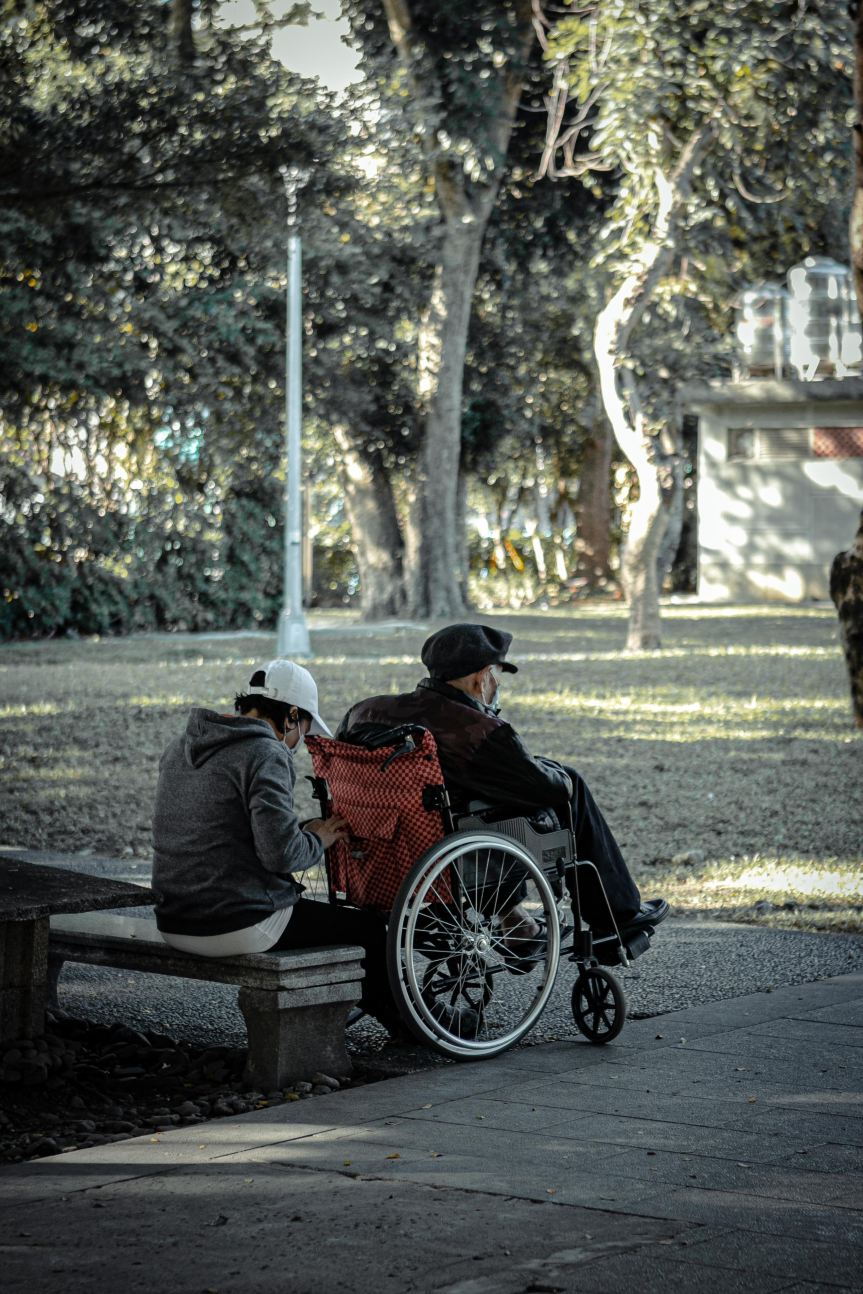


Traveling with a Loved One with Mobility Challenges: Essential Tips and Resources

By Roz Jones

Traveling can be an enriching experience for your aging loved one with mobility challenges, as well as their caregivers. However, it requires careful planning and consideration to ensure a smooth and enjoyable trip. In this blog, we will provide essential tips and highlight valuable resources to help caregivers navigate the unique challenges of traveling with a loved one who has mobility limitations. By following these guidelines and utilizing available resources, you can create memorable and accessible travel experiences for everyone involved.

Plan and research accessible destinations:

When planning a trip, it is essential to choose destinations that are accessible and accommodating for individuals with mobility challenges. Research accessible attractions, hotels, restaurants, and transportation options in advance. Look for destinations that offer wheelchair accessibility, accessible restrooms, and smooth pathways. Accessible travel websites, forums, and guidebooks can be valuable resources for finding suitable destinations.

Communicate with transportation providers:

Whether you’re traveling by plane, train, or bus, it’s crucial to communicate your loved one’s specific mobility needs to transportation providers. Notify the airline, train company, or bus company about any assistance or accommodations required, such as wheelchair access, boarding assistance, or extra legroom. Requesting these services ahead of time will ensure a more comfortable journey for your loved one.

Arrange accessible accommodations:

When booking accommodations, ensure that they offer accessible rooms or facilities that cater to your loved one’s specific mobility needs. Inquire about accessible bathrooms, roll-in showers, grab bars, and wheelchair accessibility throughout the premises. Reading reviews from other travelers with mobility challenges can provide valuable insights into the accessibility and suitability of different accommodations.

Pack essential mobility aids and accessories:

Pack all necessary mobility aids and accessories to ensure a smooth and comfortable travel experience. This may include wheelchairs, walkers, canes, or any other assistive devices that your loved one requires. Carry extra batteries, chargers, and any repair tools for these devices. Additionally, consider bringing portable ramps, travel-sized shower chairs, or other aids that can enhance accessibility during your trip.

Utilize local accessibility resources:

Research and utilize local accessibility resources available at your travel destination. Many cities offer accessible transportation options, accessible tours, and attractions that cater specifically to individuals with mobility challenges. Local tourism boards or visitor centers can provide valuable information about these resources. Additionally, mobile apps and websites dedicated to accessibility can help you find accessible restaurants, attractions, and amenities in the area.

Take care of your own well-being:

Remember to prioritize your own well-being as a caregiver during the trip. Traveling with a loved one who has mobility challenges can be physically and emotionally demanding. Take breaks, seek support from family or friends, and practice self-care to avoid caregiver burnout. Take advantage of respite care services or local support groups at your destination, if available.

Traveling with a loved one who has mobility challenges requires careful planning, research, and utilization of available resources. By choosing accessible destinations, communicating with transportation providers, arranging accessible accommodations, packing essential mobility aids, utilizing local accessibility resources, and prioritizing your own well-being, you can ensure a smooth and enjoyable travel experience for both you and your loved one. Remember that with proper preparation, accessible travel is not only possible but can also create lasting memories and enriching experiences.

Planning a Summer Vacation with an Aging Loved One? Download the FREE Checklist!

Are you embarking on a summer vacation adventure with a loved one in need of care? Whether you’re a caregiver or know someone who is, we understand the unique challenges and considerations that come with vacationing while ensuring your loved one is safe..

Make your vacation experience stress-free and enjoyable for both you and your loved one, we’re excited to offer you a free downloadable checklist!

Stay Ahead of the Storm: Download Your Free Expert Storm Guide Now!

Photo by ALTEREDSNAPS on Pexels.com

As we know, June – November is Hurricane Season. As a family caregiver, there are many ways to prepare your loved ones for it. Early preparation helps reduce opportunities for stress and anxiety as storms approach.

One of the best ways to prepare is allowing your loved on to assist in packing their travel bag, checking their contact list and ensuring there are adequate emergency supplies.

Participation… not isolation… go a long way when preparing for major storms. This Seniors Storm Guide gives essential information to refer to again and again!


Renting Equipment for Aging Loved Ones that are Traveling: A Comprehensive Guide

By Roz Jones

Traveling can be an exciting and enriching experience for people of all ages, including our aging loved ones. However, it’s essential to ensure their comfort and safety during the journey. Renting equipment specifically designed for seniors can significantly enhance their travel experience. In this comprehensive guide, we will explore the various types of equipment available for rent and provide valuable tips to help you make informed decisions. Let’s dive in and discover how renting equipment can make traveling a breeze for our aging loved ones.

Mobility Aids:

One of the key considerations when renting equipment for traveling seniors is mobility aids. Depending on their needs, you may choose to rent items such as wheelchairs, mobility scooters, or walkers. These aids provide support and ensure that your loved ones can move around comfortably, regardless of the terrain. It’s important to consider the size, weight, and ease of transportation of the equipment, especially if you’re traveling by air or other modes of transportation.

Bathroom Safety:

Ensuring bathroom safety is crucial for seniors when they’re away from home. Renting equipment like shower chairs, grab bars, or raised toilet seats can significantly reduce the risk of falls and provide peace of mind. These items are often lightweight and portable, making them easy to transport and set up in various accommodation settings.

Bedding and Sleeping Aids:

To promote a good night’s sleep and overall comfort, consider renting bedding and sleeping aids. Items such as bed rails, adjustable beds, or specialized mattresses can offer additional support and convenience, particularly for seniors with specific sleep requirements or conditions like sleep apnea. These rentals can be arranged to suit your loved one’s preferences and ensure they have a restful and rejuvenating experience while traveling.

Medical Equipment:

If your aging loved one requires medical equipment, such as oxygen concentrators, nebulizers, or portable blood pressure monitors, it’s essential to make arrangements for their rental during the trip. Contact medical equipment rental providers in your destination or consult with their healthcare provider for recommendations and guidelines on transportation and usage. Planning ahead will help maintain continuity of care and ensure your loved one’s medical needs are met while they’re away from home.

Accessibility Equipment:

For seniors with accessibility needs, it’s crucial to rent equipment that facilitates ease of movement in different environments. This may include portable ramps, stairlifts, or lift chairs. These aids enable seniors to navigate public spaces, attractions, and accommodations with greater independence and safety. Research the accessibility options available at your destination and inquire about rental services to ensure a smooth and inclusive travel experience.

Renting equipment for aging loved ones who are traveling can make a significant difference in their comfort, safety, and overall enjoyment. By considering mobility aids, bathroom safety equipment, bedding and sleeping aids, medical equipment, and accessibility aids, you can create a travel experience that meets their specific needs. Be sure to plan ahead, research rental providers, and communicate with healthcare professionals to ensure a seamless process.

Remember, the goal is to provide our aging loved ones with the support and resources they need to explore the world and create cherished memories. By utilizing the available rental options, we can ensure their travel experiences are enjoyable, comfortable, and worry-free. So, go ahead and embark on your next adventure with confidence, knowing that your aging loved ones are well-equipped to make the most of their journey. Safe travels!

Planning a Summer Vacation with an Aging Loved One? Download the FREE Checklist!

Are you embarking on a summer vacation adventure with a loved one in need of care? Whether you’re a caregiver or know someone who is, we understand the unique challenges and considerations that come with vacationing while ensuring your loved one is safe..

Make your vacation experience stress-free and enjoyable for both you and your loved one, we’re excited to offer you a free downloadable checklist!

Stay Ahead of the Storm: Download Your Free Expert Storm Guide Now!

Photo by ALTEREDSNAPS on Pexels.com

As we know, June – November is Hurricane Season. As a family caregiver, there are many ways to prepare your loved ones for it. Early preparation helps reduce opportunities for stress and anxiety as storms approach.

One of the best ways to prepare is allowing your loved on to assist in packing their travel bag, checking their contact list and ensuring there are adequate emergency supplies.

Participation… not isolation… go a long way when preparing for major storms. This Seniors Storm Guide gives essential information to refer to again and again!


Shop The Caregiver Cafe E-Commerce Store!

We founded The Caregiver Cafe Shopify Store with one simple goal: to help you experiment with your passion while at the same time providing amazing prices. We were tired of cookie-cutter stores with lackluster selections, and boring gifts. Instead of offering a huge unoriginal collection, we carefully curate just a few unique pieces perfectly suited for people the taste buds like you.

We focus on items that get you excited about shopping again, as we believe buying online should always be fun!


Subscribe to The Caregiver Cafe Weekly Newsletter!

Caregiving can be a roller coaster of ups and downs. The information that you will receive from The Caregiver Cafe Weekly Specials Newsletter will support you as a caregiver. Remember…

1. YOU ARE NOT ALONE: The problems you face as a caregiver are experienced by other caregivers. Knowing that you’re not alone can be comforting. 

2. Tools and Resources:  Find caregiver stress management tools and gain perspective from other caregivers’ experiences.

3. LEARN TO: Ask for help, accept help when it is offered, and acknowledge yourself on this caregiving journey. Hear from experts on how to balance caregiving responsibilities by taking care of your needs and involving others to help manage the natural stress and isolation of being a caregiver.