
Embracing Thanksgiving Emotions

By Roz Jones

As we approach the Thanksgiving season, it’s essential to recognize that holidays often bring a mix of emotions, especially for caregivers and aging loved ones. Today, we embark on the art of nurturing emotional well-being, creating a peaceful and loving atmosphere, and offering a safe space for your loved one’s feelings.

  1. Active Listening: Make a conscious effort to actively listen to your loved one. Encourage them to express their thoughts and feelings, and provide a compassionate ear. Sometimes, just being heard can alleviate emotional burdens.
  2. Open Conversations: Create opportunities for open and honest conversations. Discuss the meaning of Thanksgiving, share memories, and express gratitude. This can be a therapeutic way to connect and understand each other’s emotions.
  3. Acknowledge Feelings: Emotions are valid, even if they are complex. Acknowledge and validate your loved one’s feelings. Let them know that it’s okay to experience a range of emotions during the holiday season.
  4. Peaceful Environment: Ensure that the environment is calm and peaceful. Soft lighting, soothing music, and a comfortable setting can promote emotional well-being.
  5. Gratitude Rituals: Incorporate gratitude rituals into your Thanksgiving celebration. Encourage each person to share something they are grateful for. This simple act can foster positive emotions and connection.
  6. Respect Boundaries: Recognize that your loved one may need space at times. Respect their boundaries and provide a quiet place for reflection if needed.
  7. Create New Traditions: Embrace the opportunity to create new traditions that are meaningful and emotionally uplifting. This can be a way to infuse fresh and positive experiences into the holiday season.
  8. Express Love: Let your loved one know how much they are loved and appreciated. Small gestures of kindness and affection can go a long way in nurturing emotional well-being.
  9. Self-Care: Remember to prioritize your own emotional well-being. As a caregiver, it’s essential to maintain your emotional health to be the best support for your loved one.
  10. Seek Professional Help: If your loved one is struggling with complex emotions or mental health challenges, don’t hesitate to seek professional help. A therapist or counselor can provide valuable support.

Remember that Thanksgiving is not just about the food; it’s about coming together with love and gratitude. By embracing and nurturing emotional well-being, you’re creating a safe and loving space for your aging loved ones to navigate their feelings during the holiday season.

Stay Ahead of the Storm: Download Your Free Expert Storm Guide Now!

Photo by ALTEREDSNAPS on Pexels.com

As we know, June โ€“ November is Hurricane Season. As a family caregiver, there are many ways to prepare your loved ones for it. Early preparation helps reduce opportunities for stress and anxiety as storms approach.

One of the best ways to prepare is allowing your loved on to assist in packing their travel bag, checking their contact list and ensuring there are adequate emergency supplies.

Participationโ€ฆ not isolationโ€ฆ go a long way when preparing for major storms. This Seniors Storm Guide gives essential information to refer to again and again!


Helping Your Aging Loved One Find Hope

By Roz Jones

In the previous parts of our series, we’ve explored the delicate but vital topic of recognizing the signs of emotional distress in our aging loved ones. Now, in Part 3, we shift our focus to the proactive steps you can take as a caregiver to connect your elderly family members with the help and support they need. Remember, you are not alone on this journey, and there is a network of assistance available to guide you through these challenging times.

Open Communication

The foundation of any meaningful assistance begins with open and empathetic communication. Encourage your aging loved one to express their feelings and concerns. Provide a safe and non-judgmental space for them to share their emotions. Listening actively and with genuine care can create a powerful connection that can be therapeutic in itself.

Sometimes, your loved one may be hesitant to open up about their struggles. In such cases, be patient and persistent. Let them know that you are there to support them, and remind them that it’s okay to seek help when needed.

Professional Help

Consulting with a mental health professional or a counselor experienced in geriatric care can be an invaluable step in the journey toward emotional healing. These experts are trained to understand the unique challenges that older individuals face, including issues related to aging, grief, and depression.

When seeking professional help, consider the following:

  1. Research: Look for mental health professionals with expertise in geriatric care. Check their qualifications and experience to ensure they are a good fit for your loved one’s needs.
  2. Consultation: Schedule an initial consultation where you, your loved one, and the mental health professional can discuss the situation. This will help determine if they are the right fit and if their approach aligns with your loved one’s preferences.
  3. Treatment Plan: If therapy or counseling is recommended, work with the professional to create a tailored treatment plan that addresses your loved one’s specific challenges and goals.

Emergency Services

In cases of immediate danger or if you believe your loved one is at risk of harming themselves or others, do not hesitate to call 911 or take them to the nearest emergency room. Safety should always be the top priority, and trained medical professionals can provide the immediate assistance and intervention needed to ensure their well-being.

Remember, seeking help and support is a sign of strength, not weakness. It takes courage to acknowledge the need for assistance, and as a caregiver, your guidance and advocacy can make a world of difference in your loved one’s journey toward emotional recovery.

In the next part of our series, we will explore additional resources and organizations dedicated to supporting the mental health of our elderly population. Stay tuned for valuable insights and guidance on your path to brighter days for your aging loved ones.

Stay Ahead of the Storm: Download Your Free Expert Storm Guide Now!

Photo by ALTEREDSNAPS on Pexels.com

As we know, June โ€“ November is Hurricane Season. As a family caregiver, there are many ways to prepare your loved ones for it. Early preparation helps reduce opportunities for stress and anxiety as storms approach.

One of the best ways to prepare is allowing your loved on to assist in packing their travel bag, checking their contact list and ensuring there are adequate emergency supplies.

Participationโ€ฆ not isolationโ€ฆ go a long way when preparing for major storms. This Seniors Storm Guide gives essential information to refer to again and again!


Coping with Grief and Loss as a Mental Health Caregiver

By Roz Jones

As a mental health caregiver, you may experience grief and loss as a result of the illness or condition of the person you are caring for. Whether it is due to a decline in health, a change in behavior, or the loss of the person you are caring for, grief and loss can be difficult to cope with. In this blog, we will explore ways to cope with grief and loss as a mental health caregiver.

Acknowledge Your Feelings

The first step in coping with grief and loss is to acknowledge and accept your feelings. It is natural to feel a range of emotions, including sadness, anger, guilt, and even relief. It is important to allow yourself to feel these emotions and not judge yourself for them. Bottling up your feelings can lead to further emotional distress and can even affect your mental and physical health.

Seek Support

It is important to seek support from others when coping with grief and loss. This can include talking to friends, family members, or a therapist. Support groups can also be helpful as they provide a safe space to share your feelings and connect with others who are going through similar experiences. It is important to remember that seeking support is not a sign of weakness, but rather a sign of strength.

Take Care of Yourself

As a mental health caregiver, it can be easy to neglect your own needs while caring for someone else. However, taking care of yourself is essential in coping with grief and loss. This can include engaging in self-care activities such as exercise, meditation, and getting enough sleep. Eating a balanced diet and avoiding drugs and alcohol can also help you manage your emotions and cope with stress.

Celebrate the Person’s Life

When coping with grief and loss, it can be helpful to celebrate the person’s life and the memories you shared together. This can include creating a scrapbook or photo album, planting a tree, or making a donation in their honor. Celebrating their life can help you focus on positive memories and bring a sense of peace.

Seek Professional Help

If you find that your grief and loss are affecting your ability to function in your daily life, it may be helpful to seek professional help. A therapist or counselor can provide you with tools and strategies to cope with your emotions and manage stress. They can also provide support and guidance in navigating the caregiving process.

Coping with grief and loss as a mental health caregiver can be a difficult and emotional journey. It is important to acknowledge your feelings, seek support, take care of yourself, celebrate the person’s life, and seek professional help if needed. Remember, it is okay to grieve, and seeking help is a sign of strength, not weakness.


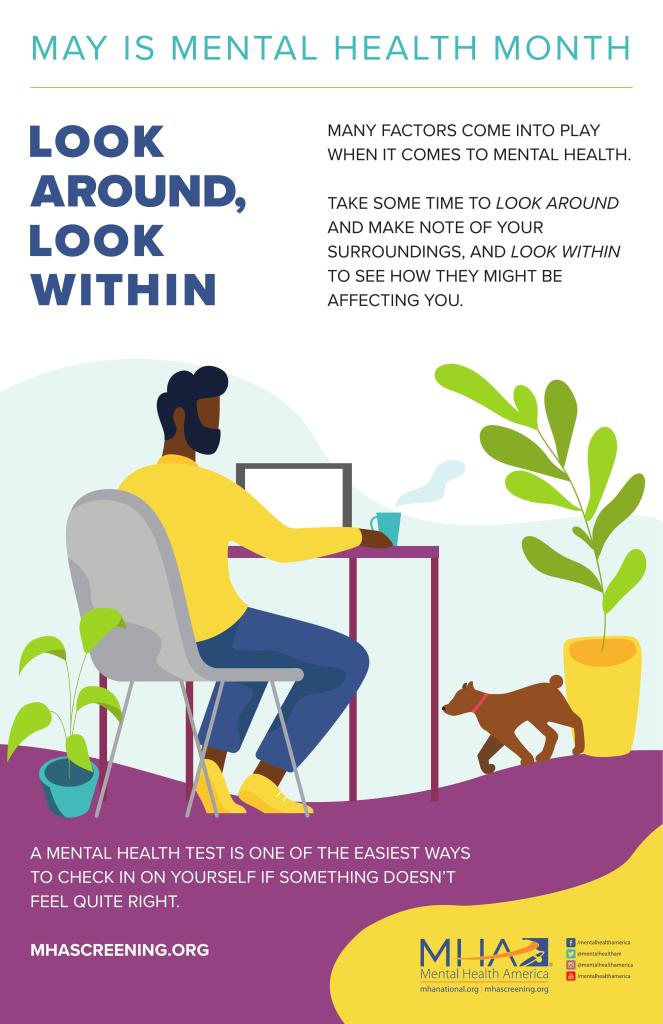
Unlock Your Mental Well-being: Take the First Step with a Mental Health Screening

Unlock the potential for a healthier and happier you this Mental Health Awareness Month. Start your journey towards emotional well-being by taking a decisive step with a mental health screening at MHAScreening.org. Much like a regular physical check-up, a mental health screening provides an invaluable opportunity to assess and address any underlying concerns. Don’t ignore that nagging feeling that something isn’t quite rightโ€”take action and prioritize your mental health today.

This mental health screening covers a wide range of important topics, including stress management, anxiety, depression, and more. Whether you’ve been experiencing persistent feelings of unease or simply want to gain a deeper understanding of your emotions, this screening is a vital tool to help you regain control of your mental health. Don’t let concerns go unaddressed or escalate into something more challenging to manage. Visit MHAScreening.org now, and unlock the power of self-awareness and proactive well-being. Together, let’s break down the barriers surrounding mental health and embark on a transformative journey toward a brighter future.


Stay Connected!