Securing the Home: Protecting Your Aging Loved Ones and Belongings During a Hurricane

By Roz Jones

When a hurricane approaches, ensuring the safety of your aging loved ones becomes a top priority. Securing your home is an essential step in safeguarding both your loved ones and their belongings. Of course, hurricane evacuation is the best option, and only when that isn’t possible should you remain in your home as one approach. You can also consider properly secured shelters for seniors. In this blog, we will provide practical tips and guidance on how to protect your aging loved ones during a hurricane. We will discuss reinforcing windows and doors, trimming trees and shrubs, securing outdoor furniture, and making necessary adaptations to accommodate their needs. By taking these measures, you can create a safer environment for your aging loved ones during a hurricane.

1. Reinforce Windows and Doors:

Windows and doors are vulnerable points during a hurricane. Ensure they are adequately reinforced to withstand strong winds and debris. Consider installing storm shutters or boarding up windows with plywood. Reinforce doors with sturdy bolts or braces. Check for any cracks or gaps and seal them to prevent water infiltration.

2. Trim Trees and Shrubs:

Trimming trees and shrubs around your property is crucial to prevent branches from becoming potential hazards during high winds. Remove any dead or weak branches that could pose a threat to your home or your aging loved ones. Hire a professional if needed to ensure proper trimming and disposal of the cuttings.

3. Secure Outdoor Furniture and Objects:

Outdoor furniture, gardening tools, and other objects in your yard can become dangerous projectiles during a hurricane. Secure or bring them indoors to prevent them from causing damage. Consider storing them in a shed, garage, or other secure areas. If you have limited storage space, use heavy-duty straps or chains to anchor larger items.

4. Adapt the Living Space for Safety:

As a caregiver, take the time to assess the living space of your aging loved ones and make necessary adaptations to enhance their safety during a hurricane. Remove any potential tripping hazards and ensure clear pathways within the home. Install handrails in key areas, such as staircases and bathrooms, to provide stability. Consider placing non-slip mats in high-risk areas prone to water accumulation.

5. Create a Safe Room:

Designate a safe room within the home where your aging loved ones can seek shelter during the hurricane. Choose an interior room on the ground floor, preferably without windows. Stock it with essential supplies such as water, non-perishable food, medications, flashlights, batteries, and a first aid kit. Ensure your loved ones are familiar with this designated safe space and know how to access it quickly.

Securing the home is a crucial step in protecting your aging loved ones and their belongings during a hurricane. By reinforcing windows and doors, trimming trees and shrubs, securing outdoor furniture, and making necessary adaptations to accommodate their needs, you can create a safer environment for your aging loved ones. Remember to assess the living space and create a designated safe room within the home. By taking these measures, you will be better prepared to weather the storm and keep your loved ones safe.

Stay Ahead of the Storm: Download Your Free Expert Storm Guide Now!

Photo by ALTEREDSNAPS on Pexels.com

As we know, June โ€“ November is Hurricane Season. As a family caregiver, there are many ways to prepare your loved ones for it. Early preparation helps reduce opportunities for stress and anxiety as storms approach.

One of the best ways to prepare is by allowing your loved one to assist in packing their travel bag, checking their contact list, and ensuring there are adequate emergency supplies.

Participationโ€ฆ not isolationโ€ฆ goes a long way when preparing for major storms. This Seniors Storm Guide gives essential information to refer to again and again!


Stay Connected!

Pros of Installing Security Cameras in the Home for Your Aging Loved One

By Roz Jones

As your aging loved one gets older, you may start to worry about their safety and security in their home. One way to alleviate some of these worries is by installing security cameras in their home. Here are some of the pros of having security cameras installed in the home for your aging loved one:

  1. Increased Safety: Security cameras can provide an added level of safety to your loved one’s home. With security cameras, you can deter potential burglars and intruders from targeting your loved one’s home. If there is any suspicious activity, security cameras can provide early warning, allowing your loved one to take necessary precautions.
  1. Monitoring Caregivers: If your aging loved one receives care from a caregiver, security cameras can help monitor the quality of care they receive. With security cameras, you can monitor the caregiver’s actions and ensure that they provide adequate care for your loved one. This can be particularly useful if you have concerns about the caregiver’s reliability or if your loved one requires a high level of care.
  1. Remote Monitoring: Security cameras can be accessed remotely, allowing you to keep an eye on your loved one’s safety and well-being even when you’re away from home. With remote access, you can check in on your loved one’s activities and make sure they are safe and secure.
  1. Evidence Collection: In case of a break-in or other criminal activity, security cameras can provide valuable evidence to the authorities. With clear footage, the police can identify the perpetrator and prosecute them accordingly.
  1. Peace of Mind: Having security cameras installed in the home can give you peace of mind knowing that your loved one is safe and secure. You can check on them at any time, even when you’re away, and know that they are being monitored for any potential safety hazards.

Overall, installing security cameras in the home of your aging loved one can provide several benefits, including increased safety, remote monitoring, and evidence collection. With these benefits, you can have peace of mind knowing that your loved one is safe and secure.


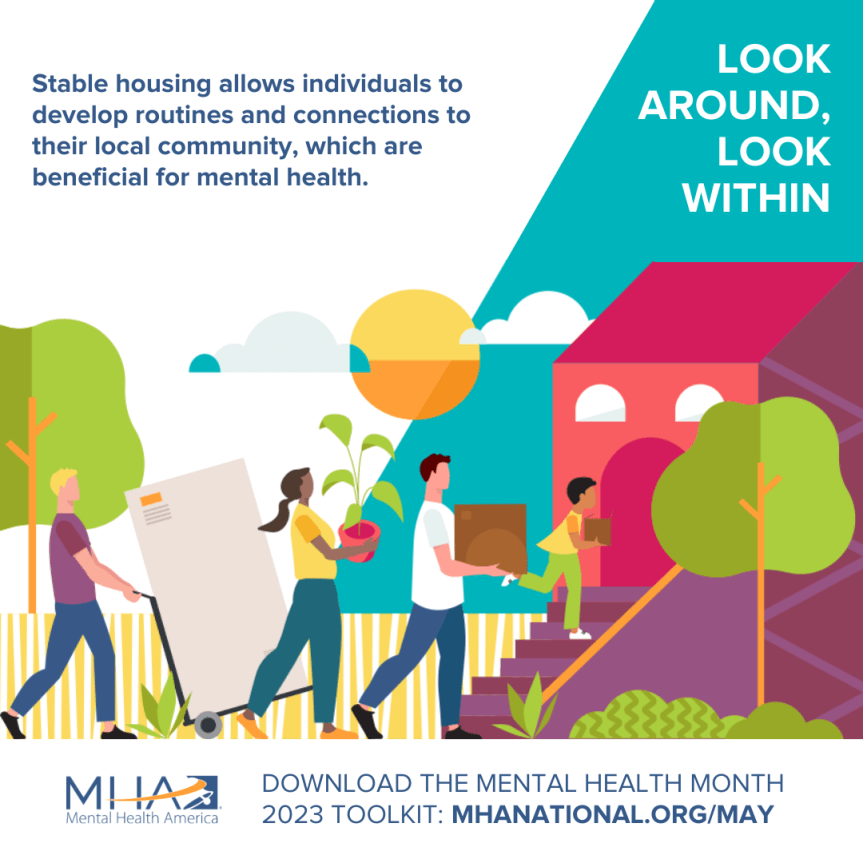
Unlock and Shape Your Home Environment with this Worksheet

Shape your home environment with this worksheet from Mental Health America! Learn how you can fall in love with your home to protect your mental health! Download today!


Shop The Caregiver Cafe E-Commerce Store!

We founded The Caregiver Cafe Shopify Store with one simple goal: to help you experiment with your passion while at the same time providing amazing prices. We were tired of cookie-cutter stores with lackluster selections, and boring gifts. Instead of offering a huge unoriginal collection, we carefully curate just a few unique pieces perfectly suited for people the taste buds like you.

We focus on items that get you excited about shopping again, as we believe buying online should always be fun!


Listen to the latest Caregiver Cafe Podcast!

Managing the responsibilities of caregiving can be overwhelming, especially if you have other commitments such as work and family.

Transitioning your parents to a more supportive environment, like an assisted living facility or your home can help alleviate some of the caregiving burden and ensure they receive the care they need.

In this episode, we get down to how to handle such a major shift in both you and your parents’ life.

Press play to listen in.

Subscribe to The Caregiver Cafe Weekly Newsletter!

Caregiving can be a roller coaster of ups and downs. The information that you will receive from The Caregiver Cafe Weekly Specials Newsletter will support you as a caregiver. Remember…

1. YOU ARE NOT ALONE: The problems you face as a caregiver are experienced by other caregivers. Knowing that you’re not alone can be comforting. 

2. Tools and Resources:  Find caregiver stress management tools and gain perspective from other caregiver’s experiences.

3. LEARN TO: Ask for help, accept help when it is offered, and acknowledge yourself on this caregiving journey. Hear from experts on how to balance caregiving responsibilities by taking care of your needs and involving others to help manage the natural stress and isolation of being a caregiver.