Igniting vs. Isolation: The Impact of Emotional Well-being on Men

By Roz Jones

In today’s fast-paced world, discussions around emotional well-being have gained significant momentum. While the focus on mental health is essential for everyone, it is crucial to address its impact specifically on men. Traditionally, society has perpetuated stereotypes that discourage men from expressing their emotions freely. However, promoting emotional well-being among men can lead to healthier relationships, improved coping mechanisms, and a more fulfilling life. In this blog post, we will explore the importance of emotional well-being in men’s lives and shed light on the significance of healthy relationships, coping mechanisms, and seeking support.

The Importance of Emotional Well-being:

Emotional well-being encompasses the ability to understand and manage our emotions effectively. It influences our overall mental health and has a profound impact on various aspects of our lives. For men, in particular, embracing emotional well-being can be transformative. When men prioritize their emotional health, they experience improved self-awareness, self-esteem, and better interpersonal relationships.

Healthy Relationships:

Healthy relationships are built on trust, empathy, and open communication. Men who prioritize emotional well-being are more likely to engage in positive, meaningful connections. By fostering emotional intelligence, men can better understand their own emotions and empathize with their partners, friends, and family members. This, in turn, strengthens the bond and allows for more authentic connections.

Coping Mechanisms:

Life is full of ups and downs, and developing healthy coping mechanisms is essential for emotional well-being. Unfortunately, societal expectations often discourage men from expressing vulnerability or seeking help during difficult times. However, by embracing emotional well-being, men can develop effective coping strategies. These may include practicing self-care, engaging in hobbies, journaling, exercising, or seeking therapy. By acknowledging and addressing their emotions, men can navigate life’s challenges in a healthier and more balanced manner.

Seeking Support:

One of the most crucial aspects of nurturing emotional well-being is recognizing the importance of seeking support. Men are often conditioned to handle everything independently, which can lead to feelings of isolation and emotional strain. However, seeking support is not a sign of weakness but rather a courageous step towards self-improvement. Men can reach out to friends, family, or mental health professionals who can provide guidance, a listening ear, and valuable insights. This support system helps men navigate their emotions and promotes overall well-being.

Breaking the Stigma:

Society has perpetuated harmful stereotypes around masculinity that discourage emotional expression in men. However, it is essential to challenge these stigmas and foster a more inclusive and supportive environment for emotional well-being. By encouraging open conversations about emotions and mental health, we can create spaces where men feel safe to express themselves authentically.

Nurturing emotional well-being is crucial for men to lead fulfilling and balanced lives. By prioritizing emotional health, men can cultivate healthy relationships, develop effective coping mechanisms, and seek support when needed. Breaking the stigma surrounding male emotions is an essential step toward creating a society that values emotional well-being for all. Let us encourage men to embrace their emotions, celebrate vulnerability, and build a future where emotional well-being is recognized as an integral part of a healthy and fulfilling life.


Stay Ahead of the Storm: Download Your Free Expert Storm Guide Now!

Photo by ALTEREDSNAPS on Pexels.com

As we know, June – November is Hurricane Season. As a family caregiver, there are many ways to prepare your loved ones for it. Early preparation helps reduce opportunities for stress and anxiety as storms approach.

One of the best ways to prepare is by allowing your loved one to assist in packing their travel bag, checking their contact list, and ensuring there are adequate emergency supplies.

Participation… not isolation… goes a long way when preparing for major storms. This Seniors Storm Guide gives essential information to refer to again and again!


Shop The Caregiver Cafe E-Commerce Store!

We founded The Caregiver Cafe Shopify Store with one simple goal: to help you experiment with your passion while at the same time providing amazing prices. We were tired of cookie-cutter stores with lackluster selections, and boring gifts. Instead of offering a huge unoriginal collection, we carefully curate just a few unique pieces perfectly suited for people the taste buds like you.

We focus on items that get you excited about shopping again, as we believe buying online should always be fun!


Join us in Part 3’s eye-opening conversation with Dr. Jacob Kendall as we explore the power of patterns in shaping our lives.

Patterns have a great influence on the life you live and if you are keen to recognize your patterns you can increase your life expectancy and change your life.

In this episode, I talk to Dr. Jacob and patterns and their influence on how long and short we live.

Press play to listen in.

Subscribe to The Caregiver Cafe Weekly Newsletter!

Caregiving can be a roller coaster of ups and downs. The information that you will receive from The Caregiver Cafe Weekly Specials Newsletter will support you as a caregiver. Remember…

1. YOU ARE NOT ALONE: The problems you face as a caregiver are experienced by other caregivers. Knowing that you’re not alone can be comforting. 

2. Tools and Resources:  Find caregiver stress management tools and gain perspective from other caregiver’s experiences.

3. LEARN TO: Ask for help, accept help when it is offered, and acknowledge yourself on this caregiving journey. Hear from experts on how to balance caregiving responsibilities by taking care of your needs and involving others to help manage the natural stress and isolation of being a caregiver. 

Managing Stress and Burnout: Self-Care for Caregivers

By Roz Jones

Being a caregiver for an aging loved one can be rewarding, but it also comes with its share of challenges and stress. Male caregivers, in particular, often face unique pressures and responsibilities. This blog is dedicated to highlighting the importance of managing stress and preventing burnout among male caregivers. By implementing practical self-care strategies, such as exercise, relaxation techniques, and seeking support from others, male caregivers can reduce stress levels, improve their mental and physical well-being, and continue to provide quality care for their loved ones.

1. Recognizing the Impact of Stress and Burnout:

Caregiving can take a toll on a person’s physical, mental, and emotional health. Male caregivers may experience added stress due to societal expectations, financial concerns, and balancing multiple roles. It is crucial to recognize the signs of stress and burnout, which can include fatigue, irritability, sleep disturbances, and a decreased sense of personal well-being. By acknowledging these symptoms, caregivers can take proactive steps toward self-care.

2. Prioritizing Self-Care:

Self-care is not a luxury; it is a necessity, especially for male caregivers. Taking care of oneself enables caregivers to better care for their loved ones. Encourage male caregivers to prioritize their own needs and set aside dedicated time for self-care activities. This can include engaging in hobbies, exercising, reading, or simply relaxing. By carving out moments for themselves, caregivers can recharge and replenish their physical and emotional reserves.

3. Exercise and Physical Activity:

Regular exercise has numerous benefits for both physical and mental well-being. Encourage male caregivers to engage in physical activities that they enjoy, such as walking, cycling, swimming, or participating in sports. Exercise helps reduce stress, boosts mood, increases energy levels, and improves overall physical health. Even small amounts of exercise throughout the day can make a significant difference.

4. Relaxation Techniques and Mindfulness:

Practicing relaxation techniques and mindfulness can help caregivers manage stress and promote a sense of calm. Encourage male caregivers to explore techniques such as deep breathing exercises, meditation, yoga, or engaging in hobbies that promote relaxation. These practices can help reduce anxiety, improve sleep quality, and enhance overall well-being.

5. Seeking Support:

Caregiving can sometimes feel overwhelming, and it’s important for male caregivers to know that they don’t have to face it alone. Encourage them to seek support from friends, family members, support groups, or professional counselors. Sharing their experiences, concerns, and emotions with others who understand can provide validation, advice, and much-needed emotional support.

As male caregivers, it is crucial to prioritize self-care to manage stress and prevent burnout. By recognizing the impact of stress, prioritizing self-care activities, engaging in regular exercise, practicing relaxation techniques, and seeking support from others, male caregivers can enhance their well-being and continue providing quality care for their loved ones. Remember, taking care of yourself is not selfish but rather a necessary step towards maintaining your own health and ensuring you have the capacity to care for others. By practicing self-care, male caregivers can find renewed energy, resilience, and fulfillment in their caregiving journey.

Stay Ahead of the Storm: Download Your Free Expert Storm Guide Now!

Photo by ALTEREDSNAPS on Pexels.com

As we know, June โ€“ November is Hurricane Season. As a family caregiver, there are many ways to prepare your loved ones for it. Early preparation helps reduce opportunities for stress and anxiety as storms approach.

One of the best ways to prepare is allowing your loved on to assist in packing their travel bag, checking their contact list and ensuring there are adequate emergency supplies.

Participationโ€ฆ not isolationโ€ฆ go a long way when preparing for major storms. This Seniors Storm Guide gives essential information to refer to again and again!


Stay Connected!

Coping with Grief and Loss as a Mental Health Caregiver

By Roz Jones

As a mental health caregiver, you may experience grief and loss as a result of the illness or condition of the person you are caring for. Whether it is due to a decline in health, a change in behavior, or the loss of the person you are caring for, grief and loss can be difficult to cope with. In this blog, we will explore ways to cope with grief and loss as a mental health caregiver.

Acknowledge Your Feelings

The first step in coping with grief and loss is to acknowledge and accept your feelings. It is natural to feel a range of emotions, including sadness, anger, guilt, and even relief. It is important to allow yourself to feel these emotions and not judge yourself for them. Bottling up your feelings can lead to further emotional distress and can even affect your mental and physical health.

Seek Support

It is important to seek support from others when coping with grief and loss. This can include talking to friends, family members, or a therapist. Support groups can also be helpful as they provide a safe space to share your feelings and connect with others who are going through similar experiences. It is important to remember that seeking support is not a sign of weakness, but rather a sign of strength.

Take Care of Yourself

As a mental health caregiver, it can be easy to neglect your own needs while caring for someone else. However, taking care of yourself is essential in coping with grief and loss. This can include engaging in self-care activities such as exercise, meditation, and getting enough sleep. Eating a balanced diet and avoiding drugs and alcohol can also help you manage your emotions and cope with stress.

Celebrate the Person’s Life

When coping with grief and loss, it can be helpful to celebrate the person’s life and the memories you shared together. This can include creating a scrapbook or photo album, planting a tree, or making a donation in their honor. Celebrating their life can help you focus on positive memories and bring a sense of peace.

Seek Professional Help

If you find that your grief and loss are affecting your ability to function in your daily life, it may be helpful to seek professional help. A therapist or counselor can provide you with tools and strategies to cope with your emotions and manage stress. They can also provide support and guidance in navigating the caregiving process.

Coping with grief and loss as a mental health caregiver can be a difficult and emotional journey. It is important to acknowledge your feelings, seek support, take care of yourself, celebrate the person’s life, and seek professional help if needed. Remember, it is okay to grieve, and seeking help is a sign of strength, not weakness.


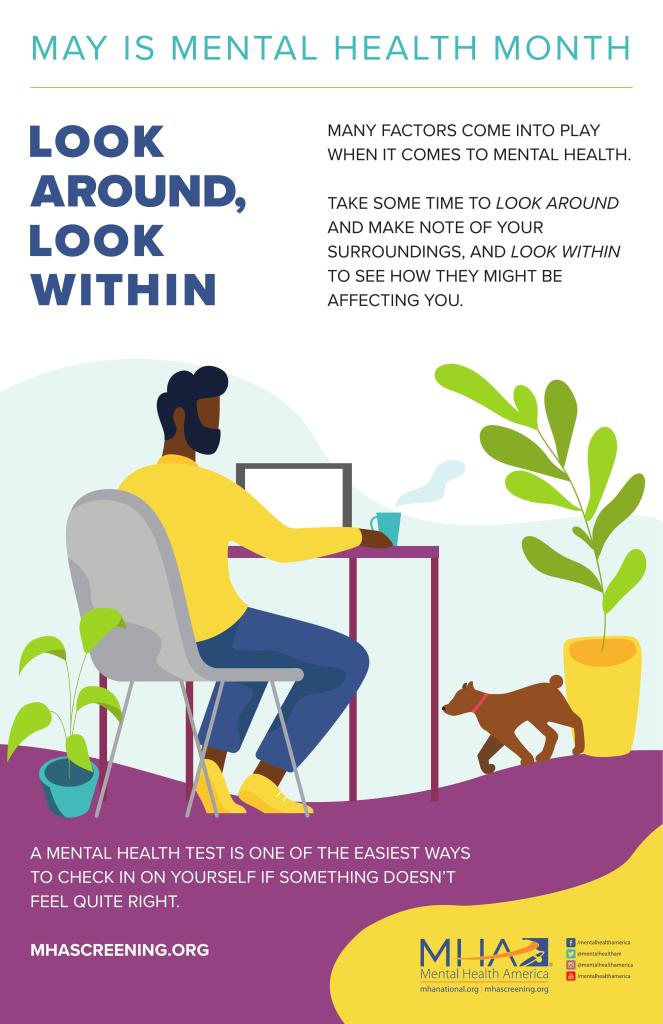
Unlock Your Mental Well-being: Take the First Step with a Mental Health Screening

Unlock the potential for a healthier and happier you this Mental Health Awareness Month. Start your journey towards emotional well-being by taking a decisive step with a mental health screening at MHAScreening.org. Much like a regular physical check-up, a mental health screening provides an invaluable opportunity to assess and address any underlying concerns. Don’t ignore that nagging feeling that something isn’t quite rightโ€”take action and prioritize your mental health today.

This mental health screening covers a wide range of important topics, including stress management, anxiety, depression, and more. Whether you’ve been experiencing persistent feelings of unease or simply want to gain a deeper understanding of your emotions, this screening is a vital tool to help you regain control of your mental health. Don’t let concerns go unaddressed or escalate into something more challenging to manage. Visit MHAScreening.org now, and unlock the power of self-awareness and proactive well-being. Together, let’s break down the barriers surrounding mental health and embark on a transformative journey toward a brighter future.


Stay Connected!

Breaking the Stigma: Addressing Mental Health in Caregiving

By Roz Jones

Caring for a loved one with a chronic illness or disability can be both rewarding and challenging. While caregiving can bring a sense of purpose and fulfillment, it can also have negative impacts on mental health. Unfortunately, there is often a stigma attached to discussing mental health in caregiving, which can prevent caregivers from seeking the help they need. In this blog, we will discuss the importance of addressing mental health in caregiving and breaking the stigma.

The Impact of Caregiving on Mental Health

The demands of caregiving can take a toll on mental health, particularly when the caregiver is providing care for an extended period. Caregivers often experience high levels of stress, anxiety, and depression. They may also feel isolated and overwhelmed, especially if they lack support from friends, family, or healthcare providers.

Furthermore, caregiving can disrupt daily routines and social activities, leading to a loss of identity and purpose. It can also affect the caregiver’s physical health, as they may neglect their own health needs while caring for their loved one.

Breaking the Stigma

Despite the significant impact that caregiving can have on mental health, there is still a stigma attached to discussing mental health in this context. Caregivers may feel ashamed or embarrassed to admit that they are struggling or need help. They may fear being judged or seen as weak or selfish for prioritizing their own needs.

Breaking the stigma around mental health in caregiving is essential to ensure that caregivers get the support they need. This can involve raising awareness about the impact of caregiving on mental health, educating caregivers about the importance of self-care, and providing access to mental health resources and support.

Addressing Mental Health in Caregiving

Caregivers can take several steps to address their mental health needs while caring for their loved ones. These include:

  1. Seeking support: Caregivers should reach out to friends, family, and healthcare providers for support. This can include asking for help with caregiving tasks, seeking emotional support, and attending support groups.
  1. Practicing self-care: Caregivers should prioritize their own physical and emotional health by getting enough sleep, eating a healthy diet, and engaging in activities they enjoy.
  1. Taking breaks: Caregivers should take regular breaks from caregiving to recharge and relax. This can involve engaging in a hobby, spending time with friends, or simply taking a nap.
  1. Seeking professional help: Caregivers should not hesitate to seek professional help if they are experiencing symptoms of depression, anxiety, or other mental health issues. This can involve talking to a therapist, psychiatrist, or other mental health professional.

Caregiving can have a significant impact on mental health, but it’s essential to break the stigma and address this issue. Caregivers should prioritize their own mental health needs by seeking support, practicing self-care, taking breaks, and seeking professional help when necessary. By breaking the stigma around mental health in caregiving, we can ensure that caregivers get the support they need to provide the best care for their loved ones.


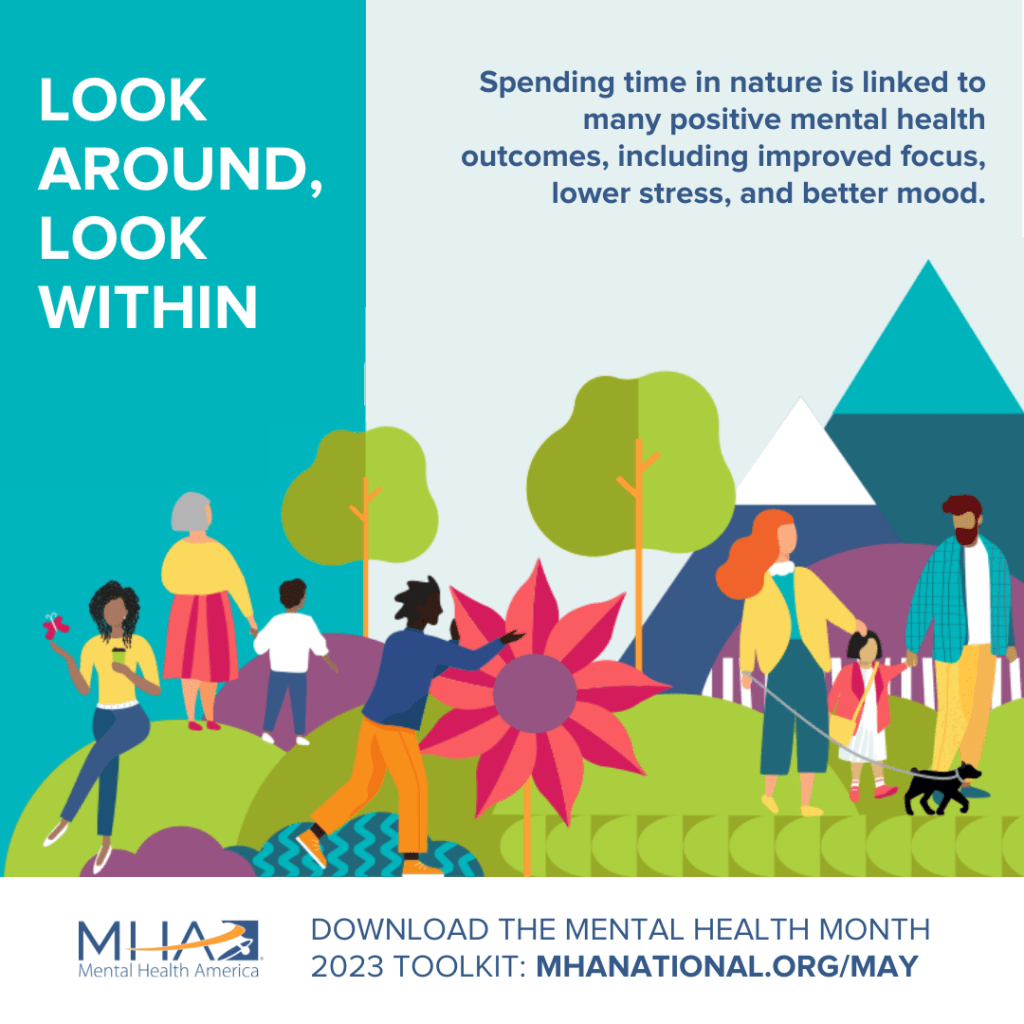
Unlock the Power of Nature: Elevate Your Mental Health with Mental Health America’s Exclusive Worksheet

Discover the transformative benefits of embracing the great outdoors and prioritize your mental health this Mental Health Awareness Month. Mental Health America’s exclusive worksheet, “Opening Your Mind to the Outdoors,” will guide you through powerful techniques to overcome motivational barriers and connect your goals to positive emotions.

Unleash the motivation within and unlock a path toward well-being. Download this worksheet now and embark on a journey of self-discovery and mental rejuvenation. Don’t miss out on this incredible opportunity to enhance your mental health and thrive in harmony with nature.


Stay Connected!