Breaking the Stigma: Addressing Mental Health in Caregiving

By Roz Jones

Caring for a loved one with a chronic illness or disability can be both rewarding and challenging. While caregiving can bring a sense of purpose and fulfillment, it can also have negative impacts on mental health. Unfortunately, there is often a stigma attached to discussing mental health in caregiving, which can prevent caregivers from seeking the help they need. In this blog, we will discuss the importance of addressing mental health in caregiving and breaking the stigma.

The Impact of Caregiving on Mental Health

The demands of caregiving can take a toll on mental health, particularly when the caregiver is providing care for an extended period. Caregivers often experience high levels of stress, anxiety, and depression. They may also feel isolated and overwhelmed, especially if they lack support from friends, family, or healthcare providers.

Furthermore, caregiving can disrupt daily routines and social activities, leading to a loss of identity and purpose. It can also affect the caregiver’s physical health, as they may neglect their own health needs while caring for their loved one.

Breaking the Stigma

Despite the significant impact that caregiving can have on mental health, there is still a stigma attached to discussing mental health in this context. Caregivers may feel ashamed or embarrassed to admit that they are struggling or need help. They may fear being judged or seen as weak or selfish for prioritizing their own needs.

Breaking the stigma around mental health in caregiving is essential to ensure that caregivers get the support they need. This can involve raising awareness about the impact of caregiving on mental health, educating caregivers about the importance of self-care, and providing access to mental health resources and support.

Addressing Mental Health in Caregiving

Caregivers can take several steps to address their mental health needs while caring for their loved ones. These include:

  1. Seeking support: Caregivers should reach out to friends, family, and healthcare providers for support. This can include asking for help with caregiving tasks, seeking emotional support, and attending support groups.
  1. Practicing self-care: Caregivers should prioritize their own physical and emotional health by getting enough sleep, eating a healthy diet, and engaging in activities they enjoy.
  1. Taking breaks: Caregivers should take regular breaks from caregiving to recharge and relax. This can involve engaging in a hobby, spending time with friends, or simply taking a nap.
  1. Seeking professional help: Caregivers should not hesitate to seek professional help if they are experiencing symptoms of depression, anxiety, or other mental health issues. This can involve talking to a therapist, psychiatrist, or other mental health professional.

Caregiving can have a significant impact on mental health, but it’s essential to break the stigma and address this issue. Caregivers should prioritize their own mental health needs by seeking support, practicing self-care, taking breaks, and seeking professional help when necessary. By breaking the stigma around mental health in caregiving, we can ensure that caregivers get the support they need to provide the best care for their loved ones.


Unlock the Power of Nature: Elevate Your Mental Health with Mental Health America’s Exclusive Worksheet
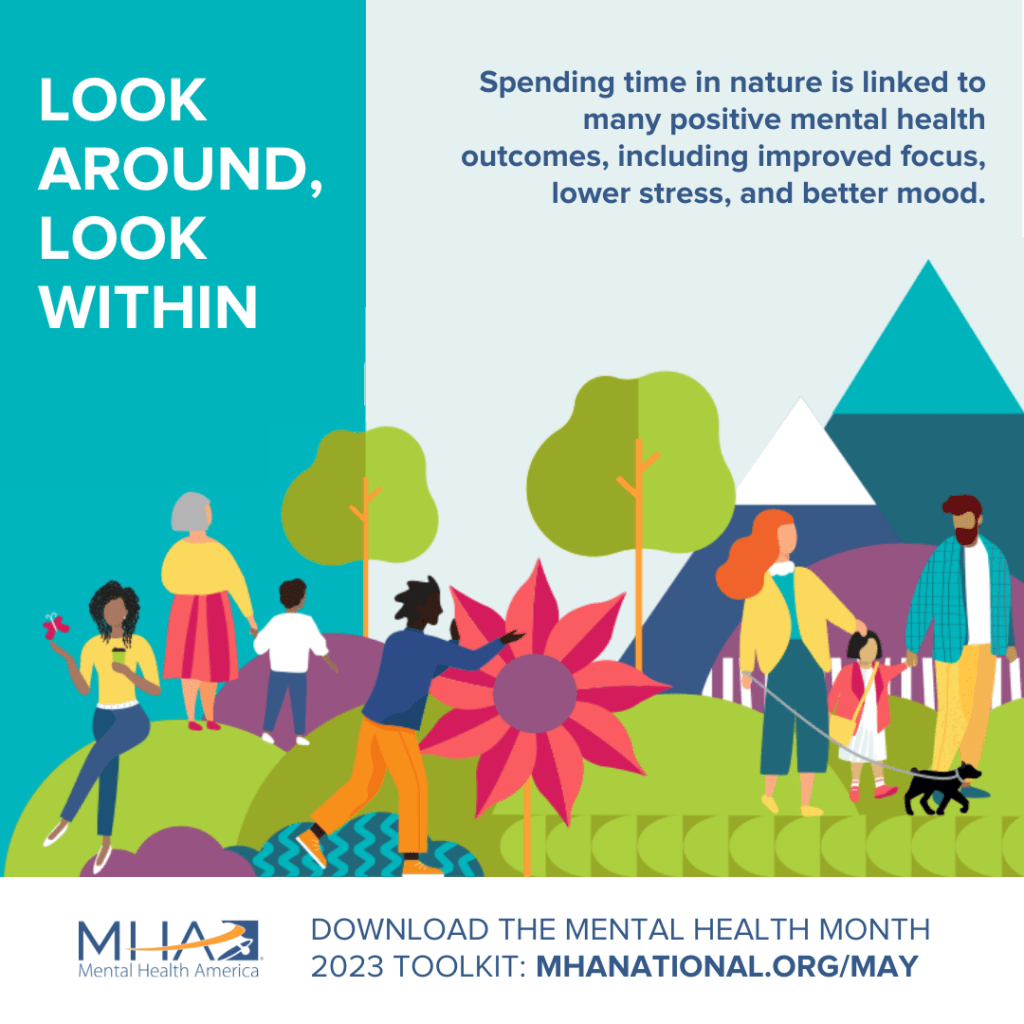
Discover the transformative benefits of embracing the great outdoors and prioritize your mental health this Mental Health Awareness Month. Mental Health America’s exclusive worksheet, “Opening Your Mind to the Outdoors,” will guide you through powerful techniques to overcome motivational barriers and connect your goals to positive emotions.

Unleash the motivation within and unlock a path toward well-being. Download this worksheet now and embark on a journey of self-discovery and mental rejuvenation. Don’t miss out on this incredible opportunity to enhance your mental health and thrive in harmony with nature.


Stay Connected!

The Intersection of Mental Health and Caregiving for an Aging Loved One

By Roz Jones

Caring for an aging loved one can be a rewarding experience, but it can also be emotionally and mentally challenging. As a caregiver, it’s important to prioritize your own mental health in order to provide effective care. In this blog, we will explore the intersection of mental health and caregiving for an aging loved one, and provide tips and resources for maintaining good mental health.

The Emotional Challenges of Caregiving

Caring for an aging loved one can bring up a range of emotions, including stress, anxiety, guilt, and grief. As the loved one’s health declines, caregivers may feel a sense of loss and sadness. Additionally, caregivers may feel overwhelmed by the demands of caregiving, which can lead to burnout and depression.

Tips for Maintaining Good Mental Health

To maintain good mental health while caregiving, it’s important to prioritize self-care. This can include seeking support from family and friends, taking breaks and engaging in activities that bring joy, and seeking professional counseling or therapy. It’s also important to set boundaries and communicate clearly with your loved one about what you are and are not able to provide in terms of care.

Another tip is to seek out resources and support for caregivers. This can include caregiver support groups, respite care services, and home health aides. It’s important to remember that you don’t have to do everything alone, and that it’s okay to ask for help.

The Importance of Communication

Effective communication is key to maintaining good mental health while caregiving. It’s important to have open and honest conversations with your loved one about their care needs and your own limitations. It’s also important to communicate with other family members and healthcare professionals involved in your loved one’s care.

It’s important to remember that communication is a two-way street, and that it’s important to actively listen to your loved one’s needs and concerns. By working together, you can create a care plan that meets your loved one’s needs while also prioritizing your own mental health.

Caring for an aging loved one can be emotionally and mentally challenging, but by prioritizing self-care, seeking out resources and support, and maintaining open and honest communication, caregivers can maintain good mental health and provide effective care for their loved ones. It’s important to remember that caregiving is a journey, and that it’s okay to ask for help and seek out support when needed.


Unlock the Power of Nature: Elevate Your Mental Health with Mental Health America’s Exclusive Worksheet

Discover the transformative benefits of embracing the great outdoors and prioritize your mental health this Mental Health Awareness Month. Mental Health America’s exclusive worksheet, “Opening Your Mind to the Outdoors,” will guide you through powerful techniques to overcome motivational barriers and connect your goals to positive emotions.

Unleash the motivation within and unlock a path toward well-being. Download this worksheet now and embark on a journey of self-discovery and mental rejuvenation. Don’t miss out on this incredible opportunity to enhance your mental health and thrive in harmony with nature.


Stay Connected!

The Impact of Caregiving on Mental Health and Personal Well-Being

By Roz Jones

Caregiving is a challenging and demanding role that can take a toll on a caregiver’s mental health and personal well-being. As a caregiver, it’s important to be aware of the potential impact on your mental health and take steps to maintain your personal well-being. In this blog, we will explore the impact of caregiving on mental health and personal well-being and provide tips for coping with the challenges.

The Emotional Toll of Caregiving

Caregiving can be emotionally taxing and bring up a range of emotions, including stress, anxiety, and depression. The demands of caregiving can lead to burnout and exhaustion, which can negatively impact a caregiver’s mental health. Additionally, caregivers may experience feelings of guilt or frustration, which can also impact their well-being.

The Physical Impact of Caregiving

Caregiving can also have a physical impact on a caregiver’s health. The stress and demands of caregiving can lead to physical symptoms, such as headaches, back pain, and exhaustion. Additionally, caregivers may neglect their own physical health due to the demands of caregiving, which can lead to further health problems.

Tips for Maintaining Personal Well-Being

To maintain personal well-being while caregiving, it’s important to prioritize self-care. This can include taking breaks and engaging in activities that bring joy, seeking support from family and friends, and seeking professional counseling or therapy. It’s also important to set boundaries and communicate clearly with the person being cared for about what you are and are not able to provide in terms of care.

Another tip is to seek out resources and support for caregivers. This can include caregiver support groups, respite care services, and home health aides. It’s important to remember that you don’t have to do everything alone, and that it’s okay to ask for help.

The Importance of Self-Care

Self-care is essential for maintaining personal well-being while caregiving. This can include taking time for yourself, engaging in activities you enjoy, and getting enough rest and exercise. Self-care can help you feel more resilient and better able to handle the challenges of caregiving.

Caregiving can have a significant impact on a caregiver’s mental health and personal well-being. By prioritizing self-care, seeking out resources and support, and communicating clearly with the person being cared for, caregivers can maintain their own well-being while providing effective care. Remember, it’s important to take care of yourself in order to be the best caregiver you can be.


Unlock the Power of Nature: Elevate Your Mental Health with Mental Health America’s Exclusive Worksheet

Discover the transformative benefits of embracing the great outdoors and prioritize your mental health this Mental Health Awareness Month. Mental Health America’s exclusive worksheet, “Opening Your Mind to the Outdoors,” will guide you through powerful techniques to overcome motivational barriers and connect your goals to positive emotions.

Unleash the motivation within and unlock a path toward well-being. Download this worksheet now and embark on a journey of self-discovery and mental rejuvenation. Don’t miss out on this incredible opportunity to enhance your mental health and thrive in harmony with nature.


Stay Connected!