Reflecting on Your Caregiving Journey with Gratitude and Elegance

By Roz Jones

Caring for our aging loved ones is a labor of love, filled with challenges, joys, and an unbreakable bond. As caregivers, our journey is truly extraordinary, and it’s important to pause, reflect, and appreciate the care and dedication we provide to our aging family members. Join me as we explore the beauty of this gratitude journey.

The Unique Path of Caregiving

Our role as caregivers is a noble and unique one. It’s a path filled with compassion, selflessness, and a deep sense of responsibility. We’re entrusted with the care and well-being of our aging loved ones, and it’s a commitment that sets us on a remarkable journey.

This journey, like life itself, is a blend of moments that challenge us, fill us with love, and enrich our spirits. It’s a journey that deserves to be appreciated and celebrated.

Reflecting on the Caregiving Journey

Reflection is a powerful tool for personal growth and understanding. It’s an opportunity to take a step back and examine the path we’ve walked. Here’s how you can reflect on your caregiving journey:

  • Quiet Moments: Find a peaceful space where you can sit in solitude. Take a few deep breaths to center yourself and bring your focus to the present moment.
  • Gratitude Journal: Consider keeping a gratitude journal. Write down moments, big or small, that have filled your heart with gratitude during your caregiving journey.
  • Cherished Memories: Reflect on the beautiful moments you’ve shared with your aging loved one. Think about the laughter, the stories, and the love you’ve experienced together.
  • Challenges and Growth: Acknowledge the challenges you’ve faced as a caregiver and the ways you’ve grown through them. Your resilience and strength are worth celebrating.
  • Self-Care: Think about the times you’ve prioritized self-care and how it has allowed you to provide better care for your aging loved one.
  • Community and Support: Consider the friends, family, or support groups that have been part of your caregiving journey. How have they made a difference in your life?

Expressing Appreciation

Gratitude and appreciation are the cornerstones of a meaningful Thanksgiving. It’s essential to take a moment to express your appreciation for the caregiving journey you’ve embarked on. Here’s how you can do that:

  • Write a Letter: Consider writing a letter of appreciation to your aging loved one, expressing your love and gratitude for the time you’ve spent together.
  • Self-Affirmations: Practice self-affirmations that acknowledge your dedication, strength, and love as a caregiver.
  • Share Your Journey: Talk about your caregiving journey with a friend, family member, or support group. Sharing your experiences can be a powerful way to appreciate your path.
  • Celebrate the Milestones: Acknowledge and celebrate the milestones you’ve achieved in your caregiving journey. Whether it’s a health improvement or a personal accomplishment, it’s worth celebrating.

As Thanksgiving approaches, let’s embrace the elegance in reflection and gratitude. Your journey as a caregiver is a testament to your dedication and love. It’s an extraordinary path, and it deserves to be appreciated. Take the time to reflect on the beautiful moments and the challenges, the growth and the love. Express your appreciation not only for the journey but for yourself as a caregiver. You are making a profound difference in the life of your aging loved one, and that is a gift to be celebrated.

Wishing you a Thanksgiving filled with elegance, reflection, and the warm embrace of gratitude. You’re truly extraordinary, and your journey as a caregiver is a testament to the power of love.

Stay Ahead of the Storm: Download Your Free Expert Storm Guide Now!

Photo by ALTEREDSNAPS on Pexels.com

As we know, June โ€“ November is Hurricane Season. As a family caregiver, there are many ways to prepare your loved ones for it. Early preparation helps reduce opportunities for stress and anxiety as storms approach.

One of the best ways to prepare is allowing your loved on to assist in packing their travel bag, checking their contact list and ensuring there are adequate emergency supplies.

Participationโ€ฆ not isolationโ€ฆ go a long way when preparing for major storms. This Seniors Storm Guide gives essential information to refer to again and again!



The Caregiver’s Sanctuary for Self-Care

By Roz Jones

Caring for our aging loved ones is a role filled with love and purpose, but it can also be incredibly demanding and sometimes overwhelming. In today’s discussion, we will uncover the significance of self-care and respite for caregivers and how it empowers us to provide the best care for our cherished seniors.

Unwind and Recharge: Because You Deserve It

Let’s face it, fellow caregivers, we are the unsung heroes of this ageless love story. We dedicate ourselves to providing top-notch care, often at the expense of our own well-being. Our selflessness is truly admirable, but it’s essential to remember that, as we care for our loved ones, we need to care for ourselves as well.

The caregiving journey is a marathon, not a sprint. To excel in this demanding role, we must learn to pace ourselves, refuel emotionally, and create a sanctuary for self-care within our lives. Even heroes need time to rest, recharge, and come back stronger.

Self-Care: Not a Luxury, but a Necessity

Self-care is not merely a trend; it’s a necessity for caregivers. It’s not selfish; it’s self-preserving. Here are some practical self-care strategies to weave into your daily routine:

  • Prioritize Your Sleep: Quality rest equips you to be more alert, patient, and capable of handling the challenges of caregiving. A good night’s sleep is a must.
  • Stay Active: Regular exercise alleviates stress, elevates your mood, and bolsters your overall health. A brisk daily walk or some yoga can do wonders.
  • Nourish Your Body: Balanced nutrition is the foundation of maintaining your energy levels. Don’t skip meals or resort to junk food when time is tight.
  • Connect with Your Support Network: Caregiving can be isolating. Reach out to friends, and family, or consider joining a caregiver support group to share your experiences and gain guidance from others who understand.
  • Set Boundaries: Learn to say “no” when you need to. Don’t overextend yourself; it’s okay to decline additional responsibilities that push you beyond your limits.

Respite: A Gift to Yourself and Your Loved One

Respite care is your secret weapon, and it’s time to unlock its potential. It offers you the chance to take a well-deserved break while ensuring your loved one continues to receive top-quality care. The options for respite care are diverse:

  • Engage Your Support System: Don’t hesitate to ask friends and family to share caregiving responsibilities. They want to help you, and you deserve their support.
  • Professional Respite Care: Consider hiring a trained caregiver to fill in temporarily. This is particularly helpful for longer breaks or when you have other commitments.
  • Adult Day Care Centers: These centers provide a safe and engaging environment for your loved one, giving you the freedom to relax and recharge.
  • Short-Term Care Facilities: Some facilities offer short-term stays for your loved one, affording you an extended respite period.

Taking a respite is not a sign of weakness; it’s a sign of your dedication to providing the best care possible. It’s about ensuring you can continue to be the strong, loving caregiver your aging loved one relies on. It’s high time we acknowledged that caring for ourselves is just as crucial as caring for our loved ones. Self-care and respite are not optional; they are non-negotiable elements of our caregiving journey. By placing our own well-being front and center, we can ensure we have the strength, patience, and love to continue being the amazing caregivers we are. In the timeless saga of ageless love, remember that your self-care and respite are your birthright, not just a privilege. By taking care of yourself, you empower yourself to care for your aging loved ones with even more love, compassion, and unwavering strength. You are worth it, and your ageless love story deserves a sanctuary for self-care.

Stay Ahead of the Storm: Download Your Free Expert Storm Guide Now!

Photo by ALTEREDSNAPS on Pexels.com

As we know, June – November is Hurricane Season. As a family caregiver, there are many ways to prepare your loved ones for it. Early preparation helps reduce opportunities for stress and anxiety as storms approach.

One of the best ways to prepare is allowing your loved on to assist in packing their travel bag, checking their contact list and ensuring there are adequate emergency supplies.

Participation… not isolation… go a long way when preparing for major storms. This Seniors Storm Guide gives essential information to refer to again and again!

Shop The Caregiver Cafe E-Commerce Store!

We founded The Caregiver Cafe Shopify Store with one simple goal: to help you experiment with your passion while at the same time providing amazing prices. We were tired of cookie-cutter stores with lackluster selections, and boring gifts. Instead of offering a huge unoriginal collection, we carefully curate just a few unique pieces perfectly suited for people the taste buds like you.

We focus on items that get you excited about shopping again, as we believe buying online should always be fun!


The Emotional Cost of Senior Care

Caregiving is a deeply emotional journey that carries an often unspoken price tag. The emotional cost can impact caregivers’ mental health, relationships, and overall quality of life.

By recognizing and addressing these emotional challenges, caregivers can find ways to navigate the complexities of their role while preserving their own well-being.

Remember, acknowledging and tending to your own emotions is not a sign of weakness, but rather a testament to your strength and dedication as a caregiver.

Listen to this episode for the emotional cost of caregiving.

Subscribe to The Caregiver Cafe Weekly Newsletter!

Caregiving can be a roller coaster of ups and downs. The information that you will receive from The Caregiver Cafe Weekly Specials Newsletter will support you as a caregiver. Remember…

1. YOU ARE NOT ALONE: The problems you face as a caregiver are experienced by other caregivers. Knowing that you’re not alone can be comforting. 

2. Tools and Resources:  Find caregiver stress management tools and gain perspective from other caregiver’s experiences.

3. LEARN TO: Ask for help, accept help when it is offered, and acknowledge yourself on this caregiving journey. Hear from experts on how to balance caregiving responsibilities by taking care of your needs and involving others to help manage the natural stress and isolation of being a caregiver. 

Finding Balance Before Your Break for National Respite Care Month

By Roz Jones

Caregiving is a noble journey filled with love and dedication, but it’s essential to remember that taking care of yourself is just as crucial as caring for your loved ones. That’s why we’re shining a spotlight on National Respite Care Monthโ€”an entire month dedicated to acknowledging your efforts and emphasizing the importance of finding balance and renewed energy in your caregiving journey.

The Heart of Caregiving

Caregiving is a labor of love, an expression of compassion that touches lives in profound ways. However, it’s also a role that demands tremendous physical, emotional, and mental energy. As caregivers, it’s easy to get caught up in the daily responsibilities and forget that your well-being matters too. National Respite Care Month serves as a gentle reminder that taking breaks and prioritizing your own health is not a luxury but a necessity.

Understanding Respite Care

Respite care is a lifeline for caregiversโ€”a way to step back, recharge, and regain your balance. It involves arranging for temporary caregiving support, allowing you to take a breather and tend to your own needs without worrying about your loved ones’ well-being. Whether it’s a few hours, a day, or even a weekend, respite care offers you the opportunity to rest, renew your energy, and return to caregiving with a refreshed spirit.

The Gift of Self-Care

Self-care is more than just a buzzword; it’s an essential aspect of caregiving. National Respite Care Month encourages you to embrace self-care as an act of love towards yourself and your loved ones. Use your respite time to indulge in activities that nourish your soulโ€”whether it’s reading a book, taking a leisurely walk, enjoying a spa day, or simply having a moment of quiet reflection. Remember that caring for yourself empowers you to care for others more effectively.

How to Embrace Respite Care

  1. Plan Ahead: Schedule regular respite breaks in your caregiving routine. This could involve asking a family member or friend for help or exploring professional respite care services.
  2. Communicate: Talk openly with your loved ones about the importance of respite care. Assure them that their well-being is your priority, and respite care allows you to provide the best care possible.
  3. Find Support: Connect with caregiver support groups or online communities. Sharing your experiences and learning from others can offer valuable insights and encouragement.
  4. Enjoy Your Time: When you take a break, immerse yourself in activities that bring you joy. Use this time to re-energize and focus on your own needs.
  5. Seek Professional Help: If necessary, explore professional respite care providers who are trained to care for your loved ones while you take a well-deserved break.

National Respite Care Month is a celebration of youโ€”the caregivers who pour their hearts into their roles every day. It’s a reminder that finding balance and renewing your energy is not only beneficial but essential for your well-being and the quality of care you provide. Remember that taking care of yourself is not a sign of weakness; it’s a testament to your strength and dedication. As you navigate the caregiving journey, embrace respite care as a gift to yourselfโ€”a chance to find harmony, recharge, and continue spreading love in the most meaningful ways.

Planning a Summer Vacation with an Aging Loved One? Download the FREE Checklist!

Are you embarking on a summer vacation adventure with a loved one in need of care? Whether youโ€™re a caregiver or know someone who is, we understand the unique challenges and considerations that come with vacationing while ensuring your loved one is safe..

Make your vacation experience stress-free and enjoyable for both you and your loved one, weโ€™re excited to offer you a free downloadable checklist!

Stay Ahead of the Storm: Download Your Free Expert Storm Guide Now!

Photo by ALTEREDSNAPS on Pexels.com

As we know, June โ€“ November is Hurricane Season. As a family caregiver, there are many ways to prepare your loved ones for it. Early preparation helps reduce opportunities for stress and anxiety as storms approach.

One of the best ways to prepare is allowing your loved on to assist in packing their travel bag, checking their contact list and ensuring there are adequate emergency supplies.

Participationโ€ฆ not isolationโ€ฆ go a long way when preparing for major storms. This Seniors Storm Guide gives essential information to refer to again and again!


Stay Connected!

Nurturing Mental Health and Empowering Minority Caregivers: Culturally Sensitive Caregiving Approaches

By Roz Jones

Caring for aging loved ones can be a challenging task, particularly when it comes to ensuring their mental well-being. In minority communities, where cultural nuances and unique experiences shape individuals’ lives, it becomes crucial to approach caregiving with cultural sensitivity. By understanding and embracing cultural diversity, minority caregivers can create an environment that nurtures the mental health of their aging loved ones. In this blog, we will explore the importance of culturally sensitive caregiving approaches and provide practical tips and guidance for implementing them effectively.

Understanding the role of cultural competence in caregiving:
Cultural competence is the ability to understand, respect, and respond to the cultural needs of individuals. In caregiving, cultural competence plays a pivotal role in promoting mental health. It involves recognizing the influence of culture on beliefs, values, and behaviors and adapting caregiving approaches accordingly. By understanding the unique cultural background of aging loved ones, caregivers can provide care that is respectful, meaningful, and tailored to their specific needs.

Promoting effective communication and understanding across cultural barriers:
Communication is the key to building strong relationships and fostering mental well-being. However, cultural differences can create barriers to effective communication. Caregivers must strive to bridge these gaps by adopting culturally sensitive communication strategies. This includes active listening, using culturally appropriate language, and being open to different perspectives. By creating an environment of trust and understanding, caregivers can promote mental wellness in minority communities.

Highlighting community resources and support networks for minority caregivers:
Minority caregivers often face unique challenges due to factors such as language barriers, limited access to resources, and cultural stigmas. However, various community resources and support networks are available to assist and empower them. This section will highlight organizations, online forums, and local support groups that cater specifically to the needs of minority caregivers. By connecting with these resources, caregivers can gain valuable insights, share experiences, and access support tailored to their cultural background.

Self-care for minority caregivers:
Caregiving can be physically and emotionally demanding, and minority caregivers are not exempt from these challenges. It is essential for caregivers to prioritize their own well-being to provide effective care. This section will provide self-care tips specifically tailored to the experiences of minority caregivers. From seeking respite care to engaging in cultural activities that bring joy and relaxation, these suggestions will help caregivers maintain their own mental health while caring for their loved ones.

Culturally sensitive caregiving is a powerful tool in nurturing the mental health of aging loved ones in minority communities. By embracing cultural diversity, promoting effective communication, accessing community resources, and prioritizing self-care, caregivers can create a supportive environment that enhances the well-being of their loved ones and themselves. Together, we can build a future where minority caregivers receive the recognition, support, and empowerment they deserve in their caregiving journeys.

Planning a Summer Vacation with an Aging Loved One? Download the FREE Checklist!

Are you embarking on a summer vacation adventure with a loved one in need of care? Whether youโ€™re a caregiver or know someone who is, we understand the unique challenges and considerations that come with vacationing while ensuring your loved one is safe..

Make your vacation experience stress-free and enjoyable for both you and your loved one, weโ€™re excited to offer you a free downloadable checklist!

Stay Ahead of the Storm: Download Your Free Expert Storm Guide Now!

Photo by ALTEREDSNAPS on Pexels.com

As we know, June โ€“ November is Hurricane Season. As a family caregiver, there are many ways to prepare your loved ones for it. Early preparation helps reduce opportunities for stress and anxiety as storms approach.

One of the best ways to prepare is allowing your loved on to assist in packing their travel bag, checking their contact list and ensuring there are adequate emergency supplies.

Participationโ€ฆ not isolationโ€ฆ go a long way when preparing for major storms. This Seniors Storm Guide gives essential information to refer to again and again!


Stay Connected!

Help! I Don’t Feel Like Caregiving: 5 Simple Self-Care Practices for Caregivers to Recharge and Refresh

By Roz Jones

Being a caregiver can be an incredibly rewarding experience, but it can also be a challenging and emotionally draining one. There are some days when you may feel overwhelmed, frustrated, or just plain exhausted from the demands of caring for a loved one. On those days, it can be tempting to step back and take a break from your caregiving duties, but what do you do when you can’t?

It’s important to recognize that it’s okay to have days when you don’t want to be bothered with caregiving. Feeling burnt out or emotionally drained is a normal part of the caregiving experience, and it’s essential to prioritize your own mental and physical health. However, it’s also important to remember that caregiving is a responsibility that can’t be ignored or put off indefinitely.

Here are some tips for coping with those days when you don’t want to be bothered with caregiving:

  1. Take a mental health day: Just like any other job, it’s okay to take a day off from caregiving to focus on your own well-being. Use this time to rest, recharge, and engage in activities that bring you joy and relaxation.
  2. Reach out for support: Don’t be afraid to ask for help from friends, family, or community resources. Enlisting the support of others can help alleviate some of the stress and responsibilities of caregiving, and provide you with the opportunity to take a break.
  3. Practice self-care: Prioritizing your own self-care is essential to maintaining your mental and physical health. Engage in activities that make you feel good, such as exercise, meditation, or spending time with loved ones.
  4. Consider professional caregiving assistance: Professional caregivers can offer support and assistance with the daily tasks of caregiving, allowing you to take a step back and focus on your own well-being.
  5. Seek counseling: Talking to a therapist or counselor can provide you with the tools and strategies to cope with the emotional challenges of caregiving, and offer a safe space to express your feelings and concerns.

Remember, there will be days when you don’t want to be bothered with caregiving, and that’s okay. Prioritizing your own mental and physical health is essential to being an effective and compassionate caregiver. By taking care of yourself, you’ll be better equipped to care for your loved one in the long run.


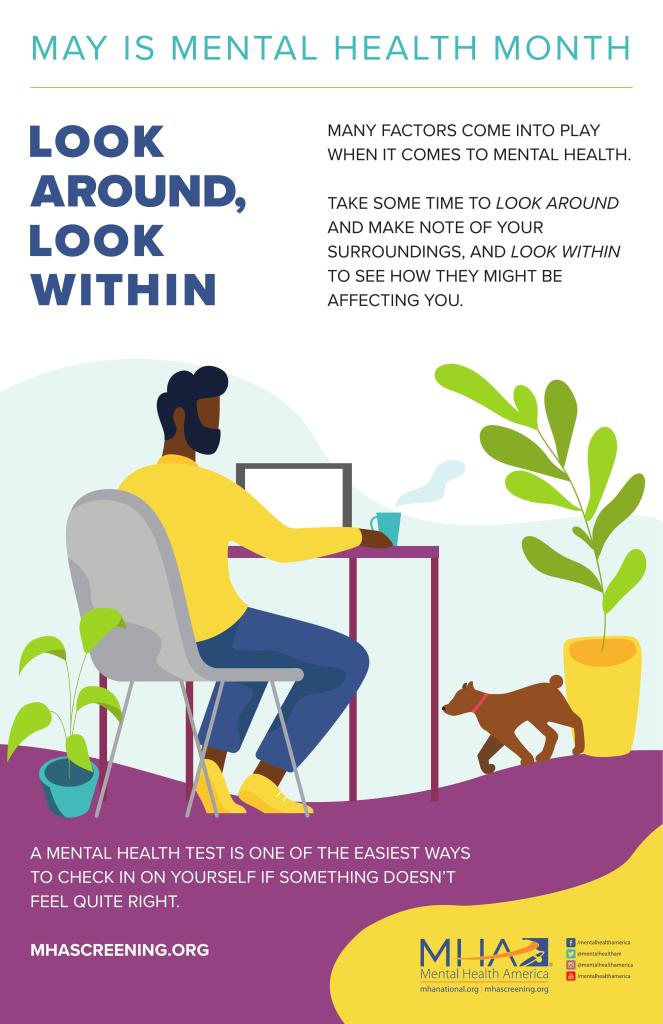
Unlock Your Mental Well-being: Take the First Step with a Mental Health Screening

Unlock the potential for a healthier and happier you this Mental Health Awareness Month. Start your journey towards emotional well-being by taking a decisive step with a mental health screening at MHAScreening.org. Much like a regular physical check-up, a mental health screening provides an invaluable opportunity to assess and address any underlying concerns. Don’t ignore that nagging feeling that something isn’t quite rightโ€”take action and prioritize your mental health today.

This mental health screening covers a wide range of important topics, including stress management, anxiety, depression, and more. Whether you’ve been experiencing persistent feelings of unease or simply want to gain a deeper understanding of your emotions, this screening is a vital tool to help you regain control of your mental health. Don’t let concerns go unaddressed or escalate into something more challenging to manage. Visit MHAScreening.org now, and unlock the power of self-awareness and proactive well-being. Together, let’s break down the barriers surrounding mental health and embark on a transformative journey toward a brighter future.


Stay Connected!