
Utilizing Technology for Remote Caregiving: Staying Connected from Afar

By Roz Jones

Taking a vacation is a well-deserved break for caregivers, but it can also bring about concerns when it comes to leaving aging parents behind. However, with the advancements in technology, caregivers can now stay connected and provide remote caregiving even from afar. In this final blog of our series, we will explore various technological solutions that can enhance communication, monitoring, and safety for aging parents. By leveraging technology effectively, caregivers can maintain a strong connection with their loved ones and address any concerns or emergencies that may arise, no matter the distance.

Video Calls: Stay Face-to-Face

Video calls are a wonderful way to see and connect with aging parents in real-time. Platforms such as Skype, FaceTime, and Zoom allow caregivers to have face-to-face conversations and visually check on their loved ones. Set up regular video calls to catch up, share updates, and provide reassurance. Seeing each other’s expressions and body language can go a long way in fostering emotional connection and peace of mind.

Smart Home Devices: Monitoring and Safety

Smart home devices offer a range of features that can enhance the safety and well-being of aging parents. Consider installing devices such as smart doorbells, motion sensors, and security cameras to monitor the home environment remotely. Some smart devices even have features like fall detection and emergency alerts, providing an extra layer of safety and peace of mind. Familiarize yourself with these devices and set up notifications to stay informed about any unusual activities or emergencies.

Medication Reminders: Ensuring Medication Adherence

Managing medications can be a critical aspect of caregiving for aging parents. Technology can help caregivers ensure medication adherence, even from a distance. There are various medication reminder apps available that allow caregivers to set up medication schedules, receive alerts, and track medication intake. Some apps even offer the option to share medication information with designated caregivers or healthcare providers, ensuring that everyone is on the same page.

Virtual Healthcare Options: Access to Medical Support

In case of any health concerns or emergencies, virtual healthcare options can provide caregivers with access to medical support for their aging parents. Telehealth services allow remote consultations with healthcare professionals, enabling caregivers to discuss symptoms, seek medical advice, or even arrange virtual appointments. Research and familiarize yourself with the virtual healthcare options available in your area, ensuring that you have the necessary contacts and information in case of any healthcare needs.

Remember, technology is a powerful tool, but it is essential to ensure that aging parents are comfortable and able to use the technology effectively. Take the time to introduce and familiarize them with the devices and platforms, providing any necessary guidance and support. Additionally, maintain open and ongoing communication with any designated caregivers or family members who are physically present to address any immediate needs that may arise.

By utilizing technology effectively, caregivers can stay connected, monitor their aging parents’ well-being, and address any concerns or emergencies while on vacation. This enables caregivers to enjoy their time away while maintaining peace of mind. Remember, caregiving is a journey, and finding the right balance between self-care and caregiving responsibilities is crucial. Take advantage of the available technological tools to provide the best care possible, no matter the distance.

Planning a Summer Vacation with an Aging Loved One? Download the FREE Checklist!

Are you embarking on a summer vacation adventure with a loved one in need of care? Whether you’re a caregiver or know someone who is, we understand the unique challenges and considerations that come with vacationing while ensuring your loved one is safe..

Make your vacation experience stress-free and enjoyable for both you and your loved one, we’re excited to offer you a free downloadable checklist!

Stay Ahead of the Storm: Download Your Free Expert Storm Guide Now!

Photo by ALTEREDSNAPS on Pexels.com

As we know, June โ€“ November is Hurricane Season. As a family caregiver, there are many ways to prepare your loved ones for it. Early preparation helps reduce opportunities for stress and anxiety as storms approach.

One of the best ways to prepare is allowing your loved on to assist in packing their travel bag, checking their contact list and ensuring there are adequate emergency supplies.

Participationโ€ฆ not isolationโ€ฆ go a long way when preparing for major storms. This Seniors Storm Guide gives essential information to refer to again and again!


Advanced Planning and Staying Connected to an Aging Loved One During a Hurricane

By Roz Jones

As caregivers of aging loved ones, it is crucial to have a well-thought-out emergency communication plan in place, especially during hurricane season. When severe weather strikes, staying connected with your aging loved ones becomes paramount. Whether your loved ones are evacuated or secured at home, or in a shelter, it is vital to be in communication with them. In this blog, we will discuss the importance of developing an emergency communication plan and provide practical guidance on creating a contact list, designating primary and secondary points of contact, utilizing technology for communication, and establishing a reliable communication system. By implementing these strategies, you can ensure the safety and well-being of your aging loved ones during a hurricane.

1. Create a Contact List:

Begin by compiling a comprehensive contact list that includes important phone numbers and addresses. Include the contact information for your aging loved ones, their healthcare providers, neighbors, close friends, and other family members. Ensure that this list is easily accessible and kept in both digital and physical formats.

2. Designate Primary and Secondary Points of Contact:

Identify individuals who will serve as primary and secondary points of contact during a hurricane. Discuss this with your aging loved ones and make sure they are aware of who to contact and in what order. Consider choosing individuals who are geographically distant from your location to minimize the risk of them being affected by the same weather event.

3. Utilize Technology for Communication:

Take advantage of technology to stay connected with your aging loved ones. Make sure you have their phone numbers saved on your mobile devices and enable emergency notifications. Explore the use of messaging apps, video calls, and social media platforms that can provide real-time updates and facilitate communication during an emergency. Also, consider investing in a backup power source, such as portable chargers or battery-powered devices, to ensure you can communicate even in the event of a power outage.

4. Establish a Reliable Communication System:

Set up regular check-in times with your aging loved ones before, during, and after a hurricane. Establish a communication routine that allows you to receive updates on their well-being and address any immediate concerns. Ensure that they know how to reach you and encourage them to communicate with you regularly, especially if they require assistance or encounter any emergencies.

5. Communicate with Local Authorities and Support Networks:

Stay informed about local emergency protocols and resources available in your area. Register your aging loved ones with local authorities, such as the Office of Emergency Management or a local senior services agency, to receive necessary assistance and support during a hurricane. Connect with local support networks, such as community organizations or caregiver support groups, to stay updated on available resources and receive additional guidance during emergencies.

Developing an emergency communication plan is vital for caregivers of aging loved ones. By creating a contact list, designating primary and secondary points of contact, utilizing technology, and establishing a reliable communication system, you can stay connected with your aging loved ones during a hurricane. Remember to stay informed about local emergency protocols and connect with local authorities and support networks for additional assistance. Being prepared and maintaining open lines of communication will contribute to the safety and well-being of your aging loved ones during challenging times.

Stay Ahead of the Storm: Download Your Free Expert Storm Guide Now!

Photo by ALTEREDSNAPS on Pexels.com

As we know, June โ€“ November is Hurricane Season. As a family caregiver, there are many ways to prepare your loved ones for it. Early preparation helps reduce opportunities for stress and anxiety as storms approach.

One of the best ways to prepare is by allowing your loved one to assist in packing their travel bag, checking their contact list, and ensuring there are adequate emergency supplies.

Participationโ€ฆ not isolationโ€ฆ goes a long way when preparing for major storms. This Seniors Storm Guide gives essential information to refer to again and again!


Stay Connected!

Tech-Essentials: Must-Have Technology for Aging Loved Ones

By Roz Jones

As our loved ones age, they may need additional support and assistance to maintain their independence and stay connected with family and friends. Fortunately, advancements in technology have made it easier than ever to provide that support and help our aging loved ones stay connected. Here are some examples of technology an aging loved one may need as they age:

  1. Smartphones: Smartphones are incredibly versatile tools that can help seniors stay connected with family and friends, access important information, and even monitor their health. Many smartphones now offer larger screens and easy-to-use interfaces that are specifically designed for seniors.
  1. Tablets: Tablets are another great option for seniors who want to stay connected and informed. They offer larger screens than smartphones, making it easier to read and watch videos, and can be used for activities like video chatting with family and friends.
  1. Wearables: Wearables like smartwatches and fitness trackers can help seniors monitor their health and stay active. These devices can track steps taken, heart rate, sleep patterns, and more, providing seniors with valuable information about their health.
  1. Home assistants: Smart home assistants like Amazon Alexa or Google Home can be a great asset for seniors who may have difficulty with mobility or performing certain tasks. These devices can be used to control lights, adjust the thermostat, and even make phone calls or send messages.
  1. Medication reminders: As seniors age, they may need to take more medications to manage their health. Medication reminder apps or devices can help ensure that they take the correct dosage at the right time.
  1. Emergency response systems: Emergency response systems like medical alert bracelets or necklaces can be lifesaving for seniors who may need help in an emergency. These devices can be used to call for help at the touch of a button.
  1. Video conferencing tools: Video conferencing tools like Zoom or Skype can be a great way for seniors to stay connected with family and friends who may live far away. These tools can help reduce feelings of isolation and loneliness.

As our loved ones age, it’s important to remember that technology can be a powerful tool for helping them stay independent, connected, and informed. By providing them with the right tools and support, we can help ensure that they can continue to enjoy a high quality of life as they age.


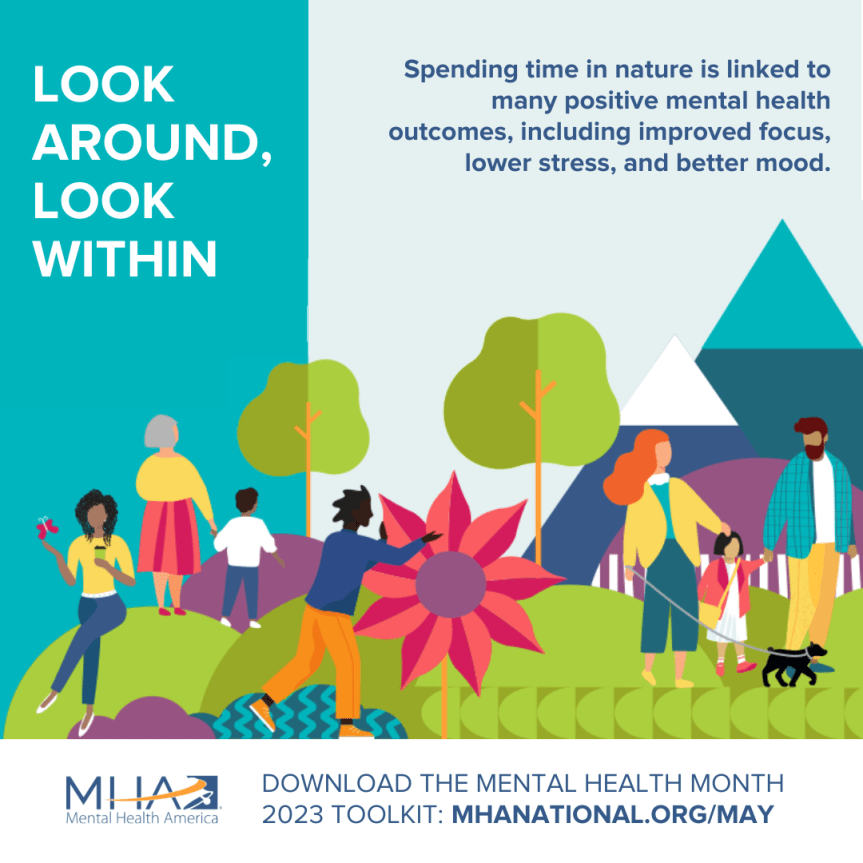
Discover the Power of Natural for Your Mental Health!

Unlock the positive impact of nature on your mental well-being with Mental Health of America’s fact sheet.

Learn how spending time in green and blue spaces can lower stress, boost mood, and improve focus. Download now to embrace the benefits of nature in your everyday life!


Shop The Caregiver Cafe E-Commerce Store!

We founded The Caregiver Cafe Shopify Store with one simple goal: to help you experiment with your passion while at the same time providing amazing prices. We were tired of cookie-cutter stores with lackluster selections, and boring gifts. Instead of offering a huge unoriginal collection, we carefully curate just a few unique pieces perfectly suited for people the taste buds like you.

We focus on items that get you excited about shopping again, as we believe buying online should always be fun!


Join us at The Caregiver Cafe Podcast as we delve into the emotional journey of moving your loved ones out of their homes. Discover expert advice on approaching the situation with empathy, involving your loved ones in the decision-making process, and finding the right balance between their desires and safety. Tune in to this episode to gain valuable insights and make the transition smoother for your parents or loved ones!

When considering moving your parents or loved ones out of their homes, it’s important to approach the situation with empathy and understanding.

Communicate openly, involve them in the decision-making process, and explore alternatives that balance their desires with their safety and well-being.

Due to the emotional attachment, your parents or loved ones have towards their home, this move can affect them more than you expect.

In this episode, I share how one can make it easy for their parents/loved ones when moving them out of their home.

Press play to listen in.

Subscribe to The Caregiver Cafe Weekly Newsletter!

Caregiving can be a roller coaster of ups and downs. The information that you will receive from The Caregiver Cafe Weekly Specials Newsletter will support you as a caregiver. Remember…

1. YOU ARE NOT ALONE: The problems you face as a caregiver are experienced by other caregivers. Knowing that you’re not alone can be comforting. 

2. Tools and Resources:  Find caregiver stress management tools and gain perspective from other caregiver’s experiences.

3. LEARN TO: Ask for help, accept help when it is offered, and acknowledge yourself on this caregiving journey. Hear from experts on how to balance caregiving responsibilities by taking care of your needs and involving others to help manage the natural stress and isolation of being a caregiver.