Navigating VA Benefits: Respite Care Options for Veterans in Hospitals

By Roz Jones

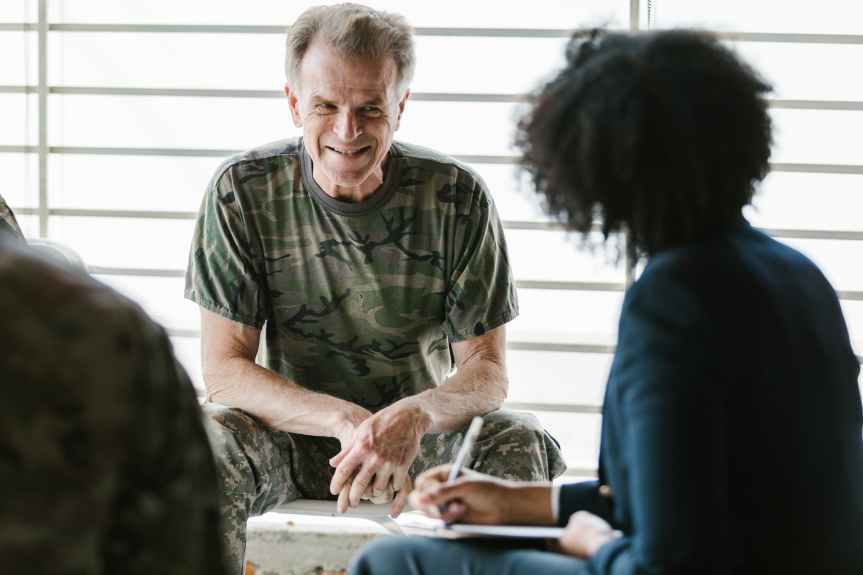
Respite care is not only a valuable resource for caregivers but also a way to ensure that our veterans receive the high-quality care they deserve. Join me as we navigate the journey of accessing respite care benefits through the Department of Veterans Affairs (VA).

The Essence of Respite Care

Caregiving is a noble endeavor, but it can also be physically and emotionally demanding. Respite care provides caregivers with a temporary break, allowing them to rest, recharge, and prioritize their well-being. For veterans who require hospital care, respite care ensures that they continue to receive necessary medical attention while caregivers take a well-deserved pause. It’s a win-win situation that safeguards the health of both caregivers and veterans.

The Role of VA Benefits

Respite care for veterans in hospitals is a crucial service made possible through VA benefits. The Department of Veterans Affairs recognizes the importance of respite care and offers programs to support caregivers and veterans. These programs provide funding and assistance for temporary caregiving arrangements, ensuring that veterans receive uninterrupted care even when their primary caregivers take a break.

Exploring Respite Care Options

Let’s delve into the respite care options available for veterans in hospitals and how caregivers can access these resources:

  • Hospital Respite Care: VA benefits encompass hospital respite care, allowing veterans to receive temporary medical care in a hospital setting. This care is provided by trained medical professionals, ensuring that veterans’ medical needs are met.
  • Caregiver Support Programs: The VA offers caregiver support programs that guide caregivers through the process of accessing respite care benefits. These programs provide information, assistance with documentation, and connections to available resources.
  • Application Process: Caregivers can initiate the application process by contacting their local VA medical center or clinic. VA representatives will provide guidance on eligibility criteria, required documentation, and the application process itself.
  • Coordination and Scheduling: Once eligibility is determined, caregivers and VA representatives will work together to coordinate and schedule hospital respite care. This ensures a seamless transition for both the caregiver and the veteran.

Advocating for Caregivers and Veterans

As caregivers, your dedication to our veterans is invaluable, and accessing respite care benefits is a proactive way to ensure you can continue providing the best care possible. By taking care of yourselves, you’re enhancing your ability to care for our veterans effectively. Remember, seeking support and utilizing available resources is a sign of strength, not weakness. The VA benefits are designed to acknowledge and honor your commitment.

Accessing respite care benefits through VA programs is a powerful way to prioritize the well-being of both caregivers and veterans. By connecting with the appropriate VA services and tapping into available benefits, caregivers can access the support they need to continue their essential role in the lives of our veterans.

If you have an aging loved one who is a veteran, I have some valuable information to share with you. Your aging loved one may be eligible for important Veterans Benefits. Check out Patriot Angels, a company that specializes in assisting veterans and their families. To explore these benefits and find out if your loved one qualifies, I encourage you to get in touch with them. When you reach out, remember to ask for Mali Covington, and kindly let her know that you were referred by Roz Jones with Roz Jones Enterprises. This could be a significant step towards ensuring your loved one receives the support they deserve!

Planning a Summer Vacation with an Aging Loved One? Download the FREE Checklist!

Are you embarking on a summer vacation adventure with a loved one in need of care? Whether you’re a caregiver or know someone who is, we understand the unique challenges and considerations that come with vacationing while ensuring your loved one is safe..

Make your vacation experience stress-free and enjoyable for both you and your loved one, we’re excited to offer you a free downloadable checklist!

Stay Ahead of the Storm: Download Your Free Expert Storm Guide Now!

Photo by ALTEREDSNAPS on Pexels.com

As we know, June โ€“ November is Hurricane Season. As a family caregiver, there are many ways to prepare your loved ones for it. Early preparation helps reduce opportunities for stress and anxiety as storms approach.

One of the best ways to prepare is allowing your loved on to assist in packing their travel bag, checking their contact list and ensuring there are adequate emergency supplies.

Participationโ€ฆ not isolationโ€ฆ go a long way when preparing for major storms. This Seniors Storm Guide gives essential information to refer to again and again!

We All Need A Break: How Hospital Respite Care Can Help Veterans

By Roz Jones

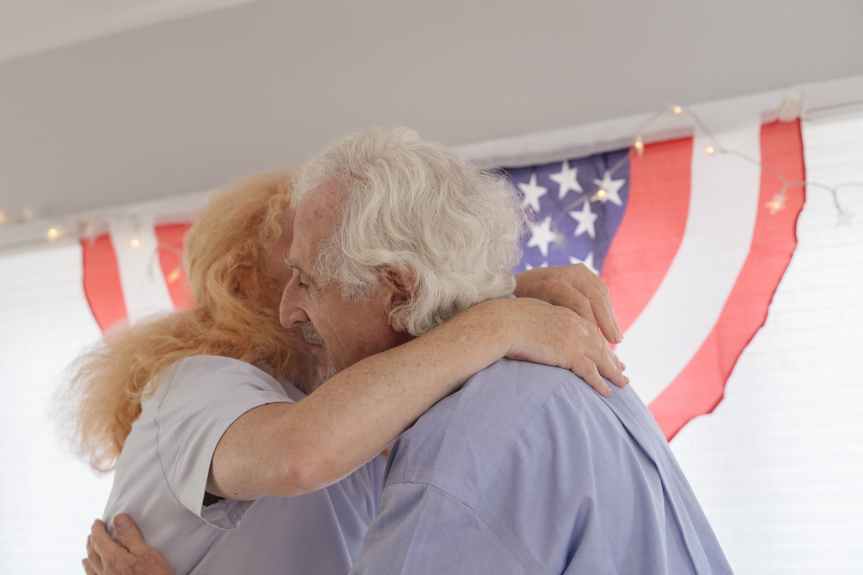
As caregivers, friends, and family members, it’s essential that we understand the resources available to veterans, particularly when it comes to their health and well-being. Join me as we delve into the realm of hospital respite care, a cornerstone of VA benefits that can make a significant difference in the lives of our veterans.

Understanding Hospital Respite Care

Caregiving for veterans is a role of honor, but it comes with its challenges. Hospital respite care is a vital service that aims to support both veterans and caregivers by providing a temporary break for caregivers while ensuring that veterans receive the care they need. This service is especially beneficial when veterans require hospital-level medical attention, and caregivers could use some time to rest and recharge.

The Role of VA Benefits

VA benefits are a testament to our nation’s gratitude for veterans’ service and sacrifices. These benefits encompass a wide range of services, including healthcare, financial assistance, education support, and more. Hospital respite care is one of the ways that VA benefits address the unique needs of veterans and caregivers, ensuring that high-quality care is provided on all fronts.

The Benefits of Hospital Respite Care

Let’s take a closer look at how hospital respite care can benefit veterans and caregivers alike:

  • Support for Caregivers: Caregiving can be physically and emotionally demanding. Hospital respite care offers caregivers the opportunity to take a well-deserved break, allowing them to recharge and prioritize their own well-being.
  • Continuity of Care: For veterans with medical needs that require hospital care, hospital respite care ensures that their medical treatment remains uninterrupted even when their primary caregivers take a break.
  • Quality Care: Hospital respite care is provided by trained medical professionals, ensuring that veterans receive the necessary medical attention and expertise during their stay.
  • Preventing Burnout: Caregiver burnout is a real concern, and hospital respite care serves as a preventive measure to help caregivers avoid exhaustion and maintain their ability to provide quality care.

Accessing Hospital Respite Care

Understanding how to access hospital respite care through VA benefits is essential for caregivers and veterans. Here’s a general guide to navigating the process:

  • Connect with VA Services: Reach out to your local VA medical center or clinic to inquire about hospital respite care options and the application process.
  • Eligibility Assessment: The VA will assess the veteran’s eligibility for hospital respite care benefits. Eligibility criteria may include the need for medical care, service-connected disabilities, and other factors.
  • Documentation: Prepare the necessary documentation, which may include medical records, service records, and other relevant information.
  • Application Process: Follow the steps provided by the VA facility to initiate the application process for hospital respite care benefits.

Hospital respite care is a beacon of support for both veterans and caregivers, ensuring that high-quality care is provided while caregivers take much-needed breaks. Through VA benefits, our nation acknowledges the dedication of caregivers and the sacrifices of veterans, offering resources that enhance their well-being.

If you have an aging loved one who is a veteran, I have some valuable information to share with you. Your aging loved one may be eligible for important Veterans Benefits. Check outย Patriot Angels,ย a company that specializes in assisting veterans and their families. To explore these benefits and find out if your loved one qualifies, I encourage you to get in touch with them. When you reach out, remember to ask for Mali Covington, and kindly let her know that you were referred by Roz Jones with Roz Jones Enterprises. This could be a significant step towards ensuring your loved one receives the support they deserve!

Planning a Summer Vacation with an Aging Loved One? Download the FREE Checklist!

Are you embarking on a summer vacation adventure with a loved one in need of care? Whether you’re a caregiver or know someone who is, we understand the unique challenges and considerations that come with vacationing while ensuring your loved one is safe..

Make your vacation experience stress-free and enjoyable for both you and your loved one, we’re excited to offer you a free downloadable checklist!

Stay Ahead of the Storm: Download Your Free Expert Storm Guide Now!

Photo by ALTEREDSNAPS on Pexels.com

As we know, June โ€“ November is Hurricane Season. As a family caregiver, there are many ways to prepare your loved ones for it. Early preparation helps reduce opportunities for stress and anxiety as storms approach.

One of the best ways to prepare is allowing your loved on to assist in packing their travel bag, checking their contact list and ensuring there are adequate emergency supplies.

Participationโ€ฆ not isolationโ€ฆ go a long way when preparing for major storms. This Seniors Storm Guide gives essential information to refer to again and again!

The Power of Connection, Community, and Conversation for Alzheimer’s Caregivers

By Roz Jones

Caring for someone with Alzheimer’s disease can be an incredibly challenging and emotionally demanding journey. Effective communication is one of the most powerful tools that caregivers have at their disposal. Establishing a strong connection with their loved ones can significantly enhance their quality of life, reduce anxiety, and foster a sense of trust. In this blog, we will delve into the importance of communication in Alzheimer’s caregiving and provide practical strategies to navigate this role with compassion and support. Additionally, we will discuss the latest news about Rosalynn Carter’s diagnosis of dementia, further emphasizing the need for awareness and support.

Understanding Communication Challenges:

Alzheimer’s disease progressively impairs cognitive abilities, including language, comprehension, and memory. This results in difficulties expressing thoughts and emotions, as well as understanding others. Recognizing these challenges is crucial for effective communication. It’s important to remember that behavior and communication skills may change over time, requiring adaptability and patience from caregivers. Recent news about Rosalynn Carter’s diagnosis of dementia highlights the importance of understanding these challenges and seeking appropriate support.

Non-Verbal Communication:

When verbal communication becomes challenging, non-verbal cues become invaluable in bridging the communication gap. Facial expressions, touch, and body language can convey love, comfort, and reassurance. Maintaining eye contact, using gentle gestures, and employing a calm and soothing tone of voice can help individuals with Alzheimer’s feel understood and valued, even if they struggle to find the right words. These techniques remain crucial in light of the recent news about Rosalynn Carter, as they emphasize the significance of alternative communication methods.

Simplify and Clarify:

As Alzheimer’s progresses, using simple and concise language becomes essential. Speaking slowly and clearly, allowing ample time for processing and response, is crucial. Visual aids, such as pictures or written cues, can enhance comprehension. Breaking down tasks and instructions into manageable steps, focusing on one concept at a time, helps simplify communication and encourages participation while reducing frustration. These strategies remain relevant in light of the recent news about Rosalynn Carter, as they remind us of the importance of adapting communication techniques to meet individuals’ evolving needs.

Active Listening and Validation:

Active listening and validating emotions are powerful ways to connect with individuals with Alzheimer’s. Showing genuine interest through eye contact and nodding in acknowledgment, and responding with empathy and understanding, holds tremendous value, even if their words seem confused or disconnected. Recent news about Rosalynn Carter’s diagnosis underscores the significance of active listening and validation, as they demonstrate the importance of empathetic responses to individuals living with dementia.

Seek Support and Education:

Being a caregiver is not a journey meant to be tackled alone. Seeking support from Alzheimer’s associations, local support groups, or online communities is crucial. These resources provide valuable advice, emotional support, and a safe space to share experiences with others who understand the challenges caregivers face. Educating oneself about the disease, its progression, and available resources empowers caregivers to provide better care. The news about Rosalynn Carter serves as a reminder that seeking support and education is essential for caregivers, regardless of their personal experiences.

Effective communication is a powerful tool for Alzheimer’s caregivers. Understanding the unique communication challenges that arise with the disease, employing non-verbal cues, simplifying language, actively listening, and seeking support are all crucial steps in enhancing the connection with loved ones and providing them with the care, comfort, and understanding they need. The recent news about Rosalynn Carter’s diagnosis further emphasizes the importance of awareness, support, and ongoing research in the field of dementia. By nurturing meaningful connections, caregivers can make a profound difference in the lives of those living with Alzheimer’s.

Stay Ahead of the Storm: Download Your Free Expert Storm Guide Now!

Photo by ALTEREDSNAPS on Pexels.com

As we know, June โ€“ November is Hurricane Season. As a family caregiver, there are many ways to prepare your loved ones for it. Early preparation helps reduce opportunities for stress and anxiety as storms approach.

One of the best ways to prepare is allowing your loved on to assist in packing their travel bag, checking their contact list and ensuring there are adequate emergency supplies.

Participationโ€ฆ not isolationโ€ฆ go a long way when preparing for major storms. This Seniors Storm Guide gives essential information to refer to again and again!


Stay Connected!

Navigating Boundaries When Caregiving for a Former Spouse

By Roz Jones

When you become a caregiver for a former spouse, it can be difficult to know how to navigate the boundaries of your new relationship. On one hand, you may feel a sense of obligation to provide care for someone you once loved and shared a life with. On the other hand, you may struggle to maintain healthy boundaries and prioritize your own needs while caregiving. In this blog, we’ll discuss some tips for navigating boundaries when caregiving for a former spouse.

Define your caregiving role. Before you begin caregiving, it’s important to have a clear understanding of what your role will entail. Discuss expectations and boundaries with your former spouse, and make sure you both have a clear understanding of what you can and cannot provide.

Set boundaries for communication. It’s important to establish clear boundaries around communication, especially if your former spouse is struggling with an illness that may affect their emotional state. Decide how often you will communicate and what types of communication are appropriate.

Make time for yourself. Caregiving can be emotionally and physically taxing, and it’s important to prioritize your own self-care. Make time for yourself, whether it’s by taking a walk, engaging in a hobby, or spending time with friends.

Seek support. Caregiving can be isolating, especially if you are caring for a former spouse. Seek support from friends, family, or a therapist to help you cope with the challenges of caregiving.

Consider legal and financial boundaries. Depending on your situation, it may be necessary to set legal and financial boundaries to protect yourself and your former spouse. Consult with a lawyer or financial advisor to understand your options.

By setting clear boundaries and prioritizing your own needs, you can navigate the challenges of caregiving for a former spouse with greater ease and confidence. Remember that caregiving is a difficult but noble role and that taking care of yourself is just as important as taking care of your loved one.

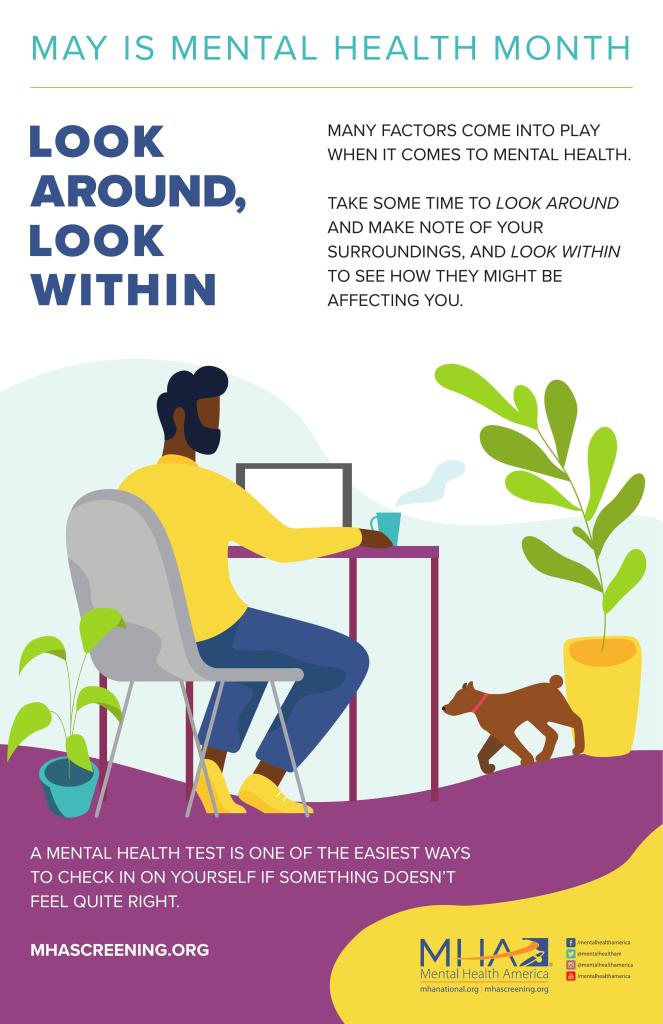
Unlock and Shape Your Home’s Environment for Your Mental Health

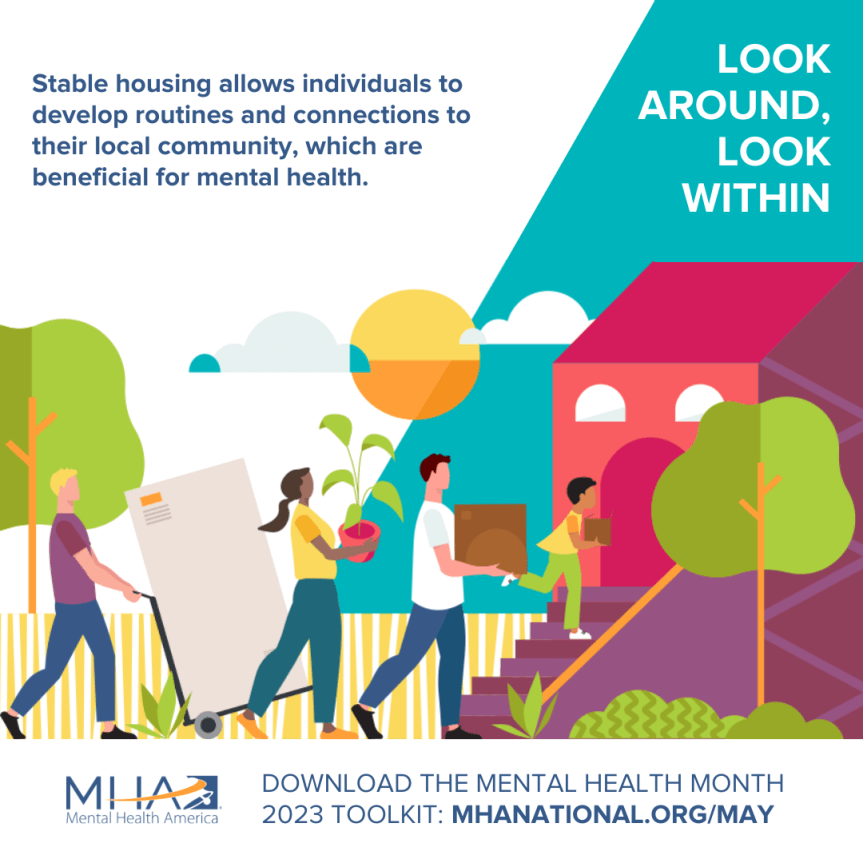
Discover the power of your surroundings with Mental Health America’s worksheet designed to transform your home into a nurturing and uplifting sanctuary. In this interactive guide, you’ll explore the profound impact your living space has on your mental well-being and learn practical steps to optimize your home environment for greater tranquility and happiness. From simple decluttering techniques to incorporating soothing elements, this worksheet will empower you to create a harmonious atmosphere that promotes mental health and rejuvenation. Don’t miss out on this opportunity to shape your surroundings and cultivate a space that supports your emotional well-being. Complete the worksheet today and embark on a journey to transform your home into a haven of serenity and positivity.


Stay Connected!

Mental Health and Caregiving for Older Adults: What You Need to Know

By Roz Jones

As we age, our physical and mental health can decline, making it difficult to complete daily tasks without assistance. Family members and loved ones may step in as caregivers to provide support and ensure the well-being of older adults. However, caregiving can take a toll on one’s mental health, and it’s important to recognize the signs and seek support to prevent caregiver burnout.

In this blog, we will discuss the relationship between mental health and caregiving for older adults, and provide tips and resources for maintaining good mental health while providing care.

The Impact of Caregiving on Mental Health

Caregiving can be a rewarding experience, but it can also be stressful and emotionally draining. Many caregivers face a significant amount of stress and anxiety, which can take a toll on their mental health over time. According to the Family Caregiver Alliance, caregivers are at higher risk for depression and anxiety than non-caregivers.

Caregivers may also experience feelings of guilt, frustration, and burnout, as they strive to provide the best care possible for their loved one. The demands of caregiving can lead to a lack of sleep, social isolation, and neglecting one’s own physical and emotional needs, which can have a negative impact on mental health.

Tips for Maintaining Good Mental Health while Caregiving

It’s essential to prioritize self-care while caregiving for older adults. This can include seeking support from family and friends, joining a support group, or seeking professional counseling. It’s also important to take breaks and engage in activities that bring joy and relaxation.

Another tip is to stay organized and create a routine. This can help to reduce stress and anxiety by creating a sense of structure and predictability in the caregiving role. It’s also important to communicate with the older adult being cared for about their needs and preferences and to involve them in decision-making whenever possible.

Resources for Caregivers

There are a variety of resources available to support caregivers and their mental health. The National Alliance for Caregiving offers online support groups, caregiver education, and resources for financial and legal assistance. The Family Caregiver Alliance provides information and resources on caregiver health and wellness, as well as advocacy and policy efforts.

Caring for older adults can be a rewarding experience, but it can also take a toll on one’s mental health. It’s important to recognize the signs of caregiver burnout and prioritize self-care while providing care. By seeking support and utilizing resources, caregivers can maintain good mental health and provide effective care for their loved ones.


Unlock Your Mental Well-being: Take the First Step with a Mental Health Screening

Unlock the potential for a healthier and happier you this Mental Health Awareness Month. Start your journey towards emotional well-being by taking a decisive step with a mental health screening at MHAScreening.org. Much like a regular physical check-up, a mental health screening provides an invaluable opportunity to assess and address any underlying concerns. Don’t ignore that nagging feeling that something isn’t quite rightโ€”take action and prioritize your mental health today.

This mental health screening covers a wide range of important topics, including stress management, anxiety, depression, and more. Whether you’ve been experiencing persistent feelings of unease or simply want to gain a deeper understanding of your emotions, this screening is a vital tool to help you regain control of your mental health. Don’t let concerns go unaddressed or escalate into something more challenging to manage. Visit MHAScreening.org now, and unlock the power of self-awareness and proactive well-being. Together, let’s break down the barriers surrounding mental health and embark on a transformative journey toward a brighter future.


Stay Connected!