VA Respite Care Options Aging Veteran Caregivers Should Know About

By Roz Jones

Caring for an aging veteran often becomes more complex as health, mobility, memory, and daily living needs change. What may have started as helping with transportation or managing appointments can gradually expand into assistance with medications, bathing, dressing, meals, mobility, supervision, and other responsibilities.

For family caregivers, those changes can make it increasingly difficult to step away from caregiving, even for a few hours.

Respite care remains one of the resources available through the Department of Veterans Affairs to help eligible veterans receive short-term support while their family caregiver takes a needed break. In 2026, VA respite care is not limited to a hospital or nursing facility. Depending on eligibility, clinical need, local availability, and the services offered through the veteran’s VA health care system, respite may take place in the veteran’s home, through an adult day health care program, or in a nursing home setting.

Understanding these options can help families build respite into the care plan before caregiver exhaustion makes temporary relief an urgent need.

Respite Care Can Follow the Veteran’s Changing Needs

Aging does not look the same for every veteran.

One veteran may remain largely independent but need supervision because of memory loss. Another may need help with bathing, dressing, preparing meals, or safely moving throughout the home. Some families may be managing several chronic conditions at the same time.

VA respite care is intended for veterans whose care needs make additional support necessary, including veterans who need assistance with activities of daily living, experience isolation, or have caregivers experiencing significant caregiver burden. VA also allows respite care to be used alongside other home and community-based services.

This is important for caregivers of aging loved ones because respite does not have to replace the existing care plan.

It can become one part of it.

A veteran may already receive home health services, attend an adult day program, or receive other support through the VA. Respite care may provide another layer of assistance when the primary caregiver needs time away.

Home Respite Care Can Help Veterans Remain in Familiar Surroundings

For some aging veterans, remaining at home during a caregiver’s absence may be the most comfortable option.

VA home respite care may allow a paid home health aide to come into the veteran’s home while the caregiver attends appointments, handles errands, spends time with family, or simply takes time away from caregiving responsibilities. Another option may be for the veteran to attend an adult day health care program while the caregiver has time away from the home.

For veterans living with dementia, mobility limitations, or other conditions that can make unfamiliar environments difficult, having care provided in or near familiar surroundings may help reduce disruption.

Adult Day Health Care can also provide more than supervision. VA describes these programs as offering social activities, companionship, recreation, care, and support during the day.

For an aging loved one who has become increasingly isolated at home, that additional social connection may become an important part of maintaining quality of life.

Nursing Home Respite Can Support Longer Caregiver Breaks

There are times when several hours of respite are not enough.

A caregiver may need to travel.

They may need surgery or medical treatment of their own.

A family emergency may require them to leave town.

They may simply need several consecutive days to recover from the physical and emotional demands of caregiving.

Nursing home respite care allows an eligible veteran to temporarily stay in a VA Community Living Center or participating community nursing home while the caregiver is away. VA recommends scheduling this type of respite in advance, and availability can vary depending on location.

As of 2026, VA nursing home respite care is available for a maximum of 30 days per calendar year for veterans who meet the requirements for the service.

That does not mean every caregiver has to use those days at one time.

Families can work with the veteran’s VA care team to better understand how available respite services may fit their particular situation.

VA Respite Care Is Based on More Than Veteran Status

One important distinction for caregivers is that being a veteran does not automatically guarantee access to every respite option.

According to the VA, enrolled veterans may be eligible for respite care when they meet the clinical criteria for the service and the service is available in their area. When respite is provided through a community agency, adult day health care center, or community nursing home, the veteran must also meet VA community care eligibility requirements.

This makes communication with the veteran’s VA social worker, case manager, primary care team, or Caregiver Support Team especially important.

A caregiver should be prepared to discuss what assistance their aging loved one currently requires, how much care they are providing, whether the veteran can safely remain alone, and where caregiver strain is beginning to affect the household.

Those conversations help the VA care team determine what services may be appropriate.

The Program of Comprehensive Assistance for Family Caregivers Remains Important in 2026

Families caring for veterans with substantial personal care needs should also understand the Program of Comprehensive Assistance for Family Caregivers, commonly known as PCAFC.

In 2026, qualifying veterans must generally be enrolled in VA health care, have a VA disability rating of at least 70%, and require at least six months of continuous, in-person personal care services. Those services may involve everyday needs such as feeding, bathing, dressing, safety, protection, or instruction within the veteran’s daily environment.

Eligible veterans may designate one Primary Family Caregiver and up to two Secondary Family Caregivers.

Primary Family Caregivers may receive additional support through the program, including a monthly stipend, certain health care benefits, mental health support, legal and financial planning assistance related to the veteran’s needs, and at least 30 days of respite care each year.

Families who do not qualify for PCAFC should not assume that all caregiver support is unavailable. VA also offers the Program of General Caregiver Support Services and other resources for caregivers of veterans enrolled in VA health care.

Caregivers Should Also Ask About the Cost

Respite care through the VA is not always automatically free.

In 2026, the VA states that geriatric and extended care services generally do not require a copay for the first 21 days of care within a 12-month period. Beginning with the 22nd day, costs may depend on the type of care provided and financial information submitted through VA Form 10-10EC.

The current maximum copay listed by the VA is up to $97 per day for certain inpatient extended care services, which include overnight respite care, and up to $15 per day for certain outpatient services, including daily respite care. Actual costs depend on the veteran’s circumstances.

Before scheduling care, families should ask whether a copay will apply so there are no unexpected financial surprises.

Respite Should Become Part of Long-Term Care Planning

Many families begin exploring respite only after caregiving has become overwhelming.

For caregivers of aging veterans, it is better to begin the conversation earlier.

An aging loved one who currently needs only occasional assistance may require considerably more care later. Falls, cognitive decline, hospitalization, medication changes, loss of mobility, or progression of a chronic condition can quickly change what is manageable at home.

VA currently offers several home and community-based services that may support aging veterans, including Homemaker and Home Health Aide services, Adult Day Health Care, Home-Based Primary Care, skilled home health care, respite care, and other long-term care options.

Families do not have to wait until one caregiver can no longer meet every need before learning what is available.

That preparation is part of caregiving too.

In Understanding VA Benefits: Respite Care Eligibility for Veterans at Hospitals, we introduced respite care and the VA resources caregivers may be able to access. As veterans age and care needs become more complex, the next step is understanding how those benefits can fit into a broader plan for care at home, in the community, and during periods when the primary caregiver needs relief.

Respite care cannot remove every responsibility that comes with caring for an aging veteran.

What it can do is make sure one person is not expected to carry those responsibilities without relief.

Aging veterans deserve care that adapts as their needs change.

Their caregivers deserve a care plan that adapts too.

Prepare for Your Next Trip

Planning to travel with an aging loved one? Download the free Vacationing with an Aging Loved One Checklist to help you prepare for medications, mobility needs, comfort, safety, and unexpected changes.

Tune in to The Caregiver Café Podcast

Coping Tips for the Overwhelmed Caregiver

In this episode of The Caregiver Café with Roz Jones, Roz is talking about something many caregivers know all too well: feeling overwhelmed while caring for an aging loved one.

Caregiving can be an all-consuming and demanding role. Between doctor’s appointments, medications, meals, daily routines, work responsibilities, and trying to care for yourself, it can start to feel like too much. But Roz reminds caregivers that overwhelm does not always mean you are failing. Sometimes it means you need a better system, more support, and a little more preparation.

Roz breaks down practical coping tips caregivers can use to reduce stress and create more breathing room in their day. She talks about the power of routines, using a calendar or planner, writing down appointments, preparing in advance, and building in extra time so caregivers are not always rushing from one thing to the next.

Give Yourself a Moment of Grace

Caregiving includes demanding days, unexpected changes, and moments of connection that may be easy to overlook. Moments of Grace offers encouragement to caregivers who need a reminder to pause and recognize the meaningful moments along the journey.

Preparing for hurricane season?
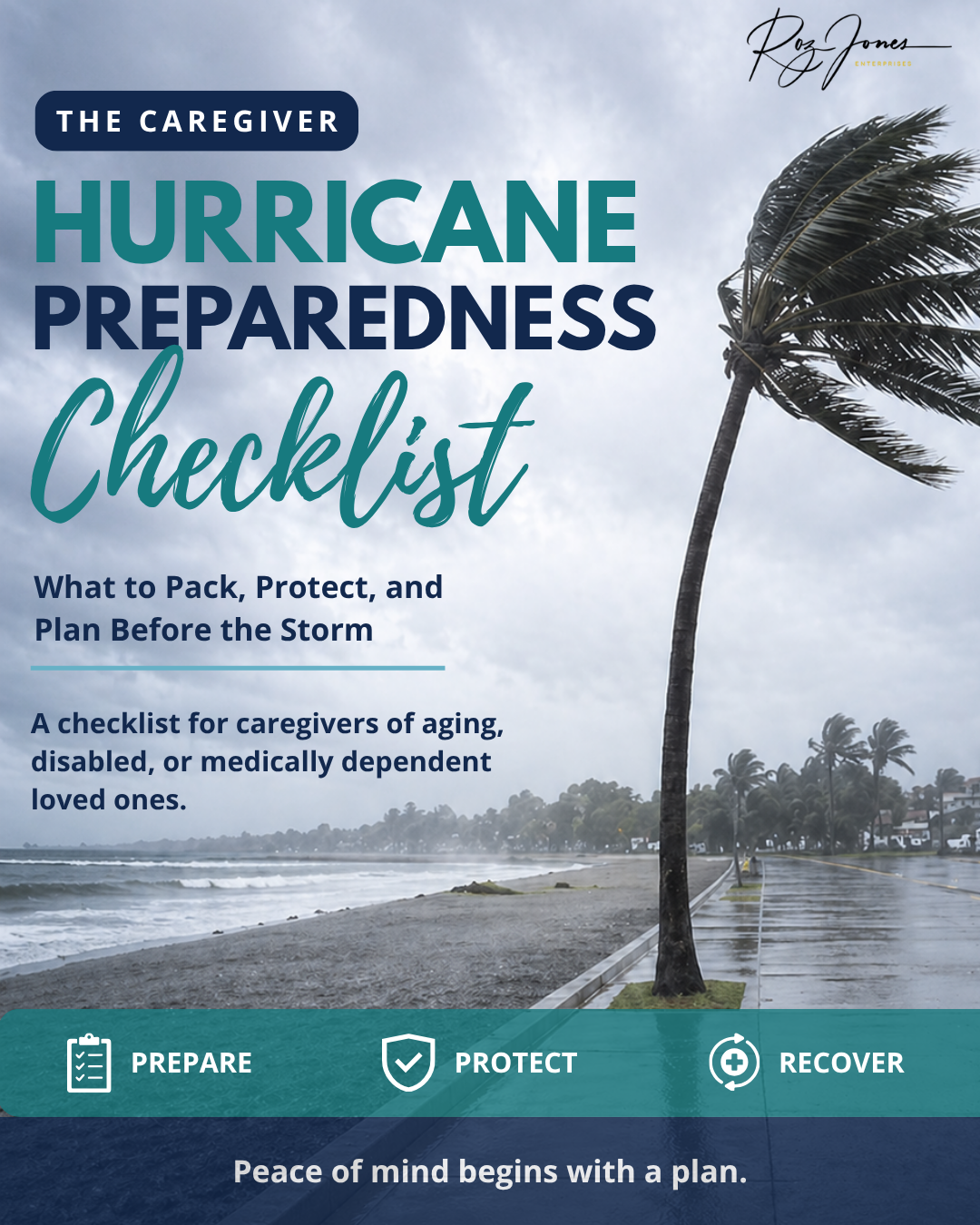
The Caregiver Hurricane Preparedness Checklist.

Are you preparing for hurricane season? Purchase the Caregiver Hurricane Preparedness Checklist to organize the information and supplies your family may need before severe weather arrives.

Subscribe to The Caregiver Cafe Weekly Newsletter!

Caregiving can be a roller coaster of ups and downs. The information that you will receive from The Caregiver Cafe Weekly Specials Newsletter will support you as a caregiver. Remember…

1. YOU ARE NOT ALONE: The problems you face as a caregiver are experienced by other caregivers. Knowing that you’re not alone can be comforting. 

2. Tools and Resources:  Find caregiver stress management tools and gain perspective from other caregiver’s experiences.

3. LEARN TO: Ask for help, accept help when it is offered, and acknowledge yourself on this caregiving journey. Hear from experts on how to balance caregiving responsibilities by taking care of your needs and involving others to help manage the natural stress and isolation of being a caregiver. 

Join Me in Shaping My New E-Book Cover!

By Roz Jones

It’s a pleasure to reach out to all of you with an exclusive opportunity that’s close to my heart. My upcoming e-book, “Don’t March Past Your Benefits: A Resource Guide for Veteran Caregivers,” is a project born out of love, compassion, and the unwavering dedication you all show in your roles as caregivers. Today, I invite you to be part of something extraordinary – the chance to influence the design of our e-book cover.

Your role in shaping this cover is pivotal. You’ve walked this path, and you understand the significance of this guide. The cover sets the tone, giving potential readers their first glimpse into the wealth of knowledge and support it contains. Your voice matters more than you can imagine, and I truly value your insights.

I believe that you, the caregiver community, are the heart and soul of this project. Your feedback will guide us in creating a cover that resonates with you and the countless others who dedicate themselves to the care of our veterans.

This is more than just voting for a design; it’s an opportunity to actively participate in our creative process. Your choice will shape the visual representation of the dedication and support you provide every day. This is your moment to make a lasting impact on a project that celebrates the incredible work you do.

I eagerly await to see which cover option you’ll select. Your unwavering dedication to your loved ones and our veterans deserves to be celebrated in the best way possible.

Let’s make this e-book shine!

Deadline to Vote: Monday, November 6, 2023 @ 11:59 PM ET

CLICK THE LINK TO TAKE THE SURVEY!

Don’t let this chance pass you by. Your voice, your choice – let’s create an e-book cover that reflects the exceptional support and care you provide every day. Together, we’ll shape the future of veteran caregiver resources.

Thank you for being an integral part of my caregiver community, and for your dedication to your loved ones. Let’s make a difference together.

Navigating VA Benefits: Respite Care Options for Veterans in Hospitals

By Roz Jones

Respite care is not only a valuable resource for caregivers but also a way to ensure that our veterans receive the high-quality care they deserve. Join me as we navigate the journey of accessing respite care benefits through the Department of Veterans Affairs (VA).

The Essence of Respite Care

Caregiving is a noble endeavor, but it can also be physically and emotionally demanding. Respite care provides caregivers with a temporary break, allowing them to rest, recharge, and prioritize their well-being. For veterans who require hospital care, respite care ensures that they continue to receive necessary medical attention while caregivers take a well-deserved pause. It’s a win-win situation that safeguards the health of both caregivers and veterans.

The Role of VA Benefits

Respite care for veterans in hospitals is a crucial service made possible through VA benefits. The Department of Veterans Affairs recognizes the importance of respite care and offers programs to support caregivers and veterans. These programs provide funding and assistance for temporary caregiving arrangements, ensuring that veterans receive uninterrupted care even when their primary caregivers take a break.

Exploring Respite Care Options

Let’s delve into the respite care options available for veterans in hospitals and how caregivers can access these resources:

  • Hospital Respite Care: VA benefits encompass hospital respite care, allowing veterans to receive temporary medical care in a hospital setting. This care is provided by trained medical professionals, ensuring that veterans’ medical needs are met.
  • Caregiver Support Programs: The VA offers caregiver support programs that guide caregivers through the process of accessing respite care benefits. These programs provide information, assistance with documentation, and connections to available resources.
  • Application Process: Caregivers can initiate the application process by contacting their local VA medical center or clinic. VA representatives will provide guidance on eligibility criteria, required documentation, and the application process itself.
  • Coordination and Scheduling: Once eligibility is determined, caregivers and VA representatives will work together to coordinate and schedule hospital respite care. This ensures a seamless transition for both the caregiver and the veteran.

Advocating for Caregivers and Veterans

As caregivers, your dedication to our veterans is invaluable, and accessing respite care benefits is a proactive way to ensure you can continue providing the best care possible. By taking care of yourselves, you’re enhancing your ability to care for our veterans effectively. Remember, seeking support and utilizing available resources is a sign of strength, not weakness. The VA benefits are designed to acknowledge and honor your commitment.

Accessing respite care benefits through VA programs is a powerful way to prioritize the well-being of both caregivers and veterans. By connecting with the appropriate VA services and tapping into available benefits, caregivers can access the support they need to continue their essential role in the lives of our veterans.

If you have an aging loved one who is a veteran, I have some valuable information to share with you. Your aging loved one may be eligible for important Veterans Benefits. Check out Patriot Angels, a company that specializes in assisting veterans and their families. To explore these benefits and find out if your loved one qualifies, I encourage you to get in touch with them. When you reach out, remember to ask for Mali Covington, and kindly let her know that you were referred by Roz Jones with Roz Jones Enterprises. This could be a significant step towards ensuring your loved one receives the support they deserve!

Planning a Summer Vacation with an Aging Loved One? Download the FREE Checklist!

Are you embarking on a summer vacation adventure with a loved one in need of care? Whether you’re a caregiver or know someone who is, we understand the unique challenges and considerations that come with vacationing while ensuring your loved one is safe..

Make your vacation experience stress-free and enjoyable for both you and your loved one, we’re excited to offer you a free downloadable checklist!

Stay Ahead of the Storm: Download Your Free Expert Storm Guide Now!

Photo by ALTEREDSNAPS on Pexels.com

As we know, June – November is Hurricane Season. As a family caregiver, there are many ways to prepare your loved ones for it. Early preparation helps reduce opportunities for stress and anxiety as storms approach.

One of the best ways to prepare is allowing your loved on to assist in packing their travel bag, checking their contact list and ensuring there are adequate emergency supplies.

Participation… not isolation… go a long way when preparing for major storms. This Seniors Storm Guide gives essential information to refer to again and again!


We All Need A Break: How Hospital Respite Care Can Help Veterans

By Roz Jones

As caregivers, friends, and family members, it’s essential that we understand the resources available to veterans, particularly when it comes to their health and well-being. Join me as we delve into the realm of hospital respite care, a cornerstone of VA benefits that can make a significant difference in the lives of our veterans.

Understanding Hospital Respite Care

Caregiving for veterans is a role of honor, but it comes with its challenges. Hospital respite care is a vital service that aims to support both veterans and caregivers by providing a temporary break for caregivers while ensuring that veterans receive the care they need. This service is especially beneficial when veterans require hospital-level medical attention, and caregivers could use some time to rest and recharge.

The Role of VA Benefits

VA benefits are a testament to our nation’s gratitude for veterans’ service and sacrifices. These benefits encompass a wide range of services, including healthcare, financial assistance, education support, and more. Hospital respite care is one of the ways that VA benefits address the unique needs of veterans and caregivers, ensuring that high-quality care is provided on all fronts.

The Benefits of Hospital Respite Care

Let’s take a closer look at how hospital respite care can benefit veterans and caregivers alike:

  • Support for Caregivers: Caregiving can be physically and emotionally demanding. Hospital respite care offers caregivers the opportunity to take a well-deserved break, allowing them to recharge and prioritize their own well-being.
  • Continuity of Care: For veterans with medical needs that require hospital care, hospital respite care ensures that their medical treatment remains uninterrupted even when their primary caregivers take a break.
  • Quality Care: Hospital respite care is provided by trained medical professionals, ensuring that veterans receive the necessary medical attention and expertise during their stay.
  • Preventing Burnout: Caregiver burnout is a real concern, and hospital respite care serves as a preventive measure to help caregivers avoid exhaustion and maintain their ability to provide quality care.

Accessing Hospital Respite Care

Understanding how to access hospital respite care through VA benefits is essential for caregivers and veterans. Here’s a general guide to navigating the process:

  • Connect with VA Services: Reach out to your local VA medical center or clinic to inquire about hospital respite care options and the application process.
  • Eligibility Assessment: The VA will assess the veteran’s eligibility for hospital respite care benefits. Eligibility criteria may include the need for medical care, service-connected disabilities, and other factors.
  • Documentation: Prepare the necessary documentation, which may include medical records, service records, and other relevant information.
  • Application Process: Follow the steps provided by the VA facility to initiate the application process for hospital respite care benefits.

Hospital respite care is a beacon of support for both veterans and caregivers, ensuring that high-quality care is provided while caregivers take much-needed breaks. Through VA benefits, our nation acknowledges the dedication of caregivers and the sacrifices of veterans, offering resources that enhance their well-being.

If you have an aging loved one who is a veteran, I have some valuable information to share with you. Your aging loved one may be eligible for important Veterans Benefits. Check out Patriot Angels, a company that specializes in assisting veterans and their families. To explore these benefits and find out if your loved one qualifies, I encourage you to get in touch with them. When you reach out, remember to ask for Mali Covington, and kindly let her know that you were referred by Roz Jones with Roz Jones Enterprises. This could be a significant step towards ensuring your loved one receives the support they deserve!

Planning a Summer Vacation with an Aging Loved One? Download the FREE Checklist!

Are you embarking on a summer vacation adventure with a loved one in need of care? Whether you’re a caregiver or know someone who is, we understand the unique challenges and considerations that come with vacationing while ensuring your loved one is safe..

Make your vacation experience stress-free and enjoyable for both you and your loved one, we’re excited to offer you a free downloadable checklist!

Stay Ahead of the Storm: Download Your Free Expert Storm Guide Now!

Photo by ALTEREDSNAPS on Pexels.com

As we know, June – November is Hurricane Season. As a family caregiver, there are many ways to prepare your loved ones for it. Early preparation helps reduce opportunities for stress and anxiety as storms approach.

One of the best ways to prepare is allowing your loved on to assist in packing their travel bag, checking their contact list and ensuring there are adequate emergency supplies.

Participation… not isolation… go a long way when preparing for major storms. This Seniors Storm Guide gives essential information to refer to again and again!


Prioritizing Care: Navigating VA Benefits for Hospital Respite Care Twice a Year

By Roz Jones

As caregivers, we know that caring for our heroes comes with its challenges, and accessing the right resources is vital. One such resource is hospital respite care, which offers caregivers the opportunity to take a breather while ensuring our veterans receive the quality care they deserve. Join me as we explore the steps and connections needed to tap into VA benefits for this invaluable service.

Understanding Hospital Respite Care

Caregiving for veterans can be both rewarding and demanding, often leaving caregivers in need of some respite themselves. Hospital respite care is a service designed to provide caregivers with a temporary break, allowing them to rest, rejuvenate, and tend to their own needs. During this time, veterans receive care in a hospital setting from trained medical professionals. It’s a win-win situation that prioritizes both the well-being of the veteran and the caregiver.

The Role of VA Benefits

For veterans to access hospital respite care, it’s crucial to understand the role of VA benefits in facilitating this service. The Department of Veterans Affairs (VA) offers a range of benefits to eligible veterans, including hospital respite care. This benefit allows veterans to receive short-term care in a VA medical center or other approved facilities. While caregivers provide unwavering support, these benefits acknowledge the need for caregivers to take breaks to ensure their own health and well-being.

Connecting with VA Services

To utilize VA benefits for hospital respite care, it’s essential to connect with the appropriate VA services. Here’s a step-by-step guide to help you navigate this process:

  • Contact Your Local VA Facility: Reach out to your local VA medical center or clinic. Speak to a representative who can guide you through the process and provide information on available services.
  • Determine Eligibility: The VA will assess the veteran’s eligibility for hospital respite care benefits. Eligibility criteria may include service-connected disabilities, need for medical care, and other factors.
  • Coordinate with Caregiver Support: Many VA medical centers have caregiver support programs that can guide you through the application process. They’ll help you understand the required documentation and assist you in filling out the necessary forms.
  • Submit Required Documentation: You’ll likely need to provide documentation such as medical records, a VA health assessment, and possibly a recommendation from a healthcare provider indicating the need for hospital respite care.
  • Plan Ahead: VA benefits for hospital respite care are typically provided twice a year. Plan your breaks accordingly and coordinate with the VA facility to schedule the care.

Advocating for Caregivers and Veterans

As caregivers, your dedication to our veterans is commendable, and accessing VA benefits for hospital respite care is an essential way to ensure you can continue providing the best care possible. By taking care of yourselves, you’re enhancing your ability to care for our heroes. Remember, seeking support and utilizing available resources is a sign of strength, not weakness. The VA benefits are there to acknowledge and honor your commitment.

Prioritizing care involves taking care of both our veterans and their caregivers. Hospital respite care is a valuable service that promotes the well-being of both parties. By connecting with the appropriate VA services and tapping into available benefits, caregivers can access the support they need to continue their essential role in the lives of our veterans.

If you have an aging loved one who is a veteran, I have some valuable information to share with you. Your aging loved one may be eligible for important Veterans Benefits. Check out Patriot Angels, a company that specializes in assisting veterans and their families. To explore these benefits and find out if your loved one qualifies, I encourage you to get in touch with them. When you reach out, remember to ask for Mali Covington, and kindly let her know that you were referred by Roz Jones with Roz Jones Enterprises. This could be a significant step towards ensuring your loved one receives the support they deserve!

Planning a Summer Vacation with an Aging Loved One? Download the FREE Checklist!

Are you embarking on a summer vacation adventure with a loved one in need of care? Whether you’re a caregiver or know someone who is, we understand the unique challenges and considerations that come with vacationing while ensuring your loved one is safe..

Make your vacation experience stress-free and enjoyable for both you and your loved one, we’re excited to offer you a free downloadable checklist!

Stay Ahead of the Storm: Download Your Free Expert Storm Guide Now!

Photo by ALTEREDSNAPS on Pexels.com

As we know, June – November is Hurricane Season. As a family caregiver, there are many ways to prepare your loved ones for it. Early preparation helps reduce opportunities for stress and anxiety as storms approach.

One of the best ways to prepare is allowing your loved on to assist in packing their travel bag, checking their contact list and ensuring there are adequate emergency supplies.

Participation… not isolation… go a long way when preparing for major storms. This Seniors Storm Guide gives essential information to refer to again and again!