Prioritizing Care: Navigating VA Benefits for Hospital Respite Care Twice a Year

By Roz Jones

As caregivers, we know that caring for our heroes comes with its challenges, and accessing the right resources is vital. One such resource is hospital respite care, which offers caregivers the opportunity to take a breather while ensuring our veterans receive the quality care they deserve. Join me as we explore the steps and connections needed to tap into VA benefits for this invaluable service.

Understanding Hospital Respite Care

Caregiving for veterans can be both rewarding and demanding, often leaving caregivers in need of some respite themselves. Hospital respite care is a service designed to provide caregivers with a temporary break, allowing them to rest, rejuvenate, and tend to their own needs. During this time, veterans receive care in a hospital setting from trained medical professionals. It’s a win-win situation that prioritizes both the well-being of the veteran and the caregiver.

The Role of VA Benefits

For veterans to access hospital respite care, it’s crucial to understand the role of VA benefits in facilitating this service. The Department of Veterans Affairs (VA) offers a range of benefits to eligible veterans, including hospital respite care. This benefit allows veterans to receive short-term care in a VA medical center or other approved facilities. While caregivers provide unwavering support, these benefits acknowledge the need for caregivers to take breaks to ensure their own health and well-being.

Connecting with VA Services

To utilize VA benefits for hospital respite care, it’s essential to connect with the appropriate VA services. Here’s a step-by-step guide to help you navigate this process:

  • Contact Your Local VA Facility: Reach out to your local VA medical center or clinic. Speak to a representative who can guide you through the process and provide information on available services.
  • Determine Eligibility: The VA will assess the veteran’s eligibility for hospital respite care benefits. Eligibility criteria may include service-connected disabilities, need for medical care, and other factors.
  • Coordinate with Caregiver Support: Many VA medical centers have caregiver support programs that can guide you through the application process. They’ll help you understand the required documentation and assist you in filling out the necessary forms.
  • Submit Required Documentation: You’ll likely need to provide documentation such as medical records, a VA health assessment, and possibly a recommendation from a healthcare provider indicating the need for hospital respite care.
  • Plan Ahead: VA benefits for hospital respite care are typically provided twice a year. Plan your breaks accordingly and coordinate with the VA facility to schedule the care.

Advocating for Caregivers and Veterans

As caregivers, your dedication to our veterans is commendable, and accessing VA benefits for hospital respite care is an essential way to ensure you can continue providing the best care possible. By taking care of yourselves, you’re enhancing your ability to care for our heroes. Remember, seeking support and utilizing available resources is a sign of strength, not weakness. The VA benefits are there to acknowledge and honor your commitment.

Prioritizing care involves taking care of both our veterans and their caregivers. Hospital respite care is a valuable service that promotes the well-being of both parties. By connecting with the appropriate VA services and tapping into available benefits, caregivers can access the support they need to continue their essential role in the lives of our veterans.

If you have an aging loved one who is a veteran, I have some valuable information to share with you. Your aging loved one may be eligible for important Veterans Benefits. Check outย Patriot Angels,ย a company that specializes in assisting veterans and their families. To explore these benefits and find out if your loved one qualifies, I encourage you to get in touch with them. When you reach out, remember to ask for Mali Covington, and kindly let her know that you were referred by Roz Jones with Roz Jones Enterprises. This could be a significant step towards ensuring your loved one receives the support they deserve!

Planning a Summer Vacation with an Aging Loved One? Download the FREE Checklist!

Are you embarking on a summer vacation adventure with a loved one in need of care? Whether you’re a caregiver or know someone who is, we understand the unique challenges and considerations that come with vacationing while ensuring your loved one is safe..

Make your vacation experience stress-free and enjoyable for both you and your loved one, we’re excited to offer you a free downloadable checklist!

Stay Ahead of the Storm: Download Your Free Expert Storm Guide Now!

Photo by ALTEREDSNAPS on Pexels.com

As we know, June โ€“ November is Hurricane Season. As a family caregiver, there are many ways to prepare your loved ones for it. Early preparation helps reduce opportunities for stress and anxiety as storms approach.

One of the best ways to prepare is allowing your loved on to assist in packing their travel bag, checking their contact list and ensuring there are adequate emergency supplies.

Participationโ€ฆ not isolationโ€ฆ go a long way when preparing for major storms. This Seniors Storm Guide gives essential information to refer to again and again!


Assessing the Needs of Aging Loved Ones: A Pre-Vacation Checklist

By Roz Jones

Taking a well-deserved vacation is crucial for caregivers, but it can also bring about concerns when it comes to leaving aging parents behind. In this four-part blog series, we will explore effective strategies to help caregivers plan for and ensure peace of mind while caring for their aging parents during their vacation. In this first blog, we will discuss the importance of assessing the needs of aging parents and provide a pre-vacation checklist to help caregivers prepare effectively. By taking these essential steps, caregivers can feel confident that their loved ones are well-supported and cared for in their absence.

Evaluate the Care Requirements:

The first step in preparing for a vacation while caring for aging parents is to assess their specific care needs. Consider their physical health, mobility, cognitive abilities, and any medical conditions they may have. Take note of their daily routines, medications, dietary restrictions, and any special instructions or precautions. This evaluation will provide a solid foundation for developing a comprehensive care plan.

Identify Potential Challenges:

Anticipate and identify any potential challenges that may arise during your absence. This may include issues such as mobility limitations, memory loss, medication management, or emergencies. By recognizing these challenges in advance, you can proactively address them and ensure a smoother caregiving experience for both your aging parents and the designated caregivers.

Communicate with Healthcare Professionals:

Reach out to your parents’ healthcare professionals to gain insights into their current health status. Discuss any concerns or adjustments needed during your vacation and ensure that all necessary medical supplies and prescriptions are readily available. Inform the healthcare professionals of the designated caregivers and provide them with consent to share medical information, if necessary.

Engage in Open Communication:

Maintain open and honest communication with your aging parents about your vacation plans. Discuss the arrangements you have made for their care and involve them in decision-making processes as much as possible. Address any worries or anxieties they may have, and reassure them that their needs will be met by trusted individuals in your absence.

Create a Comprehensive Care Plan:

Develop a detailed care plan that outlines all aspects of your parents’ daily routines, including meals, medication schedules, personal care, and recreational activities. Include emergency contact information, medical history, and any specific instructions for the designated caregivers. Make sure the care plan is easily accessible and provide copies to all involved parties.

Assessing the needs of aging parents and creating a pre-vacation checklist is a crucial first step in ensuring their well-being and your peace of mind while on vacation. By evaluating their care requirements, identifying potential challenges, communicating with healthcare professionals, and creating a comprehensive care plan, caregivers can prepare effectively and confidently leave their aging parents in the care of trusted individuals. In the next blog of this series, we will explore the importance of building a support network and relying on others for assistance in caring for aging parents while on vacation. Stay tuned for more valuable insights and strategies to ensure a smooth and worry-free vacation experience for both caregivers and their loved ones.

Planning a Summer Vacation with an Aging Loved One? Download the FREE Checklist!

Are you embarking on a summer vacation adventure with a loved one in need of care? Whether you’re a caregiver or know someone who is, we understand the unique challenges and considerations that come with vacationing while ensuring your loved one is safe..

Make your vacation experience stress-free and enjoyable for both you and your loved one, we’re excited to offer you a free downloadable checklist!

Stay Ahead of the Storm: Download Your Free Expert Storm Guide Now!

Photo by ALTEREDSNAPS on Pexels.com

As we know, June โ€“ November is Hurricane Season. As a family caregiver, there are many ways to prepare your loved ones for it. Early preparation helps reduce opportunities for stress and anxiety as storms approach.

One of the best ways to prepare is allowing your loved on to assist in packing their travel bag, checking their contact list and ensuring there are adequate emergency supplies.

Participationโ€ฆ not isolationโ€ฆ go a long way when preparing for major storms. This Seniors Storm Guide gives essential information to refer to again and again!


Post-Hurricane Recovery: Rebuilding and Restoring Normalcy for Aging Loved Ones

By Roz Jones

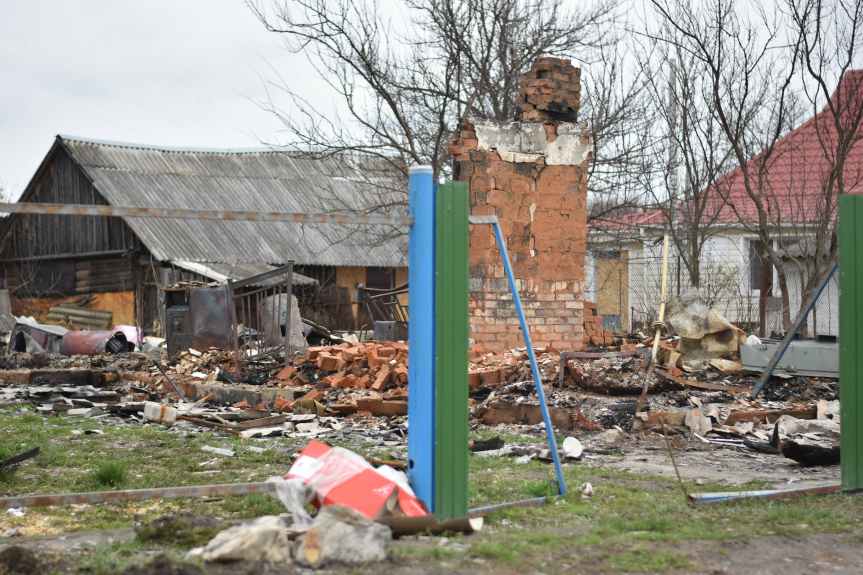
After enduring the challenges of a hurricane, caregivers of aging loved ones must shift their focus to the recovery phase. This period involves assessing and addressing any damages to the home, accessing resources for repairs or assistance, and supporting the emotional and physical recovery of your loved ones. In this blog, we will provide guidance on navigating the post-hurricane recovery process, helping caregivers restore a sense of normalcy and stability for their aging loved ones. By taking proactive steps and providing the necessary support, caregivers can help their loved ones recover and thrive in the aftermath of a hurricane.

Assessing Damages and Ensuring Safety:

The first step in post-hurricane recovery is to assess any damages to the home and ensure the safety of your loved ones. Consider the following:

  1. Structural Integrity: Inspect the home for any structural damages, such as roof leaks, foundation cracks, or compromised walls. Take necessary measures to address these issues and ensure the safety of your loved ones.
  2. Utilities: Check the functionality of essential utilities, such as electricity, water, and gas. If any of these services are disrupted or damaged, contact the appropriate service providers for repairs or restoration.
  3. Safety Hazards: Look for any potential safety hazards caused by the hurricane, such as fallen trees, debris, or broken glass. Remove or secure these hazards to prevent accidents or injuries.

Accessing Resources for Repairs and Assistance:

Recovering from a hurricane may require accessing resources for repairs and assistance. Consider the following:

  1. Insurance Claims: If you have insurance coverage, contact your insurance provider to initiate the claims process for property damages. Document the damages thoroughly with photographs and keep all related paperwork organized.
  2. Government Assistance: Research and explore any government assistance programs or grants available for hurricane recovery in your area. Check with local authorities or agencies to determine eligibility and the application process.
  3. Community Support: Seek support from local community organizations or charities that offer assistance to individuals affected by hurricanes. These resources may provide support for home repairs, temporary housing, or essential supplies.

Supporting Emotional and Physical Recovery:

In addition to addressing the practical aspects of recovery, caregivers must also support the emotional and physical well-being of their aging loved ones. Consider the following:

  1. Emotional Support: Recognize and validate any emotions your loved ones may be experiencing, such as anxiety, sadness, or frustration. Provide a listening ear and offer reassurance during this challenging time.
  2. Physical Health: Prioritize your loved one’s physical health by ensuring they have access to necessary medications, medical care, and a healthy diet. Encourage them to engage in activities that promote well-being, such as light exercise or hobbies they enjoy.
  3. Routine and Normalcy: Establish a sense of routine and normalcy as quickly as possible. Stick to regular schedules for meals, medication administration, and daily activities. Familiarity and consistency can help restore a sense of stability.

By the way, you may see behavioral changes in your aging loved one after a hurricane because your loved one is not in their home or on a regular routine.

Post-hurricane recovery is a critical phase for caregivers of aging loved ones. By assessing damages, accessing resources for repairs or assistance, and supporting the emotional and physical recovery of your loved ones, you can help them rebuild and restore a sense of normalcy after a hurricane. Remember to stay organized, seek available resources, and provide the necessary support to ensure the well-being of your aging loved ones. Through resilience and compassion, caregivers can guide their loved ones through the recovery process and create a safe and comfortable environment for them to thrive once again.

Stay Ahead of the Storm: Download Your Free Expert Storm Guide Now!

Photo by ALTEREDSNAPS on Pexels.com

As we know, June โ€“ November is Hurricane Season. As a family caregiver, there are many ways to prepare your loved ones for it. Early preparation helps reduce opportunities for stress and anxiety as storms approach.

One of the best ways to prepare is allowing your loved on to assist in packing their travel bag, checking their contact list and ensuring there are adequate emergency supplies.

Participationโ€ฆ not isolationโ€ฆ go a long way when preparing for major storms. This Seniors Storm Guide gives essential information to refer to again and again!


Stay Connected!

Are You Positioned to Care? Nurturing Your Own Health

By Roz Jones

As a male caregiver, it’s easy to prioritize the health and well-being of your loved ones while neglecting your own. However, taking care of your own health is crucial not only for your own well-being but also to ensure you can provide the best care for your aging loved one. In this blog, we will emphasize the significance of preventive care for male caregivers. We will cover topics such as regular check-ups, preventive screenings, and disease prevention strategies. By prioritizing your own health and seeking preventive care, you can detect and address health issues early on, ensuring you remain in optimal health while caregiving for your loved ones.

1. Regular Check-ups: Investing in Your Health

Regular check-ups with healthcare providers are essential for maintaining good health. Encourage male caregivers to schedule routine visits with their primary care physician, who can monitor overall health, discuss any concerns, and provide guidance on preventive measures. Regular check-ups allow for early detection of potential health issues and provide an opportunity to address them promptly.

2. Preventive Screenings: Detecting Problems Early

Preventive screenings are vital for identifying and detecting potential health conditions before they progress. Encourage male caregivers to discuss with their healthcare provider which screenings are appropriate based on their age, family history, and other risk factors. Common preventive screenings for men may include blood pressure checks, cholesterol levels, diabetes screenings, prostate cancer screenings, and colorectal cancer screenings. By participating in these screenings, caregivers can catch any potential health issues in their early stages when treatment is often more effective.

3. Disease Prevention Strategies: Proactive Steps for Health

Prevention is key when it comes to maintaining good health. Encourage male caregivers to adopt healthy lifestyle habits, such as regular exercise, a balanced diet, maintaining a healthy weight, and avoiding smoking and excessive alcohol consumption. These proactive steps can significantly reduce the risk of developing chronic conditions such as heart disease, diabetes, and certain cancers. Caregivers should also ensure they are up to date with immunizations and follow any recommended guidelines for health screenings and vaccinations.

4. Self-Awareness and Early Warning Signs:

Being aware of your body and recognizing early warning signs is crucial for preventive care. Encourage male caregivers to pay attention to any changes in their physical or mental well-being, such as persistent fatigue, changes in appetite or weight, unexplained pain, or mood swings. Promptly reporting any concerning symptoms to healthcare providers can lead to early diagnosis and intervention, if needed.

As a male caregiver, prioritizing your own health through preventive care is essential for your overall well-being and your ability to provide the best care for your loved ones. Regular check-ups, preventive screenings, and adopting disease prevention strategies are proactive steps that can help you detect and address health issues early on. Remember, by investing in your own health, you are ensuring you have the energy, strength, and resilience to continue providing quality care to your aging loved ones. Take charge of your health, and make preventive care a priority in your caregiving journey.

Stay Ahead of the Storm: Download Your Free Expert Storm Guide Now!

Photo by ALTEREDSNAPS on Pexels.com

As we know, June โ€“ November is Hurricane Season. As a family caregiver, there are many ways to prepare your loved ones for it. Early preparation helps reduce opportunities for stress and anxiety as storms approach.

One of the best ways to prepare is by allowing your loved one to assist in packing their travel bag, checking their contact list, and ensuring there are adequate emergency supplies.

Participationโ€ฆ not isolationโ€ฆ goes a long way when preparing for major storms. This Seniors Storm Guide gives essential information to refer to again and again!


Stay Connected!