
Nurturing Mental Health and Empowering Minority Caregivers: Culturally Sensitive Caregiving Approaches

By Roz Jones

Caring for aging loved ones can be a challenging task, particularly when it comes to ensuring their mental well-being. In minority communities, where cultural nuances and unique experiences shape individuals’ lives, it becomes crucial to approach caregiving with cultural sensitivity. By understanding and embracing cultural diversity, minority caregivers can create an environment that nurtures the mental health of their aging loved ones. In this blog, we will explore the importance of culturally sensitive caregiving approaches and provide practical tips and guidance for implementing them effectively.

Understanding the role of cultural competence in caregiving:
Cultural competence is the ability to understand, respect, and respond to the cultural needs of individuals. In caregiving, cultural competence plays a pivotal role in promoting mental health. It involves recognizing the influence of culture on beliefs, values, and behaviors and adapting caregiving approaches accordingly. By understanding the unique cultural background of aging loved ones, caregivers can provide care that is respectful, meaningful, and tailored to their specific needs.

Promoting effective communication and understanding across cultural barriers:
Communication is the key to building strong relationships and fostering mental well-being. However, cultural differences can create barriers to effective communication. Caregivers must strive to bridge these gaps by adopting culturally sensitive communication strategies. This includes active listening, using culturally appropriate language, and being open to different perspectives. By creating an environment of trust and understanding, caregivers can promote mental wellness in minority communities.

Highlighting community resources and support networks for minority caregivers:
Minority caregivers often face unique challenges due to factors such as language barriers, limited access to resources, and cultural stigmas. However, various community resources and support networks are available to assist and empower them. This section will highlight organizations, online forums, and local support groups that cater specifically to the needs of minority caregivers. By connecting with these resources, caregivers can gain valuable insights, share experiences, and access support tailored to their cultural background.

Self-care for minority caregivers:
Caregiving can be physically and emotionally demanding, and minority caregivers are not exempt from these challenges. It is essential for caregivers to prioritize their own well-being to provide effective care. This section will provide self-care tips specifically tailored to the experiences of minority caregivers. From seeking respite care to engaging in cultural activities that bring joy and relaxation, these suggestions will help caregivers maintain their own mental health while caring for their loved ones.

Culturally sensitive caregiving is a powerful tool in nurturing the mental health of aging loved ones in minority communities. By embracing cultural diversity, promoting effective communication, accessing community resources, and prioritizing self-care, caregivers can create a supportive environment that enhances the well-being of their loved ones and themselves. Together, we can build a future where minority caregivers receive the recognition, support, and empowerment they deserve in their caregiving journeys.

Planning a Summer Vacation with an Aging Loved One? Download the FREE Checklist!

Are you embarking on a summer vacation adventure with a loved one in need of care? Whether youโ€™re a caregiver or know someone who is, we understand the unique challenges and considerations that come with vacationing while ensuring your loved one is safe..

Make your vacation experience stress-free and enjoyable for both you and your loved one, weโ€™re excited to offer you a free downloadable checklist!

Stay Ahead of the Storm: Download Your Free Expert Storm Guide Now!

Photo by ALTEREDSNAPS on Pexels.com

As we know, June โ€“ November is Hurricane Season. As a family caregiver, there are many ways to prepare your loved ones for it. Early preparation helps reduce opportunities for stress and anxiety as storms approach.

One of the best ways to prepare is allowing your loved on to assist in packing their travel bag, checking their contact list and ensuring there are adequate emergency supplies.

Participationโ€ฆ not isolationโ€ฆ go a long way when preparing for major storms. This Seniors Storm Guide gives essential information to refer to again and again!

Stay Connected!

Addressing Mental Health Disparities Among Minority Caregivers

By Roz Jones

Mental health disparities continue to pose significant challenges within minority communities, particularly among caregivers who are responsible for the well-being of their aging loved ones. In this blog, we will delve into the factors contributing to these disparities and explore effective strategies and resources to address them. By recognizing the signs of caregiver burnout, stress, and providing coping strategies and self-care techniques, we aim to support and empower minority caregivers in their journey towards mental well-being.

Exploring the Factors Contributing to Mental Health Disparities in Minority Populations

Mental health disparities within minority communities are influenced by a complex interplay of various factors. Historical and systemic factors, such as racism, discrimination, and socioeconomic inequities, contribute to disparities in mental health access and care. Minority individuals may face limited access to affordable healthcare services, including mental health resources and professionals who understand their unique cultural backgrounds. Additionally, cultural beliefs and stigma surrounding mental health can act as barriers, preventing individuals from seeking help or discussing their mental health concerns openly. By exploring and understanding these factors, we can work towards creating more equitable and culturally sensitive mental health support systems for minority caregivers.

Recognizing the Signs of Caregiver Burnout and Stress

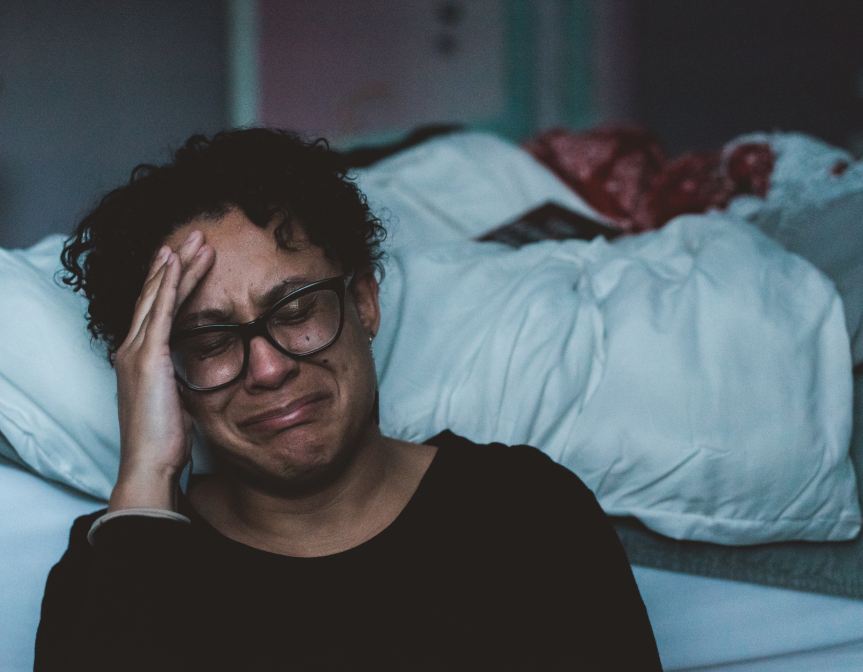
Caregiving for aging loved ones can be immensely rewarding but also comes with its share of challenges. Minority caregivers often face additional stressors, including language barriers, cultural expectations, limited resources, and the pressure to balance caregiving responsibilities with other aspects of life, such as work and personal commitments. It is crucial for caregivers to recognize the signs of burnout and stress, which may manifest as physical, emotional, and behavioral symptoms. These can include feelings of exhaustion, irritability, sleep disturbances, social withdrawal, and neglecting personal needs. By understanding and acknowledging these signs, caregivers can take proactive steps to address their own mental health and seek support from healthcare professionals, support groups, or counseling services specifically tailored to their cultural background and caregiving experiences.

Sharing Coping Strategies and Self-Care Techniques for Minority Caregivers

Caring for the mental health of minority caregivers requires the implementation of effective coping strategies and self-care techniques. It is essential for caregivers to prioritize their own well-being alongside the care they provide to their aging loved ones. This can involve seeking support from support groups or therapy that specifically cater to minority caregivers, where they can connect with others who share similar experiences and challenges. Practicing self-compassion and setting realistic expectations are also vital in preventing burnout. Caregivers should learn to set boundaries, both in terms of their time and emotional energy, to avoid becoming overwhelmed. Engaging in activities that bring joy, relaxation, and self-reflection is equally important, whether it’s through hobbies, exercise, meditation, or spending quality time with loved ones. By sharing practical coping strategies and self-care techniques tailored to the experiences of minority caregivers, we can empower them to prioritize their own mental health while fulfilling their caregiving responsibilities.

Addressing mental health disparities among minority caregivers requires a multifaceted approach that considers the specific challenges they face. By exploring the contributing factors to these disparities, recognizing the signs of burnout and stress, and sharing practical coping strategies and self-care techniques, we can support the mental well-being of minority caregivers. It is crucial to advocate for increased access to culturally sensitive mental health resources, including professionals who understand the unique needs and experiences of minority communities. By fostering a culture of inclusivity, empathy, and support, we can work towards reducing mental health disparities and ensuring that all caregivers, regardless of their background, have the resources and support they need to thrive in their caregiving journey. Together, we can create a healthier and more equitable future for all caregivers and their aging loved ones.

Planning a Summer Vacation with an Aging Loved One? Download the FREE Checklist!

Are you embarking on a summer vacation adventure with a loved one in need of care? Whether youโ€™re a caregiver or know someone who is, we understand the unique challenges and considerations that come with vacationing while ensuring your loved one is safe..

Make your vacation experience stress-free and enjoyable for both you and your loved one, weโ€™re excited to offer you a free downloadable checklist!

Stay Ahead of the Storm: Download Your Free Expert Storm Guide Now!

Photo by ALTEREDSNAPS on Pexels.com

As we know, June โ€“ November is Hurricane Season. As a family caregiver, there are many ways to prepare your loved ones for it. Early preparation helps reduce opportunities for stress and anxiety as storms approach.

One of the best ways to prepare is allowing your loved on to assist in packing their travel bag, checking their contact list and ensuring there are adequate emergency supplies.

Participationโ€ฆ not isolationโ€ฆ go a long way when preparing for major storms. This Seniors Storm Guide gives essential information to refer to again and again!


Stay Connected!