Caring Through Culture, Stress, and Silence: What Minority Caregivers Need to Remember

By Roz Jones

Caregiving is already a lot.

But when you are caring for an aging loved one in a minority family, there can be another layer that people do not always talk about.

There may be cultural expectations.
There may be family pressure.
There may be silence around mental health.
There may be guilt around asking for help.
There may be a long history of doing what had to be done without naming how heavy it really was.

During National Minority Mental Health Awareness Month, it is important to talk about caregiving in a way that sees the whole picture.

Because minority caregivers are not just managing appointments, meals, medications, transportation, bathing, paperwork, and family updates.

Many are also carrying the emotional weight of being the one everyone depends on.

And caregiver, that weight can affect your mental health too.

When Caregiving Becomes the Family Expectation

In many families, caregiving is not treated like a role someone steps into.

It is treated like something you are just supposed to do.

You may hear things like:

โ€œThat is your mother.โ€
โ€œThat is your father.โ€
โ€œThat is what family does.โ€
โ€œWe do not put our business out there.โ€
โ€œWe take care of our own.โ€

And yes, family care is beautiful.

There is love in showing up. There is honor in caring for the people who cared for you. There is strength in making sure aging loved ones are not forgotten, dismissed, or left without support.

But love does not mean the caregiver should disappear.

Family responsibility should not come at the cost of your health, your peace, your body, your sleep, or your emotional well-being.

Caregivers can honor their aging loved ones and still need support.

Both can be true.

The Silence Around Mental Health Can Be Heavy

In some minority communities, mental health has not always been easy to talk about.

Some families were taught to pray through it, push through it, work through it, or keep it private. Some were taught that sadness, anxiety, depression, exhaustion, and grief were not things to discuss outside the home.

Some aging loved ones may not even have the language to say what they are feeling.

They may say they are tired.
They may say they do not feel like themselves.
They may become more withdrawn.
They may become more irritable.
They may refuse help.
They may say, โ€œIโ€™m fine,โ€ even when everyone can see they are not.

Caregivers may do the same thing.

You keep going because you feel like you have to. You say you are okay because there is too much to do. You ignore the stress because your loved oneโ€™s needs feel more urgent than your own.

But silence does not make the stress disappear.

It just makes the caregiver carry it alone.

Aging Loved Ones Need Emotional Support Too

When caring for an aging loved one, it can be easy to focus only on physical needs.

Are they eating?
Are they taking medication?
Are they safe at home?
Are they getting to appointments?
Are the bills paid?
Is the house clean?

Those things matter.

But aging also affects a person emotionally.

Your loved one may be grieving independence. They may be missing the way their body used to move. They may be afraid of becoming a burden. They may be lonely. They may be frustrated because decisions are being made for them. They may be carrying memories, losses, disappointments, or trauma that were never fully talked about.

For minority aging loved ones, there may also be the impact of life experiences shaped by racism, discrimination, economic hardship, medical mistrust, or being unheard in systems that were supposed to help.

Caregivers need to understand that mental health is not separate from caregiving.

It is part of caregiving.

Sometimes support looks like listening without rushing to fix. Sometimes it looks like helping your loved one talk to a doctor. Sometimes it looks like finding a counselor, support group, faith leader, or community resource that understands their background and experience.

And sometimes support looks like noticing when something has changed and not brushing it off as โ€œjust getting older.โ€

Caregivers Need Safe Places to Tell the Truth

Caregivers are often asked how their loved one is doing.

But not enough people ask how the caregiver is doing.

And even when they do ask, caregivers may not tell the full truth.

Because the truth may sound like:

โ€œI am tired.โ€
โ€œI am overwhelmed.โ€
โ€œI am scared.โ€
โ€œI feel guilty.โ€
โ€œI am angry.โ€
โ€œI need help.โ€
โ€œI do not know how much longer I can keep doing this alone.โ€

Those words can be hard to say, especially if you were raised to be strong, private, dependable, or self-sacrificing.

But caregiver, being honest about what you need does not make you weak.

It makes you human.

You need people in your life who can hear the truth without judging you. You need people who will not shame you for needing rest. You need people who understand that caregiving can be an act of love and still be exhausting.

That may be a support group. That may be a trusted friend. That may be a therapist. That may be a caregiver community. That may be another family member who finally needs to understand what you have been carrying.

But you need somewhere to put the weight down.

Even if only for a moment.

Cultural Care Should Not Mean Carrying Everything Alone

Culture can be a source of strength in caregiving.

Family meals, music, faith, traditions, stories, prayer, community, and shared history can bring comfort to aging loved ones. These things can remind them who they are and where they come from.

But culture should not be used to keep caregivers silent.

It should not be used to make one person responsible for everything. It should not be used to shame caregivers who need outside help. It should not be used to stop families from talking about depression, anxiety, grief, dementia, caregiver burnout, or emotional stress.

There is nothing wrong with honoring tradition.

But we also have to be willing to ask:

Is this tradition helping the caregiver survive?
Is this expectation fair?
Is this silence protecting the family, or is it hurting the person doing the caregiving?
Is there a way to honor our loved one without sacrificing one personโ€™s entire well-being?

Caregiving does not have to look the same in every generation.

We can keep the love and change the way the weight is carried.

Small Check-Ins Can Make a Difference

You do not have to wait until everything falls apart to take mental health seriously.

Start with small check-ins.

Ask your loved one how they are feeling emotionally, not just physically. Pay attention to changes in mood, sleep, appetite, energy, memory, and interest in things they used to enjoy.

Ask yourself those same questions too.

Am I sleeping?
Am I eating?
Am I more irritated than usual?
Am I crying more?
Am I withdrawing from people?
Am I feeling hopeless?
Am I constantly on edge?
Am I carrying resentment because I have not asked for help?

These questions are not meant to make you feel bad.

They are meant to help you notice what needs care.

Because caregivers need care too.

And the earlier you notice the signs, the easier it may be to get support before burnout takes over.

Support Can Look Different for Every Family

Every family will not need the same kind of support.

Some caregivers may need respite care. Some may need family members to take specific tasks off their plate. Some may need help navigating insurance, appointments, or transportation. Some may need therapy. Some may need a support group where they do not have to explain the cultural layers of caregiving.

Some may need to have a hard conversation with family and say:

โ€œI cannot keep doing this by myself.โ€

That sentence may be uncomfortable, but it can also be necessary.

Caregiving should not depend on one person quietly breaking down while everyone else assumes they are handling it.

If your family wants your aging loved one to receive good care, then the caregiver also needs support.

That is not selfish.

That is realistic.

Keep the Conversation Going

If you missed the first blog, you can read Nurturing Mental Health in Minority Caregiving: A Guide to Supporting Aging Loved Ones here. It is a helpful starting point for understanding how culture, mental health, and caregiving connect.

This blog builds on that reminder with one more truth:

Caregivers in minority families need room to be honest.

Honest about the love.
Honest about the stress.
Honest about the cultural expectations.
Honest about the silence.
Honest about needing help.

Because caregiving is not only about keeping your loved one safe.

It is also about making sure the caregiver does not get lost in the process.

National Minority Mental Health Awareness Month reminds us that mental health conversations belong in every community, every family, and every caregiving journey.

Caregiver, you do not have to carry everything quietly.

You can ask for help.

You can name what is heavy.

You can honor your loved one and still protect your own well-being.

You can build a care plan that includes your aging loved one and you.

Because care is not complete if the caregiver is left unsupported.

Download the Vacationing With an Aging Loved One Checklist for FREE!

Before your next trip, download the free Vacationing with an Aging Loved One Checklist. This resource can help you think through what needs to be packed, planned discussed, and prepared before travel begins!

Tune in to The Caregiver Cafรฉ Podcast

In this episode of The Caregiver Cafรฉ with Roz Jones, Roz is talking about something that many families face but do not always know how to handle: caregiving as a family affair.

When an aging parent, loved one, or family member needs care, one person often becomes the main caregiver while everyone else steps back, scatters, or assumes that person has it all under control. But caregiving should not fall on one person without a plan, support, or honest family conversations.

Roz breaks down how families can reduce the chaos in caregiving by understanding where tension comes from, setting realistic expectations, creating a care plan, assigning roles, and being honest about what each person can and cannot do. She also reminds listeners that every family member may not be able or willing to provide hands-on care, and that is why outside resources, respite care, and hired support may need to become part of the plan.

This episode is a practical reminder that caregiving requires communication, boundaries, preparation, and teamwork. Whether you live close by or long distance, there is usually some way to support the person providing daily care.

Caregiving may be a family affair, but it works best when the family has a plan.

Give Yourself a Moment of Grace

If you need encouragement for the emotional side of caregiving, purchase Roz Jonesโ€™ book, Moments of Grace. This book offers support, reflection, and reminders of grace for the caregiver who is carrying a lot.

This journal was created to help caregivers pause, breathe, reflect, and find strength in the middle of the caregiving journey.

Purchase Moments of Grace today and give yourself permission to breathe in the middle of the caregiving journey.

Prepare Before the Emergency Comes
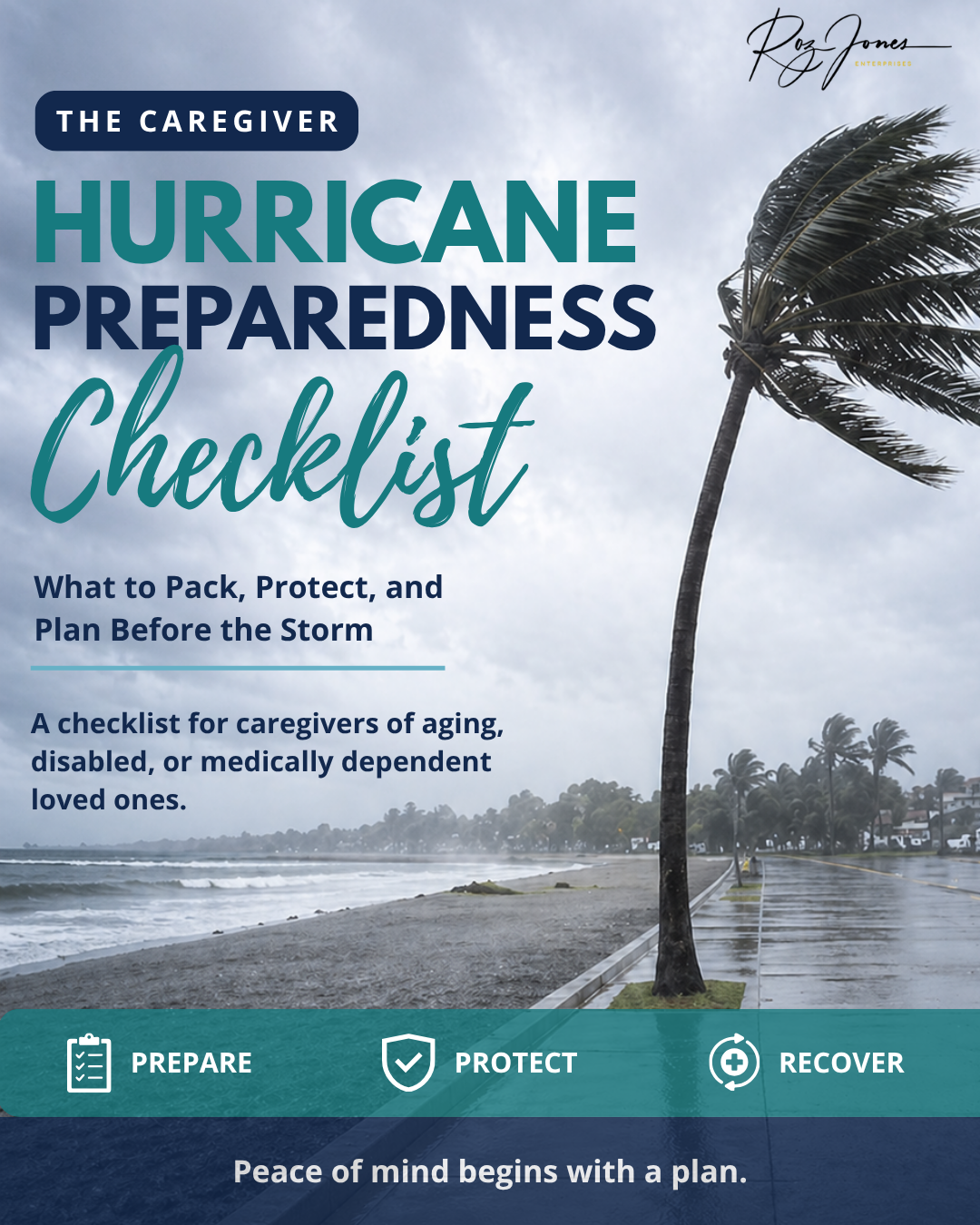
The Caregiver Hurricane Preparedness Checklist.

If you are caring for a loved one during storm season, purchase the Caregiver Hurricane Preparedness Checklist. It can help you prepare important documents, emergency contacts, supplies, medication needs, and safety steps before severe weather becomes a crisis.

For only $1.99, this checklist gives you a simple starting point so you are not trying to gather everything during a storm, power outage, hospitalization, or sudden change in your loved oneโ€™s care.

Purchase the Caregiver Hurricane Preparedness Checklist for $1.99 today and take one more step toward peace of mind.

Need Help Sorting Through the Care Plan?

Roz Jones is a dedicated caretaker turned CEO with over a decade of experience in helping families care for and make decisions for loved ones and their legacies.Roz is a compassionate, innovative healthcare industry leader.

If your family needs help thinking through care decisions, caregiving responsibilities, or next steps, book a session with Roz Jones. You do not have to navigate this season alone.

Together, we can talk through what is working, what is becoming too heavy, and what boundaries need to be strengthened so you can continue to care without losing yourself in the process.

Subscribe to The Caregiver Cafe Weekly Newsletter!

Caregiving can be a roller coaster of ups and downs. The information that you will receive from The Caregiver Cafe Weekly Specials Newsletter will support you as a caregiver. Remember…

1. YOU ARE NOT ALONE: The problems you face as a caregiver are experienced by other caregivers. Knowing that you’re not alone can be comforting. 

2. Tools and Resources:  Find caregiver stress management tools and gain perspective from other caregiver’s experiences.

3. LEARN TO: Ask for help, accept help when it is offered, and acknowledge yourself on this caregiving journey. Hear from experts on how to balance caregiving responsibilities by taking care of your needs and involving others to help manage the natural stress and isolation of being a caregiver. 

Empowering Minority Caregivers: Advocacy for Mental Health and Support

By Roz Jones

As Minority Caregiver Awareness Month comes to a close, it is vital to emphasize the importance of advocacy and empowerment for minority caregivers. These unsung heroes play a crucial role in caring for their loved ones’ mental health while facing unique challenges. In this blog, we will discuss the significance of advocacy and empowerment for minority caregivers, highlighting actionable steps they can take to promote mental well-being and access the support they deserve.

Encouraging minority caregivers to seek help and support:

Minority caregivers often shoulder their responsibilities alone due to cultural stigmas or lack of awareness about available resources. However, seeking help and support is essential for their well-being as well as that of their loved ones. This section will emphasize the importance of reaching out for assistance, whether through support groups, counseling services, or community organizations. By seeking help, caregivers can access guidance, share experiences, and find emotional support in their caregiving journey.

Empowering caregivers to navigate the healthcare system and access resources:

Navigating the complex healthcare system can be overwhelming for anyone, but it can be particularly challenging for minority caregivers who may face language barriers, cultural differences, or limited access to information. Empowering caregivers to navigate these systems is crucial for accessing the resources and services needed for their loved ones’ mental health. This section will provide practical tips and guidance on understanding healthcare options, finding culturally competent providers, and advocating for appropriate care.

Inspiring caregivers to become advocates for mental health within their communities:

Minority caregivers possess unique insights and experiences that can positively impact their communities. By sharing their stories and knowledge, they can become advocates for mental health, raising awareness and reducing the stigma surrounding caregiving. This section will explore strategies for caregivers to raise their voices, engage in community dialogues, and promote cultural sensitivity within healthcare and support systems. Empowered caregivers can inspire change, influence policies, and create a more inclusive and supportive environment for all.

Empowering minority caregivers through advocacy and support is crucial for their own well-being and that of their loved ones. By encouraging caregivers to seek help, navigate the healthcare system, and become advocates within their communities, we can create a society where minority caregivers are recognized, supported, and empowered. As Minority Caregiver Awareness Month concludes, let us continue to amplify their voices, celebrate their resilience, and work towards a future where every caregiver feels valued and empowered on their caregiving journey.

Planning a Summer Vacation with an Aging Loved One? Download the FREE Checklist!

Are you embarking on a summer vacation adventure with a loved one in need of care? Whether youโ€™re a caregiver or know someone who is, we understand the unique challenges and considerations that come with vacationing while ensuring your loved one is safe..

Make your vacation experience stress-free and enjoyable for both you and your loved one, weโ€™re excited to offer you a free downloadable checklist!

Stay Ahead of the Storm: Download Your Free Expert Storm Guide Now!

Photo by ALTEREDSNAPS on Pexels.com

As we know, June โ€“ November is Hurricane Season. As a family caregiver, there are many ways to prepare your loved ones for it. Early preparation helps reduce opportunities for stress and anxiety as storms approach.

One of the best ways to prepare is allowing your loved on to assist in packing their travel bag, checking their contact list and ensuring there are adequate emergency supplies.

Participationโ€ฆ not isolationโ€ฆ go a long way when preparing for major storms. This Seniors Storm Guide gives essential information to refer to again and again!


Stay Connected!

Nurturing Mental Health and Empowering Minority Caregivers: Culturally Sensitive Caregiving Approaches

By Roz Jones

Caring for aging loved ones can be a challenging task, particularly when it comes to ensuring their mental well-being. In minority communities, where cultural nuances and unique experiences shape individuals’ lives, it becomes crucial to approach caregiving with cultural sensitivity. By understanding and embracing cultural diversity, minority caregivers can create an environment that nurtures the mental health of their aging loved ones. In this blog, we will explore the importance of culturally sensitive caregiving approaches and provide practical tips and guidance for implementing them effectively.

Understanding the role of cultural competence in caregiving:
Cultural competence is the ability to understand, respect, and respond to the cultural needs of individuals. In caregiving, cultural competence plays a pivotal role in promoting mental health. It involves recognizing the influence of culture on beliefs, values, and behaviors and adapting caregiving approaches accordingly. By understanding the unique cultural background of aging loved ones, caregivers can provide care that is respectful, meaningful, and tailored to their specific needs.

Promoting effective communication and understanding across cultural barriers:
Communication is the key to building strong relationships and fostering mental well-being. However, cultural differences can create barriers to effective communication. Caregivers must strive to bridge these gaps by adopting culturally sensitive communication strategies. This includes active listening, using culturally appropriate language, and being open to different perspectives. By creating an environment of trust and understanding, caregivers can promote mental wellness in minority communities.

Highlighting community resources and support networks for minority caregivers:
Minority caregivers often face unique challenges due to factors such as language barriers, limited access to resources, and cultural stigmas. However, various community resources and support networks are available to assist and empower them. This section will highlight organizations, online forums, and local support groups that cater specifically to the needs of minority caregivers. By connecting with these resources, caregivers can gain valuable insights, share experiences, and access support tailored to their cultural background.

Self-care for minority caregivers:
Caregiving can be physically and emotionally demanding, and minority caregivers are not exempt from these challenges. It is essential for caregivers to prioritize their own well-being to provide effective care. This section will provide self-care tips specifically tailored to the experiences of minority caregivers. From seeking respite care to engaging in cultural activities that bring joy and relaxation, these suggestions will help caregivers maintain their own mental health while caring for their loved ones.

Culturally sensitive caregiving is a powerful tool in nurturing the mental health of aging loved ones in minority communities. By embracing cultural diversity, promoting effective communication, accessing community resources, and prioritizing self-care, caregivers can create a supportive environment that enhances the well-being of their loved ones and themselves. Together, we can build a future where minority caregivers receive the recognition, support, and empowerment they deserve in their caregiving journeys.

Planning a Summer Vacation with an Aging Loved One? Download the FREE Checklist!

Are you embarking on a summer vacation adventure with a loved one in need of care? Whether youโ€™re a caregiver or know someone who is, we understand the unique challenges and considerations that come with vacationing while ensuring your loved one is safe..

Make your vacation experience stress-free and enjoyable for both you and your loved one, weโ€™re excited to offer you a free downloadable checklist!

Stay Ahead of the Storm: Download Your Free Expert Storm Guide Now!

Photo by ALTEREDSNAPS on Pexels.com

As we know, June โ€“ November is Hurricane Season. As a family caregiver, there are many ways to prepare your loved ones for it. Early preparation helps reduce opportunities for stress and anxiety as storms approach.

One of the best ways to prepare is allowing your loved on to assist in packing their travel bag, checking their contact list and ensuring there are adequate emergency supplies.

Participationโ€ฆ not isolationโ€ฆ go a long way when preparing for major storms. This Seniors Storm Guide gives essential information to refer to again and again!


Stay Connected!

Addressing Mental Health Disparities Among Minority Caregivers

By Roz Jones

Mental health disparities continue to pose significant challenges within minority communities, particularly among caregivers who are responsible for the well-being of their aging loved ones. In this blog, we will delve into the factors contributing to these disparities and explore effective strategies and resources to address them. By recognizing the signs of caregiver burnout, stress, and providing coping strategies and self-care techniques, we aim to support and empower minority caregivers in their journey towards mental well-being.

Exploring the Factors Contributing to Mental Health Disparities in Minority Populations

Mental health disparities within minority communities are influenced by a complex interplay of various factors. Historical and systemic factors, such as racism, discrimination, and socioeconomic inequities, contribute to disparities in mental health access and care. Minority individuals may face limited access to affordable healthcare services, including mental health resources and professionals who understand their unique cultural backgrounds. Additionally, cultural beliefs and stigma surrounding mental health can act as barriers, preventing individuals from seeking help or discussing their mental health concerns openly. By exploring and understanding these factors, we can work towards creating more equitable and culturally sensitive mental health support systems for minority caregivers.

Recognizing the Signs of Caregiver Burnout and Stress

Caregiving for aging loved ones can be immensely rewarding but also comes with its share of challenges. Minority caregivers often face additional stressors, including language barriers, cultural expectations, limited resources, and the pressure to balance caregiving responsibilities with other aspects of life, such as work and personal commitments. It is crucial for caregivers to recognize the signs of burnout and stress, which may manifest as physical, emotional, and behavioral symptoms. These can include feelings of exhaustion, irritability, sleep disturbances, social withdrawal, and neglecting personal needs. By understanding and acknowledging these signs, caregivers can take proactive steps to address their own mental health and seek support from healthcare professionals, support groups, or counseling services specifically tailored to their cultural background and caregiving experiences.

Sharing Coping Strategies and Self-Care Techniques for Minority Caregivers

Caring for the mental health of minority caregivers requires the implementation of effective coping strategies and self-care techniques. It is essential for caregivers to prioritize their own well-being alongside the care they provide to their aging loved ones. This can involve seeking support from support groups or therapy that specifically cater to minority caregivers, where they can connect with others who share similar experiences and challenges. Practicing self-compassion and setting realistic expectations are also vital in preventing burnout. Caregivers should learn to set boundaries, both in terms of their time and emotional energy, to avoid becoming overwhelmed. Engaging in activities that bring joy, relaxation, and self-reflection is equally important, whether it’s through hobbies, exercise, meditation, or spending quality time with loved ones. By sharing practical coping strategies and self-care techniques tailored to the experiences of minority caregivers, we can empower them to prioritize their own mental health while fulfilling their caregiving responsibilities.

Addressing mental health disparities among minority caregivers requires a multifaceted approach that considers the specific challenges they face. By exploring the contributing factors to these disparities, recognizing the signs of burnout and stress, and sharing practical coping strategies and self-care techniques, we can support the mental well-being of minority caregivers. It is crucial to advocate for increased access to culturally sensitive mental health resources, including professionals who understand the unique needs and experiences of minority communities. By fostering a culture of inclusivity, empathy, and support, we can work towards reducing mental health disparities and ensuring that all caregivers, regardless of their background, have the resources and support they need to thrive in their caregiving journey. Together, we can create a healthier and more equitable future for all caregivers and their aging loved ones.

Planning a Summer Vacation with an Aging Loved One? Download the FREE Checklist!

Are you embarking on a summer vacation adventure with a loved one in need of care? Whether youโ€™re a caregiver or know someone who is, we understand the unique challenges and considerations that come with vacationing while ensuring your loved one is safe..

Make your vacation experience stress-free and enjoyable for both you and your loved one, weโ€™re excited to offer you a free downloadable checklist!

Stay Ahead of the Storm: Download Your Free Expert Storm Guide Now!

Photo by ALTEREDSNAPS on Pexels.com

As we know, June โ€“ November is Hurricane Season. As a family caregiver, there are many ways to prepare your loved ones for it. Early preparation helps reduce opportunities for stress and anxiety as storms approach.

One of the best ways to prepare is allowing your loved on to assist in packing their travel bag, checking their contact list and ensuring there are adequate emergency supplies.

Participationโ€ฆ not isolationโ€ฆ go a long way when preparing for major storms. This Seniors Storm Guide gives essential information to refer to again and again!


Stay Connected!

Nurturing Mental Health in Minority Caregiving: A Guide to Supporting Aging Loved Ones

By Roz Jones

As we enter National Minority Mental Health Awareness Month, it’s crucial to shed light on the significance of promoting mental health awareness and support within minority communities. In this blog series, we will delve into the specific challenges faced by caregivers who are caring for aging loved ones in minority populations and explore strategies to support their own well-being as they care for their aging loved ones. 

Understanding the Importance of Mental Health Awareness for Minority Populations

Mental health awareness holds great significance within minority populations, as cultural beliefs, historical factors, and systemic barriers contribute to disparities in mental health access and care. Minority communities often face unique challenges when it comes to seeking help for mental health concerns. Cultural beliefs and norms surrounding mental health can create stigma and misunderstanding, leading individuals to hesitate in seeking support or openly discussing their struggles. Historical factors such as systemic oppression, discrimination, and intergenerational trauma can also have a profound impact on the mental well-being of individuals within minority communities.

To address these disparities, it is essential to promote mental health awareness that is sensitive to the cultural context of minority populations. This involves challenging stigmatizing beliefs and providing education about mental health conditions, available treatments, and resources. By creating safe spaces for open discussions and fostering culturally competent mental health services, caregivers can play a crucial role in promoting mental well-being within their communities. They can advocate for accessible and equitable mental health care, challenge societal prejudices, and provide support to their aging loved ones by encouraging help-seeking behaviors and offering understanding and empathy.

Exploring the Unique Challenges Faced by Caregivers of Aging Loved Ones

Caregiving is a demanding role, and when caring for aging loved ones within minority populations, caregivers face additional challenges. Language barriers can hinder effective communication with healthcare providers, making it difficult to access mental health support and navigate the complex healthcare system. Cultural expectations also come into play, as certain communities may have specific norms and beliefs about caregiving roles, which can create added pressure and influence the caregiver’s sense of duty and responsibility.

Moreover, minority communities often experience limited resources when it comes to mental health services and support. Caregivers may struggle to find culturally appropriate resources or face financial constraints that limit their access to necessary care. This, coupled with the expectation to balance caregiving responsibilities with other aspects of life, such as work or personal commitments, can lead to caregiver burnout and negatively impact their mental well-being.

To navigate these challenges effectively, caregivers can seek support from community organizations, support groups, or online forums that cater specifically to their cultural background and caregiving experiences. They can also explore language interpretation services or bilingual healthcare providers to bridge the communication gap and ensure effective conversations about mental health. Caregivers must prioritize self-care by setting boundaries, seeking respite care when needed, and seeking professional counseling or therapy to manage the emotional toll of their caregiving responsibilities.

Identifying the Impact of Cultural Factors on Mental Health and Caregiving

Culture plays a significant role in shaping mental health perceptions and caregiving practices within minority communities. Cultural factors encompass beliefs, traditions, values, and social norms that influence how mental health issues are perceived, diagnosed, and treated. It is crucial for caregivers to recognize and understand these cultural factors to provide effective care for their aging loved ones’ mental health.

Cultural beliefs may contribute to the stigma surrounding mental health and create barriers to seeking help. Caregivers should engage in open conversations with their loved ones, promoting understanding, and challenging any negative beliefs or misconceptions. They can explore culturally specific coping mechanisms, healing practices, or spiritual rituals that may support mental well-being. By integrating cultural practices into the caregiving journey, caregivers can help their loved ones feel seen, validated, and supported.

In addition, cultural expectations around family dynamics and caregiving roles may influence the caregiver’s responsibilities and choices. Caregivers must strike a balance between cultural expectations and their own well-being, seeking support from extended family members, friends, or community resources to share the caregiving load. Understanding cultural nuances allows caregivers to tailor their approach, providing care that is sensitive to their loved ones’ cultural backgrounds and values.

By identifying and addressing the impact of cultural factors on mental health and caregiving, caregivers can create an environment that promotes mental well-being and supports their aging loved ones in a holistic manner. It is essential to foster open communication, embrace cultural diversity, and seek culturally competent mental health services to ensure the best possible care for their loved ones.

As we celebrate National Minority Mental Health Awareness Month, letโ€™s commit to fostering a society where mental health is prioritized and embraced within minority communities. Together, we can break down barriers, challenge stigma, and ensure that caregivers have the knowledge, resources, and support they need to provide the best possible care for their aging loved ones. By promoting mental health awareness and support, we can create a brighter and more inclusive future for us all.

Resources

  1. National Alliance on Mental Illness (NAMI) Multicultural Action Center: NAMI offers a Multicultural Action Center that provides resources, information, and support specifically tailored to minority communities. Their website offers educational materials, webinars, and helpline services to assist caregivers in accessing culturally competent mental health support. Visit their website at: www.nami.org/multicultural
  1. Black Mental Health Alliance (BMHA) Caregiver Support Resources: BMHA offers resources and support for Black caregivers, addressing mental health concerns within the Black community and providing tools for self-care and well-being. Website: https://blackmentalhealth.com/call-to-healing-summit/
  2. Mental Health America (MHA) Minority Mental Health Resources: MHA provides a range of resources to promote mental health awareness and support within minority communities, including articles, screening tools, and educational materials. Website: https://mhanational.org/bipoc/mental-health-month

Planning a Summer Vacation with an Aging Loved One? Download the FREE Checklist!

Are you embarking on a summer vacation adventure with a loved one in need of care? Whether youโ€™re a caregiver or know someone who is, we understand the unique challenges and considerations that come with vacationing while ensuring your loved one is safe..

Make your vacation experience stress-free and enjoyable for both you and your loved one, weโ€™re excited to offer you a free downloadable checklist!

Stay Ahead of the Storm: Download Your Free Expert Storm Guide Now!

Photo by ALTEREDSNAPS on Pexels.com

As we know, June โ€“ November is Hurricane Season. As a family caregiver, there are many ways to prepare your loved ones for it. Early preparation helps reduce opportunities for stress and anxiety as storms approach.

One of the best ways to prepare is allowing your loved on to assist in packing their travel bag, checking their contact list and ensuring there are adequate emergency supplies.

Participationโ€ฆ not isolationโ€ฆ go a long way when preparing for major storms. This Seniors Storm Guide gives essential information to refer to again and again!


Stay Connected!