
Mastering Time: A Caregiver’s Secret Weapon

By Roz Jones

Today, let’s embark on a transformative journey exploring the critical aspects of time management and boundary setting in our noble role of caregiving. As we navigate the labyrinth of responsibilities and care for our aging loved ones, the ability to master time emerges as our superhero skill. Let’s uncover together the paramount significance of effective time management, a skill that empowers us to deliver exceptional care while safeguarding our own well-being. So, let’s roll up our sleeves and delve into the essentials that will truly elevate your caregiving prowess!

Let’s talk about time—our most precious resource in the caregiving world. In this whirlwind of duties and responsibilities, managing time effectively isn’t just beneficial; it’s an absolute game-changer. When we harness the power of time, we’re not merely juggling tasks; we’re crafting an environment that ensures our aging loved ones receive the care they deserve while preserving our own mental, emotional, and physical health.

And let’s not overlook the significance of boundaries. It’s not about being selfish; it’s about self-preservation. Boundaries are the invisible shields that protect us, ensuring we’re not spread too thin, enabling us to provide compassionate care without compromising our own well-being. By understanding and implementing boundaries, we honor our commitments while prioritizing self-care—an essential aspect often overlooked in the caregiving journey.

Let’s discuss some effective tips and strategies to assist you in mastering time while providing exceptional care:

  • Prioritize Tasks: Start each day by listing tasks based on urgency and importance. Prioritize essential activities related to your loved one’s care while allocating time for personal needs.
  • Create a Schedule: Develop a daily or weekly schedule outlining caregiving tasks, appointments, and personal activities. Utilize planners or smartphone apps to organize and track your responsibilities.
  • Set Realistic Expectations & Delegate Responsibilities: Recognize your limitations and avoid overcommitting. Set realistic goals for the day, understanding that unforeseen circumstances may arise in caregiving. Don’t hesitate to delegate tasks when possible. Seek assistance from family members, friends, or professional caregivers to share the workload and free up some time for yourself.
  • Time Blocking: Allocate specific time blocks for different caregiving duties. For instance, designate mornings for personal care, afternoons for appointments, and evenings for leisure or self-care.
  • Time for Self-Care: Allocate time for your own well-being. Schedule breaks, indulge in hobbies, practice relaxation techniques, or engage in physical activities to rejuvenate.

Remember, mastering time in caregiving involves finding a balance between meeting the needs of your loved one and caring for yourself. Implementing these tips, while adapting them to suit your unique circumstances, can significantly enhance your ability to manage time efficiently as a caregiver.

Stay tuned as I uncover the keys to time mastery and boundary setting, empowering us to not just survive but thrive as caregivers. Let’s embrace this journey together and discover the art of managing time effectively while honoring our own needs in the beautiful act of caregiving.

Shop The Caregiver Cafe E-Commerce Store!

We founded The Caregiver Cafe Shopify Store with one simple goal: to help you experiment with your passion while at the same time providing amazing prices. We were tired of cookie-cutter stores with lackluster selections, and boring gifts. Instead of offering a huge unoriginal collection, we carefully curate just a few unique pieces perfectly suited for people the taste buds like you.

We focus on items that get you excited about shopping again, as we believe buying online should always be fun!


It Takes Two

Each of our aging parents is unique.

Some people age so well that they need little help until they are well into their eighties, while others need hands-on care as early as their fifties or sixties.

Adult children are often faced with the task of caring for both parents and this was the case for Christine Psalms.

She shares her story with us in this episode and how she became a caregiver for both her parents.

Subscribe to The Caregiver Cafe Weekly Newsletter!

Caregiving can be a roller coaster of ups and downs. The information that you will receive from The Caregiver Cafe Weekly Specials Newsletter will support you as a caregiver. Remember…

1. YOU ARE NOT ALONE: The problems you face as a caregiver are experienced by other caregivers. Knowing that you’re not alone can be comforting. 

2. Tools and Resources:  Find caregiver stress management tools and gain perspective from other caregiver’s experiences.

3. LEARN TO: Ask for help, accept help when it is offered, and acknowledge yourself on this caregiving journey. Hear from experts on how to balance caregiving responsibilities by taking care of your needs and involving others to help manage the natural stress and isolation of being a caregiver. 
Nurturing Routine and Managing Overstimulation in Loved Ones with Alzheimer’s

By Roz Jones

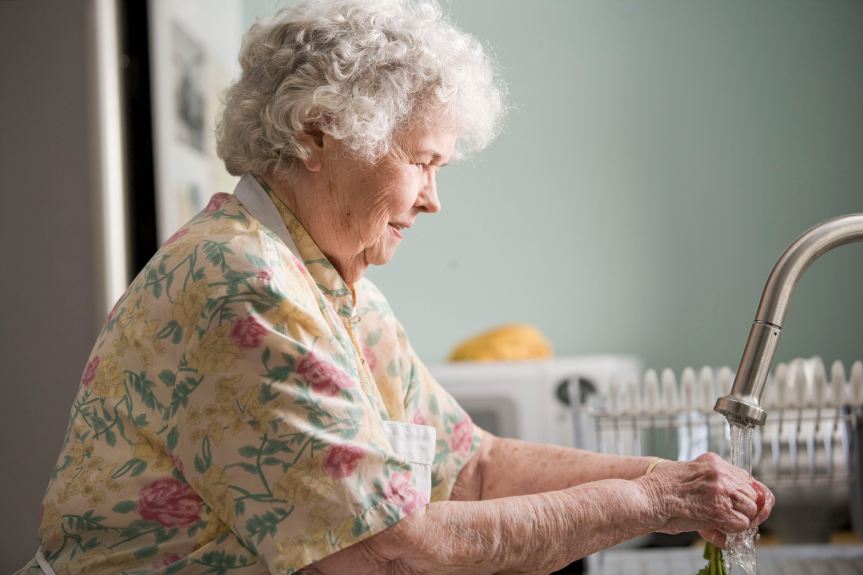
As caregivers, we understand the challenges that come with caring for someone living with Alzheimer’s. The unpredictability, the emotional rollercoaster, and the ever-changing nature of the disease can be overwhelming. But fear not, because I’m here to share some valuable insights and strategies to help you navigate through these challenges.

Nurturing Routine

Establishing and maintaining a routine is fundamental when caring for individuals with Alzheimer’s. Predictability can provide a sense of security and comfort, even amidst the confusion and uncertainty caused by the disease. Here’s how you can build and maintain a routine:

  • Consistent Schedule: Establish a daily routine for meals, activities, and bedtime. Consistency helps in reducing anxiety and confusion for your loved one.
  • Visual Aids: Use visual cues like calendars, clocks, or whiteboards to help your loved one understand the daily schedule. Highlight important events or activities to reinforce the routine.
  • Simple and Familiar Tasks: Encourage participation in simple tasks or activities that they’re familiar with. It could be folding laundry, gardening, or listening to favorite music. These tasks can boost their confidence and sense of accomplishment.
  • Flexibility within Structure: While a routine is crucial, allow some flexibility. Be adaptable and understanding of changes that might occur due to their condition.
  • Patience and Encouragement: It’s essential to be patient and offer positive reinforcement. Celebrate small victories and reassure your loved one if they struggle with a task.

Remember, a routine can provide a sense of stability, but it’s equally important to approach it with flexibility and understanding.

Managing Overstimulation

Alzheimer’s can make individuals more sensitive to their surroundings, leading to overstimulation. Here’s how you can manage situations when your loved one feels overwhelmed:

  • Recognize Triggers: Be observant and identify triggers that cause distress. It could be loud noises, crowded places, or certain activities. Minimize exposure to these triggers whenever possible.
  • Create Calm Environments: Keep surroundings calm and organized. Reduce noise levels, avoid clutter, and ensure adequate lighting. Creating a peaceful atmosphere can help in managing overstimulation.
  • Offer Breaks and Distractions: When you notice signs of agitation, encourage breaks in a quieter space. Provide activities like reading, gentle walks, or soothing music to divert their attention.
  • Stay Attuned to Body Language: Pay attention to non-verbal cues. If you notice signs of agitation or discomfort, try to address the situation promptly.
  • Practice Relaxation Techniques: Consider incorporating relaxation techniques such as deep breathing exercises or gentle massages to help them relax when feeling overwhelmed.

Remember, every individual with Alzheimer’s is unique, and what works for one person may not work for another. It’s crucial to observe, adapt, and respond to their specific needs and preferences. As caregivers, your dedication and love make a significant difference in the lives of your loved ones. Take care of yourself too—seek support, take breaks, and don’t hesitate to ask for help when needed.

Stay strong, stay compassionate, and remember, you’re making an incredible difference in their lives every single day.


Shop The Caregiver Cafe E-Commerce Store!

We founded The Caregiver Cafe Shopify Store with one simple goal: to help you experiment with your passion while at the same time providing amazing prices. We were tired of cookie-cutter stores with lackluster selections, and boring gifts. Instead of offering a huge unoriginal collection, we carefully curate just a few unique pieces perfectly suited for people the taste buds like you.

We focus on items that get you excited about shopping again, as we believe buying online should always be fun!


Subscribe to The Caregiver Cafe Weekly Newsletter!

Caregiving can be a roller coaster of ups and downs. The information that you will receive from The Caregiver Cafe Weekly Specials Newsletter will support you as a caregiver. Remember…

1. YOU ARE NOT ALONE: The problems you face as a caregiver are experienced by other caregivers. Knowing that you’re not alone can be comforting. 

2. Tools and Resources:  Find caregiver stress management tools and gain perspective from other caregivers’ experiences.

3. LEARN TO: Ask for help, accept help when it is offered, and acknowledge yourself on this caregiving journey. Hear from experts on how to balance caregiving responsibilities by taking care of your needs and involving others to help manage the natural stress and isolation of being a caregiver. 

Navigating the Driver’s License Test

By Roz Jones

Driving represents freedom, independence, and a sense of control, especially for our aging loved ones. However, as they reach a certain stage in life, the question of whether they should continue driving becomes increasingly important. For caregivers, this phase can be challenging, but with thoughtful strategies and support, it can be managed effectively.

Preparing for the Driver’s License Test

Practice, practice, practice! Regular driving sessions can help boost confidence and sharpen driving skills. Consider scheduling practice drives at different times of the day and in various traffic conditions to ensure readiness for the test. Familiarizing your loved one with the test route, common road signs, and essential driving scenarios can also help alleviate anxiety.

Ensuring Readiness

Assessing your loved one’s comfort level behind the wheel is crucial. Evaluate their ability to handle different driving conditions and judge distances accurately. Look for signs of confusion or hesitancy while driving, which could indicate areas that need improvement or consideration.

Making the Transition Smoother

Accompany your loved one to the test to provide support and reassurance. Emphasize their strengths and encourage a positive mindset. Stay calm and patient during the test, offering guidance if necessary. Regardless of the test outcome, celebrate their effort and courage. Remember, the goal is to ensure their safety and confidence on the road.

Strategies for Caregivers

As a caregiver, your support during this process is paramount. Maintain open communication, highlighting the importance of the test without adding undue pressure. Celebrate milestones achieved during practice sessions, regardless of the final test result. Be prepared for potential emotional responses, offering understanding and encouragement.

Remember, the driver’s license test is a significant step for your aging loved one. Approach this phase with encouragement, support, and a focus on their safety and confidence behind the wheel.


Stay Connected!

Don’t Drive By the Warning Signs

By Roz Jones

Assisting aging loved ones as they approach their driver’s test can be a complex journey for caregivers. Determining if a senior is ready to hold onto their driver’s license involves careful consideration of their safety and that of others on the road. Here are some crucial tips and warning signs to bear in mind as you navigate this crucial aspect of caregiving.

Recognizing Warning Signs

  • Watch for repeated accidents, near misses, or getting lost in familiar places.
  • Notice unexplained damages to the car, traffic violations, or declining vision and cognitive function affecting driving.

Empower Through Practice

  • Encourage a driving refresher course or practice sessions with an instructor.
  • Observe their driving skills closely for signs of struggle or disorientation.

Knowing When to Transition

  • Identify consistent risky driving behaviors that pose safety risks.
  • Initiate a compassionate conversation about alternative transportation options.

Additional Tips for Caregivers

  • Encourage open dialogue about driving concerns without causing undue stress.
  • Collaborate with healthcare professionals to assess fitness for driving.
  • Offer support and explore community resources for alternative transportation.
  • Emphasize safety while preserving independence during the transition.

Remember, transitioning away from driving is about prioritizing safety without compromising independence. As caregivers, remain vigilant for warning signs and approach this sensitive topic with empathy and care. Safety always steers the course. Drive safely, everyone!


Shop The Caregiver Cafe E-Commerce Store!

We founded The Caregiver Cafe Shopify Store with one simple goal: to help you experiment with your passion while at the same time providing amazing prices. We were tired of cookie-cutter stores with lackluster selections, and boring gifts. Instead of offering a huge unoriginal collection, we carefully curate just a few unique pieces perfectly suited for people the taste buds like you.

We focus on items that get you excited about shopping again, as we believe buying online should always be fun!


Caregiving Is More than a One Child Affair

When Mom or Dad or another older relative needs help, the whole family is affected. 

Flexibility, availability, and putting egos and family dynamics aside as much as possible are keys to successful caregiving – the kind that helps the individual who needs care – minimizes negative feelings, and often rebuilds or strengthens family relationships.

We continue our conversation with Dr. Herbert and in this episode, we talk about how caregiving is a family affair.

We highlight;
How to share the caregiving roles with family members
Transparency between the tension between family
Managing expectations while caring for family

Subscribe to The Caregiver Cafe Weekly Newsletter!

Caregiving can be a roller coaster of ups and downs. The information that you will receive from The Caregiver Cafe Weekly Specials Newsletter will support you as a caregiver. Remember…

1. YOU ARE NOT ALONE: The problems you face as a caregiver are experienced by other caregivers. Knowing that you’re not alone can be comforting. 

2. Tools and Resources:  Find caregiver stress management tools and gain perspective from other caregiver’s experiences.

3. LEARN TO: Ask for help, accept help when it is offered, and acknowledge yourself on this caregiving journey. Hear from experts on how to balance caregiving responsibilities by taking care of your needs and involving others to help manage the natural stress and isolation of being a caregiver. 
Conquering the Flu Season

By Roz Jones

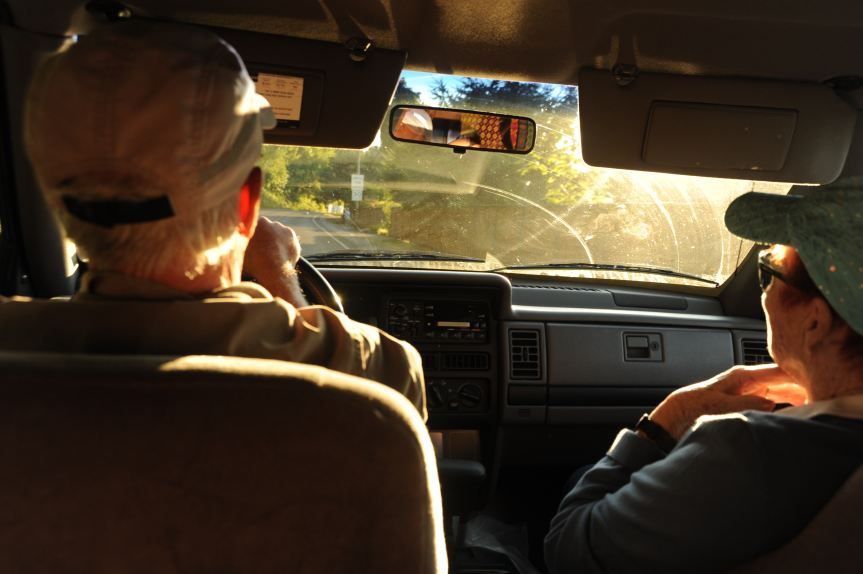
Flu season can be particularly challenging, especially for aging loved ones whose immune systems may not be as robust. It’s a period when the flu virus becomes more prevalent, posing a higher risk of infection, complications, and hospitalizations, especially among older adults. As caregivers, being proactive and well-prepared is crucial to mitigate these risks and ensure the well-being of our seniors.

Going Beyond the Checklist: Comprehensive Preparation

While maintaining flu shot records and health information is pivotal, let’s expand our preparation checklist. Consider factors such as ensuring a sufficient stock of over-the-counter flu medications at home, having emergency contact information readily available, and understanding the nearest medical facilities in case of urgent needs.

Supporting Mental and Emotional Health

Flu season can also impact mental and emotional well-being. Anxiety and fear of illness might be heightened for aging loved ones. It’s crucial to offer emotional support, reassurance, and a sense of safety during this time. Encourage open communication about any concerns they might have and remind them that their health is a priority.

Strengthening the Caregiver Network

Collaborating with fellow caregivers and healthcare professionals amplifies our impact. Hosting educational sessions or participating in support groups dedicated to flu prevention and caregiver support not only disseminates crucial information but also creates a supportive community network.

Importance of Flu Vaccination: Leading by Example

Encouraging flu vaccination isn’t just a suggestion; it’s a powerful preventive measure. Lead by example and ensure both you and your aging loved ones are up-to-date with flu shots. Stress the importance of vaccination not only for their well-being but also for the overall health of the community.

Adapting Strategies for Individual Needs

Every senior under our care is unique. Tailor your strategies and support to suit their specific health conditions and needs. Some might require additional precautions due to underlying health issues, while others may need extra encouragement to adhere to preventive measures.

Continuous Monitoring and Adaptation

Stay vigilant throughout flu season. Keep an eye on any signs or symptoms of illness, and seek medical advice promptly if any concerns arise. Be flexible and adaptive in your approach, adjusting your caregiving strategies as needed based on the evolving situation. Together, Let’s Navigate Flu Season with Resilience and Care! Flu season presents its challenges, but with our collective knowledge, preparation, and unwavering dedication, we can empower each other to safeguard the health and well-being of our aging loved ones. Let’s stand together, support one another, and ensure a healthier, safer flu season for all!

Stay Ahead of the Storm: Download Your Free Expert Storm Guide Now!

Photo by ALTEREDSNAPS on Pexels.com

As we know, June – November is Hurricane Season. As a family caregiver, there are many ways to prepare your loved ones for it. Early preparation helps reduce opportunities for stress and anxiety as storms approach.

One of the best ways to prepare is allowing your loved on to assist in packing their travel bag, checking their contact list and ensuring there are adequate emergency supplies.

Participation… not isolation… go a long way when preparing for major storms. This Seniors Storm Guide gives essential information to refer to again and again!