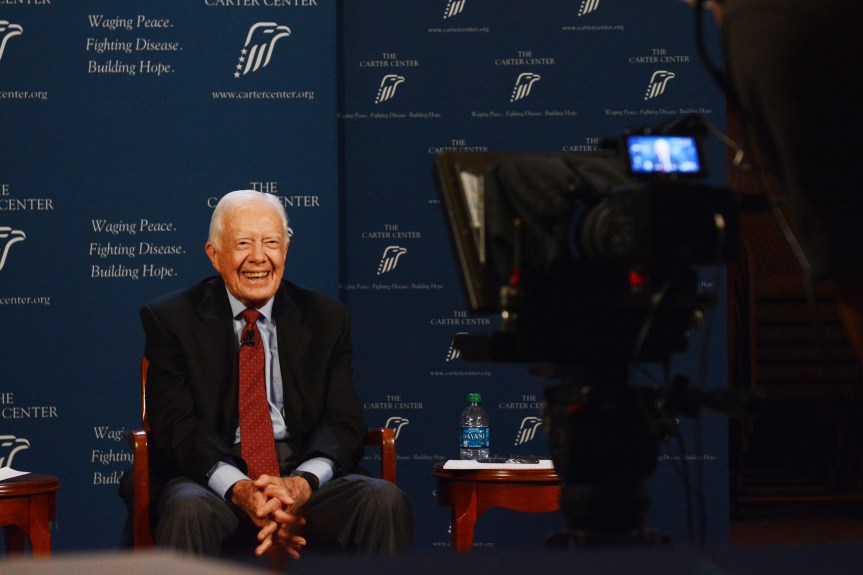
As we continue to honor President Jimmy Carter’s life and legacy, we turn our focus to the time when he led our nation from the Oval Office. His presidency may have been a single term, but his impact during those four years still resonated over decades..
I was struck by how President Carter, a humble man from rural Georgia, approached the presidency with an unshakable moral compass. He prioritized people and principles over politics, and his leadership laid the foundation for lasting change.
One of President Carter’s most notable achievements was the establishment of the Department of Energy in 1977. Long before renewable energy became a global priority, President Carter recognized the need for energy conservation and sustainability. I remember seeing images of him installing solar panels on the White House roof—a bold and forward-thinking act that underscored his commitment to the environment.
He also championed human rights, making them a cornerstone of his foreign policy. From brokering the Camp David Accords to his efforts for peace in the Middle East, President Carter demonstrated the power of diplomacy driven by empathy and understanding.
For us caregivers, there’s a lesson in his approach. He didn’t shy away from tough conversations or complex issues. Instead, he leaned into them with the belief that every challenge could be met with courage and care. It’s a reminder that in our roles, whether caring for a loved one or navigating a crisis, leading with heart can make all the difference.
President Carter’s presidency also had its share of challenges, but even in the face of adversity, he never wavered in his mission to serve. That’s a legacy worth remembering—not just as Americans, but as people striving to make a difference in our own spheres.
In the next post, we’ll explore how President Carter’s post-presidency work with Habitat for Humanity became another shining chapter in his life of service. Stay with me as we continue this journey of memories and milestones. Don’t miss the next blog of the Memories and Milestones of President Jimmy Carter, where I’ll dive into his incredible work building homes and hope with Habitat for Humanity. If you missed the previous blog, A Life Well Lived “His Way”, check it out now.
Subscribe to The Caregiver Cafe Weekly Newsletter!
Caregiving can be a roller coaster of ups and downs. The information that you will receive from The Caregiver Cafe Weekly Specials Newsletter will support you as a caregiver. Remember…
1. YOU ARE NOT ALONE: The problems you face as a caregiver are experienced by other caregivers. Knowing that you’re not alone can be comforting.
2. Tools and Resources: Find caregiver stress management tools and gain perspective from other caregiver’s experiences.
3. LEARN TO: Ask for help, accept help when it is offered, and acknowledge yourself on this caregiving journey. Hear from experts on how to balance caregiving responsibilities by taking care of your needs and involving others to help manage the natural stress and isolation of being a caregiver.
The holiday season is a time for family, togetherness, and making memories. But for caregivers who have lost a loved one, the holidays can also be a painful reminder of the empty seat at the table—the absence of someone who once played a central role in your traditions and celebrations. If this is your first holiday season without a beloved family member, or if you’ve experienced loss in the past months or recent years, I know that I’m having a problem struggling to balance the joy of the season with the weight of grief, as many of you may also be experiencing.
As caregivers, we often pour so much of our hearts into our loved ones, especially during the holidays. When they’re no longer with us, it can feel like a part of the holiday magic is gone, too. As I remember my mother, it’s important for me to remember that grief and love can coexist. The unique bond I had with my mother still has a place at the table this holiday season.
In today’s blog, I want to share with you some thoughtful and meaningful ways to incorporate your missing loved one into your holiday celebrations, ensuring they have a seat at the table in both your heart and your home.
1. Set a Place for Them at the Table
One of the most symbolic and simple gestures you can make is to set a place at the holiday table for your loved one. Whether it’s their favorite chair or a designated spot with a photo or special keepsake, this act honors their presence, even in their absence. The empty chair may serve as a reminder of the love you shared, and by acknowledging it, you create a space to hold them in your heart during the meal.
2. Share Stories and Memories
The holiday table isn’t just for food—it’s a place for storytelling, laughter, and shared memories. Encourage family members to share their favorite stories, jokes, or memories involving the person who’s no longer with you. Not only does this keep their memory alive, but it also provides a sense of connection and closeness. Laughter mixed with tears is part of the healing process, and this tradition can bring comfort as you celebrate the season together.
3. Create a Memory Box or Journal
To include your loved one in the festivities, consider creating a memory box or memory journal where family members can write notes, memories, or wishes to your loved one. This could be something you pass around during holiday gatherings, with each person adding their own thoughts and sentiments. You could also invite others to include something special, like a small trinket or keepsake that represents their bond with the person you’ve lost.
This memory box or journal can be something you return to year after year, adding new memories and reflections with each holiday. Over time, it becomes a beautiful record of love, remembrance, and healing.
4. Cook Their Favorite Dish or Drink
Food is often at the center of holiday gatherings, so why not honor your loved one through the dishes they loved most? Cook their favorite meal or dessert, or prepare a recipe that was passed down through generations. When everyone gathers around to enjoy the meal, it’s a small but meaningful way to bring them into the moment.
If your loved one had a signature drink or a go-to holiday treat, make sure to include that on the menu. It’s a simple yet powerful way to remember them and celebrate their role in your family’s traditions.
5. Light a Candle in Their Memory
Candles symbolize warmth, light, and remembrance. Lighting a candle in your loved one’s honor is a peaceful and reflective way to keep their memory alive during holiday celebrations. You can do this during a special moment—like before dinner or when everyone is gathered to share stories. If you want to make this tradition even more personal, consider having a candle engraved with your loved one’s name, or choose a scent that reminds you of them.
6. Volunteer or Donate in Their Name
Giving back to others is a powerful way to honor the spirit of the holidays and keep your loved one’s legacy alive. If your loved one had a cause they were passionate about, consider volunteering your time or making a donation in their name. Whether it’s helping at a food pantry, donating toys to children in need, or contributing to a charity that was close to their heart, this can be a beautiful way to carry on their generosity and compassion.
7. Make a Special Ornament or Decoration
Incorporating a physical reminder of your loved one into your holiday decorations can bring both comfort and connection. Consider making a special ornament or holiday decoration that honors their memory. This could be something as simple as creating a photo ornament with a favorite picture or crafting a decorative item that represents a special memory you shared.
Each year as you decorate your tree or home, you can add this ornament or decoration, and with it, you’ll feel that your loved one is part of your celebrations, year after year.
8. Have a Moment of Reflection
During the hustle and bustle of the holiday season, it’s easy to forget to pause and reflect. Take a moment during your celebrations to sit quietly, either alone or with loved ones, and reflect on your cherished memories with the person who has passed. You might say a prayer, share a special thought, or simply enjoy the stillness as a way to honor their memory.
This time of reflection doesn’t need to be long, but it can offer a sense of peace and connection. It reminds you that even though they may not physically be present, they are always with you in spirit.
9. Start a New Tradition in Their Honor
Sometimes, creating a new tradition is a beautiful way to integrate your loved one’s memory into your life going forward. It could be as simple as watching their favorite holiday movie, visiting a place they loved, or doing something that embodies the spirit of who they were. Starting a new tradition that reflects your loved one’s personality and passions can help transform the grief into something meaningful and positive, while also keeping their memory alive.
10. Allow Yourself to Grieve
While the holiday season is a time for celebration, it’s important to acknowledge that grieving is part of the process. It’s okay to feel sad, to miss your loved one, and to allow yourself space to mourn during this time. Take care of yourself and give yourself permission to grieve, without feeling the pressure to be “joyful” or “cheerful” all the time. The holidays are about honoring your emotions, and part of that is allowing yourself to feel the sadness and the joy that come with remembering a loved one.
The holidays will never be the same without your loved one, but that doesn’t mean their memory can’t continue to live on in meaningful ways. By creating space for them at the table, sharing memories, starting new traditions, and finding ways to honor their spirit, you can celebrate the holidays while holding them in your heart.
As caregivers, it’s important to take care of ourselves, too. So, this holiday season, take the time to reflect on the love, lessons, and legacy of your loved one, and allow their presence to fill your heart, even if they are no longer physically at the table.
May your holidays be filled with both remembrance and healing.
Subscribe to The Caregiver Cafe Weekly Newsletter!
Caregiving can be a roller coaster of ups and downs. The information that you will receive from The Caregiver Cafe Weekly Specials Newsletter will support you as a caregiver. Remember…
1. YOU ARE NOT ALONE: The problems you face as a caregiver are experienced by other caregivers. Knowing that you’re not alone can be comforting.
2. Tools and Resources: Find caregiver stress management tools and gain perspective from other caregiver’s experiences.
3. LEARN TO: Ask for help, accept help when it is offered, and acknowledge yourself on this caregiving journey. Hear from experts on how to balance caregiving responsibilities by taking care of your needs and involving others to help manage the natural stress and isolation of being a caregiver.
As we conclude the Gone But Not Forgotten Blog Series, I want to explore a meaningful way to carry your loved one’s memory forward—by starting new traditions. These traditions don’t have to be tied to the holidays; they can be woven into your life throughout the year.
Creating a new tradition in your loved one’s honor is not only a healing experience but also a beautiful way to celebrate their legacy. It allows you to move forward while keeping their presence in your heart. These traditions can bring comfort and help foster positive memories for years to come.
Tips and Ideas for Starting New Traditions
Incorporate Something They Loved Think about the things your loved one enjoyed and build a tradition around that. If they loved decorating the house for the holidays, make it a family event where everyone participates in their honor. If they had a favorite recipe, bake it together as a family and share stories about them while you cook.
Establish a Meaningful Ritual Small, intentional acts can become cherished traditions. Consider lighting a special candle at the beginning of family meals or playing their favorite song during gatherings. These rituals are simple but powerful ways to keep their memory alive.
Make It Unique to Them If your loved one had a particular hobby or passion, incorporate that into your tradition. For example, if they loved gardening, plant something in their honor each year. If they were passionate about art, gather your family to create artwork inspired by them.
Honor Their Values Celebrate what mattered most to your loved one by giving back in their name. If they were involved in charitable causes, start a tradition of volunteering or donating to a cause they cared about. This not only honors their memory but also spreads their legacy of kindness and generosity.
Why Starting New Traditions Matters
For me, starting new traditions has been a way to navigate grief while celebrating the love and joy my loved ones brought into my life. These traditions create lasting memories, bringing comfort and connection even in their absence. They remind me that while they may not be physically here, their spirit and impact live on in every act of love and remembrance.
Carrying Their Legacy Forward
As you think about creating new traditions, remember that it’s not about replacing old memories but building new ones that honor your loved one’s life. Whether it’s an annual gathering, a small ritual, or an act of giving, each tradition becomes a bridge between their memory and your present.
Thank you for joining me on this journey through the Gone But Not Forgotten Blog Series. I hope these ideas inspire you to celebrate your loved one’s legacy in ways that bring healing, joy, and connection to you and your family.
Subscribe to The Caregiver Cafe Weekly Newsletter!
Caregiving can be a roller coaster of ups and downs. The information that you will receive from The Caregiver Cafe Weekly Specials Newsletter will support you as a caregiver. Remember…
1. YOU ARE NOT ALONE: The problems you face as a caregiver are experienced by other caregivers. Knowing that you’re not alone can be comforting.
2. Tools and Resources: Find caregiver stress management tools and gain perspective from other caregiver’s experiences.
3. LEARN TO: Ask for help, accept help when it is offered, and acknowledge yourself on this caregiving journey. Hear from experts on how to balance caregiving responsibilities by taking care of your needs and involving others to help manage the natural stress and isolation of being a caregiver.




 The Caregiver Cafe