
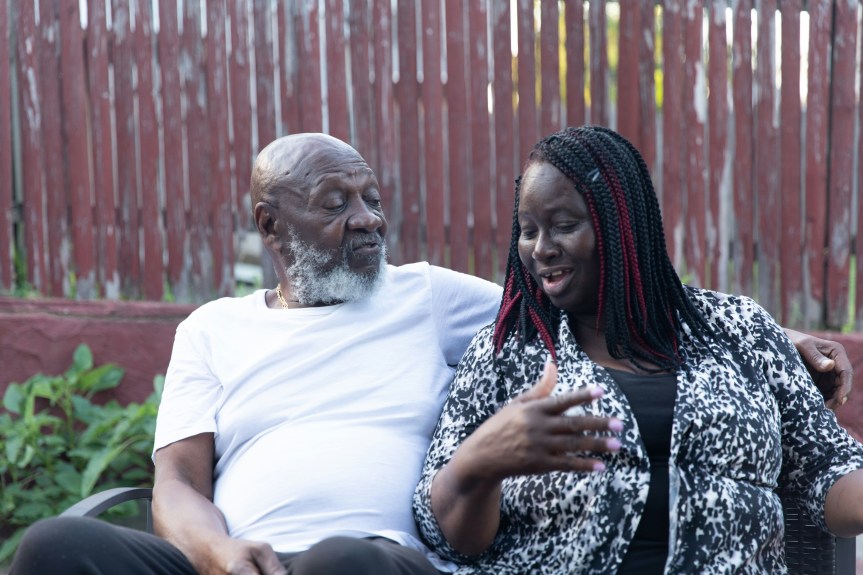
By Roz Jones
Let’s settle into this gently, because today we’re talking about something that sits deep in the heart, something many caregivers feel but rarely say out loud.
The Desire to Be Wanted Doesn’t Age Out
Your aging loved one still wants to feel wanted.
They still want to be held.
They still want to laugh with someone.
They still want to feel attractive, valued, and alive.
That longing doesn’t disappear because someone turned 70, 80, or 90. It doesn’t disappear because they’ve lost their spouse. It doesn’t disappear because their body has changed or their health has shifted.
The need for connection is one of the last things to fade, if it fades at all.
Loss Doesn’t Turn Off the Heart
When your aging loved one loses a spouse, the world often expects them to “close that chapter.” But grief doesn’t work like that. The heart doesn’t work like that.
Losing a partner doesn’t turn off the part of the heart that longs for closeness.
If anything, it can make that longing stronger.
Loneliness becomes louder.
Silence becomes heavier.
And the desire for companionship, not replacement, but companionship, becomes more real.
Why Caregivers Misunderstand This
Caregivers, especially family caregivers, often struggle here. Not because they’re judgmental, but because they’re protective. They’re grieving too. They’re trying to honor the memory of the person who passed.
So they think:
“They’re too old for that.”
“They should still be grieving.”
“It’s disrespectful to their late spouse.”
But let me tell you something from years of caregiving and sitting with families in their most tender moments:
Grief and desire can live in the same house.
Missing someone and wanting companionship again are not opposites.
They’re both expressions of being human.
Your loved one can honor the past and still want connection in the present.
They can miss their spouse deeply and still crave touch, laughter, or closeness.
They can carry love for someone who’s gone and still open their heart to someone new.
That’s not betrayal.
That’s survival.
What’s Really Underneath the Behavior
As caregivers, we have to shift our thinking from
“Why are they doing this?” to “What need is underneath this?”
Because the need is almost always simple and deeply human.
Maybe they want connection.
Maybe they want comfort.
Maybe they want companionship.
Maybe they want reassurance.
Maybe they want to feel like they still belong to someone, or that someone belongs to them.
These needs don’t retire.
They don’t age out.
They don’t disappear because life has changed.
If this topic is stirring something in you, confusion, concern, or even relief, that’s completely normal. These conversations are tender, layered, and emotional.
If you want help navigating intimacy, privacy, dating or boundaries with your aging loved one, I’m here to support you.
Schedule a Family Care Planning Session

Schedule a Family Care Planning Session with me, and let’s create a compassionate, clear plan that honors your loved one’s dignity and gives you peace of mind.
Subscribe to The Caregiver Cafe Weekly Newsletter!

1. YOU ARE NOT ALONE: The problems you face as a caregiver are experienced by other caregivers. Knowing that you’re not alone can be comforting.
2. Tools and Resources: Find caregiver stress management tools and gain perspective from other caregiver’s experiences.
3. LEARN TO: Ask for help, accept help when it is offered, and acknowledge yourself on this caregiving journey. Hear from experts on how to balance caregiving responsibilities by taking care of your needs and involving others to help manage the natural stress and isolation of being a caregiver.
 The Caregiver Cafe