Pros of Installing Security Cameras in the Home for Your Aging Loved One

By Roz Jones

As your aging loved one gets older, you may start to worry about their safety and security in their home. One way to alleviate some of these worries is by installing security cameras in their home. Here are some of the pros of having security cameras installed in the home for your aging loved one:

  1. Increased Safety: Security cameras can provide an added level of safety to your loved one’s home. With security cameras, you can deter potential burglars and intruders from targeting your loved one’s home. If there is any suspicious activity, security cameras can provide early warning, allowing your loved one to take necessary precautions.
  1. Monitoring Caregivers: If your aging loved one receives care from a caregiver, security cameras can help monitor the quality of care they receive. With security cameras, you can monitor the caregiver’s actions and ensure that they provide adequate care for your loved one. This can be particularly useful if you have concerns about the caregiver’s reliability or if your loved one requires a high level of care.
  1. Remote Monitoring: Security cameras can be accessed remotely, allowing you to keep an eye on your loved one’s safety and well-being even when you’re away from home. With remote access, you can check in on your loved one’s activities and make sure they are safe and secure.
  1. Evidence Collection: In case of a break-in or other criminal activity, security cameras can provide valuable evidence to the authorities. With clear footage, the police can identify the perpetrator and prosecute them accordingly.
  1. Peace of Mind: Having security cameras installed in the home can give you peace of mind knowing that your loved one is safe and secure. You can check on them at any time, even when you’re away, and know that they are being monitored for any potential safety hazards.

Overall, installing security cameras in the home of your aging loved one can provide several benefits, including increased safety, remote monitoring, and evidence collection. With these benefits, you can have peace of mind knowing that your loved one is safe and secure.


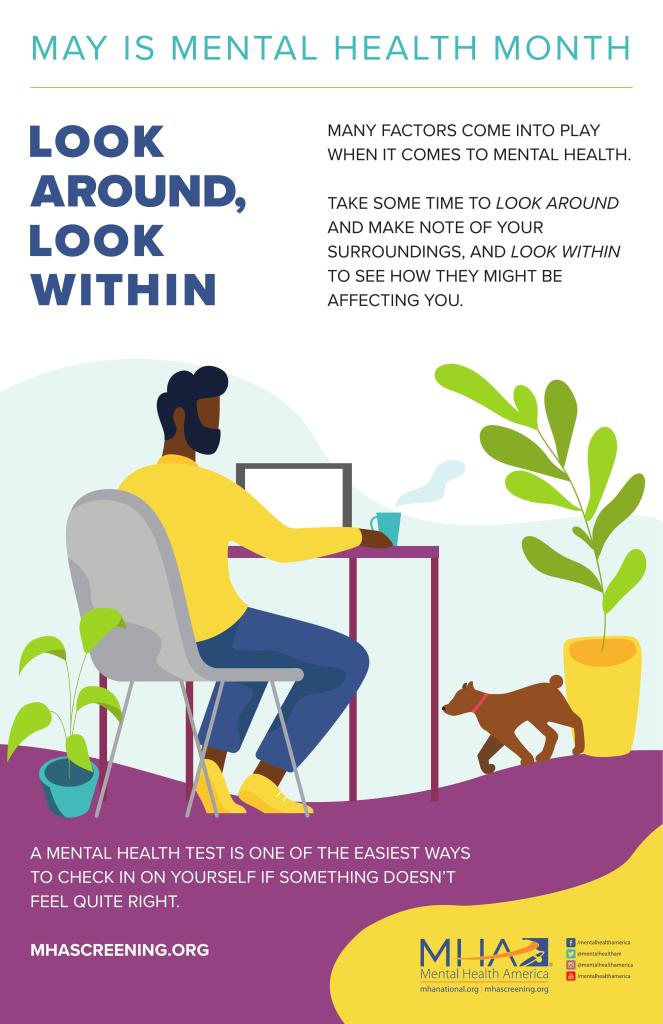
Unlock and Shape Your Home Environment with this Worksheet
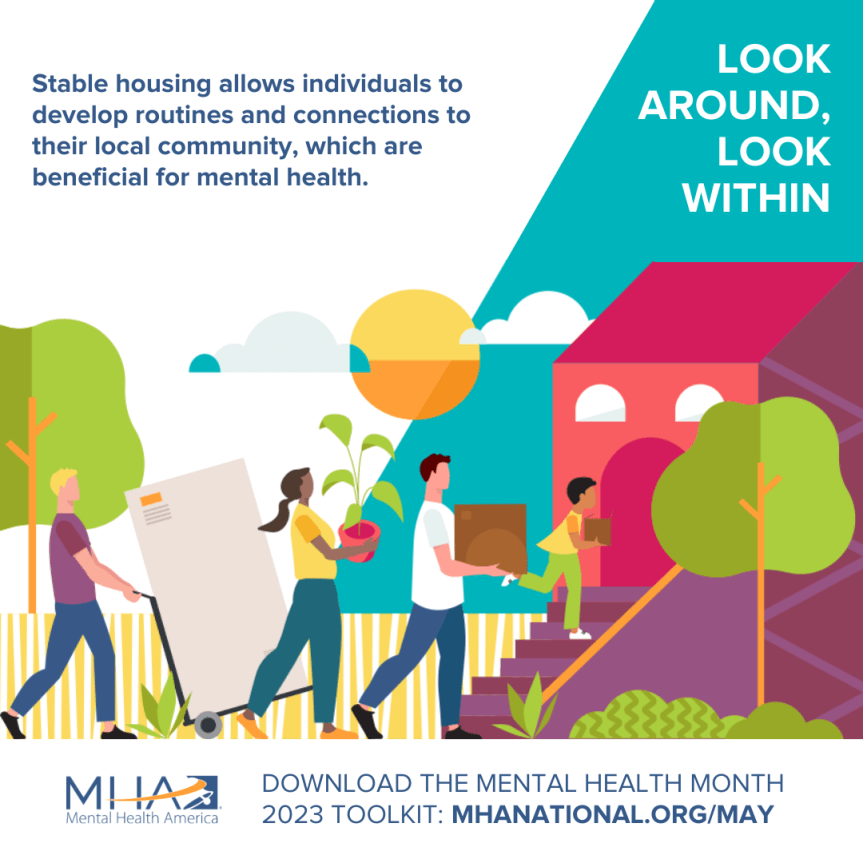
Shape your home environment with this worksheet from Mental Health America! Learn how you can fall in love with your home to protect your mental health! Download today!


Shop The Caregiver Cafe E-Commerce Store!

We founded The Caregiver Cafe Shopify Store with one simple goal: to help you experiment with your passion while at the same time providing amazing prices. We were tired of cookie-cutter stores with lackluster selections, and boring gifts. Instead of offering a huge unoriginal collection, we carefully curate just a few unique pieces perfectly suited for people the taste buds like you.

We focus on items that get you excited about shopping again, as we believe buying online should always be fun!


Listen to the latest Caregiver Cafe Podcast!

Managing the responsibilities of caregiving can be overwhelming, especially if you have other commitments such as work and family.

Transitioning your parents to a more supportive environment, like an assisted living facility or your home can help alleviate some of the caregiving burden and ensure they receive the care they need.

In this episode, we get down to how to handle such a major shift in both you and your parents’ life.

Press play to listen in.

Subscribe to The Caregiver Cafe Weekly Newsletter!

Caregiving can be a roller coaster of ups and downs. The information that you will receive from The Caregiver Cafe Weekly Specials Newsletter will support you as a caregiver. Remember…

1. YOU ARE NOT ALONE: The problems you face as a caregiver are experienced by other caregivers. Knowing that you’re not alone can be comforting. 

2. Tools and Resources:  Find caregiver stress management tools and gain perspective from other caregiver’s experiences.

3. LEARN TO: Ask for help, accept help when it is offered, and acknowledge yourself on this caregiving journey. Hear from experts on how to balance caregiving responsibilities by taking care of your needs and involving others to help manage the natural stress and isolation of being a caregiver. 

Help! I Don’t Feel Like Caregiving: 5 Simple Self-Care Practices for Caregivers to Recharge and Refresh

By Roz Jones

Being a caregiver can be an incredibly rewarding experience, but it can also be a challenging and emotionally draining one. There are some days when you may feel overwhelmed, frustrated, or just plain exhausted from the demands of caring for a loved one. On those days, it can be tempting to step back and take a break from your caregiving duties, but what do you do when you can’t?

It’s important to recognize that it’s okay to have days when you don’t want to be bothered with caregiving. Feeling burnt out or emotionally drained is a normal part of the caregiving experience, and it’s essential to prioritize your own mental and physical health. However, it’s also important to remember that caregiving is a responsibility that can’t be ignored or put off indefinitely.

Here are some tips for coping with those days when you don’t want to be bothered with caregiving:

  1. Take a mental health day: Just like any other job, it’s okay to take a day off from caregiving to focus on your own well-being. Use this time to rest, recharge, and engage in activities that bring you joy and relaxation.
  2. Reach out for support: Don’t be afraid to ask for help from friends, family, or community resources. Enlisting the support of others can help alleviate some of the stress and responsibilities of caregiving, and provide you with the opportunity to take a break.
  3. Practice self-care: Prioritizing your own self-care is essential to maintaining your mental and physical health. Engage in activities that make you feel good, such as exercise, meditation, or spending time with loved ones.
  4. Consider professional caregiving assistance: Professional caregivers can offer support and assistance with the daily tasks of caregiving, allowing you to take a step back and focus on your own well-being.
  5. Seek counseling: Talking to a therapist or counselor can provide you with the tools and strategies to cope with the emotional challenges of caregiving, and offer a safe space to express your feelings and concerns.

Remember, there will be days when you don’t want to be bothered with caregiving, and that’s okay. Prioritizing your own mental and physical health is essential to being an effective and compassionate caregiver. By taking care of yourself, you’ll be better equipped to care for your loved one in the long run.


Unlock Your Mental Well-being: Take the First Step with a Mental Health Screening

Unlock the potential for a healthier and happier you this Mental Health Awareness Month. Start your journey towards emotional well-being by taking a decisive step with a mental health screening at MHAScreening.org. Much like a regular physical check-up, a mental health screening provides an invaluable opportunity to assess and address any underlying concerns. Don’t ignore that nagging feeling that something isn’t quite rightโ€”take action and prioritize your mental health today.

This mental health screening covers a wide range of important topics, including stress management, anxiety, depression, and more. Whether you’ve been experiencing persistent feelings of unease or simply want to gain a deeper understanding of your emotions, this screening is a vital tool to help you regain control of your mental health. Don’t let concerns go unaddressed or escalate into something more challenging to manage. Visit MHAScreening.org now, and unlock the power of self-awareness and proactive well-being. Together, let’s break down the barriers surrounding mental health and embark on a transformative journey toward a brighter future.


Stay Connected!

Coping with Grief and Loss as a Mental Health Caregiver

By Roz Jones

As a mental health caregiver, you may experience grief and loss as a result of the illness or condition of the person you are caring for. Whether it is due to a decline in health, a change in behavior, or the loss of the person you are caring for, grief and loss can be difficult to cope with. In this blog, we will explore ways to cope with grief and loss as a mental health caregiver.

Acknowledge Your Feelings

The first step in coping with grief and loss is to acknowledge and accept your feelings. It is natural to feel a range of emotions, including sadness, anger, guilt, and even relief. It is important to allow yourself to feel these emotions and not judge yourself for them. Bottling up your feelings can lead to further emotional distress and can even affect your mental and physical health.

Seek Support

It is important to seek support from others when coping with grief and loss. This can include talking to friends, family members, or a therapist. Support groups can also be helpful as they provide a safe space to share your feelings and connect with others who are going through similar experiences. It is important to remember that seeking support is not a sign of weakness, but rather a sign of strength.

Take Care of Yourself

As a mental health caregiver, it can be easy to neglect your own needs while caring for someone else. However, taking care of yourself is essential in coping with grief and loss. This can include engaging in self-care activities such as exercise, meditation, and getting enough sleep. Eating a balanced diet and avoiding drugs and alcohol can also help you manage your emotions and cope with stress.

Celebrate the Person’s Life

When coping with grief and loss, it can be helpful to celebrate the person’s life and the memories you shared together. This can include creating a scrapbook or photo album, planting a tree, or making a donation in their honor. Celebrating their life can help you focus on positive memories and bring a sense of peace.

Seek Professional Help

If you find that your grief and loss are affecting your ability to function in your daily life, it may be helpful to seek professional help. A therapist or counselor can provide you with tools and strategies to cope with your emotions and manage stress. They can also provide support and guidance in navigating the caregiving process.

Coping with grief and loss as a mental health caregiver can be a difficult and emotional journey. It is important to acknowledge your feelings, seek support, take care of yourself, celebrate the person’s life, and seek professional help if needed. Remember, it is okay to grieve, and seeking help is a sign of strength, not weakness.


Unlock Your Mental Well-being: Take the First Step with a Mental Health Screening

Unlock the potential for a healthier and happier you this Mental Health Awareness Month. Start your journey towards emotional well-being by taking a decisive step with a mental health screening at MHAScreening.org. Much like a regular physical check-up, a mental health screening provides an invaluable opportunity to assess and address any underlying concerns. Don’t ignore that nagging feeling that something isn’t quite rightโ€”take action and prioritize your mental health today.

This mental health screening covers a wide range of important topics, including stress management, anxiety, depression, and more. Whether you’ve been experiencing persistent feelings of unease or simply want to gain a deeper understanding of your emotions, this screening is a vital tool to help you regain control of your mental health. Don’t let concerns go unaddressed or escalate into something more challenging to manage. Visit MHAScreening.org now, and unlock the power of self-awareness and proactive well-being. Together, let’s break down the barriers surrounding mental health and embark on a transformative journey toward a brighter future.


Stay Connected!

Mental Health, Caregiving and the Workplace: Balancing Responsibilities

By Roz Jones

As the population ages, more and more people are finding themselves in the role of caregiver for an aging or ill loved one. Balancing the demands of caregiving with work responsibilities can be challenging, and can take a toll on one’s mental health. In this blog, we will discuss the relationship between mental health, caregiving, and the workplace, and provide tips and resources for maintaining good mental health while juggling multiple responsibilities.

The Impact of Caregiving on Mental Health and Work Performance

Caregiving can be a stressful and emotional experience, which can have an impact on one’s mental health. According to a study by the National Alliance for Caregiving and AARP, caregivers are more likely to experience depression and anxiety, and are more likely to report poor physical health than non-caregivers. Caregivers may also face financial strain due to the cost of caregiving expenses.

The demands of caregiving can also affect work performance. Caregivers may need to take time off work to provide care or attend medical appointments, which can lead to missed deadlines or decreased productivity. In addition, the stress of caregiving can spill over into the workplace, leading to conflict with coworkers or difficulty concentrating on tasks.

Tips for Maintaining Good Mental Health and Balancing Responsibilities

To maintain good mental health while balancing caregiving and work responsibilities, it’s important to prioritize self-care. This can include seeking support from family and friends, utilizing employee assistance programs, or seeking professional counseling. It’s also important to communicate with employers about caregiving responsibilities and to explore flexible work options, such as telecommuting or flexible hours.

Another tip is to create a caregiving plan and schedule, and to involve other family members or support systems whenever possible. This can help to reduce stress and anxiety by creating a sense of predictability and structure in the caregiving role. It’s also important to set boundaries and communicate clearly with loved ones and coworkers about what you are and are not able to provide in terms of care or work responsibilities.

Resources for Caregivers in the Workplace

There are a variety of resources available to support caregivers in the workplace. Many employers offer employee assistance programs, which can provide counseling, legal and financial assistance, and caregiver support. The Family and Medical Leave Act (FMLA) provides eligible employees with up to 12 weeks of unpaid leave for caregiving purposes, without fear of job loss.

Balancing the demands of caregiving and work responsibilities can be challenging, but it’s important to prioritize self-care and utilize resources for support. By communicating with employers and creating a caregiving plan, caregivers can maintain good mental health and provide effective care for their loved ones, while still meeting work responsibilities.


Unlock Your Mental Well-being: Take the First Step with a Mental Health Screening

Unlock the potential for a healthier and happier you this Mental Health Awareness Month. Start your journey towards emotional well-being by taking a decisive step with a mental health screening at MHAScreening.org. Much like a regular physical check-up, a mental health screening provides an invaluable opportunity to assess and address any underlying concerns. Don’t ignore that nagging feeling that something isn’t quite rightโ€”take action and prioritize your mental health today.

This mental health screening covers a wide range of important topics, including stress management, anxiety, depression, and more. Whether you’ve been experiencing persistent feelings of unease or simply want to gain a deeper understanding of your emotions, this screening is a vital tool to help you regain control of your mental health. Don’t let concerns go unaddressed or escalate into something more challenging to manage. Visit MHAScreening.org now, and unlock the power of self-awareness and proactive well-being. Together, let’s break down the barriers surrounding mental health and embark on a transformative journey toward a brighter future.


Stay Connected!

Mental Health and Caregiving for Older Adults: What You Need to Know

By Roz Jones

As we age, our physical and mental health can decline, making it difficult to complete daily tasks without assistance. Family members and loved ones may step in as caregivers to provide support and ensure the well-being of older adults. However, caregiving can take a toll on one’s mental health, and it’s important to recognize the signs and seek support to prevent caregiver burnout.

In this blog, we will discuss the relationship between mental health and caregiving for older adults, and provide tips and resources for maintaining good mental health while providing care.

The Impact of Caregiving on Mental Health

Caregiving can be a rewarding experience, but it can also be stressful and emotionally draining. Many caregivers face a significant amount of stress and anxiety, which can take a toll on their mental health over time. According to the Family Caregiver Alliance, caregivers are at higher risk for depression and anxiety than non-caregivers.

Caregivers may also experience feelings of guilt, frustration, and burnout, as they strive to provide the best care possible for their loved one. The demands of caregiving can lead to a lack of sleep, social isolation, and neglecting one’s own physical and emotional needs, which can have a negative impact on mental health.

Tips for Maintaining Good Mental Health while Caregiving

It’s essential to prioritize self-care while caregiving for older adults. This can include seeking support from family and friends, joining a support group, or seeking professional counseling. It’s also important to take breaks and engage in activities that bring joy and relaxation.

Another tip is to stay organized and create a routine. This can help to reduce stress and anxiety by creating a sense of structure and predictability in the caregiving role. It’s also important to communicate with the older adult being cared for about their needs and preferences and to involve them in decision-making whenever possible.

Resources for Caregivers

There are a variety of resources available to support caregivers and their mental health. The National Alliance for Caregiving offers online support groups, caregiver education, and resources for financial and legal assistance. The Family Caregiver Alliance provides information and resources on caregiver health and wellness, as well as advocacy and policy efforts.

Caring for older adults can be a rewarding experience, but it can also take a toll on one’s mental health. It’s important to recognize the signs of caregiver burnout and prioritize self-care while providing care. By seeking support and utilizing resources, caregivers can maintain good mental health and provide effective care for their loved ones.


Unlock Your Mental Well-being: Take the First Step with a Mental Health Screening

Unlock the potential for a healthier and happier you this Mental Health Awareness Month. Start your journey towards emotional well-being by taking a decisive step with a mental health screening at MHAScreening.org. Much like a regular physical check-up, a mental health screening provides an invaluable opportunity to assess and address any underlying concerns. Don’t ignore that nagging feeling that something isn’t quite rightโ€”take action and prioritize your mental health today.

This mental health screening covers a wide range of important topics, including stress management, anxiety, depression, and more. Whether you’ve been experiencing persistent feelings of unease or simply want to gain a deeper understanding of your emotions, this screening is a vital tool to help you regain control of your mental health. Don’t let concerns go unaddressed or escalate into something more challenging to manage. Visit MHAScreening.org now, and unlock the power of self-awareness and proactive well-being. Together, let’s break down the barriers surrounding mental health and embark on a transformative journey toward a brighter future.


Stay Connected!