
Caring for Elderly Parents

By Roz Jones

Joanne’s mother, Betty, had rheumatoid arthritis for years.  Suddenly and unexpectedly, Betty was disabled by the pain, fatigue and limited mobility that she had feared since her diagnosis.  

Joanne convinced her fiercely independent mother that living alone was no longer an option. Joanne, the eldest of four children, knew that caring for her sick mother fell on her shoulders.  Joanne was a legend in the circles of her family, friends and colleagues for her ability to act with grace under pressure.

Joanne took two weeks of vacation from her job to cook and freeze meals for her husband and three children before she flew to her hometown to assist her mother. Joanne wondered how she would coordinate her mother’s care from a distance. Supporting her husband as he built his new business, nurturing her kids and directing a major project at work already made her feel that she was running on empty.  

You may relate to Joanne’s story.  One out of every four Americans cares for a friend or relative who is sick, disabled, or frail. That’s 46 million Americans who offer unpaid help to a loved one.  If they were paid caregivers’ compensation would exceed last year’s Medicare budget! Also like Joanne, you become a caregiver, and try to do it alone, shrouded in secrecy. 

Solo caregiving compromises your ability to nurture yourself and others. Let’s take caregiving out from behind closed doors.  For your sake and the sake of those who count on you, please get help. Caregivers are competent people who feel that they should be able to do this job.  Yet, many soon find themselves unprepared and ill-equipped to manage the sometimes daunting tasks, such as managing a complex medical regimen, remodeling a house so it’s wheel-chair accessible, or even finding someone to stay with their loved ones so they can go out to a movie without worrying their relatives will fall on the way to the fridge.

If you are a caregiver, you know that this act of love has its costs.  You stand to forfeit up to $650,000 in lost wages, pension and social security.  Add to that is the personal cost to your well-being, as your new demands leave you less time for your family and friends.  You may give up vacations, hobbies and social activities.  Finally, caregiving places a burden on your health.  Caregivers are at increased risk for depression, anxiety, depressed immune function and even hospitalization.

Instead of reaching out, caregivers become isolated.  Many who assume the caregiving burden fit the profile of the giving family member, like Joanne, who does not want to trouble others with their problems.  Some fear the consequences of disclosing their new demands to coworkers or employers. Caregivers are further challenged by the cultural conspiracy of silence.  Our youth-centered society turns a blind eye to the unpleasant and inevitable reality that all of us age and die.  This leaves both caregivers and care recipients unprepared.  Look no further than the path of Hurricane Katrina to witness the consequences of a lack of planning.

What can you do?  Start talking about the “what ifs” and make a plan.  If you aren’t sure where to start, I am here to help! Book a Family Caretaker Help Session and leave our meeting with your care plan in hand!

How To Spot Elder Abuse

By Roz Jones

Elder abuse is described by the following acts among family, household members, nursing home staff, or any individual. 

– When somebody attempts or causes physical injury to an elder

– When the family member or staff of a nursing home attempt or place an elder in terror or alarm of physical harm by torment, threat or harassment

– When one is convincing or persuading an elder by strength or intimidation to participate in a certain act from which the elder has the right to withhold

– When one meaningfully confines the movements of an elder without his consent

– Threatening the elder to a crime of violence

1. Detecting Abuse: 

– Burn marks from cigarette

– Black eye, lacerations, bruises or cuts that can not be explained

– Rope marks, a sign that the elder had been tied or slashed upon

– Hair loss, a sign that the elder’s hair was pulled

– Bodily sores and wounds

– Fingernails that are broken

– The elder’s skin is very poor condition

– Fractures of the bone

– Bite marks

– Eye glasses are broken

– Laboratory results are positive of drug overdose

– The elder displays a sudden change of behavior

– The caregiver refuses to allow visitors to see the elder

2. Signs Of Neglect: 

– Sores are untreated

– Displays significant signs of malnutrition

– May show signs of insanity

– Lack of personal hygiene care

3. Signs Of Emotional Abuse: 

– May display a nervous behavior

– Constantly be disturbed or upset

– Displays a negative attitude

– Always in anxiety

– Demonstrate signs of insecurity, such as constant sucking or biting of the fingers

4. Financial Abuse: 

– Unknown withdrawal from the elder’s account

– Unusual ATM withdrawals and switching of accounts

– The elder tend to withdraw money often

– The elder does not receive his pension or Social Security check from the mail

– The elder, without any valid reason, revises his will and changes his beneficiary

– The elder unexplainably signs contracts that results to unwanted financial commitment

– Signature was forged

– The elder has plenty of unpaid bill, despite his assets that can very well cover the bill

– Strange credit card charges

5. Signs Of Sexual Abuse

– Mysterious and unexplained genital infection

– Anal or vaginal bleeding that can not be explained

– Ripped underwear

– The elder may tell someone that she has been sexually abused

– Genitals are bruised

– The elder may report that her caregiver is showing her pornographic materials

– The report of the elder that she is forced to touch someone’s genitals, observe sexual acts, tell dirty stories and pose nude for a picture

6. How Can You Prevent Abuse To Yourself As An Elder?

– Keep and continue contacts with friends and neighbors

– Work out on a buddy system with other elders in the home

– Be active socially, do not be in isolation

– Protest and speak up if you are not happy or content with the way your caregiver or other family member treats you. Tell somebody

– Request your friends and other relatives to visit you often

– Open your mail personally

– Never sign anything unless it was reviewed by someone that you trust

– Always review your will once in a while

– Coordinate so that your pension or Social Security check be deposited directly to your bank account than being sent by mail

7. How Can You Prevent Abuse To Others?

– Pay attention. Be wary and look out for signals that might point towards abuse

– Call your loved one as frequently as possible

– Visit your loved one often and make certain that she is well taken cared of

– Always be open to your loved one, taking the time to always talk to her and assure her that you are there to help and can be trusted

– Get permission to periodically look into your loved one’s bank accounts as well as credit card statements for unauthorized withdrawals or transactions

8. How To Get Help If You Or Someone You Know Is Suffering Abuse:

911 or your local police emergency number or your local hospital emergency room

National Center on Elder Abuse

Washington, DC 20005

(202) 898-2586

Fax: (202) 898-2583

Area Agency on Aging

Almost all States have information as well as a referral line that can be useful and helpful in locating and finding services for elder abuse and neglect victims.

National Domestic Violence Hotline

The hotline provides support counseling for victims of domestic violence and provides links to 2,500 local support services for abused women. The hotline operates 24 hours a day, every day of the year.

1-800-799-SAFE

TDD 1-800-787-3224

Be Prepared For Natural Disasters In Your Area

By Roz Jones

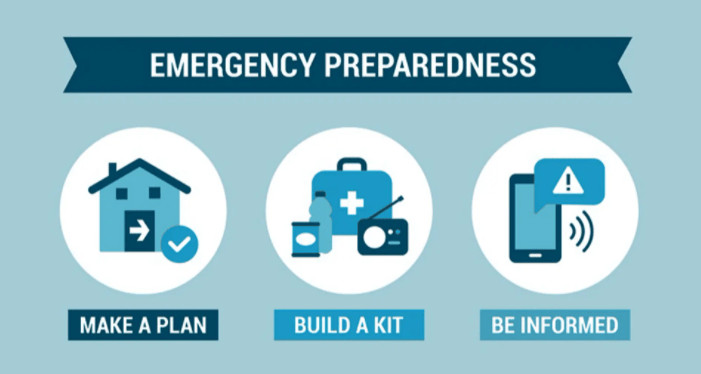
Natural disasters appear in all parts of the world, and no matter where you live, chances are that you will encounter several of them throughout your lifetime. Depending on where you live, they may happen, or at least threaten your home much more frequently. It’s easy to see why it is important to be prepared for them, especially when you are caring for a loved one in the midst of it.

The first thing you need to know is what type of emergencies and disasters you can expect in your area. We can all be affected by fire and winter storms that shut down roads and power are likely across the country as well. From there it depends on where you live. Your town may be prone to flooding, tornadoes, hurricanes, typhoons, earthquakes and the likes. Do your homework, watch the news, talk to your neighbors and figure out what natural disasters you should prepare for. A great source for information is your local government, particularly emergency services. Many will not only be able to make you aware of any dangers, but also have brochures, plans, and other resources that will help you prepare for any eventuality. 

Once you know what natural disasters you can expect where you live, it’s time to learn how to best respond to them. Will you likely wait things out in your home, or will you be required to evacuate? Are there emergency shelters or evacuation routes you should be aware of? Do those shelters meet the needs of those you are caring for?

Once you have the basics down, figure out a plan for securing your home, yard and vehicles depending on the disaster. What can you do to make sure your property has the best possible chance to come out of the disaster undamaged? If you’re in an area prone to flooding, having sand bags on hand can be invaluable. Again, what you need will greatly depend on where you live and what natural disaster you can expect. 

Having a good emergency kit that includes food, water, medication, first aid kit, flash light, radio and a few tools is a good idea. Every household should have a kit that’s kept in good order and is easy to reach in an emergency. 

Make sure you are aware of the potential threats as early as possible so you can prepare. Set up alerts on your phone, sign up for local emergency preparedness emails, and keep an eye on the news and social media if you think there is a potential for a disaster. The earlier you know the better you can react and prepare. Listen to local authorities and don’t hesitate to evacuate should the need arise. Things can be replaced, people can’t.

Keeping Important Documents Safe and Secure

By Roz Jones

We hope and pray that nothing will happen to our home, but it’s a good idea to be prepared “just in case”. You likely have insurance on your home and many material things in your house can be easily replaced should disaster strike. Other things like photos and important documents can be hard or impossible to replace. Missing documents can make it harder to rebuild after disaster strikes. That’s why it is a good idea to keep them safe and secure. 

Invest In A Fire Safe 

A good fire safe will survive a lot of damage. Invest in a quality one for any documents you want to keep at home. You can get a fairly small box that can be stashed away in a closet or cabinet. Make sure both you and your spouse know where the safe is kept and has a key to open it. 

Get A Bank Deposit Box 

You may also want to rent a bank deposit box and store important documents, or notarized copies of them there. This will come in handy when you need the information on the documents (i.e. your insurance policy number), or you need to replace documents that didn’t survive a home emergency. 

Make Physical Copies 

It’s amazing how much easier it is to get a replacement passport or birth certificate if you have a copy of the original. That’s why it’s helpful to make these paper copies and keep them in a secure offsite location (like a bank deposit box). You could also keep them at a family member’s home. Make sure the copies are stored safely to avoid issues like identity theft. 

Make Digital Copies And Store Them Online 

Last but not least, go ahead and scan the documents or take pictures of them with your phone and store them on a secure online server. Places like Deposit Box, or even Google Photo will store quite a bit of information for you free of charge. Since your document scans are living in the cloud, you can easily access them from anywhere with your phone or a borrowed computer. This also makes it easy to email them off to insurance agents, or government officials to get replacement documents made. 

Spend a little time this week to sort through your most important documents and get your paperwork in order. It won’t take you long to scan them, take pictures of them, and/or make photocopies. The little work you’re doing now to be prepared will potentially save you a lot of headache down the road. 

Make it a point to revisit your documents every 6 months to make sure everything is up to date and in order. Once the original setup is done, it will be much easier to keep up with it. You’ll likely only need to change out one or two document copies a year.

How to Identify a Possible Mental Health Issue

By Roz Jones

It had been painstaking for some to identify the real deal behind mental health. Some may experience a glitch of being depressed or aggressive then go back to normalcy. While others show some behaviors that are quite odd and uncertain, which may indicate that there is a shifting of attitude in the person and can result in mental disorders.

Mental health providers are capable of distinguishing the difference between being mentally healthy and mentally ill. They diagnose based on symptoms that the client may or may not manifest when going through the evaluation process. There are a lot of approaches and here are some:

1. One’s own perception

Here, you have to assess yourself internally. Are you having morbid thoughts or thoughts of harming yourself or others? Your behaviors, thoughts, and functioning can determine if you are mentally healthy or mentally ill. If there is a sudden shift in your daily habits and routines which you used to enjoy, then there might be something wrong.

In severe cases of mental illness, people can go on with their lives without doing chores or even bathing themselves. Therefore, it is important to assess yourself. If you can no longer pinpoint what is wrong, it may be time to seek professional help.

2. Other people’s perception

It is important to rely on those you trust for opinions on changes in your behavior. People around you may be the best source for an objective opinion. You may see yourself to be perfectly fine while others may disagree. Schizophrenia is one very good example of this, wherein a person may admit seeing or hearing things where in fact nothing’s there.

3. Ethnic and cultural norms

Oftentimes, a person’s normalcy is defined by their culture. Because people are living within different boundaries and cultures, what is normal for others may not seem normal for you. For example, when a person hears or sees things that others cannot, some people may call this insanity, but for some religions, this is normal and is a sort of divine intervention. Culture within the family may also affect the way you see others. What you normally do within your home may not be the same as others.

4. Based on statistical numeric

“Within the range” –a term often used to describe normalcy. Generally, the average or range defines what is normal. However, statistics can change. For instance if they go higher or lower, the range of normalcy shifts.

The information above is not meant to be used as a tool to diagnose yourself or others with a mental health disorder. However, it can be used as a gauge for when to seek medical help for yourself or your loved one.