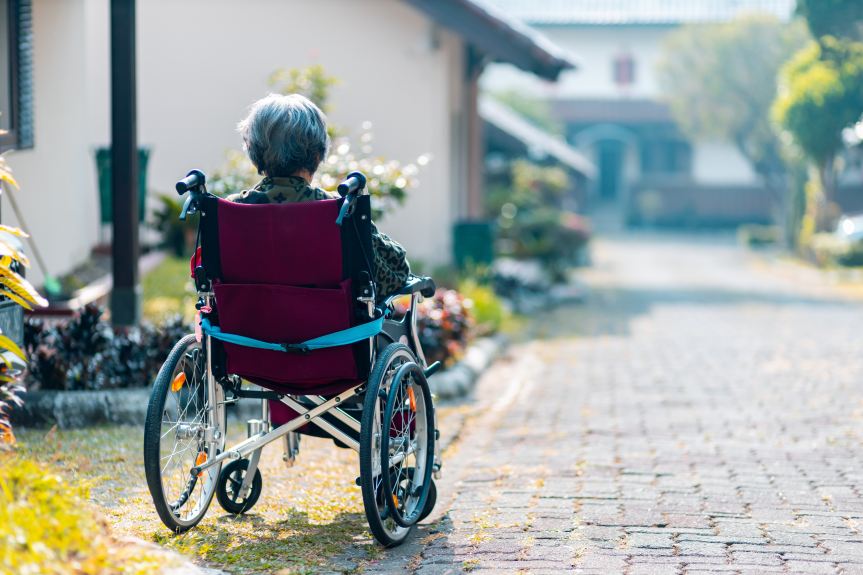
Strategies to Educate and Engage for Emotional Resilience in Alzheimer’s Care

By Roz Jones

Caring for a loved one with Alzheimer’s disease requires emotional resilience, and as caregivers, it’s crucial to prioritize our own well-being. In this blog, we explore strategies to support you on your Alzheimer’s care journey, including the latest news about Rosalynn Carter’s personal experience with dementia.

  1. Seek Support and Connect:

Alzheimer’s caregiving can be challenging, but you don’t have to face it alone. Connect with support groups and organizations that understand your experiences. Share your journey, seek advice, and gain empathy from others who have walked a similar path. Stay updated with the latest news and resources, including insights from Alzheimer’s associations worldwide.

  1. Educate Yourself:

Knowledge is empowering. Stay informed about Alzheimer’s disease, its symptoms, its progression, and available treatments. By understanding the disease, you can anticipate changes and provide better care. Stay connected with ongoing research and caregiving techniques to enhance your knowledge and capabilities.

  1. Prioritize Self-Care:

Taking care of yourself is vital for sustained caregiving. Dedicate time for self-care activities that rejuvenate your mind, body, and soul. Engage in exercises, hobbies, or relaxation techniques that bring you joy and peace. Prioritize your own physical and mental well-being to ensure you can continue to provide quality care.

  1. Set Realistic Expectations:

Recognize your limits and set realistic expectations for yourself as a caregiver. Accept that you can’t do everything alone and reach out for assistance when needed. Delegate tasks to family members, friends, or professional caregivers to share the responsibilities. Adjusting expectations and seeking support can prevent burnout and promote well-being.

  1. Practice Mindfulness and Stress Management:

Caregiving can be stressful, but incorporating mindfulness and stress management techniques can make a significant difference. Engage in practices that promote calmness, such as deep breathing exercises, mindfulness meditation, or yoga. Practice self-compassion and let go of perfectionism. Seek professional guidance if needed to manage stress effectively.

  1. Take Breaks and Practice Respite Care:

Remember to take breaks and prioritize respite care. Give yourself permission to recharge and rejuvenate. Utilize trusted family members, friends, or respite care services to provide temporary relief from caregiving responsibilities. Use this time to focus on yourself, pursue your interests, or simply relax. Taking breaks ensures your own well-being and enhances your ability to care for your loved one.

Rosalynn Carter’s recent diagnosis of dementia reminds us of the importance of emotional resilience in Alzheimer’s caregiving. By seeking support, educating ourselves, practicing self-care, setting realistic expectations, practicing mindfulness, and taking regular breaks, we can nurture our own well-being and provide compassionate care to our loved ones. Together, let’s navigate the challenges of Alzheimer’s with strength and resilience.

Stay Ahead of the Storm: Download Your Free Expert Storm Guide Now!

Photo by ALTEREDSNAPS on Pexels.com

As we know, June โ€“ November is Hurricane Season. As a family caregiver, there are many ways to prepare your loved ones for it. Early preparation helps reduce opportunities for stress and anxiety as storms approach.

One of the best ways to prepare is allowing your loved on to assist in packing their travel bag, checking their contact list and ensuring there are adequate emergency supplies.

Participationโ€ฆ not isolationโ€ฆ go a long way when preparing for major storms. This Seniors Storm Guide gives essential information to refer to again and again!


Stay Connected!

Creating an Environment of Stimulation Not Isolation for Aging Loved Ones with Alzheimer’s

By Roz Jones

Creating a safe and stimulating environment is paramount when caring for individuals with Alzheimer’s disease. The physical surroundings significantly impact their well-being, reducing anxiety and fostering familiarity. In this blog, we will explore practical strategies for designing a care environment that supports the unique needs of Alzheimer’s patients. Additionally, we will discuss the latest news about Rosalynn Carter’s diagnosis of dementia, highlighting the importance of awareness, compassion, and support in Alzheimer’s care.

Simplify the Space:

Simplicity is key when designing an environment for Alzheimer’s patients. Minimizing clutter and removing unnecessary items reduces confusion and sensory overload. A clean and organized space promotes easy navigation and visual clarity, ensuring a comfortable and familiar environment. Recent news about Rosalynn Carter’s diagnosis serves as a reminder of the need for simplicity and clarity in Alzheimer’s care.

Safety First:

Ensuring the safety of loved ones with Alzheimer’s is paramount. Implement appropriate safety measures throughout the living space, including handrails and grab bars in bathrooms and hallways to assist with mobility. Use non-slip mats or rugs to prevent falls. Secure cabinets containing hazardous items or medications. By addressing potential safety hazards, caregivers can create an environment that promotes independence and minimizes the risk of accidents. Recent news about Rosalynn Carter underscores the importance of prioritizing safety in Alzheimer’s care.

Promote Familiarity:

Familiarity brings comfort to Alzheimer’s patients. Surround them with familiar objects, photographs, and mementos that evoke positive memories. Display items reflecting their personal history and interests. Incorporate scents, such as lavender or vanilla, known for their calming effects. By creating an environment rich in familiarity, caregivers can provide a sense of security and reduce feelings of disorientation. The latest news about Rosalynn Carter’s diagnosis emphasizes the significance of familiar surroundings in Alzheimer’s care.

Sensory Stimulation:

Engaging the senses can enhance cognitive function and emotional well-being for individuals with Alzheimer’s. Introduce elements that stimulate the senses, such as soft textures, soothing music, and pleasant aromas. Provide access to nature by creating a small garden or setting up bird feeders outside windows. Incorporate activities that engage the senses, such as art, music, or sensory games, to promote cognitive stimulation and emotional connection. Recent news about Rosalynn Carter reminds us of the importance of sensory stimulation in Alzheimer’s care.

Establish Routine and Structure:

Consistent routines provide stability and predictability for Alzheimer’s patients. Establish a daily schedule with regular mealtimes, activities, and periods of rest. Create visual reminders, such as a daily calendar or whiteboard, to help individuals understand and anticipate their routines. Consistency and structure reduce anxiety, confusion, and agitation. The news about Rosalynn Carter’s diagnosis emphasizes the significance of routine and structure in Alzheimer’s care.

Social Connection:

Social interaction is crucial for the emotional well-being of individuals with Alzheimer’s. Design spaces within the environment that encourage socialization, such as a comfortable seating area for family members and friends to gather. Encourage visits and organize social activities that facilitate connection and engagement. Involving loved ones in community programs or support groups specifically designed for individuals with Alzheimer’s can also be beneficial. The latest news about Rosalynn Carter underscores the importance of social connection in Alzheimer’s care.

Creating a safe and stimulating environment for Alzheimer’s patients requires thoughtful planning and attention to their unique needs. By simplifying the space, prioritizing safety, promoting familiarity, engaging the senses, establishing routine, and fostering social connection, caregivers can provide an environment that nurtures well-being and enhances quality of life.

 Remember, the environment you create plays a crucial role in supporting the journey of individuals with Alzheimer’s, offering them comfort, stimulation, and a sense of belonging in their changing world.

Stay Ahead of the Storm: Download Your Free Expert Storm Guide Now!

Photo by ALTEREDSNAPS on Pexels.com

As we know, June โ€“ November is Hurricane Season. As a family caregiver, there are many ways to prepare your loved ones for it. Early preparation helps reduce opportunities for stress and anxiety as storms approach.

One of the best ways to prepare is allowing your loved on to assist in packing their travel bag, checking their contact list and ensuring there are adequate emergency supplies.

Participationโ€ฆ not isolationโ€ฆ go a long way when preparing for major storms. This Seniors Storm Guide gives essential information to refer to again and again!


Stay Connected!

The Power of Connection, Community, and Conversation for Alzheimer’s Caregivers

By Roz Jones

Caring for someone with Alzheimer’s disease can be an incredibly challenging and emotionally demanding journey. Effective communication is one of the most powerful tools that caregivers have at their disposal. Establishing a strong connection with their loved ones can significantly enhance their quality of life, reduce anxiety, and foster a sense of trust. In this blog, we will delve into the importance of communication in Alzheimer’s caregiving and provide practical strategies to navigate this role with compassion and support. Additionally, we will discuss the latest news about Rosalynn Carter’s diagnosis of dementia, further emphasizing the need for awareness and support.

Understanding Communication Challenges:

Alzheimer’s disease progressively impairs cognitive abilities, including language, comprehension, and memory. This results in difficulties expressing thoughts and emotions, as well as understanding others. Recognizing these challenges is crucial for effective communication. It’s important to remember that behavior and communication skills may change over time, requiring adaptability and patience from caregivers. Recent news about Rosalynn Carter’s diagnosis of dementia highlights the importance of understanding these challenges and seeking appropriate support.

Non-Verbal Communication:

When verbal communication becomes challenging, non-verbal cues become invaluable in bridging the communication gap. Facial expressions, touch, and body language can convey love, comfort, and reassurance. Maintaining eye contact, using gentle gestures, and employing a calm and soothing tone of voice can help individuals with Alzheimer’s feel understood and valued, even if they struggle to find the right words. These techniques remain crucial in light of the recent news about Rosalynn Carter, as they emphasize the significance of alternative communication methods.

Simplify and Clarify:

As Alzheimer’s progresses, using simple and concise language becomes essential. Speaking slowly and clearly, allowing ample time for processing and response, is crucial. Visual aids, such as pictures or written cues, can enhance comprehension. Breaking down tasks and instructions into manageable steps, focusing on one concept at a time, helps simplify communication and encourages participation while reducing frustration. These strategies remain relevant in light of the recent news about Rosalynn Carter, as they remind us of the importance of adapting communication techniques to meet individuals’ evolving needs.

Active Listening and Validation:

Active listening and validating emotions are powerful ways to connect with individuals with Alzheimer’s. Showing genuine interest through eye contact and nodding in acknowledgment, and responding with empathy and understanding, holds tremendous value, even if their words seem confused or disconnected. Recent news about Rosalynn Carter’s diagnosis underscores the significance of active listening and validation, as they demonstrate the importance of empathetic responses to individuals living with dementia.

Seek Support and Education:

Being a caregiver is not a journey meant to be tackled alone. Seeking support from Alzheimer’s associations, local support groups, or online communities is crucial. These resources provide valuable advice, emotional support, and a safe space to share experiences with others who understand the challenges caregivers face. Educating oneself about the disease, its progression, and available resources empowers caregivers to provide better care. The news about Rosalynn Carter serves as a reminder that seeking support and education is essential for caregivers, regardless of their personal experiences.

Effective communication is a powerful tool for Alzheimer’s caregivers. Understanding the unique communication challenges that arise with the disease, employing non-verbal cues, simplifying language, actively listening, and seeking support are all crucial steps in enhancing the connection with loved ones and providing them with the care, comfort, and understanding they need. The recent news about Rosalynn Carter’s diagnosis further emphasizes the importance of awareness, support, and ongoing research in the field of dementia. By nurturing meaningful connections, caregivers can make a profound difference in the lives of those living with Alzheimer’s.

Stay Ahead of the Storm: Download Your Free Expert Storm Guide Now!

Photo by ALTEREDSNAPS on Pexels.com

As we know, June โ€“ November is Hurricane Season. As a family caregiver, there are many ways to prepare your loved ones for it. Early preparation helps reduce opportunities for stress and anxiety as storms approach.

One of the best ways to prepare is allowing your loved on to assist in packing their travel bag, checking their contact list and ensuring there are adequate emergency supplies.

Participationโ€ฆ not isolationโ€ฆ go a long way when preparing for major storms. This Seniors Storm Guide gives essential information to refer to again and again!


Stay Connected!

Unraveling Alzheimer’s: A Guide to Understanding the Disease and Its Impact on the Brain

By Roz Jones

Alzheimer’s disease is a complex and progressive neurodegenerative disorder that affects millions of individuals worldwide. It is the most common form of dementia, characterized by a decline in cognitive function, memory loss, and behavioral changes. It can be challenging for the patient as well as the caregiver taking care of them. Unraveling the mysteries surrounding Alzheimer’s is crucial not only for those directly affected but also for their families, caregivers, and the scientific community. In this comprehensive guide, we will delve into the nature of Alzheimer’s disease, its impact on the brain, and the ongoing efforts to understand and combat this debilitating condition.

Understanding Alzheimer’s Disease:

Alzheimer’s disease primarily affects the brain, gradually impairing its ability to function properly. The hallmark characteristics of the disease include the accumulation of two abnormal protein structures: beta-amyloid plaques and tau tangles. Beta-amyloid plaques build up between nerve cells, while tau tangles form inside the cells. These abnormal protein deposits disrupt communication between neurons, leading to the progressive deterioration of brain tissue.

Causes and Risk Factors:

Although the exact causes of Alzheimer’s disease remain elusive, researchers have identified several factors that may contribute to its development. Age is the most significant risk factor, with the majority of cases occurring in individuals over 65 years old. Genetics also play a role, as certain gene mutations have been associated with an increased risk of developing the disease. Additionally, lifestyle factors such as cardiovascular health, education, diet, and exercise may influence the risk of developing Alzheimer’s.

Prevalence among the Aging Population:

As the global population continues to age, Alzheimer’s disease has become a growing public health concern. Currently, it is estimated that over 50 million people worldwide are living with dementia, with Alzheimer’s accounting for approximately 60-80% of all cases. In the United States alone, it is the sixth leading cause of death. With the aging population projected to increase in the coming years, the prevalence of Alzheimer’s is expected to rise significantly, posing significant challenges for healthcare systems, families, and society as a whole.

Former First Lady Rosalynn Carter: A Dedicated Alzheimer’s Advocate:

Former First Lady Rosalynn Carter has been a dedicated advocate for Alzheimer’s disease awareness and support. She has made significant contributions to the field, especially through her work with The Rosalynn Carter Institute for Caregiving, a nonprofit organization she co-founded in 1984. The institute focuses on providing education, research, and support to caregivers, equipping them with the necessary tools and resources to navigate the complexities of caring for individuals with Alzheimer’s and other chronic illnesses.

In a deeply personal turn of events, Rosalynn Carter was recently diagnosed with dementia. Despite this diagnosis, she continues to inspire others through her unwavering dedication to the cause. Her own experience with the disease has further fueled her advocacy efforts, emphasizing the importance of early detection, caregiver support, and research for better treatment options.

Rosalynn Carter’s contributions to Alzheimer’s advocacy extend beyond national borders. She has actively participated in international platforms, sharing her expertise and raising awareness about the impact of Alzheimer’s disease on individuals, families, and communities. Her resilience and determination have helped destigmatize dementia and foster a more compassionate understanding of the challenges faced by those living with the condition.

Alzheimer’s disease remains a complex and devastating condition that affects individuals, families, and communities worldwide. By unraveling its mysteries, we can gain a deeper understanding of the disease’s nature, causes, and impact on the brain. Increased knowledge allows for early detection, intervention, and the development of effective treatments. Together, through continued research, support, and the advocacy efforts of individuals like Rosalynn Carter, we can strive towards a future where Alzheimer’s disease is no longer a burden but a conquered challenge.

Stay Ahead of the Storm: Download Your Free Expert Storm Guide Now!

Photo by ALTEREDSNAPS on Pexels.com

As we know, June โ€“ November is Hurricane Season. As a family caregiver, there are many ways to prepare your loved ones for it. Early preparation helps reduce opportunities for stress and anxiety as storms approach.

One of the best ways to prepare is allowing your loved on to assist in packing their travel bag, checking their contact list and ensuring there are adequate emergency supplies.

Participationโ€ฆ not isolationโ€ฆ go a long way when preparing for major storms. This Seniors Storm Guide gives essential information to refer to again and again!


Stay Connected!