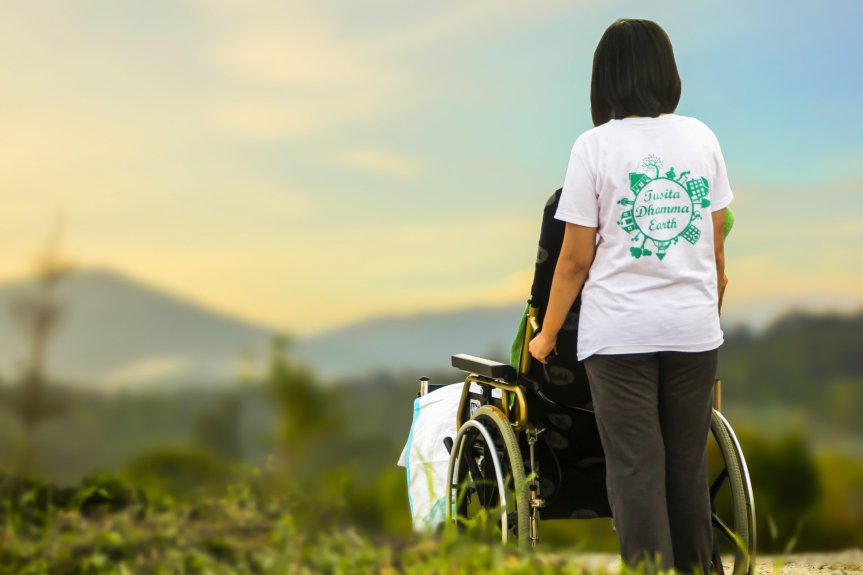
Caring for Elderly Parents: 5 Tips for Avoiding Caregiver Burnout

By Roz Jones

Joanne’s mother, Betty, had rheumatoid arthritis for years.  Suddenly and unexpectedly, Betty was disabled by the pain, fatigue and limited mobility that she had feared since her diagnosis.  

Joanne convinced her fiercely independent mother that living alone was no longer an option.  And Joanne, the eldest of four children, knew that caring for her sick mother fell on her shoulders.  Joanne was a legend in the circles of her family, friends and colleagues for her ability to act with grace under pressure.

Joanne took two weeks of vacation from her job and cooked and froze meals for her husband and three children.  As she flew to her hometown, she wondered how she would coordinate her mother’s care from a distance. Supporting her husband as he built his new business, nurturing her kids and directing a major project at work already made her feel that she was running on empty.  

You may relate to Joanne’s story.  One out of four Americans cares for a friend or relative who is sick, disabled or frail. That’s 46 million Americans who offer unpaid help to a loved one.  If they were paid caregivers’ compensation would exceed last year’s Medicare budget! And if you become a caregiver, you, like Joanne, may try to do it alone, shrouded in secrecy. 

Solo caregiving compromises your ability to nurture yourself and others. Let’s take caregiving out from behind closed doors.  For your sake and the sake of those who count on you, please get some help. Caregivers are competent people who feel that they should be able to do this job.  Yet, many soon find themselves unprepared and ill-equipped to manage the sometimes daunting tasks, such as managing a complex medical regimen or remodeling a house so it’s wheel-chair accessible or even finding someone to stay with their loved ones so they can go out to a movie without worrying their relatives will fall on the way to the fridge.

If you are a caregiver, you know that this act of love has its costs.  You stand to forfeit up to $650,000 in lost wages, pension and social security.  Add to that is the personal cost to your well-being, as your new demands leave you less time for your family and friends.  You may give up vacations, hobbies and social activities.  Finally, caregiving places a burden on your health.  Caregivers are at increased risk for depression, anxiety, depressed immune function and even hospitalization.

Instead of reaching out, caregivers become isolated.  Many who assume the caregiving burden fit the profile of the giving family member, like Joanne, who does not want to trouble others with their problems.  Some fear the consequences of disclosing their new demands to coworkers or employers. Caregivers are further challenged by the cultural conspiracy of silence.  Our youth-centered society turns a blind eye to the unpleasant and inevitable reality that all of us age and die.  This leaves both caregivers and care recipients unprepared.  Look no further than the path of Hurricane Katrina to witness the consequences of a lack of planning.

What can you do?   Start talking about the “what ifs” and make a plan.  

1. Start with yourself. What will happen to you and your family if you become disabled or die unexpectedly?  Do you have disability insurance? Do you have a will?  Do you have a living will, and have you identified the person who will make the medical choices you would make if you are not in the position to do so?  

2. Approach healthy family members.  Say, “I hope that you live many happy years in which you enjoy all of the pleasures you worked so hard to create.”  Have you thought about what would happen to you in the event that you cannot live independently anymore?  If some medical event befalls you, who would make your medical choices?

3. Look into community resources that support caregiving.  A day program, for example, helps your loved one by providing social connections with peers.  Your community may even offer transportation to and from the program.  Getting out of the house offers the additional benefit of getting bodies moving.  Socializing and exercise are the two most powerful interventions that help your loved ones stay at their best.  

4. Make specific suggestions to friends, family members and neighbors who want to help. You may even want to keep a “help list.” When they say, “Let me know what I can do,” you have a response:  “Could you take Mom to her physical therapy appointment this week?”  “When you’re at the store, could you pick up some oranges and blueberries?”  “Could you watch the kids for an hour so I can get to the gym?” Your giving friends will appreciate specific ideas about how they can help.

5. Take care of your health.  Get good nutrition, plenty of sleep, and regular exercise to stay in top health.  Wash your hands regularly to prevent colds and flu.  Manage your stress with laughter, a prayer or even a deep breath.  Nourish your soul with a taste of activities that recharge your batteries such as writing in your journal or gardening.  Finally, talk to your doctor if you feel depressed or anxious.   

The best strategies for effective caregiving include preparation, acts of self-care and reaching out for help. That begins with the courage to start talking openly about caregiving.

Managing Caregiver Guilt: 5 Tips To Manage Guilt So Guilt Serves You, Not Imprisons You

By Roz Jones

Guilt is a common feeling in the landscape of care giving. Guilt can propel you to be the best you can be …or it can immobilize you.

 For caregivers, painful feelings — such as guilt, sadness and anger — are like any other pain. It’s your body’s way of saying, ‘Pay attention.’ Just as the pain of a burned finger pulls your hand from the stove, so, too, guilt guides your actions and optimizes your health.

You have a picture of the “Ideal You” with values you hold and how you relate to yourself and others. Guilt often arises when there’s a mismatch between your day-to-day choices and the choices the “Ideal You” would have made. The “Ideal You” may be a parent who attends all of the kids’ soccer games. Miss a game to take your dad to the doctor, and you think you’re falling short.  

You may have needs out of line with this “Ideal You.” You may believe that your own needs are insignificant, compared to the needs of your sick loved one. You then feel guilty when you even recognize your needs, much less act upon them. A mother may ask herself, “How can I go out for a walk with my kids when my mother is at home in pain?” (A hint for this mother: she can give more to her mother with an open heart when she takes good care of herself.)

You may have feelings misaligned with the “Ideal You.” Feeling angry about the injustice of your loved one’s illness? You might even feel angry at your loved one for getting sick! Recognizing those feelings can produce a healthy dose of guilt. Yes, you may even feel guilty about feeling guilty.

 “Why did my loved one get sick?” you may ask. Perhaps, if the “Ideal You” acted more often, your loved one would be healthy. What if you served more healthful meals? What if you called 911, instead of believing your husband when he said his chest pain was just “a little heartburn”? 

 If you’re the kind of person prone to guilt, learn to manage guilt so that guilt serves you rather than imprisons you. Here are 5 tips for managing your caregiver guilt:

 Recognize the feeling of guilt: Unrecognized guilt eats at your soul. Name it; look at the monster under the bed

 Identify other feelings: Often, there are feelings under the feeling of guilt. Name those, too. For example, say to yourself: “I hate to admit this to myself, but I’m resentful that dad’s illness changed all of our lives.” Once you put it into words, you will have a new perspective. You will also be reminding yourself of how fortunate you are to have what it takes to take care of loved one.” 

 Be compassionate with yourself: Cloudy moods, like cloudy days, come and go. There’s no one way a caregiver should feel. When you give yourself permission to have any feeling, and recognized that your feelings don’t control your actions, your guilt will subside.

 Look for the cause of the guilt: What is the mismatch between this “Ideal You” and the real you? Do you have an unmet need? Do you need to change your actions so that they align with your values?

Take action: Meet your needs. Needs are not bad or good; they just are. If you need some time alone, find someone to be with your loved one.

Change your behavior to fit your values: For example, Clara felt guilty because her friend was in the hospital and she didn’t send a card. Her guilt propelled her to buy some beautiful blank cards to make it easier for her to drop a note the next time.

 Ask for help: Call a friend and say, “I’m going through a hard time. Do you have a few minutes just to listen?” Have a family meeting and say, “Our lives have been a lot different since grandma got sick. I’m spending more time with her. Let’s figure out together how we’ll get everything done.”

Revisit and reinvent the “Ideal You”: You made the best choices based on your resources and knowledge at the time. As you look to the future, you can create a refined vision of the “Ideal You.” What legacy do you want to leave? What values do you hold dear? Then, when you wake up in the morning and put on your clothes, imagine dressing the “Ideal You.” Let this reinvented “Ideal You” make those moment-to-moment choices that create your legacy.

Understand that you will be a more effective caregiver when you care for the caregiver first. Loved ones neither want nor expect selfless servants. As a caregiver, when you care for yourself, you increase and improve your own caring. Yes, guilt is part of caregiving, but this guilt can help you become the caregiver you and your loved one want you to be.

How to Spot Elder Abuse

By Roz Jones

Elder abuse is described by the following acts among family and members of the household, any nursing home staff or any individual. 

– When somebody attempts or causes physical injury to an elder

– When the family member or staff of a nursing home try to or is trying to place an elder in terror or alarm of physical harm by torment, threat or harassment

– When one is convincing or persuading an elder by strength or intimidation to participate in a certain act from which the elder has the right to withhold

– When one meaningfully confines the movements of an elder without his consent

– Threatening the elder to a crime of violence

1. Detecting Abuse: 

– Burn markings from cigarette

– Black eye, lacerations, bruises or cuts that can not be explained

– Rope marks, a sign that the elder had been tied or slashed upon

– Hair loss, a sign that the elder’s hair was pulled

– Bodily sores and wounds

– Fingernails that are broken

– The elder’s skin is very poor condition

– Fractures of the bone

– Bite marks

– Eye glasses are broken

– Laboratory results are positive of drug overdose

– The elder displays a sudden change of behavior

– The care giver refuses to allow visitors to see the elder

2. Signs Of Neglect: 

– Sores are untreated

– Displays significant signs of malnutrition

– May show signs of insanity

– Lack of personal hygiene care

3. Signs Of Emotional Abuse: 

– May display a nervous behavior

– Constantly be disturbed or upset

– Displays a negative attitude

– Always in anxiety

– Demonstrate signs of insecurity, such as constant sucking or biting of the fingers

4. Financial Abuse: 

– Unknown withdrawal from the elder’s account

– Unusual ATM withdrawals and switching of accounts

– The elder tend to withdraw money often

– The elder does not receive his pension or Social Security check from the mail

– The elder, without any valid reason, revises his will and changes his beneficiary

– The elder unexplainably signs contracts that results to unwanted financial commitment

– Signature was forged

– The elder has plenty of unpaid bill, despite his assets that can very well cover the bill

– Strange credit card charges

5. Signs Of Sexual Abuse

– Mysterious and unexplained genital infection

– Anal or vaginal bleeding that can not be explained

– Ripped underwear

– The elder may tell someone that she has been sexually abused

– Genitals are bruised

– The elder may report that her care giver is showing her pornographic materials

– The report of the elder that she is forced to touch someone’s genitals, observe sexual acts, tell dirty stories and pose nude for a picture

6. How Can You Prevent Abuse To Yourself As An Elder?

– Keep and continue contacts with friends and neighbors

– Work out on a buddy system with other elders in the home

– Be active socially, do not be in isolation

– Protest and speak up if you are not happy or contented with the way your caregiver or other family member treats you. Tell somebody

– Request your friends and other relatives to visit you often

– Open your mail personally

– Never sign anything unless it was reviewed by someone that you trust

– Always review your will once in a while

– Coordinate so that your pension or Social Security check be deposited directly to your bank account than being sent by mail

7. How Can You Prevent Abuse To Others?

– Pay attention. Be wary and look out for signals that might point towards abuse

– Call your loved one as frequently as possible

– Visit your loved one often and make certain that she is well taken cared of

– Always be open to your loved one, taking the time to always talk to her and assure her that you are there to help and can be trusted

– Get permission to periodically look into your loved one’s bank accounts as well as credit card statements for unauthorized withdrawals or transactions

8. How To Get Help If You Or Someone You Know Is Suffering Abuse:

911 or your local police emergency number or your local hospital emergency room

National Center on Elder Abuse

Washington, DC 20005

(202) 898-2586

Fax: (202) 898-2583

Area Agency on Aging

Almost all States have information as well as a referral line that can be useful and helpful in locating and finding services for elder abuse and neglect victims.

National Domestic Violence Hotline

The hotline provides support counseling for victims of domestic violence and provides links to 2,500 local support services for abused women. The hotline operates 24 hours a day, every day of the year.

1-800-799-SAFE

TDD 1-800-787-3224

Your Disabled Child Will Benefit from These Estate-Planning Tips

One of the biggest fears that parents of disabled adults face is not knowing who will care for their children when they die. Parenting disabled adults is a life-long commitment. Safety measures are in place that allows parents to make legal and medical decisions for their adult children despite them being over the age of eighteen. 

In some states, a conservatorship or guardianship is the legal means that parents have to give consent for medical treatment, housing authority, and helping their children access whatever they need. Protecting this legal authority is important. Without it there is no authority for giving consent and many disabled adults lack the cognition to give informed consent. 

If you are the parent of a disabled adult child, you and your child will benefit from these tips: 

Tip #1. Find a successor guardian- Naming a successor guardian is a simple legal task. Taking the initiative to name a successor guardian while you are alive will streamline the process and prevent a break in protection for your adult child. Often times a successor may be an adult sibling or a secondary relative though being related is not a requirement.  

Tip #2. Access resources in your community- Many disabled adults have resources available to them such as regional centers. These resources may be able to help with accessing attorneys or other programs that can help protect and serve your adult disabled child.

Tip #3. Begin to think about housing- If your adult disabled child has been living with you, it may be time to explore options outside of your home. There are often group settings or shared housing options available or perhaps there are family members ready to assist. Making a plan before you need it will help make transitions smoother.  

Tip #4. Encourage as much independence as possible- Your adult disabled child may have opportunities for employment or social activities through the Opportunity Center or other programs. Foster as much independence as possible while protecting and honoring their limitations. Helping your child be as independent as possible will serve them when you can not be there as their primary care provider. 

Families supporting an adult disabled child face unique circumstances in long-range planning. Finding the right support system and getting things in place for when you are unable to manage their care will make things easier when the time comes.

Protecting Dignity and Values During an Accident or Illness

Having a debilitating illness or injury can be devastating. Not only is your health fractured, your dignity can be in jeopardy too. Being sick subjects us to medical procedures that leave us feeling exposed physically and mentally. It can be hard to feel secure and in control of our person when we are being put through the medical gauntlet. 

Likewise, supporting someone who is going through tough medical issues can feel uncomfortable. Being exposed literally and figuratively to procedures and losing independence can be isolating and disrupting. Being able to protect dignity and values during an accident or illness is an important part of the process. 

Medical providers and first responders see people every day who are at their worst. They are providing care to people who are injured, sick, and sometimes dying. It can take a toll on them and they tend to compartmentalize their feelings so they can do tough work without showing emotion. This can adversely affect patients who often times feel like they don’t matter outside of being a body that needs medical attention. 

Sometimes the practical side of medicine collides with the intimate side of dignity. Finding the balance is important. Here are some reminders to help maintain dignity and keep your values when you are sick or have an accident. 

Remember: Communicate- You are in the driver’s seat of your care. Communicate your beliefs, preferences, and boundaries if you feel your dignity is being affected. Though some procedures and side affects of an illness may be undignified, you can manage to protect what little dignity is available. 

Remember: Advocate- If you are someone supporting someone else with an illness or injury, you can advocate for their dignity. Lead by example and make sure their feelings, values, and person are respected and protected under every circumstance. 

Remember: The golden rule- Being nice generally brings about compassion in others. Even if you are gravely ill or chronically sick you can control how you treat others. Being kind to medical providers and those supporting you will encourage them to be kind right back.


Having an accident or illness can render people helpless and put them in tough situations. It’s important to preserve dignity and hold to values even under these circumstances. There are simple things you can do to protect your dignity and that of those you love.