When it comes to funeral and burial planning, most people think of traditional options like being buried in a cemetery or cremated. These are very common options and perfect if they are in alignment with your idea of how you want your remains handled. Did you know there are some unique burial options out there too?
Now, more than ever, there are some pretty amazing alternatives to traditional burial or cremation. As the population grows and people expand their understanding of issues like the carbon footprint or being “green,” more options are coming up for managing burial than ever. Here’s just a few:
Donating your body to science: Donating your body to science isn’t new but the practice is on the rise. Donating your body to science means there are no costs for you or your family. It generally includes cremation once the usages for medical science are complete. In some cases, donated bodies have been used for more permanent situations such as the Body World donor program where bodies are on display in museums and traveling exhibits.
Donating your body to a body farm: Like donating your body to science, donating your body to a forensic anthropology center helps forensic scientists learn more about bodies in ways that help solve crimes. This can be very useful helping teach students in the criminal justice fields of science.
Donating your body for cadaver training: One of the methods used to locate and recover bodies after a natural disaster or act of terrorism is cadaver dogs. These are highly trained dogs that can smell and locate human remains. You can donate your body to teach and train dogs and their handlers to help others in the event of a disaster.
Human composting: A company in the Pacific Northwest is trying to pass legislation that will allow for human composting. This is the act of combining remains with straw, water, and oxygen to rapidly decompose a body which can be used for compost or other natural uses. This cuts down on costs associated with traditional cremation or burial and saves space, wood, and energy.
There are many alternatives to traditional burial out there. Likely there is a method that combines with an interest you have whether it is green burial, helping with the sciences, or being of service to your local community training programs. Find an alternative that represents your passions and consider it as an option.
If you have an emergency resulting in medical attention, there is a chance your religious beliefs could collide with conventional medical treatment. For a range of reasons, your beliefs may not jive with the prescribed treatment for an illness or injury.
Protecting your religious beliefs ahead of time will make an impact on your life should you have an illness, accident, or die. It’s important for you to convey them to your medical team or somehow alert them to be cautious of your beliefs.
There are many ways to make sure your religious beliefs are carried out and honored. Here is a list of actions you can consider to protect your beliefs:
Use an advance directive: Your advance directive can detail any limitations or specific needs you have based on your religion and religious practices including refusing treatments when they do not match your religious practices.
Wear an alert bracelet: Sometimes people wear jewelry that indicates their religion or preferences in case they are unable to speak on their own behalf.
Make pre-planned funeral arrangements: You can protect your religious beliefs and customs by pre-planning the care of your body after you die. Some religions have very specific rites of passage that can be protected by a mortuary that understands your beliefs and can carry them out on your behalf.
Choose providers based on their beliefs: From personal care physicians to hospitals, rehab centers, and assisted living facilities, many are faith-based. Choose providers that already share your beliefs for an easier time. If you do not have access to a provider in your same faith, connect with their social services department to open a discussion about your needs.
Designate an advocate: You may need an advocate to speak with staff and educate or hold them to your standards for religious boundaries. A clergy member or elder staff member at your church might be a great advocate for your care needs.
Did you know? There are protections for staff from engaging in practices that go against their religious beliefs as well. Be sure your needs are covered wherever you receive care. Some faith-based hospitals, care homes, or providers may be protected against performing procedures that are against their belief systems too.
Religious beliefs play a large role in treatment and after-death management of your remains. Be sure to educate others about any limitations or boundaries you have based on your faith and help ensure your rights are protected and respected.
5 Tips for Decreasing the Cost of Caring for Elderly Parents
Roz Jones
Over 30 million Baby Boomers provide countless hours of
assistance to elderly parents at no charge. It is estimated that, using average
hourly wages, the total amount of this uncompensated care is comparable to the
entire Medicare budget. For the estimated 7 million Boomers who provide long
distance care, actual out of pocket expenses amount to almost $5,000 per month.
For caregivers who have, or are considering leaving the workforce to care for
an ailing parent, the costs are even greater over $650,000 in forfeited
salaries, benefits and pensions.
This stark economic reality shows only one dimension of the
price caregivers pay for this act of love.
Caregivers pay with losses that extend well beyond their
bank accounts. They often forego the activities that bring joy and richness to
their lives, like meeting friends for dinner, or going out to the movies or
taking family vacations. They pay with their time, the loss of professional
opportunities and the erosion of personal relationships that result in
isolation.
Sometimes, otherwise healthy loved ones need a short dose of
care as they recover from an acute medical episode like a broken leg. Usually
loved ones are on a path of steady decline with cascading assistance needs.
Some caregivers sacrifice large chunks of their own lives as they help their
parents and other family members and friends peacefully make their transitions.
Caregivers can pay with their own health and well-being. In fact, we have
evidence that some caregivers pay for their acts of care with their very lives.
You can decrease the personal and economic costs of
caregiving. This means proactive planning rather than reactive responding.
Planning saves money. You know this as you reflect upon your experiences of
going to the grocery store with and without a shopping list. Planning also
minimizes personal wear and tear and decreases stress. You will feel much
better when you know your options and develop back-up plans before you jump
into a challenging project.
5 Tips to Decrease
the Cost of Caregiving:
1. Begin the
conversation today. We have tremendous cultural resistance to the
recognition of aging, disability and death. Just as the first few steps uphill
are the hardest, so, too, you may meet the greatest resistance simply starting
the conversation about their possible need for care. Say today, Mom and Dad, it
would be great if you lived forever, but the discovery for the fountain of
youth is nowhere on the horizon. What thoughts and plans do you have about
enjoying your golden years?
2. Create a plan.
Talk with your parents about their ideal plan if they are no longer able to
care for themselves. Then, start to work toward that proactively. Investigate
long-term care insurance. Draw up the appropriate legal documents. Find out who
would make medical choices if they were not able to make them on their own,
along with some guiding principles for the choices. You can anticipate and
limit parental resistance by saying, Mom and Dad, I just got back from the
lawyers office signing my will and durable medical power of attorney. I’ve
asked Mitch to make my medical choices if I cannot make them myself. Just so
you know, if I were in vegetative state, I wouldn’t want to be maintained on a
machine. You probably already planned ahead too, right?
3. Use personal and
community resources. Make caregiving a family job to which each member
contributes. Even children can make grandmas life special with drawings and
phone calls. Identify services that make your job as a caregiver easier. If you
and your parents live in the same community, check with friends and neighbors
and local organizations to learn about services and resources that will make
your job easier. You say, Mom has just moved in with us, and she wants to find
a card game with the girls. Do you know of any senior centers that have social
events? How about transportation?
Were a mobile society and millions of caregivers live more
than an hour away from their parents? Executive William Gillis learned from his
own personal experience how challenging it is to identify community resources
from afar. As he was carving the path that ultimately led his on-line portfolio
management service, he became the caregiver for his father. Talk about mixed
emotions! Professionally, he was introducing a service that let millions manage
their investments with one click of a computer mouse. Personally, he was
investing untold hours just to find one bit of information to help his dad.
As with so many innovators, he used his personal and
professional experience to launch Parent Care, a service that he wished would
have made his life as a caregiver-at-a-distance easier.
4. Gather
cost-savings tips. This might mean something as simple as ordering generic
medication or regularly inquiring about senior discounts. But, most cost
savings opportunities aren’t as obvious. Mr. Gillis found, for example, that
some states will pay for phones for hearing, visually or mobility limited
seniors or fund home safety improvements. He said, we’ve invested heavily to
locate time and money saving resources that most would have difficulty finding.
I made it a personal mission to help other caregivers avoid some of the costs
and frustration I encountered. You don’t have to re-invent the wheel. Tap into
the resources others have collected.
5. Take care of
yourself. You will be able to provide the best care as a caregiver when
you’re at your best. Get good nutrition, enough sleep and regular exercise.
Manage your stress and do a little something every day to nurture your soul.
Understand that you are at increased risk for anxiety, depression, and weakening
your immune system. Talk to your doctor if you see worrisome signs such as
problems sleeping, changes in appetite or loss of interest in activities you
enjoy.
Despite the costs, most caregivers say that they received
much more than they gave. Most say they would do it again, and many do.
Sometimes the question is not the personal cost of
caregiving; it’s the value that you bring to the lives of others that matter at
the end. What personal cost are you willing to pay for the privilege of helping
those who welcomed you into the world to enjoy their golden years and travel
the road of illness with love and dignity?
If the job of being a caregiver only involved giving help to
your aging parent such as doing the dishes and helping fill out the Medicare
paperwork, your life would be considerably easier. And if that were the case, even if there was
a lot to do, the problem of caregiver burn out would not be such an issue.
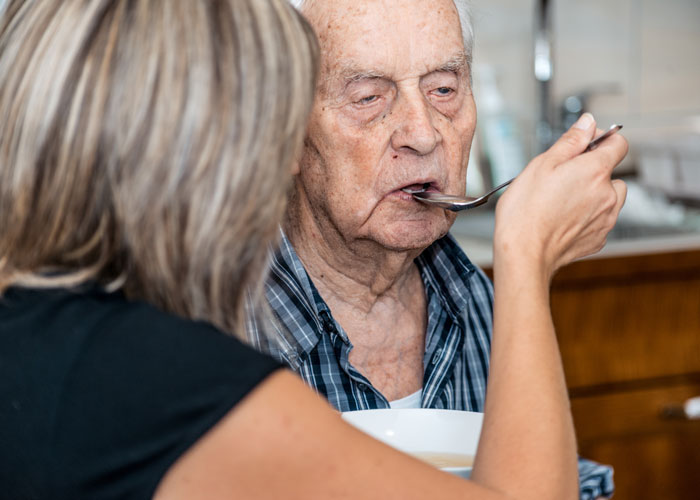
But the real drain on you and even on the senior citizen you
are taking care of comes in the emotional toll that the care giving
relationship brings with it. Because the
“assumed understanding” of the care giving relationship is based on the
extended giving of a very large favor, guilt becomes a common element in every
aspect of the time you spend with your aging parent.
It’s very easy for the senior citizen to feel guilty for
asking you for the work you do to take care of him. It’s a strange situation because in most
cases, they never asked. You may have
stepped in because you saw your parent’s life beginning to unravel and you knew
that someone had to help get his retired life organized. And yet, the senior citizen feels a lot of
guilt because you are giving him huge amounts of time and that is time away
form your family and maybe your work to do things for him unpaid and very often
without thanks.
It doesn’t help that the time of transition from
independence to assisted care is one of huge loss of self esteem for your aging
parent. There are a lot of tremendous
changes that happen in rapid order for y our parent and they happen in areas of
life that have remained unchanged for decades.
If inside of a year your mom or dad go through a loss of their home to
go live in an assisted living facility, loss of mobility because they cannot
drive and loss of independence because everything is being done for them, that
causes a lot of negative emotions. Guilt
makes its appearance because they feel irrationally that if they had not grown
old, this would never have happened.
But guilt also is an issue for you, the caregiver. There always seems to be something more you
could be doing for your parents. It
doesn’t help that the senior citizen you work so hard to care for also inflicts
guilt on you by whining, “I wish you never had to go home” or by complaining
about their lives and getting angry.
So what can be done about all of this guilt? Guilt doesn’t make the relationship better
and it doesn’t improve the quality of life for the caregiver or from the senior
being cared for. So whatever we can do
to shut it down would be a positive step for both parties.
Probably the most proactive thing you can do about guilt is
confront it directly. Sit down with your
aging mom or dad and get those guilt feelings out in the open. It’s not their fault they got old. Your parent should not feel guilty about being
cared for by you. After all they cared
for you for decades when you were just a child and young adult.
But taking the teeth out of guilt, you have a real chance of getting that out of your relationship. By learning not to put guilt on each other, you become a team in care giving, not combatants. And these are positive steps toward a healthy senior citizen and caregiver relationship.
There is one axiom that if your parents don’t pass away
young in life, you are going to watch them age.
Now for the most part, this is a natural and nice part of life because
mom and dad can slowly become grandma and grandpa which are nice roles for them
after working so hard to raise you.
But a corollary to that axiom is that if mom and dad are
going to age, at some point you are going to begin helping them with the daily
affairs of life. And that occasional
helping will escalate as their needs grow strong until you will become a full-fledged
caregiver for an elderly person.
For many, the time when you suddenly become a caregiver is
just that – sudden. It happens often
after the death of a parent and the widowed parent suddenly becomes needy
because of the loss they are experiencing.
For married couples who have been together for decades, that loss is equivalent
to the loss of a limb and far more devastating so that may be the time when you
suddenly go from having few concerns for your aging parent to having many.
It might be strange to look at it this way, but the more you
can ease into care giving, the more time you have to get used to it, for your
elderly parent or parents to get used and for your family, forefends and coworkers
to get used to it. And if you can step
in and make some minor changes to the environment of your aging parent, you may
be able to delay the time when they become very dependent on you.
If your parent or parents are still living in their own
home, there are things you can do to make their living space more accessible
and safe including…
Create
a lifestyle that is all on one level. Stairs
can become a hazard for an elderly person.
So early in your plans to adapt their living space, move them into a
ground floor bedroom and put all significant rooms, including the kitchen, the pantry,
the laundry room and the living room are on the same level.
Take
some of the work out of daily chores.
Most local grocery stores will deliver food to the elderly so you can
make those arrangements for your aging parent.
You can also find services that work by the hour that come in and clean
the house, do simple repairs and chores and take care of the business of home
ownership for your parents.
You
can make arrangements with home health
care professionals to drop by for an hour or two a week just to make sure your
parents medications are still safe to use, that all prescriptions have been
filled and that your parent understands their medications and when and how to take
them.
Reorganize
the kitchen so things your parent will use every day are on an eye level shelf
and are easy to get to and to put away after washing. Make sure the toaster oven, microwave and
other important appliances are also easy to get to and that your parent is
comfortable with these units if the models that may have come with the assisted
living center are not familiar to them.
Go
through the house and make it easy for your parent to use. You can put in those walking and grab bars
along the halls and in the bathtub and other places where your mom or dad might
need the additional support. You can
check the lights so there are plenty of visibility for what your parents have
to do.
To really take the preparation of your parent’s living space
for their ease of use and safety, look at pulling emergency pull ropes in every
room. These units are used extensively
in assisted care units and they make it possible for your parent to pull that
cord if she is in trouble and set off an alarm or call to you or to emergency
care, should there be a sudden medical need.
By working to make your parent’s work area easy to use and
safe, you can do a lot to put off the time when your mom or dad may have to
move to a retirement village or nursing home.
And you keep them independent which allows you to slowly ease into care
giving which is much easier on everybody.





 The Caregiver Cafe