What to Pack for Your Aging Loved One in the Event of a Disaster

By Roz Jones

When disaster strikes, having an emergency kit prepared for your aging loved one can make all the difference in ensuring their safety and well-being. But what should you pack? In this blog, we’ll provide you with a comprehensive list of items to consider when packing for your aging loved one’s emergency kit.

  1. Medications: Pack a sufficient supply of your aging loved one’s medications, including any prescription and over-the-counter medications they may require.
  1. Medical equipment: If your aging loved one requires medical equipment, such as a nebulizer or oxygen tank, make sure to include it in their emergency kit.
  1. Personal care items: Pack personal care items such as toothbrushes, toothpaste, denture cleaner, and any other items your aging loved one may need to maintain their personal hygiene.
  1. Clothing: Pack enough clothing for your aging loved one, including underwear, socks, and comfortable, weather-appropriate clothing.
  1. Comfort items: Consider packing comfort items such as a favorite blanket, stuffed animal, or family photo to help your aging loved one feel more at ease during an emergency.
  1. Mobility aids: If your aging loved one uses a mobility aid, such as a cane, walker, or wheelchair, make sure to include it in their emergency kit.
  1. Glasses and hearing aids: Pack an extra set of glasses or hearing aids, along with any batteries or chargers needed.
  1. Important documents: Keep copies of important documents such as identification cards, medical records, and insurance policies in a waterproof container or a safe deposit box.
  1. Emergency contact information: Write down emergency contact information for your aging loved one, including their doctor’s name and phone number, and keep it in their emergency kit.
  1. Snacks and water: Pack non-perishable snacks and water for your aging loved one, along with any dietary restrictions or preferences they may have.

By packing these essential items, you can help ensure that your aging loved one is prepared for an emergency. Don’t forget to update their emergency kit regularly to ensure that their supplies and information are up-to-date and ready when needed.

Seniors Storm Guide: Essential Tips for Caregivers to Prepare Loved Ones for the Hurrican Season

As a caregiver, your loved one’s safety is a top priority, especially during hurricane season. The key to reducing stress and anxiety is early preparation. Our Seniors Storm Guide is a free resource that offers essential information to help you prepare your loved one for potential storms. From packing a travel bag to checking their contact list and ensuring there are adequate emergency supplies, this guide provides tips that your loved one can actively participate in. Participation, not isolation, is key when preparing for major storms. Our Seniors Storm Guide will serve as a valuable resource that you can refer to again and again. Download it today and be prepared for anything that comes your way this hurricane season.


Stay Connected!

Creating a Disaster Preparedness Checklist for You and Your Aging Loved One

By Roz Jones

Disasters can happen at any time and in any place, and being prepared for them can make all the difference in ensuring your safety and that of your loved ones. If you have an aging loved one, it’s important to create a disaster preparedness checklist that takes into account their specific needs and requirements. In this blog, we’ll provide you with a comprehensive list of items to consider when preparing for an emergency.

  1. Water: Plan for at least one gallon of water per person per day for at least three days, and don’t forget to include enough water for your aging loved one’s specific needs, such as drinking water or water needed for medical equipment.
  1. Non-perishable food: Prepare at least a three-day supply of non-perishable food that doesn’t require cooking, such as canned goods, energy bars, and dried fruits.
  1. Medications: Ensure that you have a sufficient supply of your aging loved one’s medications, as well as any medical supplies that they may require, such as a nebulizer or oxygen tank.
  1. First aid kit: Prepare a first aid kit that includes basic supplies like bandages, gauze, antiseptic wipes, and over-the-counter pain relievers.
  1. Personal documents: Keep copies of important documents like insurance policies, medical records, and identification cards in a waterproof container or a safe deposit box.
  1. Emergency cash: Keep some cash on hand in case ATMs and credit card systems are down.
  1. Flashlights and batteries: Ensure that you have enough flashlights and extra batteries for all members of your household, including your aging loved one.
  1. Blankets and warm clothing: Prepare warm clothing and blankets to help protect against the cold and wet weather conditions that can accompany many disasters.
  1. Communication devices: Consider having a battery-powered radio or a charged cell phone on hand to stay informed about emergency alerts and updates.
  1. Additional items for aging loved ones: Additional items to consider for your aging loved one’s emergency kit include hearing aids and batteries, glasses, mobility aids like a cane or walker, and comfort items like a favorite blanket or photo album.

By creating a disaster preparedness checklist for you and your aging loved one, you can take steps to ensure that you are both prepared for an emergency. Don’t forget to check and update your checklist regularly to ensure that your supplies and information are up-to-date and ready when needed.


Seniors Storm Guide: Essential Tips for Caregivers to Prepare Loved Ones for the Hurrican Season

As a caregiver, your loved one’s safety is a top priority, especially during hurricane season. The key to reducing stress and anxiety is early preparation. Our Seniors Storm Guide is a free resource that offers essential information to help you prepare your loved one for potential storms. From packing a travel bag to checking their contact list and ensuring there are adequate emergency supplies, this guide provides tips that your loved one can actively participate in. Participation, not isolation, is key when preparing for major storms. Our Seniors Storm Guide will serve as a valuable resource that you can refer to again and again. Download it today and be prepared for anything that comes your way this hurricane season.


Stay Connected!

Secure Digital Communication Tools for Caregivers

By Roz Jones

As a caregiver for an aging loved one, it’s important to protect their financial information and personal data from cyber threats. With advancements in technology, there are many digital communication tools available to caregivers that offer enhanced security features. Here are five secure digital communication tools that caregivers can use to protect their loved ones’ information:

  • Encrypted messaging apps: Encrypted messaging apps like WhatsApp and Signal use end-to-end encryption to protect messages from being intercepted or accessed by third parties. Caregivers can use these apps to communicate with their loved ones about sensitive information like financial accounts, medical records, and passwords.
  • Virtual private networks (VPNs): VPNs create a secure, encrypted connection between a caregiver’s device and the internet. This can help protect sensitive information like online banking and shopping activity from being intercepted by hackers or cybercriminals. Caregivers can use VPNs on their phones, tablets, and computers to add an extra layer of security to their online activity.
  • Video conferencing platforms with end-to-end encryption: Video conferencing platforms like Zoom and Google Meet offer end-to-end encryption for video calls, which can protect conversations from being intercepted by third parties. Caregivers can use these platforms to communicate with healthcare providers, financial advisors, and other professionals who may need access to their loved ones’ information.
  • Secure email services: Secure email services like ProtonMail and Tutanota offer end-to-end encryption for emails, which can help protect sensitive information from being accessed by unauthorized parties. Caregivers can use these services to communicate with their loved ones’ healthcare providers and financial advisors.
  • Two-factor authentication for online accounts: Two-factor authentication adds an extra layer of security to online accounts by requiring a second form of authentication in addition to a password. Caregivers can enable two-factor authentication on their loved ones’ online accounts, such as email, banking, and social media accounts, to help prevent unauthorized access.

Caregivers can take advantage of a variety of secure digital communication tools to protect their aging loved ones’ information from cyber threats. Encrypted messaging apps, VPNs, video conferencing platforms with end-to-end encryption, secure email services, and two-factor authentication are just a few of the tools available to caregivers. By using these tools, caregivers can help ensure that their loved ones’ sensitive information remains safe and secure. These strategies can also be used to protect you financially. To go a step further incorporate data backup methods and services to store sensitive and valuable information.


Transform Your Home Into a Sanctuary of Calm: Download Mental Health America’s Healthy Home Environment Document

Are you looking for ways to improve your mental health and well-being? If so, we have just the thing for you! Mental Health America’s new document ‘Healthy Home Environments,” provides valuable insights into how you can optimize your living space to promote better mental health.

Whether you are living with a mental health condition or just looking for ways to enhance your overall well-being, this document offers practical tips and strategies that anyone can benefit from. From decluttering your space to incorporating natural elements, this document is packed with actionable steps you can take to transform your home into a sanctuary of calm and tranquility. Don’t miss out on this opportunity improve your mental health and download “Healthy Home Environments” today!


Shop The Caregiver Cafe E-Commerce Store!

We founded The Caregiver Cafe Shopify Store with one simple goal: to help you experiment with your passion while at the same time providing amazing prices. We were tired of cookie-cutter stores with lackluster selections, and boring gifts. Instead of offering a huge unoriginal collection, we carefully curate just a few unique pieces perfectly suited for people the taste buds like you.

We focus on items that get you excited about shopping again, as we believe buying online should always be fun!


Are you or someone you know currently caring for an ex-partner? Check out my latest podcast episode where we dive into the complex emotions and relationship dynamics that can arise when providing care for an ex-spouse or partner. Listen as I share insight on how to navigate these challenges, including addressing past issues, maintaining open communication, and building a support system. Tune in now to gain a new perspective on this unique caregiving role!

Caregiving for an ex-partner can be a complex and challenging situation, as it may involve navigating complex emotions and past relationship dynamics. However, it is not an uncommon scenario, especially if the ex-partner is in need of significant care due to illness or disability.

In this eye-opening episode, we tackle the challenges of caregiving for an ex-partner by addressing past issues, maintaining open communication, and having a support system in place.

Whether you’re stepping into the unusual shoes of caring for an ex-spouse or want to help a friend facing this situation, our valuable insights will help make this experience less complicated and frustrating.

Don’t miss out on this enlightening discussion โ€“ tune in now!

Subscribe to The Caregiver Cafe Weekly Newsletter!

Caregiving can be a roller coaster of ups and downs. The information that you will receive from The Caregiver Cafe Weekly Specials Newsletter will support you as a caregiver. Remember…

1. YOU ARE NOT ALONE: The problems you face as a caregiver are experienced by other caregivers. Knowing that you’re not alone can be comforting. 

2. Tools and Resources:  Find caregiver stress management tools and gain perspective from other caregiver’s experiences.

3. LEARN TO: Ask for help, accept help when it is offered, and acknowledge yourself on this caregiving journey. Hear from experts on how to balance caregiving responsibilities by taking care of your needs and involving others to help manage the natural stress and isolation of being a caregiver. 

Coping with Caregiver Guilt When Choosing Adult Daycare for Your Aging Loved One

By Roz Jones

As a caregiver for an aging loved one, it’s natural to feel a sense of responsibility for their well-being. You want to make sure they receive the best possible care and support. However, when the time comes to consider adult daycare as an option, many caregivers can experience feelings of guilt and uncertainty. You may feel like you’re abandoning your loved one or failing as a caregiver.

It’s important to remember that choosing adult daycare is a positive and necessary decision for both you and your loved one. Adult daycare provides a safe and stimulating environment for your loved one, where they can socialize with others, engage in activities, and receive professional care and support.

To cope with caregiver guilt, it’s important to seek support. Talk to other caregivers, friends, or family members who can offer empathy and understanding. Joining a support group can also be helpful in connecting with others who are going through similar experiences.

Practicing self-care is another important coping strategy. Caregiving can be stressful, and it’s easy to neglect your own needs. Make sure to take breaks and prioritize activities that bring you joy and relaxation.

Staying involved in your loved one’s care can also help alleviate feelings of guilt. Attend their adult daycare program with them, participate in their activities, and stay informed about their care plan. This will help you feel connected and reassured that your loved one is receiving the best possible care.

It’s important to remember that choosing adult daycare is a positive and necessary decision for both you and your loved one. Adult daycare provides a safe and supportive environment for your loved one, and it allows you to maintain your own well-being as a caregiver. Explaining the benefits and factors that led to your choice of an adult care home will provide the logical basis for your decision. This goes a long way to helping you overcome undue guilt. Coping with caregiver guilt takes time and effort, but with the right support and self-care strategies, you can overcome these feelings and focus on providing the best possible care for your loved one.


May is Mental Health Month: Take Control of Your Mental Health with 31 Daily Tips

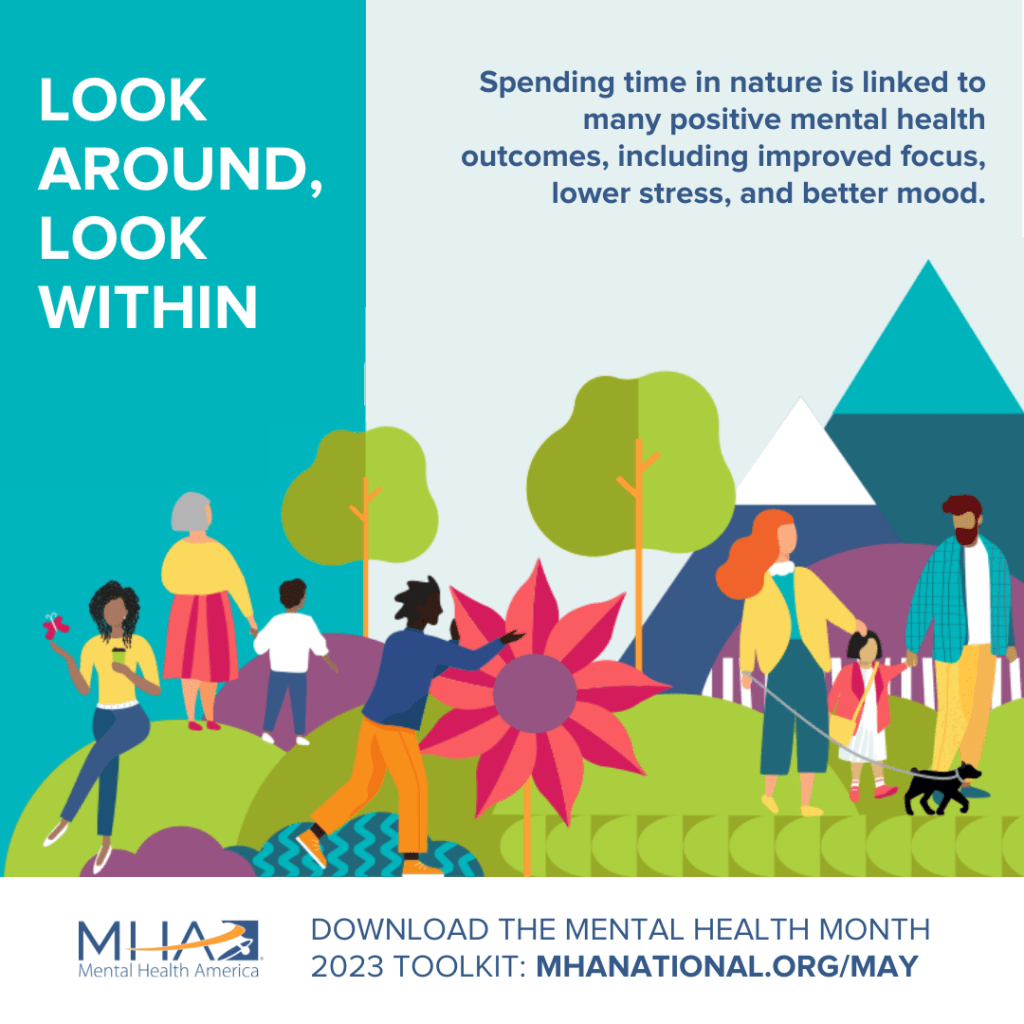
Mental Health America is proud to announce May as Mental Health Month, a time to prioritize and take control of your well-being. This year’s theme is Take Some Time To Look Around, Look Within emphasizing the importance of creating a supportive and uplifting environment for yourself and those around you. To help you achieve this goal, MHA has created a daily calendar with 31 tips for improving your mental health for the month.

Whether you’re struggling with anxiety, depression, stress, or simply looking for ways to maintain a healthy mindset the Mental Health Calendar has something for everyone with each day featuring a different tip or activity to promote self-care, resilience, and positive thinking.

Download the Mental Health Calendar now to learn how to cultivate a more supportive and nurturing environment for yourself and your aging loved one, while also building stronger relationships with those around you!


Stay Connected!

Making the Transition to Adult Daycare Smooth for Your Aging Loved One

By Roz Jones

As your aging loved one transitions into adult daycare, it can be a challenging and emotional experience for both of you. However, with the right approach, you can help make this transition as smooth and comfortable as possible for your loved one.

The key to a successful transition is to take it gradually. Start by introducing your loved one to the daycare facility and staff before their first official day. This will help them become familiar with the environment, routines, and people they will be interacting with.

It’s also essential to involve your loved one in the decision-making process. Talk to them about why you think adult daycare is the best option for them and ask for their input. This will help them feel empowered and in control of the situation.

If your loved one has any concerns or fears about going to daycare, address them promptly. Be honest with them about what to expect, and reassure them that you will be there to support them throughout the transition. Let them go over the important factors in your decision-making process. You can also arrange for a caregiver or family member to accompany them to the daycare facility for the first few days until they feel more comfortable.

Once your loved one starts attending adult daycare, make sure they feel engaged and involved in their new environment. Encourage them to participate in activities and interact with other attendees. This will help them build new relationships, improve their socialization skills, and boost their overall well-being.

Transitioning your aging loved one to adult daycare can be a positive experience for both of you. By taking a gradual approach, involving them in the process, addressing their concerns, and ensuring they feel comfortable and engaged, you can help make this transition as smooth and successful as possible. This will also help you overcome any caregiver guilt that may arise in the process.


May is Mental Health Month: Take Control of Your Mental Health with 31 Daily Tips

Mental Health America is proud to announce May as Mental Health Month, a time to prioritize and take control of your well-being. This year’s theme is Take Some Time To Look Around, Look Within emphasizing the importance of creating a supportive and uplifting environment for yourself and those around you. To help you achieve this goal, MHA has created a daily calendar with 31 tips for improving your mental health for the month.

Whether you’re struggling with anxiety, depression, stress, or simply looking for ways to maintain a healthy mindset the Mental Health Calendar has something for everyone with each day featuring a different tip or activity to promote self-care, resilience, and positive thinking.

Download the Mental Health Calendar now to learn how to cultivate a more supportive and nurturing environment for yourself and your aging loved one, while also building stronger relationships with those around you!


Stay Connected!