A Caregiver’s Guide to Riding the Waves of Grief

By Roz Jones

Today, I want to address a crucial topic that affects many in our community: managing grief while caring for an aging loved one. As caregivers you face unique challenges when dealing with loss, and understanding this process can be instrumental in your journey.

Let’s explore the stages of grief and how they may manifest in a caregiving context:

  1. Denial: This is usually where initial shock and disbelief. Acknowledge your feelings without judgment. This phase is a natural protective mechanism. Create a daily journal to document your thoughts and feelings. This practice helps acknowledge your emotions without judgment and provides a tangible record of your journey through grief.
  2. Anger: Implement a 5-minute rule for venting. Set a timer and allow yourself to express anger fully for five minutes, then switch to problem-solving mode. Channel this energy into researching new treatments or connecting with advocacy groups for your loved one’s condition. 
  3. Bargaining: Develop a detailed care plan with weekly achievable goals. Break your larger tasks into smaller, more manageable steps. Use a checklist system to track progress and maintain a sense of control over the caregiving process.
  4. Depression: Establish a support network with scheduled check-ins. Set up weekly video calls with fellow caregivers or a therapist. Create a self-care toolkit with items that bring comfort (e.g., favorite tea, calming music, stress ball) and use it daily.
  5. Acceptance: Implement a “Victory log” where you record three small wins each day, no matter how minor. Start a gratitude practice, noting one thing you’re thankful for in your caregiving role daily. This will help shift focus to positive aspects while acknowledging the ongoing challenges.

It’s important to note that these stages are not linear and may overlap or recur. Each individual’s grief journey is unique.

For caregivers navigating this complex emotional landscape, consider the following strategies:

  • Self-Care: Implement regular self-care routines to maintain your physical and emotional well-being.
  • Establish Boundaries: Set clear limits to protect your energy and maintain a sustainable caregiving approach.
  • Emotional Validation: Acknowledge all your emotions as valid and important parts of your experience.
  • Professional Support: Don’t hesitate to seek help from mental health professionals specializing in grief and caregiver support.
  • Meaningful Rituals: Develop personal rituals to honor your loved one and process your grief constructively.

Remember, grief is a testament to the depth of your commitment and compassion. It’s a challenging but natural part of the caregiving experience.

Do you have any professional insights or experiences in managing grief while caregiving? Share some of your tips for the collective!

Thank you for your dedication to caregiving. Your work is invaluable, and your well-being is crucial. If you need additional support or resources, please don’t hesitate to reach out to our professional support network. Embrace the possibilities, my friends, and know that with the right support, your aging loved ones can continue to live their lives to the fullest, even in the face of terminal illnesses. Jimmy Carter is living proof of that!


How to Avoid Hospital Re-admission for Your Loved Ones

As a caregiver, you don’t want your loved one to be re-admitted to the hospital. Re-admission can take a toll on you both.
So how do you avoid a trip to the hospital?
In this episode, we address the necessary tips you need to go through so your loved one can stay out of the hospital and obtain the homecare they need.

Subscribe to The Caregiver Cafe Weekly Newsletter!

Caregiving can be a roller coaster of ups and downs. The information that you will receive from The Caregiver Cafe Weekly Specials Newsletter will support you as a caregiver. Remember…

1. YOU ARE NOT ALONE: The problems you face as a caregiver are experienced by other caregivers. Knowing that you’re not alone can be comforting. 

2. Tools and Resources:  Find caregiver stress management tools and gain perspective from other caregiver’s experiences.

3. LEARN TO: Ask for help, accept help when it is offered, and acknowledge yourself on this caregiving journey. Hear from experts on how to balance caregiving responsibilities by taking care of your needs and involving others to help manage the natural stress and isolation of being a caregiver. 

Addressing Mental Health Disparities Among Minority Caregivers

By Roz Jones

Mental health disparities continue to pose significant challenges within minority communities, particularly among caregivers who are responsible for the well-being of their aging loved ones. In this blog, we will delve into the factors contributing to these disparities and explore effective strategies and resources to address them. By recognizing the signs of caregiver burnout, stress, and providing coping strategies and self-care techniques, we aim to support and empower minority caregivers in their journey towards mental well-being.

Exploring the Factors Contributing to Mental Health Disparities in Minority Populations

Mental health disparities within minority communities are influenced by a complex interplay of various factors. Historical and systemic factors, such as racism, discrimination, and socioeconomic inequities, contribute to disparities in mental health access and care. Minority individuals may face limited access to affordable healthcare services, including mental health resources and professionals who understand their unique cultural backgrounds. Additionally, cultural beliefs and stigma surrounding mental health can act as barriers, preventing individuals from seeking help or discussing their mental health concerns openly. By exploring and understanding these factors, we can work towards creating more equitable and culturally sensitive mental health support systems for minority caregivers.

Recognizing the Signs of Caregiver Burnout and Stress

Caregiving for aging loved ones can be immensely rewarding but also comes with its share of challenges. Minority caregivers often face additional stressors, including language barriers, cultural expectations, limited resources, and the pressure to balance caregiving responsibilities with other aspects of life, such as work and personal commitments. It is crucial for caregivers to recognize the signs of burnout and stress, which may manifest as physical, emotional, and behavioral symptoms. These can include feelings of exhaustion, irritability, sleep disturbances, social withdrawal, and neglecting personal needs. By understanding and acknowledging these signs, caregivers can take proactive steps to address their own mental health and seek support from healthcare professionals, support groups, or counseling services specifically tailored to their cultural background and caregiving experiences.

Sharing Coping Strategies and Self-Care Techniques for Minority Caregivers

Caring for the mental health of minority caregivers requires the implementation of effective coping strategies and self-care techniques. It is essential for caregivers to prioritize their own well-being alongside the care they provide to their aging loved ones. This can involve seeking support from support groups or therapy that specifically cater to minority caregivers, where they can connect with others who share similar experiences and challenges. Practicing self-compassion and setting realistic expectations are also vital in preventing burnout. Caregivers should learn to set boundaries, both in terms of their time and emotional energy, to avoid becoming overwhelmed. Engaging in activities that bring joy, relaxation, and self-reflection is equally important, whether it’s through hobbies, exercise, meditation, or spending quality time with loved ones. By sharing practical coping strategies and self-care techniques tailored to the experiences of minority caregivers, we can empower them to prioritize their own mental health while fulfilling their caregiving responsibilities.

Addressing mental health disparities among minority caregivers requires a multifaceted approach that considers the specific challenges they face. By exploring the contributing factors to these disparities, recognizing the signs of burnout and stress, and sharing practical coping strategies and self-care techniques, we can support the mental well-being of minority caregivers. It is crucial to advocate for increased access to culturally sensitive mental health resources, including professionals who understand the unique needs and experiences of minority communities. By fostering a culture of inclusivity, empathy, and support, we can work towards reducing mental health disparities and ensuring that all caregivers, regardless of their background, have the resources and support they need to thrive in their caregiving journey. Together, we can create a healthier and more equitable future for all caregivers and their aging loved ones.

Planning a Summer Vacation with an Aging Loved One? Download the FREE Checklist!

Are you embarking on a summer vacation adventure with a loved one in need of care? Whether you’re a caregiver or know someone who is, we understand the unique challenges and considerations that come with vacationing while ensuring your loved one is safe..

Make your vacation experience stress-free and enjoyable for both you and your loved one, we’re excited to offer you a free downloadable checklist!

Stay Ahead of the Storm: Download Your Free Expert Storm Guide Now!

Photo by ALTEREDSNAPS on Pexels.com

As we know, June – November is Hurricane Season. As a family caregiver, there are many ways to prepare your loved ones for it. Early preparation helps reduce opportunities for stress and anxiety as storms approach.

One of the best ways to prepare is allowing your loved on to assist in packing their travel bag, checking their contact list and ensuring there are adequate emergency supplies.

Participation… not isolation… go a long way when preparing for major storms. This Seniors Storm Guide gives essential information to refer to again and again!


Stay Connected!

Help! I Don’t Feel Like Caregiving: 5 Simple Self-Care Practices for Caregivers to Recharge and Refresh

By Roz Jones

Being a caregiver can be an incredibly rewarding experience, but it can also be a challenging and emotionally draining one. There are some days when you may feel overwhelmed, frustrated, or just plain exhausted from the demands of caring for a loved one. On those days, it can be tempting to step back and take a break from your caregiving duties, but what do you do when you can’t?

It’s important to recognize that it’s okay to have days when you don’t want to be bothered with caregiving. Feeling burnt out or emotionally drained is a normal part of the caregiving experience, and it’s essential to prioritize your own mental and physical health. However, it’s also important to remember that caregiving is a responsibility that can’t be ignored or put off indefinitely.

Here are some tips for coping with those days when you don’t want to be bothered with caregiving:

  1. Take a mental health day: Just like any other job, it’s okay to take a day off from caregiving to focus on your own well-being. Use this time to rest, recharge, and engage in activities that bring you joy and relaxation.
  2. Reach out for support: Don’t be afraid to ask for help from friends, family, or community resources. Enlisting the support of others can help alleviate some of the stress and responsibilities of caregiving, and provide you with the opportunity to take a break.
  3. Practice self-care: Prioritizing your own self-care is essential to maintaining your mental and physical health. Engage in activities that make you feel good, such as exercise, meditation, or spending time with loved ones.
  4. Consider professional caregiving assistance: Professional caregivers can offer support and assistance with the daily tasks of caregiving, allowing you to take a step back and focus on your own well-being.
  5. Seek counseling: Talking to a therapist or counselor can provide you with the tools and strategies to cope with the emotional challenges of caregiving, and offer a safe space to express your feelings and concerns.

Remember, there will be days when you don’t want to be bothered with caregiving, and that’s okay. Prioritizing your own mental and physical health is essential to being an effective and compassionate caregiver. By taking care of yourself, you’ll be better equipped to care for your loved one in the long run.


Unlock Your Mental Well-being: Take the First Step with a Mental Health Screening

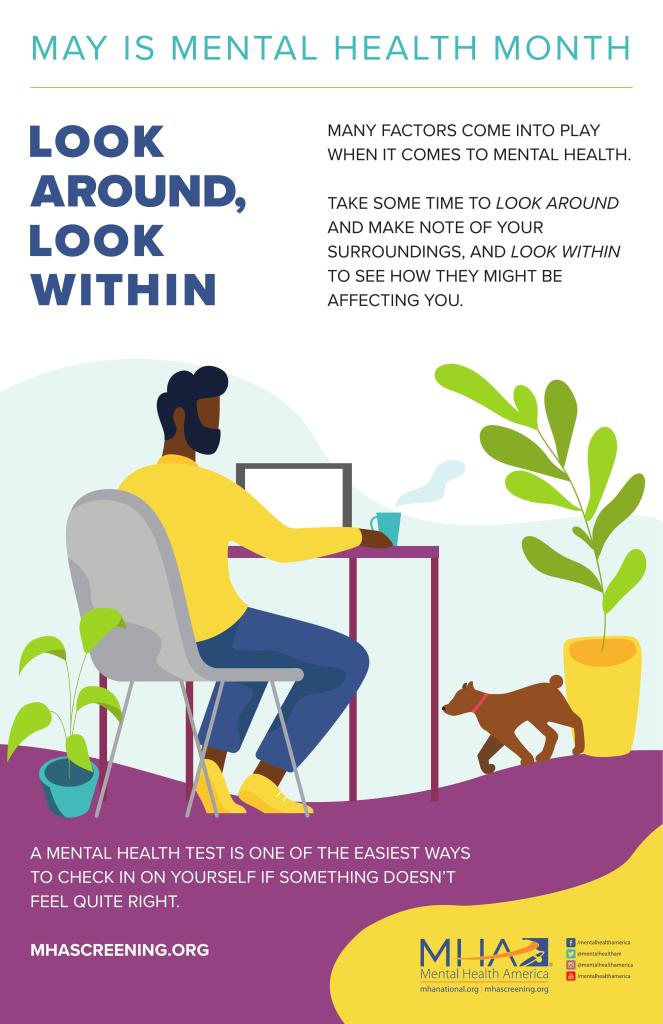
Unlock the potential for a healthier and happier you this Mental Health Awareness Month. Start your journey towards emotional well-being by taking a decisive step with a mental health screening at MHAScreening.org. Much like a regular physical check-up, a mental health screening provides an invaluable opportunity to assess and address any underlying concerns. Don’t ignore that nagging feeling that something isn’t quite right—take action and prioritize your mental health today.

This mental health screening covers a wide range of important topics, including stress management, anxiety, depression, and more. Whether you’ve been experiencing persistent feelings of unease or simply want to gain a deeper understanding of your emotions, this screening is a vital tool to help you regain control of your mental health. Don’t let concerns go unaddressed or escalate into something more challenging to manage. Visit MHAScreening.org now, and unlock the power of self-awareness and proactive well-being. Together, let’s break down the barriers surrounding mental health and embark on a transformative journey toward a brighter future.


Stay Connected!

Mental Health and Caregiving for Older Adults: What You Need to Know

By Roz Jones

As we age, our physical and mental health can decline, making it difficult to complete daily tasks without assistance. Family members and loved ones may step in as caregivers to provide support and ensure the well-being of older adults. However, caregiving can take a toll on one’s mental health, and it’s important to recognize the signs and seek support to prevent caregiver burnout.

In this blog, we will discuss the relationship between mental health and caregiving for older adults, and provide tips and resources for maintaining good mental health while providing care.

The Impact of Caregiving on Mental Health

Caregiving can be a rewarding experience, but it can also be stressful and emotionally draining. Many caregivers face a significant amount of stress and anxiety, which can take a toll on their mental health over time. According to the Family Caregiver Alliance, caregivers are at higher risk for depression and anxiety than non-caregivers.

Caregivers may also experience feelings of guilt, frustration, and burnout, as they strive to provide the best care possible for their loved one. The demands of caregiving can lead to a lack of sleep, social isolation, and neglecting one’s own physical and emotional needs, which can have a negative impact on mental health.

Tips for Maintaining Good Mental Health while Caregiving

It’s essential to prioritize self-care while caregiving for older adults. This can include seeking support from family and friends, joining a support group, or seeking professional counseling. It’s also important to take breaks and engage in activities that bring joy and relaxation.

Another tip is to stay organized and create a routine. This can help to reduce stress and anxiety by creating a sense of structure and predictability in the caregiving role. It’s also important to communicate with the older adult being cared for about their needs and preferences and to involve them in decision-making whenever possible.

Resources for Caregivers

There are a variety of resources available to support caregivers and their mental health. The National Alliance for Caregiving offers online support groups, caregiver education, and resources for financial and legal assistance. The Family Caregiver Alliance provides information and resources on caregiver health and wellness, as well as advocacy and policy efforts.

Caring for older adults can be a rewarding experience, but it can also take a toll on one’s mental health. It’s important to recognize the signs of caregiver burnout and prioritize self-care while providing care. By seeking support and utilizing resources, caregivers can maintain good mental health and provide effective care for their loved ones.


Unlock Your Mental Well-being: Take the First Step with a Mental Health Screening

Unlock the potential for a healthier and happier you this Mental Health Awareness Month. Start your journey towards emotional well-being by taking a decisive step with a mental health screening at MHAScreening.org. Much like a regular physical check-up, a mental health screening provides an invaluable opportunity to assess and address any underlying concerns. Don’t ignore that nagging feeling that something isn’t quite right—take action and prioritize your mental health today.

This mental health screening covers a wide range of important topics, including stress management, anxiety, depression, and more. Whether you’ve been experiencing persistent feelings of unease or simply want to gain a deeper understanding of your emotions, this screening is a vital tool to help you regain control of your mental health. Don’t let concerns go unaddressed or escalate into something more challenging to manage. Visit MHAScreening.org now, and unlock the power of self-awareness and proactive well-being. Together, let’s break down the barriers surrounding mental health and embark on a transformative journey toward a brighter future.


Stay Connected!