
Balancing Care and Self-Care Strategically

By Roz Jones

Let’s dive deeper into the critical realm of time management and self-care for caregivers. Balancing the responsibilities of caregiving while nurturing our own well-being isn’t just important; it’s essential for sustaining our journey. Today, I’ll share comprehensive insights and actionable strategies to help us optimize our time effectively, ensuring we meet our caregiving duties without neglecting our personal needs.

Strategic Time Allocation

Time management isn’t merely about completing tasks; it’s about creating a supportive environment where both our loved ones’ needs and our self-care efforts harmoniously coexist. By strategically allocating our time, we can achieve this balance.

Prioritizing Care and Self-Care

Juggling caregiving tasks with self-care isn’t a luxury; it’s a necessity. By dedicating specific time slots for caregiving responsibilities and equally prioritizing self-nurturing practices, we create a balanced lifestyle where both aspects receive the attention they require.

Practical Strategies for Time Optimization

  • Establish a Structured Routine: Craft a daily or weekly schedule that incorporates dedicated time for caregiving tasks, personal activities, and self-care rituals. This structured routine serves as a blueprint for managing your time effectively.
  • Seek Support and Delegate Tasks: Don’t hesitate to lean on your support network. Enlist the help of family, friends, or professional caregivers to share responsibilities. Delegating tasks not only eases your workload but also allows you time for self-care.
  • Harness Technology Tools: Utilize technological aids such as scheduling apps, reminder tools, or task management apps to streamline your organizational process. These tools can significantly enhance efficiency and time management.
  • Mindful Task Prioritization: Identify the most critical caregiving duties and prioritize them. Be realistic about what you can achieve within a specific timeframe, preventing overwhelming stress and allowing you to focus on crucial tasks.

Nurturing Ourselves Through Strategic Time Management

Strategic time allocation is more than just a tool for managing tasks; it’s a pathway to self-nurturing for caregivers. It ensures that our caregiving responsibilities are met effectively while also allowing us to preserve our mental, physical, and emotional well-being.

By implementing these practical strategies into our daily lives, we empower ourselves to thrive as caregivers. Remember, allocating time for self-care isn’t selfishโ€”it’s a fundamental aspect of maintaining the resilience needed to provide sustainable care for our loved ones.

Shop The Caregiver Cafe E-Commerce Store!

We founded The Caregiver Cafe Shopify Store with one simple goal: to help you experiment with your passion while at the same time providing amazing prices. We were tired of cookie-cutter stores with lackluster selections, and boring gifts. Instead of offering a huge unoriginal collection, we carefully curate just a few unique pieces perfectly suited for people the taste buds like you.

We focus on items that get you excited about shopping again, as we believe buying online should always be fun!


Subscribe to The Caregiver Cafe Weekly Newsletter!

Caregiving can be a roller coaster of ups and downs. The information that you will receive from The Caregiver Cafe Weekly Specials Newsletter will support you as a caregiver. Remember…

1. YOU ARE NOT ALONE: The problems you face as a caregiver are experienced by other caregivers. Knowing that you’re not alone can be comforting. 

2. Tools and Resources:  Find caregiver stress management tools and gain perspective from other caregivers’ experiences.

3. LEARN TO: Ask for help, accept help when it is offered, and acknowledge yourself on this caregiving journey. Hear from experts on how to balance caregiving responsibilities by taking care of your needs and involving others to help manage the natural stress and isolation of being a caregiver. 
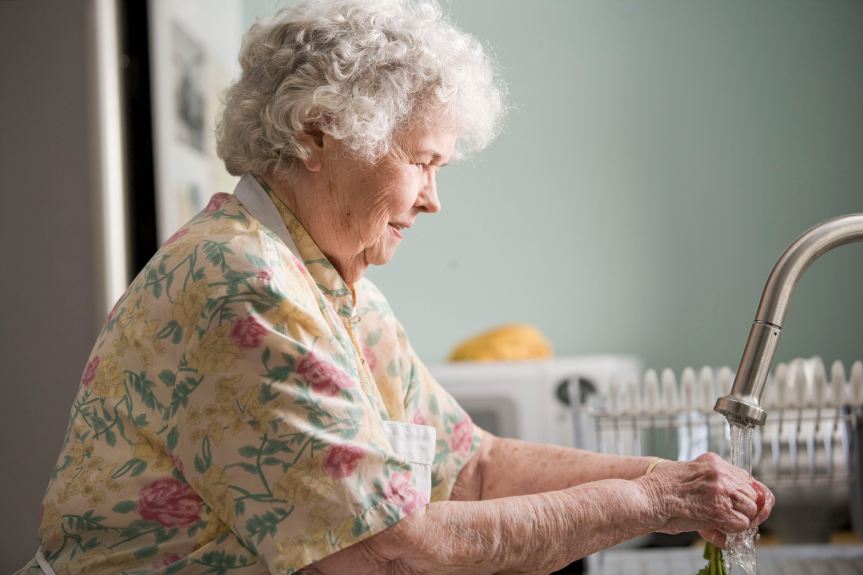
Nurturing Routine and Managing Overstimulation in Loved Ones with Alzheimer’s

By Roz Jones

As caregivers, we understand the challenges that come with caring for someone living with Alzheimer’s. The unpredictability, the emotional rollercoaster, and the ever-changing nature of the disease can be overwhelming. But fear not, because I’m here to share some valuable insights and strategies to help you navigate through these challenges.

Nurturing Routine

Establishing and maintaining a routine is fundamental when caring for individuals with Alzheimer’s. Predictability can provide a sense of security and comfort, even amidst the confusion and uncertainty caused by the disease. Here’s how you can build and maintain a routine:

  • Consistent Schedule: Establish a daily routine for meals, activities, and bedtime. Consistency helps in reducing anxiety and confusion for your loved one.
  • Visual Aids: Use visual cues like calendars, clocks, or whiteboards to help your loved one understand the daily schedule. Highlight important events or activities to reinforce the routine.
  • Simple and Familiar Tasks: Encourage participation in simple tasks or activities that they’re familiar with. It could be folding laundry, gardening, or listening to favorite music. These tasks can boost their confidence and sense of accomplishment.
  • Flexibility within Structure: While a routine is crucial, allow some flexibility. Be adaptable and understanding of changes that might occur due to their condition.
  • Patience and Encouragement: It’s essential to be patient and offer positive reinforcement. Celebrate small victories and reassure your loved one if they struggle with a task.

Remember, a routine can provide a sense of stability, but it’s equally important to approach it with flexibility and understanding.

Managing Overstimulation

Alzheimer’s can make individuals more sensitive to their surroundings, leading to overstimulation. Here’s how you can manage situations when your loved one feels overwhelmed:

  • Recognize Triggers: Be observant and identify triggers that cause distress. It could be loud noises, crowded places, or certain activities. Minimize exposure to these triggers whenever possible.
  • Create Calm Environments: Keep surroundings calm and organized. Reduce noise levels, avoid clutter, and ensure adequate lighting. Creating a peaceful atmosphere can help in managing overstimulation.
  • Offer Breaks and Distractions: When you notice signs of agitation, encourage breaks in a quieter space. Provide activities like reading, gentle walks, or soothing music to divert their attention.
  • Stay Attuned to Body Language: Pay attention to non-verbal cues. If you notice signs of agitation or discomfort, try to address the situation promptly.
  • Practice Relaxation Techniques: Consider incorporating relaxation techniques such as deep breathing exercises or gentle massages to help them relax when feeling overwhelmed.

Remember, every individual with Alzheimer’s is unique, and what works for one person may not work for another. It’s crucial to observe, adapt, and respond to their specific needs and preferences. As caregivers, your dedication and love make a significant difference in the lives of your loved ones. Take care of yourself tooโ€”seek support, take breaks, and don’t hesitate to ask for help when needed.

Stay strong, stay compassionate, and remember, you’re making an incredible difference in their lives every single day.


Shop The Caregiver Cafe E-Commerce Store!

We founded The Caregiver Cafe Shopify Store with one simple goal: to help you experiment with your passion while at the same time providing amazing prices. We were tired of cookie-cutter stores with lackluster selections, and boring gifts. Instead of offering a huge unoriginal collection, we carefully curate just a few unique pieces perfectly suited for people the taste buds like you.

We focus on items that get you excited about shopping again, as we believe buying online should always be fun!


Subscribe to The Caregiver Cafe Weekly Newsletter!

Caregiving can be a roller coaster of ups and downs. The information that you will receive from The Caregiver Cafe Weekly Specials Newsletter will support you as a caregiver. Remember…

1. YOU ARE NOT ALONE: The problems you face as a caregiver are experienced by other caregivers. Knowing that you’re not alone can be comforting. 

2. Tools and Resources:  Find caregiver stress management tools and gain perspective from other caregivers’ experiences.

3. LEARN TO: Ask for help, accept help when it is offered, and acknowledge yourself on this caregiving journey. Hear from experts on how to balance caregiving responsibilities by taking care of your needs and involving others to help manage the natural stress and isolation of being a caregiver. 

Navigating Safe Driving During the Holiday Season for Senior Drivers

By Roz Jones

With the holidays around the corner, it’s time to gear up for safe driving discussions tailored to our senior loved ones. As your co-pilot on this journey, let’s revitalize our knowledge, focusing on ensuring our aging relatives navigate the roads safely during this festive season. This isn’t just another stop on the calendarโ€”it’s a vital opportunity for us to equip ourselves with essential insights and practical tips for enhancing senior driving safety during the holidays.

Why Safe Driving During the Holidays Matters

As caregivers, understanding the importance of safe driving during the holiday rush is pivotal. This season brings increased traffic, changing weather conditions, and bustling activities, necessitating a heightened awareness of road safety for our beloved seniors. Embracing this awareness empowers us to make informed decisions and implement strategies that prioritize their safety behind the wheel.

Adapting to Changes in Driving with Aging

Aging gracefully involves acknowledging shifts in driving capabilities. Vision, reflexes, and mobility evolve uniquely with age, influencing driving abilities. Our mission is to navigate these changes, discovering proactive measures that strike a balance, ensuring our seniors drive safely and comfortably during the holiday hustle.

Crafting a Roadmap for Safe and Confident Senior Driving

  • Regular Health Assessments: Advocate for routine health check-ups and vision tests to ensure seniors are fit for safe driving.
  • Adaptive Driving Technologies: Explore vehicle advancements or modifications that enhance safety and comfort for senior drivers.
  • Continued Education and Training: Encourage participation in driver safety programs tailored for seniors, bolstering their confidence and skills on the road.

The holiday season is not just about festivities; it’s also about ensuring road safety for our aging loved ones. Together, let’s empower ourselves to ensure safe and confident driving experiences for our seniors during this joyful season.

Stay Ahead of the Storm: Download Your Free Expert Storm Guide Now!

Photo by ALTEREDSNAPS on Pexels.com

As we know, June โ€“ November is Hurricane Season. As a family caregiver, there are many ways to prepare your loved ones for it. Early preparation helps reduce opportunities for stress and anxiety as storms approach.

One of the best ways to prepare is allowing your loved on to assist in packing their travel bag, checking their contact list and ensuring there are adequate emergency supplies.

Participationโ€ฆ not isolationโ€ฆ go a long way when preparing for major storms. This Seniors Storm Guide gives essential information to refer to again and again!


Stay Connected!

Navigating the Conversation When It’s Time for a New Chapter in Care

By Roz Jones

Caring for aging loved ones is a profound and often challenging journey. It’s a path filled with moments of joy, memories cherished, and the satisfaction of providing support to those who once cared for us. However, it also presents us with complex and sensitive challenges, one of the most delicate being when it’s time to have the conversation about your elderly loved one no longer living alone. In this three-part blog series, we’ll guide you through this emotional journey, offering insights and strategies to approach the conversation with empathy and clarity.

Recognizing the Signs: The First Step

As caregivers, we become intimately familiar with our loved ones’ needs and routines. This deep connection places us in a unique position to notice subtle changes that may signify a need for a change in their living situation. Here are some key signs to watch for:

  1. Safety Concerns: Frequent falls, difficulty managing daily tasks, or unattended hazards at home. Safety is paramount, and these issues can pose a significant risk to their well-being.
  2. Memory Issues: Forgetfulness, missed medications, or confusion about time and place. Cognitive decline can affect their ability to live independently safely.
  3. Decline in Hygiene and Nutrition: Poor personal care, weight loss, or a noticeable change in eating habits. These changes may indicate their inability to care for themselves adequately.
  4. Social Isolation: Withdrawal from social activities, hobbies, and interactions with friends. Loneliness can lead to depression and negatively impact their overall health.
  5. Neglected Finances: Unpaid bills, confusion about financial matters, or unusual spending patterns. Financial mismanagement can have serious consequences for their future security.
  6. Unkempt Home: A significant change in housekeeping standards might indicate difficulties in maintaining the home. This can lead to an unsafe living environment.

The first step in this journey is acknowledging the changes you’ve noticed. Approach the conversation with empathy, love, and respect. Remember, your goal is to ensure their safety and wellbeing. Stay tuned for the second part of our series, where we’ll explore strategies for initiating this essential conversation.

Stay Ahead of the Storm: Download Your Free Expert Storm Guide Now!

Photo by ALTEREDSNAPS on Pexels.com

As we know, June โ€“ November is Hurricane Season. As a family caregiver, there are many ways to prepare your loved ones for it. Early preparation helps reduce opportunities for stress and anxiety as storms approach.

One of the best ways to prepare is allowing your loved on to assist in packing their travel bag, checking their contact list and ensuring there are adequate emergency supplies.

Participationโ€ฆ not isolationโ€ฆ go a long way when preparing for major storms. This Seniors Storm Guide gives essential information to refer to again and again!


Shop The Caregiver Cafe E-Commerce Store!

We founded The Caregiver Cafe Shopify Store with one simple goal: to help you experiment with your passion while at the same time providing amazing prices. We were tired of cookie-cutter stores with lackluster selections, and boring gifts. Instead of offering a huge unoriginal collection, we carefully curate just a few unique pieces perfectly suited for people the taste buds like you.

We focus on items that get you excited about shopping again, as we believe buying online should always be fun!


Subscribe to The Caregiver Cafe Weekly Newsletter!

Caregiving can be a roller coaster of ups and downs. The information that you will receive from The Caregiver Cafe Weekly Specials Newsletter will support you as a caregiver. Remember…

1. YOU ARE NOT ALONE: The problems you face as a caregiver are experienced by other caregivers. Knowing that you’re not alone can be comforting. 

2. Tools and Resources:  Find caregiver stress management tools and gain perspective from other caregivers’ experiences.

3. LEARN TO: Ask for help, accept help when it is offered, and acknowledge yourself on this caregiving journey. Hear from experts on how to balance caregiving responsibilities by taking care of your needs and involving others to help manage the natural stress and isolation of being a caregiver. 

Get the Stick So You Donโ€™t Get Sick: Having Conversations about Immunizations with Your Aging Loved One

By Roz Jones

In our journey of nurturing the well-being of our aging loved ones, conversations about health hold a special place. Today, we embark on a dialogue that’s crucial yet sensitive: discussing immunizations. As caregivers, we are the advocates of their comprehensive health, and navigating this topic requires a blend of compassion, understanding, and information. Join me as we explore strategies for initiating these conversations and fostering a proactive approach to immunizations.

Embrace Openness and Empathy

Starting the conversation about immunizations begins with an open heart and empathetic approach. Remember that your aging loved one’s concerns and feelings are valid. Begin by expressing your genuine care for their well-being and your commitment to keeping them healthy.

Share the Importance of Immunizations

Gently share the significance of immunizations, emphasizing that they serve as shields against preventable diseases. Mention how vaccines protect not only their individual health but also contribute to the health of the community, particularly during flu season or outbreaks.

Address Their Questions and Concerns

Be prepared for questions and concerns that might arise. Address these with patience and honesty. If they express worries, validate their feelings and offer factual information from reliable sources to dispel any myths or misconceptions.

Tailor the Information

Every individual is unique, and their health journey is no exception. Tailor the conversation to their specific health needs and any medical conditions they might have. For instance, if they have diabetes or are on certain medications, explain how immunizations can provide added protection.

Empower with Knowledge

Provide information about the specific vaccines recommended for their age and health condition. Offer insights into the vaccines’ benefits and potential side effects. Encourage them to ask questions and seek clarity if needed.

Address Fears

If your loved one has a fear of needles or vaccinations, acknowledge their feelings and explore coping strategies. Sometimes, knowing what to expect during the vaccination process can alleviate anxiety.

Partner with Healthcare Professionals

Involve their healthcare provider in the conversation. Schedule an appointment where they can discuss immunizations and any concerns directly with the provider. This collaborative approach can provide reassurance and clarity.

Highlight Positive Experiences

Share stories of others who have had positive experiences with immunizations. Hearing how vaccinations have protected and improved the lives of others can provide a sense of encouragement.

Offer Support

Let your aging loved one know that you’ll be there to support them throughout the process. Accompany them to appointments, offer transportation, and provide comfort before and after vaccinations.

Navigating conversations about immunizations with your aging loved one requires patience, sensitivity, and a commitment to their well-being. By fostering open dialogue and offering information, you’re empowering them to make informed decisions about their health. Remember, as caregivers, our role extends beyond daily tasks; it encompasses championing proactive health for our cherished loved ones.

Planning a Summer Vacation with an Aging Loved One? Download the FREE Checklist!

Are you embarking on a summer vacation adventure with a loved one in need of care? Whether you’re a caregiver or know someone who is, we understand the unique challenges and considerations that come with vacationing while ensuring your loved one is safe..

Make your vacation experience stress-free and enjoyable for both you and your loved one, we’re excited to offer you a free downloadable checklist!

Stay Ahead of the Storm: Download Your Free Expert Storm Guide Now!

Photo by ALTEREDSNAPS on Pexels.com

As we know, June โ€“ November is Hurricane Season. As a family caregiver, there are many ways to prepare your loved ones for it. Early preparation helps reduce opportunities for stress and anxiety as storms approach.

One of the best ways to prepare is allowing your loved on to assist in packing their travel bag, checking their contact list and ensuring there are adequate emergency supplies.

Participationโ€ฆ not isolationโ€ฆ go a long way when preparing for major storms. This Seniors Storm Guide gives essential information to refer to again and again!