Speaking With Your Aging Loved One About Vaccines

By Roz Jones

Speaking with an aging loved one about their health isn’t always easy.

As a family caregiver, you may already be involved in many of their healthcare decisions. You may go with them to appointments, help them remember questions, or support them when something new is recommended. Even with that involvement, there can still be certain conversations that feel more sensitive than others.

Vaccines can be one of them.

Your loved one may be hesitant because of something they’ve heard, something they experienced in the past, or simply because they don’t understand why another vaccine is being recommended now.

That’s where the conversation matters.

Your job isn’t to pressure them into agreeing with you. It’s to help create enough trust and understanding for them to ask questions, express concerns, and make an informed decision about their health.

Start by Asking What They Think

Before you explain why you believe a vaccine is important, find out what your loved one is actually thinking.

A simple question like, “How do you feel about what the doctor recommended?” can tell you much more than jumping straight into an explanation.

You may learn that they’re afraid of needles, worried about side effects, confused about why the recommendation has changed, or frustrated because they feel like everyone is making decisions for them.

Sometimes what sounds like refusal is really uncertainty.

If you know what the concern is, you can have a much better conversation about it.

Listen Before You Try to Correct Them

Caregivers often want to fix the problem immediately.

If your loved one says something you know isn’t accurate, your first instinct may be to correct it right away. But if they already feel defensive, that can make them shut down even more.

Let them finish what they’re saying.

Ask where the concern came from and what specifically is bothering them. Once they feel heard, they may be more open to hearing something different.

You don’t have to agree with misinformation, but you also don’t have to turn the conversation into an argument.

Sometimes the best response is simply, “I hear what you’re saying. Let’s make sure we get a clear answer about that.”

Pay Attention to What’s Underneath the Resistance

Sometimes the vaccine isn’t the real issue.

Your loved one may be tired of medical appointments. They may feel like aging has taken away too much control already. They may be frustrated that other people are constantly telling them what they need to do.

They may also be afraid of becoming sick, even if they don’t know how to say that directly.

That’s why it’s important to listen for what’s underneath the words.

If the real issue is fear, more facts alone may not help.

If the real issue is control, pushing harder may make things worse.

If the real issue is confusion, they may simply need someone to explain the recommendation in a way that makes sense to them.

Understanding the real concern can help you respond to your loved one instead of only responding to the word “no.”

Make Sure They Feel Included

Aging doesn’t mean a person should stop having a voice in their own care.

When possible, include your loved one in the conversation from the beginning. Ask what questions they want answered and what would help them feel more comfortable.

If they’re able to make their own healthcare decisions, give them room to do that.

Family caregivers often step in because support is needed, but support and control aren’t the same thing.

Your loved one may be much more willing to participate in a health conversation when they feel like they’re part of the decision instead of the subject of it.

Know When to Bring in Someone They Trust

You don’t have to be the only person having this conversation.

Sometimes your loved one may be more comfortable hearing information from their doctor, nurse, pharmacist, or another healthcare professional they already trust.

That can take some pressure off the family relationship too.

Instead of going back and forth at home, you can say, “Let’s ask your doctor about that so we know exactly what applies to you.”

That approach keeps the conversation open without making you responsible for proving every point yourself.

It also gives your loved one the chance to ask questions directly and hear answers that are based on their own health history.

Don’t Turn Hesitation Into a Fight

If your loved one isn’t ready to make a decision, pushing harder may not help.

They may need some time to think about what they’ve heard or decide what other questions they want answered. Giving them space doesn’t mean you’re giving up on the conversation.

It means you’re respecting the fact that health decisions can feel personal.

You can revisit the subject later without making every interaction about whether they’ve changed their mind.

Sometimes keeping the door open is more productive than trying to settle everything in one conversation.

Be Careful With Fear-Based Conversations

It can be tempting to focus on everything that could go wrong if your loved one doesn’t follow a recommendation.

That may get their attention, but fear isn’t always the best way to build trust.

Try to keep the conversation centered on helping them understand their options and what their healthcare provider believes is appropriate for them.

The goal isn’t to scare your loved one into saying yes.

The goal is to make sure they have enough reliable information to make a decision they understand.

That difference matters.

Keep Respect at the Center of the Conversation

Family caregivers often carry a deep sense of responsibility for the people they love.

That responsibility can make it hard when your loved one makes a decision you wouldn’t make for them.

You may feel frustrated. You may feel worried. You may even feel like you’re failing if you can’t convince them to see things the way you do.

But caregiving isn’t about winning every disagreement.

Sometimes caregiving means making sure your loved one has good information, knows what questions to ask, and feels supported enough to participate in their own care.

A few years ago, I first talked about this in Get the Stick So You Don’t Get Sick: Having Conversations about Immunizations with Your Aging Loved One. The conversation is still just as important today because family caregivers are often the people helping aging loved ones sort through questions, concerns, and changing health recommendations.

Prepare for Your Next Trip

Planning to travel with an aging loved one? Download the free Vacationing with an Aging Loved One Checklist to help you prepare for medications, mobility needs, comfort, safety, and unexpected changes.

Tune in to The Caregiver Café Podcast

S.O.S: When to ask for help with Phil Hill
In this episode of The Caregiver Café with Roz Jones, Roz continues her conversation with security expert and former family caregiver Phil Hill about the emotional weight of caregiving, knowing when to ask for help, and what happens when caregivers try to carry too much for too long.

Phil reflects on the years he spent caring for his father while he and his wife were also helping care for her parents. He shares how managing several caregiving situations at once affected his family, his business, his relationships, and his emotional well-being.

Although Phil had access to a long-term care insurance policy and other resources, he waited to use them because he believed he might need them later. Roz reminds caregivers that the time to ask for help is often much earlier than they realize. When a loved one moves into the home, the family should begin identifying gaps in care, exploring available benefits, and creating a support plan before exhaustion and crisis take over.

Give Yourself a Moment of Grace
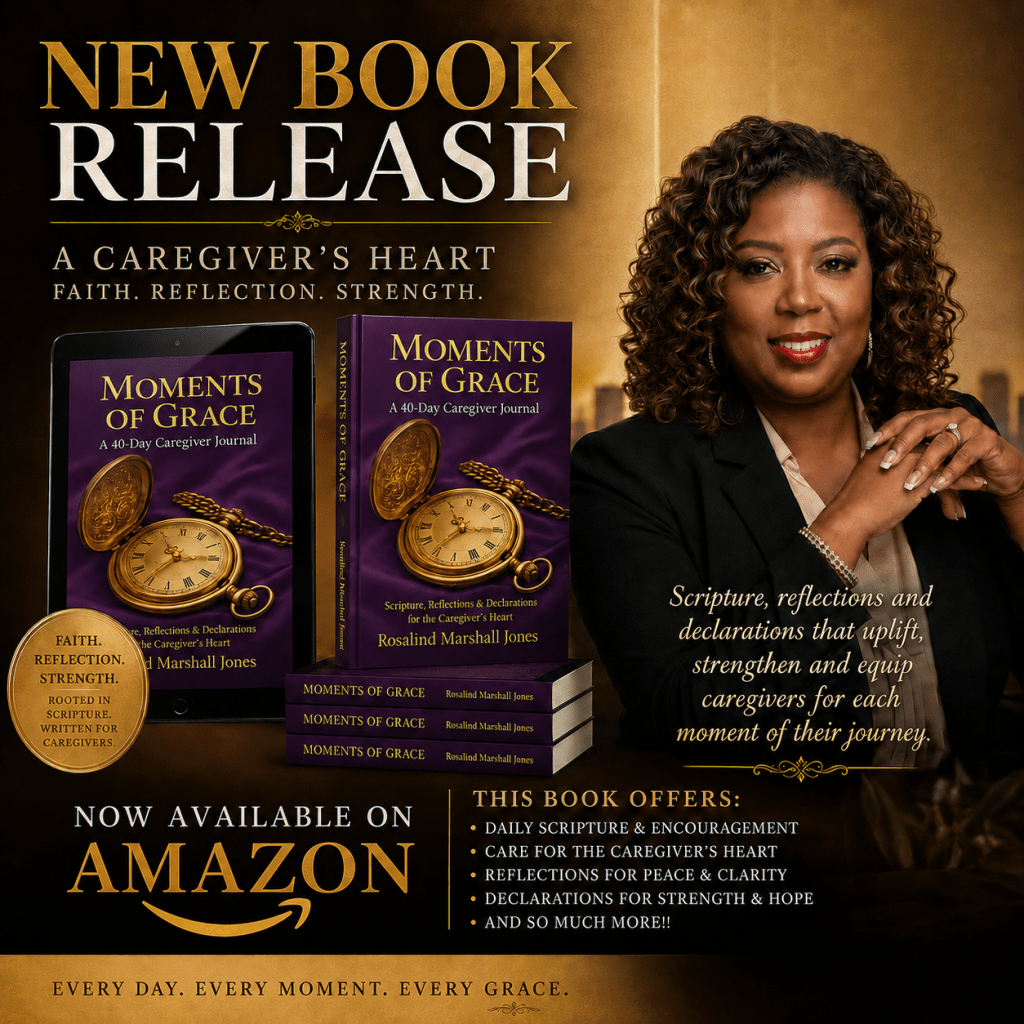
Caregiving includes demanding days, unexpected changes, and moments of connection that may be easy to overlook. Moments of Grace offers encouragement to caregivers who need a reminder to pause and recognize the meaningful moments along the journey.

Preparing for hurricane season?
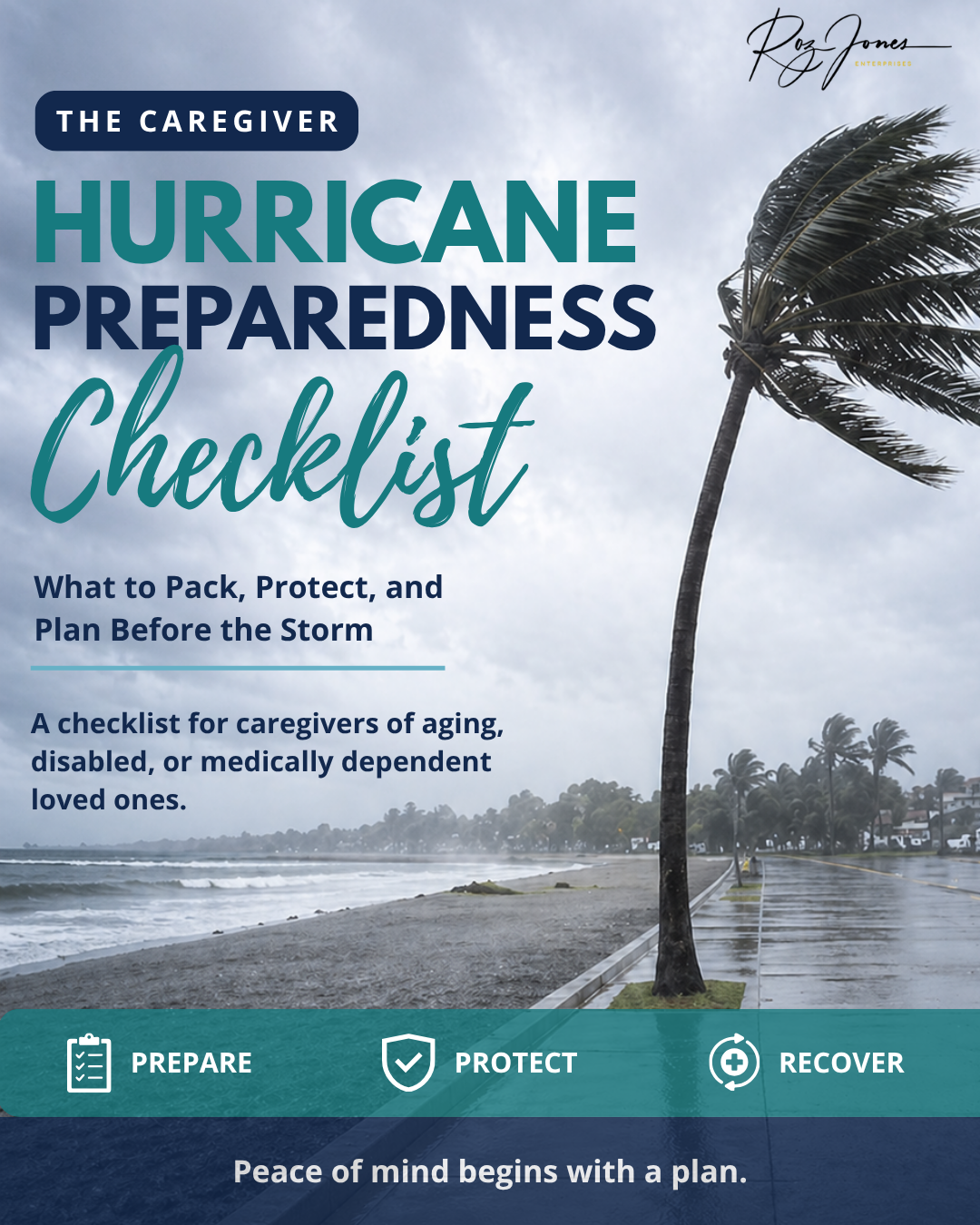
The Caregiver Hurricane Preparedness Checklist.

Are you preparing for hurricane season? Purchase the Caregiver Hurricane Preparedness Checklist to organize the information and supplies your family may need before severe weather arrives.

Subscribe to The Caregiver Cafe Weekly Newsletter!

Caregiving can be a roller coaster of ups and downs. The information that you will receive from The Caregiver Cafe Weekly Specials Newsletter will support you as a caregiver. Remember…

1. YOU ARE NOT ALONE: The problems you face as a caregiver are experienced by other caregivers. Knowing that you’re not alone can be comforting. 

2. Tools and Resources:  Find caregiver stress management tools and gain perspective from other caregiver’s experiences.

3. LEARN TO: Ask for help, accept help when it is offered, and acknowledge yourself on this caregiving journey. Hear from experts on how to balance caregiving responsibilities by taking care of your needs and involving others to help manage the natural stress and isolation of being a caregiver. 
Keeping Your Aging Loved One’s Vaccines on Track

By Roz Jones

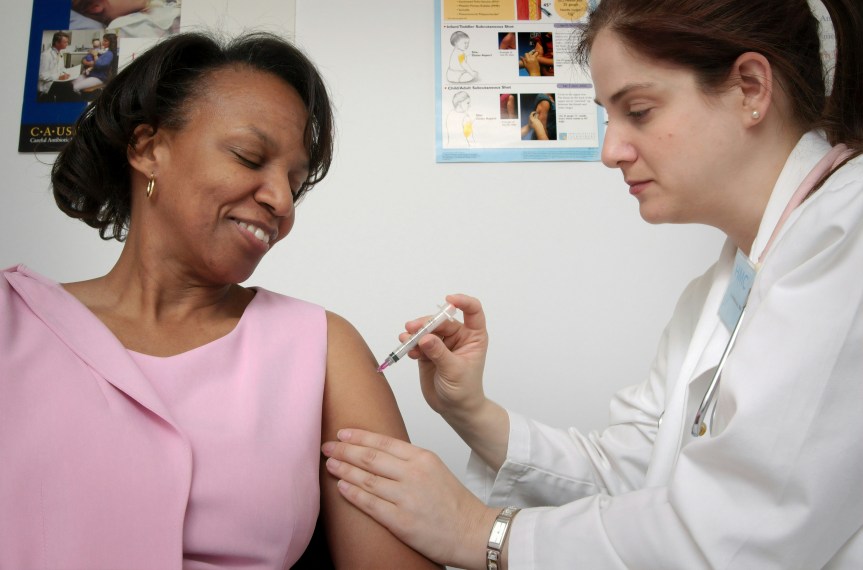
Caregiving requires us to keep track of a lot. Between medications, doctor appointments, prescription refills, insurance paperwork, changes in appetite, mobility concerns, and everything else happening in the household, it’s easy for preventive care to get pushed to the side.

One question caregivers should still make time to ask is whether their aging loved one’s vaccinations are up to date.

Vaccines may not feel urgent when your loved one is doing well, but prevention is part of caregiving too. As our loved ones age, their immune systems may not respond to illness the same way they once did. An infection that causes a younger person to spend a few uncomfortable days at home can become much more serious for an older adult.

That’s why keeping vaccinations on your caregiving checklist matters. The goal isn’t to give you one more responsibility. The goal is to prevent as many avoidable health complications as possible.

Start With a Vaccination Review

You don’t have to memorize every vaccine recommendation. What matters is knowing when to ask questions.

During your loved one’s next primary care appointment, ask the healthcare provider to review their vaccination history with you. Find out whether anything is due, whether certain vaccines are recommended because of age or medical conditions, and whether previous doses were completed.

It’s also important to ask whether any vaccines need to be scheduled differently because of medications, illness, or other health concerns.

That conversation can help you create a plan instead of trying to keep another set of dates in your head.

Know Which Vaccines May Come Up

Recommendations will depend on your loved one’s age, health history, previous vaccinations, medications, and other risk factors, but there are several vaccines caregivers of aging loved ones should expect to discuss with the healthcare team.

The flu vaccine remains an annual conversation. Older adults have a higher risk of developing serious complications from influenza, especially when they’re already managing chronic health conditions. Receiving a flu shot last year doesn’t mean that responsibility is permanently checked off. It should be reviewed each fall.

Pneumococcal vaccination is also important because pneumococcal disease can cause pneumonia and other serious infections. Current recommendations include vaccination for adults beginning at age 50 who haven’t previously received the recommended pneumococcal conjugate vaccine.

This is one area where vaccination history matters. Your loved one may have received an older pneumococcal vaccine years ago, so ask the healthcare provider to look at exactly what they received and whether anything else is recommended now.

The shingles vaccine is another important one for aging adults. Shingles can be painful and difficult to recover from, and vaccination is recommended for adults age 50 and older. The current shingles vaccine is given as a two-dose series.

RSV has also become an important part of the conversation for older adults. Current CDC guidance recommends one RSV vaccine for everyone age 75 and older. Adults ages 50 through 74 who have an increased risk of severe RSV illness may also be advised to receive it. Risk may be higher for people living with certain chronic heart or lung conditions, weakened immune systems, frailty, or those living in long-term care settings.

Unlike the flu vaccine, RSV vaccination isn’t currently an annual vaccine. If your loved one has already received it, let the healthcare provider confirm whether anything else is needed.

Adults should also stay current on protection against tetanus, diphtheria, and pertussis. If your loved one has never received a Tdap vaccine as an adult, their provider may recommend one. After that, a Td or Tdap booster is generally recommended every 10 years.

Ask the healthcare provider what’s currently recommended based on your loved one’s age, health conditions, previous doses, and the vaccines available now.

You don’t have to keep every changing recommendation in your head. You simply need a healthcare professional who can help you make decisions based on your loved one’s needs today.

Keep Vaccination Information in One Place

Caregivers already know how frustrating it can be when important medical information lives in several different places.

One record may be at the doctor’s office. Another vaccine may have been given at the pharmacy. Something else may have happened during a hospital stay. Months later, nobody can remember the exact date or whether another dose was needed.

Make it easier on yourself by keeping one vaccination record with the rest of your loved one’s medical information.

Record the vaccine, the date it was given, where it was received, and whether another dose or booster will be needed later. Keeping that information with the medication list or appointment paperwork can make future conversations with the healthcare team much easier.

The goal isn’t perfect recordkeeping. The goal is making the next decision easier.

Pay Attention to Timing

Not every vaccine needs to be given at the same appointment.

Your loved one may be sick, starting a new medication, dealing with another health concern, or have a history of reactions that needs to be discussed first. Their healthcare provider may also recommend a particular schedule based on their medical history.

This is why the caregiver’s role isn’t to decide the vaccination schedule alone.

Your role is to ask questions, keep track of the information, follow up, and make sure preventive care doesn’t quietly fall through the cracks.

Talk With Your Loved One, Not Just About Them

Aging doesn’t erase a person’s right to understand what’s happening with their health.

If your loved one is able to participate in these conversations, include them. Explain what the healthcare provider recommended and give them space to ask questions.

If they’re nervous or resistant, listen before immediately trying to convince them.

Sometimes resistance comes from fear. Sometimes it comes from a bad experience in the past. Sometimes they simply don’t understand why another vaccine is necessary.

A conversation may get you further than an argument.

Caregiving should protect your loved one while still respecting the person receiving the care.

If you would like to read more on this subject, check out the previous blog Stick With Your Immunizations for National Immunization Awareness Month.

Please note: Since that blog was published, vaccine recommendations for your aging loved ones have continued to change, making it even more imperative for family caregivers to review their loved one’s vaccination history and speak with their healthcare provider about what’s recommended today..

Prepare for Your Next Trip

Planning to travel with an aging loved one? Download the free Vacationing with an Aging Loved One Checklist to help you prepare for medications, mobility needs, comfort, safety, and unexpected changes.

Tune in to The Caregiver Café Podcast

S.O.S: When to ask for help with Phil Hill

In this episode of The Caregiver Café with Roz Jones, Roz continues her conversation with security expert and former family caregiver Phil Hill about the emotional weight of caregiving, knowing when to ask for help, and what happens when caregivers try to carry too much for too long.

Phil reflects on the years he spent caring for his father while he and his wife were also helping care for her parents. He shares how managing several caregiving situations at once affected his family, his business, his relationships, and his emotional well-being.

Although Phil had access to a long-term care insurance policy and other resources, he waited to use them because he believed he might need them later. Roz reminds caregivers that the time to ask for help is often much earlier than they realize. When a loved one moves into the home, the family should begin identifying gaps in care, exploring available benefits, and creating a support plan before exhaustion and crisis take over.

Give Yourself a Moment of Grace

Caregiving includes demanding days, unexpected changes, and moments of connection that may be easy to overlook. Moments of Grace offers encouragement to caregivers who need a reminder to pause and recognize the meaningful moments along the journey.

Preparing for hurricane season?

The Caregiver Hurricane Preparedness Checklist.

Are you preparing for hurricane season? Purchase the Caregiver Hurricane Preparedness Checklist to organize the information and supplies your family may need before severe weather arrives.

Subscribe to The Caregiver Cafe Weekly Newsletter!

Caregiving can be a roller coaster of ups and downs. The information that you will receive from The Caregiver Cafe Weekly Specials Newsletter will support you as a caregiver. Remember…

1. YOU ARE NOT ALONE: The problems you face as a caregiver are experienced by other caregivers. Knowing that you’re not alone can be comforting. 

2. Tools and Resources:  Find caregiver stress management tools and gain perspective from other caregiver’s experiences.

3. LEARN TO: Ask for help, accept help when it is offered, and acknowledge yourself on this caregiving journey. Hear from experts on how to balance caregiving responsibilities by taking care of your needs and involving others to help manage the natural stress and isolation of being a caregiver. 

Get the Stick So You Don’t Get Sick: Having Conversations about Immunizations with Your Aging Loved One

By Roz Jones

In our journey of nurturing the well-being of our aging loved ones, conversations about health hold a special place. Today, we embark on a dialogue that’s crucial yet sensitive: discussing immunizations. As caregivers, we are the advocates of their comprehensive health, and navigating this topic requires a blend of compassion, understanding, and information. Join me as we explore strategies for initiating these conversations and fostering a proactive approach to immunizations.

Embrace Openness and Empathy

Starting the conversation about immunizations begins with an open heart and empathetic approach. Remember that your aging loved one’s concerns and feelings are valid. Begin by expressing your genuine care for their well-being and your commitment to keeping them healthy.

Share the Importance of Immunizations

Gently share the significance of immunizations, emphasizing that they serve as shields against preventable diseases. Mention how vaccines protect not only their individual health but also contribute to the health of the community, particularly during flu season or outbreaks.

Address Their Questions and Concerns

Be prepared for questions and concerns that might arise. Address these with patience and honesty. If they express worries, validate their feelings and offer factual information from reliable sources to dispel any myths or misconceptions.

Tailor the Information

Every individual is unique, and their health journey is no exception. Tailor the conversation to their specific health needs and any medical conditions they might have. For instance, if they have diabetes or are on certain medications, explain how immunizations can provide added protection.

Empower with Knowledge

Provide information about the specific vaccines recommended for their age and health condition. Offer insights into the vaccines’ benefits and potential side effects. Encourage them to ask questions and seek clarity if needed.

Address Fears

If your loved one has a fear of needles or vaccinations, acknowledge their feelings and explore coping strategies. Sometimes, knowing what to expect during the vaccination process can alleviate anxiety.

Partner with Healthcare Professionals

Involve their healthcare provider in the conversation. Schedule an appointment where they can discuss immunizations and any concerns directly with the provider. This collaborative approach can provide reassurance and clarity.

Highlight Positive Experiences

Share stories of others who have had positive experiences with immunizations. Hearing how vaccinations have protected and improved the lives of others can provide a sense of encouragement.

Offer Support

Let your aging loved one know that you’ll be there to support them throughout the process. Accompany them to appointments, offer transportation, and provide comfort before and after vaccinations.

Navigating conversations about immunizations with your aging loved one requires patience, sensitivity, and a commitment to their well-being. By fostering open dialogue and offering information, you’re empowering them to make informed decisions about their health. Remember, as caregivers, our role extends beyond daily tasks; it encompasses championing proactive health for our cherished loved ones.

Planning a Summer Vacation with an Aging Loved One? Download the FREE Checklist!

Are you embarking on a summer vacation adventure with a loved one in need of care? Whether you’re a caregiver or know someone who is, we understand the unique challenges and considerations that come with vacationing while ensuring your loved one is safe..

Make your vacation experience stress-free and enjoyable for both you and your loved one, we’re excited to offer you a free downloadable checklist!

Stay Ahead of the Storm: Download Your Free Expert Storm Guide Now!

Photo by ALTEREDSNAPS on Pexels.com

As we know, June – November is Hurricane Season. As a family caregiver, there are many ways to prepare your loved ones for it. Early preparation helps reduce opportunities for stress and anxiety as storms approach.

One of the best ways to prepare is allowing your loved on to assist in packing their travel bag, checking their contact list and ensuring there are adequate emergency supplies.

Participation… not isolation… go a long way when preparing for major storms. This Seniors Storm Guide gives essential information to refer to again and again!


Stick With Your Immunizations for National Immunization Awareness Month

By Roz Jones

The journey of caregiving involves a tapestry of responsibilities, and among them, ensuring our loved ones remain immunized stands as a cornerstone of proactive care. Immunization isn’t just a medical term; it’s a shield that safeguards the health and well-being of our cherished aging loved ones. These vaccinations are potent tools that protect against preventable diseases, helping our loved ones lead a life of vitality and comfort. As caregivers, our role extends beyond daily caregiving tasks; it encompasses embracing a proactive approach to health.

1. The Importance of Vaccinations: A Shield of Protection

Immunizations are a vital shield that protects our aging loved ones from a spectrum of preventable diseases. Beyond safeguarding their individual health, vaccinations contribute to the overall wellness of our communities by preventing the spread of contagious illnesses. By embracing vaccinations, we not only invest in their well-being but also play a crucial role in building a healthier future.

2. Essential Vaccines for Seniors: Guarding Against Threats

Exploring the landscape of recommended vaccines for seniors reveals protection. These include:

  • Flu Shots: An annual flu vaccine is crucial to shield against the ever-evolving influenza viruses that can pose serious risks for seniors.
  • Pneumonia Vaccines: Protect against pneumococcal disease, which can lead to pneumonia, meningitis, and bloodstream infections.
  • Shingles Vaccine: Prevents the painful and debilitating effects of shingles, particularly important for those over 60.
  • Tdap and Td Vaccines: Offering protection against tetanus, diphtheria, and whooping cough.

3. Navigating Vaccination Timelines

Understanding the recommended timelines for different vaccines empowers caregivers to ensure their loved one’s protection remains current. Regular check-ins with healthcare providers ensure that your loved one is up-to-date with vaccinations and shielded against potential health threats.

4. Dispelling Misconceptions

Misconceptions and concerns sometimes cloud the landscape of immunizations. By addressing common myths and fears, we empower ourselves to make informed decisions that prioritize health. Open communication with healthcare professionals and seeking reliable sources of information are key to dispelling these uncertainties.

National Immunization Awareness is a call to action that resonates deeply with caregivers. By embracing the essence of vaccinations, we champion the well-being of our aging loved ones and contribute to a healthier society. Together, let’s forge a path illuminated by knowledge, compassion, and a commitment to comprehensive care.

Planning a Summer Vacation with an Aging Loved One? Download the FREE Checklist!

Are you embarking on a summer vacation adventure with a loved one in need of care? Whether you’re a caregiver or know someone who is, we understand the unique challenges and considerations that come with vacationing while ensuring your loved one is safe..

Make your vacation experience stress-free and enjoyable for both you and your loved one, we’re excited to offer you a free downloadable checklist!

Stay Ahead of the Storm: Download Your Free Expert Storm Guide Now!

Photo by ALTEREDSNAPS on Pexels.com

As we know, June – November is Hurricane Season. As a family caregiver, there are many ways to prepare your loved ones for it. Early preparation helps reduce opportunities for stress and anxiety as storms approach.

One of the best ways to prepare is allowing your loved on to assist in packing their travel bag, checking their contact list and ensuring there are adequate emergency supplies.

Participation… not isolation… go a long way when preparing for major storms. This Seniors Storm Guide gives essential information to refer to again and again!


Don’t Get Blindsided: Have a Clear Vision – Part 2

By Roz Jones

Our journey through National Eye Exam Month continues as we delve into the essence of preserving clear vision for our aging loved ones. In this segment, we explore how to prepare for their eye exam, navigate potential issues, and implement treatments that foster wellness.

Preparing for the Eye Exam: Ensuring Comfort and Ease

Getting ready for an eye exam involves care and forethought. Here’s how to ensure a seamless experience:

  • Schedule the appointment during their most alert and comfortable hours.
  • Compile a list of concerns or changes in their vision to discuss with the eye care professional.
  • Bring along their current eyeglasses, medications, and relevant medical history.

Navigating Potential Issues: Careful Steps Forward

Should the eye exam reveal potential issues, don’t fret. Here’s how to navigate this:

  • Engage in open communication with the eye care professional to grasp the diagnosis and recommended treatments.
  • Seek a second opinion if necessary for a comprehensive understanding.
  • If specialized care is required, ask for referrals to eye specialists or ophthalmologists.

Implementing Treatments

Upon receiving a diagnosis, dedication is key. This might involve eye drops, lifestyle adjustments, or even surgical interventions. Stay engaged in the process, ensuring comfort and adherence to the care plan.

As caregivers, our dedication to vision health is a testament to our commitment to comprehensive care. National Eye Exam Month propels us to prioritize this vital aspect of our loved ones’ well-being. Together, we navigate this journey of preserving clear vision and embracing holistic wellness. Stay tuned for more insights and empowerment in our shared caregiving journey.

Planning a Summer Vacation with an Aging Loved One? Download the FREE Checklist!

Are you embarking on a summer vacation adventure with a loved one in need of care? Whether you’re a caregiver or know someone who is, we understand the unique challenges and considerations that come with vacationing while ensuring your loved one is safe..

Make your vacation experience stress-free and enjoyable for both you and your loved one, we’re excited to offer you a free downloadable checklist!

Stay Ahead of the Storm: Download Your Free Expert Storm Guide Now!

Photo by ALTEREDSNAPS on Pexels.com

As we know, June – November is Hurricane Season. As a family caregiver, there are many ways to prepare your loved ones for it. Early preparation helps reduce opportunities for stress and anxiety as storms approach.

One of the best ways to prepare is allowing your loved on to assist in packing their travel bag, checking their contact list and ensuring there are adequate emergency supplies.

Participation… not isolation… go a long way when preparing for major storms. This Seniors Storm Guide gives essential information to refer to again and again!