The Signs and Symptoms of Testicular Cancer

By Roz Jones

As we continue with our men’s health awareness month. We continue to tackle those areas that men normally don’t discuss. Common to men who are young to middle age, testicular cancer is curable if detected early. However, if untreated it can spread to the lymph nodes in the abdomen, chest; neck; and finally to the lungs. There seems to be no connection between the two testicles and thus the disease is unlikely to spread from one to the other.

The symptom of testicular cancer is the detection of a lump in the testicle. Because the lump grows slowly, you may not be aware of it. Therefore, you need to perform a self-examination of the testicles regularly. After a bath or shower, hold each testicle with both hands and gently roll it between your fingers and thumb. Feel the surface of each testicle to search for any lump or swelling. If you find a lump or swelling, call for an appointment to see your physician.

Also noteworthy to mention is that swelling in the scrotum may not signify any danger. There is often small, insignificant swelling that occurs. However, a lump that is detected in the testicle is a matter that does require a biopsy.

If it is determined you have cancer of the testicle, surgery would be required to remove the diseased testicle. You need not worry about fertility or potency, as the other testicle is fully functioning. In addition, radiation or chemotherapy may be required as well. Moreover, if cancer has advanced to the lymph nodes, surgery would need to be performed to remove the nearby lymph nodes for further examination.

It should also be noted that there are other conditions that may cause lumps in the testicle. For example cysts, inflammation, or physical injury may cause fluid to build up in or around the testicles. So too, enlarged veins can cause swelling in the scrotum. A bacterial infection may cause inflammation of the testicle; or in some cases, having the mumps can also be a contributing factor. If you detect any abnormality, check with your doctor just to be safe.

While the cause of testicular cancer is not known, there are certain measures you can take to maintain your health and immune system after surgery. A diet filled with protein is essential; exercise regularly; and avoid stress.

When anyone hears the word “cancer,” it is most difficult to deal with; not just the word itself, but the anticipation of not knowing what may eventually occur. Cancer research has produced amazing results, and there is no reason to think that testicular cancer – when caught early enough – can’t be treated. For men especially, testicular cancer has different connotations which invite denial; worry; and questions about the ability to perform.

Once again, having testicular cancer neither makes you infertile nor impotent. Once you remove negative thoughts from your mind, you are well on your way to physical, mental, and emotional good health.

_______________________________________________________________________________________________________

Learn the importance of transparency as a Caregiver by checking out my latest podcast to discover healthy boundaries and more!
Sometimes when taking care of a loved one, especially family there seems to be a lack of transparency on what is really going on. 

In this episode, we are back again with Dr. Herbert as we highlight the importance of being transparent.

We talk about;
Importance of full disclosure between the caregiver and loved one
Healthy boundaries 

_______________________________________________________________________________________________________

ATTENTION: INSTAGRAM UPDATE!!!

Thank you for your patience with me as I attempted to gain access to my Instagram account @rozjonesenterprises! Unfortunately, I have been prompted to create a NEW Instagram account.

Be sure to follow my new Instagram page @rozcaregiverconsulting for your Caregiving needs!

(Click the link above to access my new Instagram page with ease!)

Heart Disease in Men: Signs, Causes and Other Facts About The Disease

By Roz Jones

Heart disease in men is the number one cause of death in the US, and around the world. Every day, you seem to read or hear about men in the sports area or in other noteworthy professions succumbing to heart disease.  One of the major diseases is atherosclerosis. 

Atherosclerosis increases as one’s diet contain large amounts of cholesterol and saturated fat. If you have high levels of cholesterol in your blood; smoke; have high blood pressure or have diabetes; you are a candidate for this disease.

The symptoms accompanying this disease are not noticeable until the damage has already been done. Whether you have cramps in your legs during exercise; had a stroke; kidney failure; angina; or a heart attack – these are clear signs you are in the stages of atherosclerosis.  Once it is confirmed that the plaque has formed and your cholesterol is quite high, you will need to consult your physician as to the best form of treatment. For cholesterol, there are many drugs available that can reduce cholesterol by as much as 50%.  Crestor is one of them; Lipitor is another.  Cholesterol can be inherent in most people whose families also had this condition. Your doctor will most certainly suggest you cut down or stop smoking; begin a proper diet and exercise regimen, and may want to check your blood on a monthly basis.

Other tests your doctor might decide upon, specifically if your condition worsens, is an electrocardiogram or stress test followed by a heart sonogram; or an arteriogram. Today, there are more procedures available to detect heart problems than ever before. However, not all heart conditions require these types of examinations. 

Coronary artery disease affects men more than women. Unlike atherosclerosis, coronary artery disease is more treatable and can be prevented. Drugs or surgery, such as an angioplasty or coronary bypass may be indicated.   These types of surgical treatments have been very successful among the male population, however, the threat of heart attacks still exists. Prevention is the key; cease smoking; keep cholesterol levels down, and learn as much as possible about the heart and its function. Also key to preventing a heart attack is to know and understand the early symptoms and warning signs.

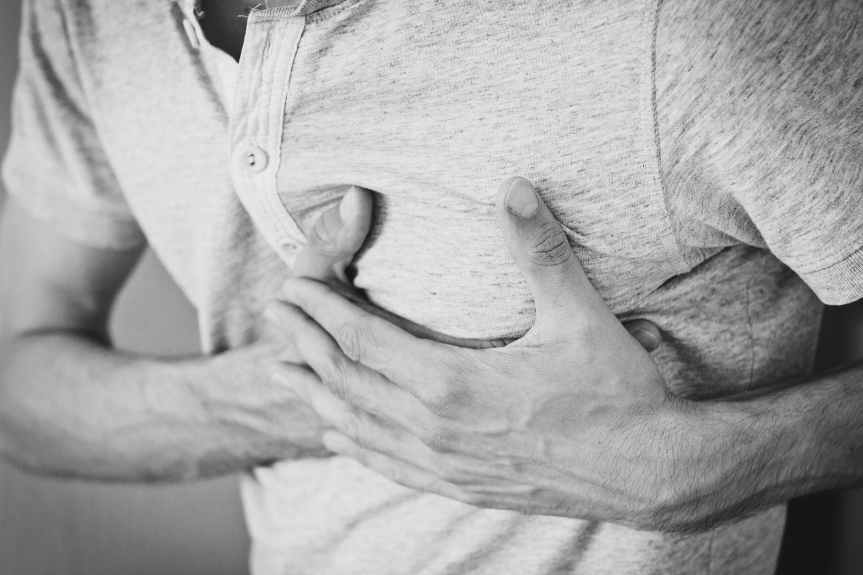
Here are the signs of a heart attack: pain in the center of your chest; neck; jaw; arms; and upper abdomen. A heart attack can also be accompanied by dizziness; shortness of breath, sweating; chills; nausea; and fainting. Sometimes, and more frequently among older men; it just happens without warning. For some, it could happen while exercising or under stress; for others, it could happen while at rest. Heart attacks do not distinguish between age and ethnicity; however, it does affect men more often than women. 


Are you an Overwhelmed Caregiver? Check out my latest podcast where we discuss ‘The Mindset of a Caregiver’!

We all know caregiving is hard. It is physically, mentally, and emotionally draining. As caregivers, we are constantly being told we need to find time to take care of ourselves. 

We know that taking care of ourselves is essential for being a good caregiver. But most of us have a difficult time experiencing the ‘caregiver’ mindset.

In this episode, Dr. Herbert highlights how vital it is to have a positive mindset as a caregiver.

We talk about;
Self-care for caregivers
Focusing on what you can control
Getting over the guilt
Generational Gaps

Hair Loss in Men: What You Need To Know

By Roz Jones

Why do men lose their hair? In some cases, baldness which occurs naturally in men is genetically inherent in families. While baldness is considered a natural process, it is nonetheless a problem most men have to grapple with. Hair loss in men can be viewed as a sign of aging, however, this is a false assumption. 

Today, unlike years ago, men can have their hair replaced using three specific methods.

One is taking a medication such as Propecia, which has been FDA approved. The second option would be to have hair replaced surgically, and the third option is purchasing a hairpiece.  Propecia seems to be the method of choice, but it is not for everyone. Sexual side effects of using this drug have been reported. 

Surgery would involve shifting sections of the scalp or transplanting plugs of hair. However, an infection may result. The last option, purchasing a hair piece is certainly viable; especially today that advanced technology has made hair pieces more natural and accessible.

Other likely causes for hair loss are stress; alopecia areata; surgery or chemotherapy; poor diet; thyroid disease; certain medications; scalp ringworm; and chemical treatments. 

The condition alopecia areata occurs when the immune system shuts down because it assumes the hair follicles are antibodies. This condition usually causes patchy loss. 

It is estimated that men typically lose 50 to 100 hairs a day, which is part of the hair renewal process. Fortunately, or unfortunately, as the case may be, most people lose hair at one time. While the loss may be temporary, other losses are more permanent.  One of the most common causes of hair loss for men occurs from the front to the crown and is considered a hormonal imbalance. To treat this condition, there are certain medications that can offer a preventative alternative.   

Hair loss in men can be devastating; especially when at a young age. For some, the hair grows back; for others, they have to decide whether to take medication, have surgery or buy a hair piece. While there are three options to remedy hair loss in men, it would be a good idea to research each method to determine the best course of action for you. Check with your doctor, especially if you are inclined to take Propecia. While some men view baldness as sexy; others find receding hairlines and loss of hair distasteful. Thankfully, there are choices.


Are you an Overwhelmed Caregiver? Check out my most recent podcast where we discuss ‘The Mindset of a Caregiver’!

We all know caregiving is hard. It is physically, mentally, and emotionally draining. As caregivers, we are constantly being told we need to find time to take care of ourselves. 

We know that taking care of ourselves is essential for being a good caregiver. But most of us have a difficult time experiencing the ‘caregiver’ mindset.

In this episode, Dr. Herbert highlights how vital it is to have a positive mindset as a caregiver.

We talk about;
Self-care for caregivers
Focusing on what you can control
Getting over the guilt
Generational Gaps

How to Prevent Hypertension In Men

By Roz Jones

We are devoting the month of June to the overlooked male caregiver. In our last article, we discussed the signs and symptoms of hypertension. So what are some steps that can reduce your risk as a Caregiver?

How to avoid hypertension in men can be accomplished by first understanding its cause. Just as air pumped into a tire exerts pressure on its lining and surface, your heart pumps blood through your arteries, and the force of the blood flow exerts pressure on the arterial walls. Therefore, just as too much air pressure is bad for the life of a tire, too much blood pressure eventually damages your arteries. 

Here are some suggestions on how to avoid hypertension:

While smoking is not a cause of hypertension, it is a contributing factor. We know there is a definite link between smoking and heart disease, thus the combination of smoking and high blood pressure increases the risk of developing a heart attack.  

Being overweight is another cause of hypertension. High salt intake increases this condition as well. It is important to find an appropriate diet regimen and exercise program to lose weight and maintain a healthy lifestyle. While there may be a connection between weight and hypertension, research reveals people who are at their ideal weight have less tendency to develop hypertension than those who are overweight.

Type A personalities may be more prone to hypertension than others. Stress is evident in our lives every day, but the key is to not let it take over your life. While we all work hard and try to live comfortably, the pressure to succeed rapidly is taking its toll, physically, emotionally, and mentally. It is also a contributing factor to hypertension. If you have a highly stressed job or find that you cannot fill the demands placed upon you – find another job that is not so stressful. If this is not an option; use meditation to maintain an inner balance. Don’t sweat the small stuff. Your health is more important than the job.

Try not to drink alcohol in excessive amounts. Alcohol increases blood pressure and if you are taking medication; the two can cause severe side effects. Recently, however, an eminent heart surgeon suggested that a glass of red wine a day is preferred for a healthy heart. The debate continues, and while it does, it seems that wine instead of other alcoholic beverages may yield the best results.

Exercise and a good nutritional diet can work wonders, not only in reducing weight but cleansing your body of all of the toxins, as well as purifying your blood. Meditation is another form of self-help therapy that can not only relax you but keep your pressure down.  If you find you are becoming excitable over something at work or at home – take a deep breath and go for a walk. These suggestions on how to avoid hypertension in men are necessary components in reducing blood pressure and living a healthy life.

The Causes and Symptoms of Hypertension in Men

By Roz Jones

A few years ago, the American Medical Association announced that normal blood pressure should be 120/80. This was lowered from the previous systolic and diastolic pressure considered to be within the normal range. Hypertension in men is a serious and often fatal disease. High blood pressure can lead to heart failure; kidney failure; or stroke. When you become a caregiver it’s even more important to monitor your blood pressure

The combination of hypertension and being overweight increases the chances of developing one or more conditions. In fact, the older you are, the more likely you will develop hypertension unless you take steps to prevent it.  If you are overweight when you are young, you may develop hypertension at an older age. However, it has been suggested that hypertension is also inherited, which doesn’t help the situation either.

You may not even realize you have this condition, as the symptoms do not reveal themselves.  However, you should assume you are a candidate for hypertension if you are over 40; if there is a history of this condition in your family; and you are overweight.

The first thing you need to do if you are in any way susceptible to this condition is to remove sodium from your diet. Have your blood pressure checked at least once a month, and avoid stress.  Let’s face it; however, we may work in an environment that breeds stress.

Whether it’s the job; money problems; smoking; overweight; alcohol; and other social and psychological factors which may contribute to the condition, it is important to understand it is not a curable disease, nor one which is tangible. Also, keep in mind; that hypertension is not exclusive to any one group. It affects people from all walks of life. To what degree it can cause damage to your heart, kidneys and brain depends on its severity.

If you find that you have taken every precaution and your blood pressure is still high, your doctor may prescribe medication only if he or she feels it is absolutely necessary. Some of the drugs have side effects, while others can be tolerated. While on any type of medication, do not fall under the assumption that because you may feel better you can stop taking the drugs.  This is a dangerous scenario as mentioned earlier; hypertension is a symptom-less disease. 

If you follow a proper diet that does not contain sodium; if you alter your lifestyle in order to ease the stress and other factors which contribute to hypertension, it can be controlled. Nothing in life is more important than your health; certainly, nothing causes physical or psychological elements which can raise your blood pressure. Hypertension in men is prevalent, yet over fifty percent of men do not realize they have the condition.

Take care of your health and it will take care of you.